
In the vast and interconnected digital landscape of Facebook, few visual cues are as ubiquitous, yet often pondered, as the unassuming green dot. This small, luminous indicator, appearing next to a friend’s name or profile picture, has become a silent language of online presence, instantly signaling availability in a world increasingly driven by real-time communication. For many, it’s a simple convenience, a quick way to gauge who’s around for a chat. Yet, dig a little deeper, and the green dot unravels into a complex interplay of technology, social dynamics, personal privacy, and even strategic considerations for brands and businesses navigating the digital sphere.

Far from being a mere aesthetic detail, the green dot is a foundational element in Facebook’s design, shaping how we perceive connectivity, engage with our network, and manage our digital footprint. It reflects a sophisticated technological backend designed to track user activity, while simultaneously raising questions about privacy controls and the psychological impact of constant visibility. As we unpack the meaning behind this seemingly simple icon, we’ll explore its technical underpinnings, delve into the critical aspects of user control and digital security, examine its influence on personal branding and social interactions, and even uncover its strategic implications for those leveraging Facebook for financial or business gain. Understanding the green dot is more than just knowing who’s online; it’s about comprehending a key facet of our digital lives in an age where online presence is almost synonymous with existence itself.
The Core Functionality: Unpacking the Green Dot in Facebook’s Ecosystem
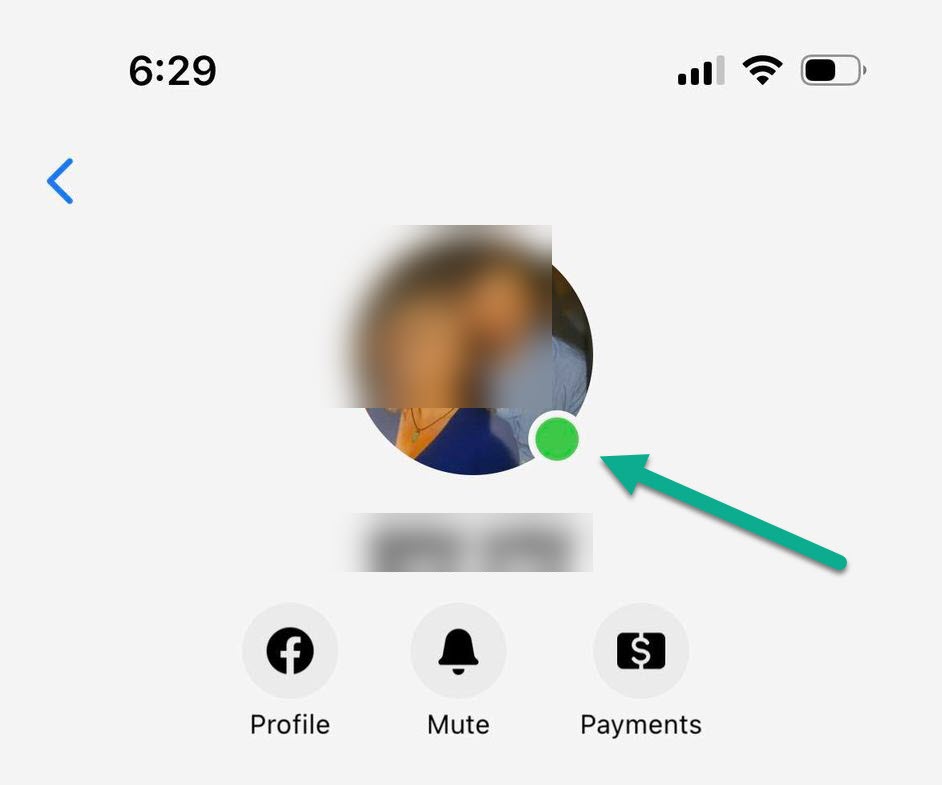
At its heart, the green dot on Facebook and Messenger is a real-time status indicator, designed to foster immediate communication and connection. It’s a core piece of functionality that underpins the entire “social” aspect of the platform, enabling users to understand who is currently available for interaction. However, its operation is more nuanced than a simple on/off switch, reflecting the complex architecture of a global social network.
Real-Time Status Indicators: How It Works
When you see a green dot, it signifies that the user is currently “active” on Facebook or Messenger. This activity can manifest in several ways: they might be actively browsing their feed, typing a message in Messenger, engaging with a post, or simply have the app open in the foreground on their device. The system is designed to provide a dynamic and fluid representation of presence.
The distinction between the main Facebook app and Messenger is important. While both display the green dot, their activity detection mechanisms might differ slightly in their interpretation of “active.” On the main Facebook app, being active means the user is engaging with the platform directly. On Messenger, it implies active usage of the chat application. It’s not a perfect indicator of direct attention, though. A user might have the app open while doing something else, or be “active” simply because the app is running in the background for a short period after recent use. Facebook’s algorithms continuously monitor user interaction, and if no activity is detected for a certain duration (which can vary but is generally a few minutes), the green dot will disappear, or be replaced by a timestamp indicating when they were “recently active.” This ensures the indicator remains relevant and doesn’t perpetually show someone as online if they’ve merely forgotten to close an app. The aim is to balance accuracy with the efficiency of providing a quick glance status.
The Technology Behind Presence: Servers, APIs, and User Experience
The seemingly instantaneous updates of green dots across millions of users require a robust and sophisticated technological infrastructure. At its foundation, Facebook utilizes a complex network of servers, APIs (Application Programming Interfaces), and real-time communication protocols to manage and broadcast user presence. When a user opens their Facebook or Messenger app, their device sends a signal to Facebook’s servers, indicating their active status. This signal is then processed and, if enabled, broadcast to their friends and connections.
This process relies heavily on efficient data handling and low-latency communication. Facebook’s engineers must balance the constant influx of presence updates from billions of devices with the need to deliver these updates instantly to relevant users, all while minimizing server load and network congestion. They employ sophisticated techniques like long-polling or WebSockets for persistent connections, allowing servers to push updates to clients in real-time without constant client requests. This intricate dance between client-side applications, server-side processing, and network infrastructure is what makes the green dot appear almost magically, fostering a sense of constant connection. The green dot, therefore, isn’t just a simple icon; it’s the visible tip of an enormous technological iceberg, designed to enhance the user experience by creating a persistent, albeit sometimes illusory, sense of community and immediacy.
Privacy and Control: Mastering Your Online Visibility
While the green dot is designed for connectivity, it also touches upon a crucial aspect of our digital lives: privacy. In an era where online visibility can feel overwhelming, understanding how to manage your active status is paramount for maintaining digital security and personal well-being. Facebook offers users significant control over this feature, allowing for a personalized approach to online presence.
Navigating Your Active Status Settings
Facebook provides clear mechanisms to control your active status, empowering users to decide when and to whom they appear online. The settings are typically found within the “Settings & Privacy” section of both the main Facebook app and the Messenger app, usually under an option like “Active Status.”
Here’s how it generally works:
- Turning Off Active Status: The most straightforward option is to completely disable your active status. When you do this, the green dot will no longer appear next to your name for anyone, and others will see a timestamp of when you were last active (if they have their own active status enabled). Crucially, this is a reciprocal setting: if you turn off your active status, you also won’t be able to see who else is active. This design choice aims to create a level playing field, preventing users from stealthily monitoring others’ activity while remaining invisible themselves. This setting often needs to be managed separately for the main Facebook app and Messenger, as they are distinct platforms even within the Facebook ecosystem.
- Selective Visibility: For those who want more granular control, Facebook sometimes offers options to customize who can see your active status. This might include choices like “Friends except…” where you can specify individuals who will not see your green dot, or “Only certain friends…” where you restrict visibility to a select group. These options cater to different social needs, allowing users to be available to close friends or family while maintaining privacy from others, such as colleagues or acquaintances. Regularly reviewing these settings is a good practice for digital security, ensuring your online presence aligns with your comfort level.
The Privacy Paradox: Convenience vs. Concealment
The green dot encapsulates a fundamental tension in our digital lives: the privacy paradox. On one hand, the ability to instantly see who is online offers immense convenience. It facilitates spontaneous conversations, quick problem-solving, and strengthens social bonds by making immediate interaction possible. For many, it’s a valued feature that enhances their ability to connect with friends and family across distances.
On the other hand, this constant visibility can create an unspoken pressure. When you are “online,” there’s an implicit expectation that you are available and responsive. This can lead to feelings of obligation to reply immediately, eroding personal boundaries and contributing to digital fatigue. The green dot, by highlighting your presence, can blur the lines between personal time and social accessibility, potentially impacting digital well-being. For individuals seeking a moment of peace or needing to focus on tasks without interruption, turning off active status becomes a necessary act of digital self-care. It allows them to engage with the platform on their own terms, without the perceived burden of immediate availability. This choice to conceal one’s online presence is not about being antisocial; rather, it’s about reclaiming agency over one’s time and attention in an always-on world, proving that sometimes, the most secure digital strategy is simply to disconnect.
Social Dynamics and Brand Perception: Beyond Just Being “Online”
The green dot, while a simple technical indicator, profoundly influences social dynamics and can even shape personal and professional brand perception. Its subtle glow communicates more than just technical availability; it hints at accessibility, responsiveness, and engagement, thereby subtly molding how others perceive an individual or even a brand’s presence on Facebook.
The Green Dot in Personal Branding and Professional Networking
For individuals who use Facebook beyond casual interactions – perhaps as a freelancer, an influencer, a small business owner, or someone building a personal brand – the green dot takes on added significance. In a professional context, being visibly “online” can signal availability and responsiveness. If a potential client or collaborator is trying to reach you via Messenger, seeing the green dot might encourage them to send a message, anticipating a quick reply. This can positively impact lead generation and client communication, suggesting a proactive and engaged professional. For content creators, being online might coincide with planned live Q&A sessions or post engagement, enhancing their brand’s accessibility and interaction rates.
However, the inverse can also be true. An individual who appears perpetually online might inadvertently project an image of being constantly distracted or lacking focus, especially if their professional persona requires intense concentration or strategic offline work. There’s a delicate balance to strike. A personal brand built on expertise and high-level output might benefit from controlled online presence, where responsiveness is prioritized during specific “office hours” rather than 24/7. Managing your active status thus becomes a tactical decision, aligning with the narrative and values you wish to convey through your personal brand. It’s about being strategically available, rather than constantly present, to optimize how your digital persona is perceived.
Psychological Impact: Social Pressure and Connection
The psychological impact of the green dot on social interactions is undeniable. It creates an immediate awareness of who is “around,” which can foster a deeper sense of connection and community. Knowing a friend is online can prompt spontaneous chats, shared content, or impromptu planning, reinforcing social bonds. This real-time visibility contributes to the platform’s addictive quality, driven by the constant potential for immediate interaction.
However, this constant visibility also brings with it significant social pressure. The “fear of missing out” (FOMO) is often exacerbated by the green dot, as it constantly reminds users of ongoing conversations or opportunities for interaction that they might not be part of. More directly, the green dot can create an expectation of immediate replies. If someone sees you online and sends a message, there’s an unspoken social contract that you should respond quickly. Failing to do so can lead to misunderstandings, perceived slights, or even anxiety for the sender. This pressure can erode the casual nature of online communication, turning optional interactions into perceived obligations. For many, managing this psychological burden involves consciously choosing to turn off active status, not to avoid friends, but to reclaim control over their own time and mental space, fostering healthier digital habits that prioritize mindful engagement over constant availability.
The Green Dot and the Digital Economy: Implications for Business and Marketing
Beyond personal connections, the green dot on Facebook and Messenger carries significant weight in the digital economy, particularly for businesses leveraging the platform for customer engagement, sales, and marketing. In an age where instant gratification often dictates consumer behavior, the perception of real-time availability can be a powerful asset.
Customer Service and Sales via Messenger: Real-time Engagement
For businesses, especially small to medium-sized enterprises (SMEs), Facebook Messenger has evolved into a vital tool for customer service and sales. Many customers now prefer direct messaging for inquiries over traditional email or phone calls, seeking quick, convenient answers. In this context, the green dot becomes a critical indicator of a business’s operational readiness.
When a potential customer visits a brand’s Facebook page and sees the green dot next to the Messenger icon, it immediately signals that a representative is likely online and available to respond. This visual cue can dramatically impact the customer journey:
- Increased Inquiries: Customers are more likely to initiate a conversation if they believe they will receive a quick reply. The green dot lowers the barrier to entry for customer interaction.
- Faster Response Times: For businesses, having a visible online presence on Messenger encourages faster response times, which are crucial for customer satisfaction. A quick, helpful reply can turn an inquiry into a sale or resolve a complaint before it escalates.
- Lead Conversion: In a sales context, immediate engagement with an active representative can significantly boost lead conversion rates. A customer asking about a product or service might make a purchase decision on the spot if their questions are answered in real-time.
- Building Trust: Responsive customer service, indicated by consistent online availability, builds trust and rapport with the customer base, reinforcing a positive brand image.
Therefore, for businesses, strategic management of their Messenger active status is not just about communication; it’s about optimizing the sales funnel and enhancing the overall customer experience, directly impacting their bottom line.
Strategic Considerations for Brands: When to Be “Seen” Online
For marketing teams and community managers, the green dot isn’t just a passive indicator; it’s a strategic tool. Deciding when and how to appear “online” can be part of a broader brand strategy and digital marketing plan.
- Targeted Availability: Brands can strategically schedule their online presence to align with peak customer activity hours. For example, an e-commerce brand might ensure their Messenger is staffed and showing “active” during promotional events, product launches, or prime shopping hours when customer inquiries are highest. This maximizes the impact of their customer service efforts and ensures they capture potential sales at critical moments.
- Community Engagement: For brands focused on building a community, being visibly online during specific events like Facebook Live sessions, Q&A panels, or after posting significant content encourages immediate interaction and discussion. The green dot signals that the brand is present and listening, fostering deeper engagement and loyalty.
- Reputation Management: In times of crisis or negative feedback, a brand’s visible online presence and quick response via Messenger can be crucial for reputation management. Showing immediate availability to address concerns demonstrates transparency and commitment to customer satisfaction, mitigating potential damage.
- Leveraging AI Tools: Many businesses integrate AI chatbots with their Messenger channels to handle initial inquiries, even when human agents are offline. While the green dot might still indicate general availability, the seamless handover from bot to human, when a human agent comes online, further optimizes the customer experience, making the transition feel continuous and efficient.
Ultimately, for businesses and brands, the green dot transcends its basic function. It becomes a dynamic element in their digital strategy, influencing customer perception, driving engagement, and directly contributing to their financial success in the competitive online marketplace.
The Future of Online Presence: Evolving Indicators and Digital Habits
The green dot, while a powerful and persistent indicator, is just one facet of how platforms communicate online presence. As technology evolves and our relationship with digital spaces matures, so too will the ways in which our “online-ness” is conveyed, prompting us to develop more mindful digital habits.
Beyond the Dot: Evolving Status Indicators
The green dot represents a relatively simple, binary state of “active” or “inactive.” However, platforms are continuously exploring more nuanced ways to communicate presence, moving beyond this basic indicator to provide richer context about a user’s availability and engagement.
Consider the following evolving indicators:
- Typing Indicators: The “…” that appears when someone is typing in a chat is a powerful, real-time indicator of imminent communication, adding a layer of anticipation and immediacy beyond a static green dot.
- “Seen” Receipts: While sometimes contentious due to the pressure they can create, “seen” receipts confirm that a message has been read, offering a different form of presence indication – not just online, but actively processing information.
- Story Views: For platforms like Facebook and Instagram, who views your Stories and when can indicate recent activity and engagement, even if they aren’t directly messaging you.
- Live Stream Indicators: When someone is broadcasting live, it’s a clear, dynamic indicator of their immediate, active presence and direct engagement with an audience.
- Last Active Timestamps: Even without the green dot, the “active X minutes ago” or “active X hours ago” provides valuable context, allowing users to gauge recent activity without implying current availability.
- Custom Statuses: Some platforms allow users to set custom statuses (“at work,” “gaming,” “do not disturb”), moving towards user-defined presence rather than system-defined.
These evolving indicators highlight a trend towards providing more granular, contextual information about a user’s digital state. The aim is to create a more sophisticated understanding of presence that caters to various social and professional needs, acknowledging that “online” can mean many different things. This shift requires platforms to develop more intricate algorithms for presence detection and robust UI elements to display this information without overwhelming users.
Developing Mindful Digital Habits
As our online presence indicators become more sophisticated, it becomes increasingly important for users to develop mindful digital habits. The constant awareness of who is online, and the pressure to be constantly available, can take a toll on mental well-being and productivity.
Mindful digital habits involve:
- Intentional Engagement: Rather than passively consuming content or feeling obligated to respond, users can choose to engage with purpose. This might mean setting specific times for checking messages or browsing social media.
- Leveraging Privacy Settings: Actively using features like “turn off active status” or “selective visibility” is a crucial step in managing boundaries. It allows individuals to take control of their availability, preventing digital burnout.
- Digital Detoxes: Periodically disconnecting entirely, even for short durations, can help reset one’s relationship with technology, reducing the psychological pull of constant online presence.
- Prioritizing Real-World Interactions: Recognizing that the green dot facilitates communication but doesn’t replace the depth of in-person connections is vital for a balanced life.
- Understanding the Nuance: Acknowledging that the green dot and other indicators are not perfect representations of a person’s attention or availability. Someone might be “online” but engrossed in a different task, and conversely, someone “offline” might still be perfectly reachable via other means.
In the future, the conversation around online presence will undoubtedly shift from simply who is online to how they are online and why. Developing mindful digital habits ensures that technology serves us, rather than dictating our interactions and well-being. It’s about consciously shaping our digital identity and maintaining a healthy balance in an increasingly interconnected world.

Conclusion
The humble green dot on Facebook, seemingly a minor visual detail, stands as a profound symbol of our interconnected digital existence. We’ve explored its multifaceted nature, from its fundamental role as a real-time presence indicator—a testament to sophisticated technological trends and software engineering—to its deep implications for personal privacy and digital security. This small icon is more than just a signal of availability; it shapes social dynamics, influencing everything from the subtle pressures of instant communication to the strategic nuances of personal branding and corporate identity.
For businesses and marketers, the green dot transforms into a tangible asset, directly impacting customer service, online income potential, and overall brand strategy in the fiercely competitive digital economy. It underscores the importance of real-time engagement and the strategic management of online visibility to foster trust and drive financial success. As we look ahead, the evolution of online presence indicators will continue to challenge us, demanding ever more mindful digital habits and a keen awareness of how our online persona is perceived.
Ultimately, understanding the green dot is a microcosm of understanding our relationship with technology itself. It’s about recognizing the power of simple digital cues to influence our interactions, manage our boundaries, and strategically navigate the complex landscape of online communication. In a world that is always on, mastering the meaning and management of this luminous green signal empowers us to be more intentional, more secure, and more effective in our digital lives, whether we’re connecting with friends, building a brand, or pursuing financial goals.
aViewFromTheCave is a participant in the Amazon Services LLC Associates Program, an affiliate advertising program designed to provide a means for sites to earn advertising fees by advertising and linking to Amazon.com. Amazon, the Amazon logo, AmazonSupply, and the AmazonSupply logo are trademarks of Amazon.com, Inc. or its affiliates. As an Amazon Associate we earn affiliate commissions from qualifying purchases.