
Navigating the ever-changing landscape of labor laws can be a significant undertaking for both employees seeking fair compensation and businesses striving for compliance. At the forefront of this discussion is the minimum wage, a foundational element that impacts countless individuals and industries across the United States. Today, we’re turning our attention to a specific state with a dynamic economic profile: Illinois. Understanding Illinois’ minimum wage is crucial for anyone working within its borders or operating a business there. This article delves into the current minimum wage rates in Illinois, exploring the factors that influence them, the potential implications for various sectors, and how to stay informed about future changes.
Understanding the Illinois Minimum Wage Landscape
The minimum wage is a legally mandated lowest hourly rate that employers can pay their employees. Its purpose is to ensure a basic standard of living and prevent the exploitation of workers. In Illinois, the minimum wage is subject to periodic adjustments, reflecting economic conditions, inflation, and legislative decisions. Unlike a single, static figure, Illinois’ minimum wage can vary slightly based on factors such as the age of the employee or the size of the employer. However, a statewide standard generally applies.
The Current Illinois Minimum Wage Rate
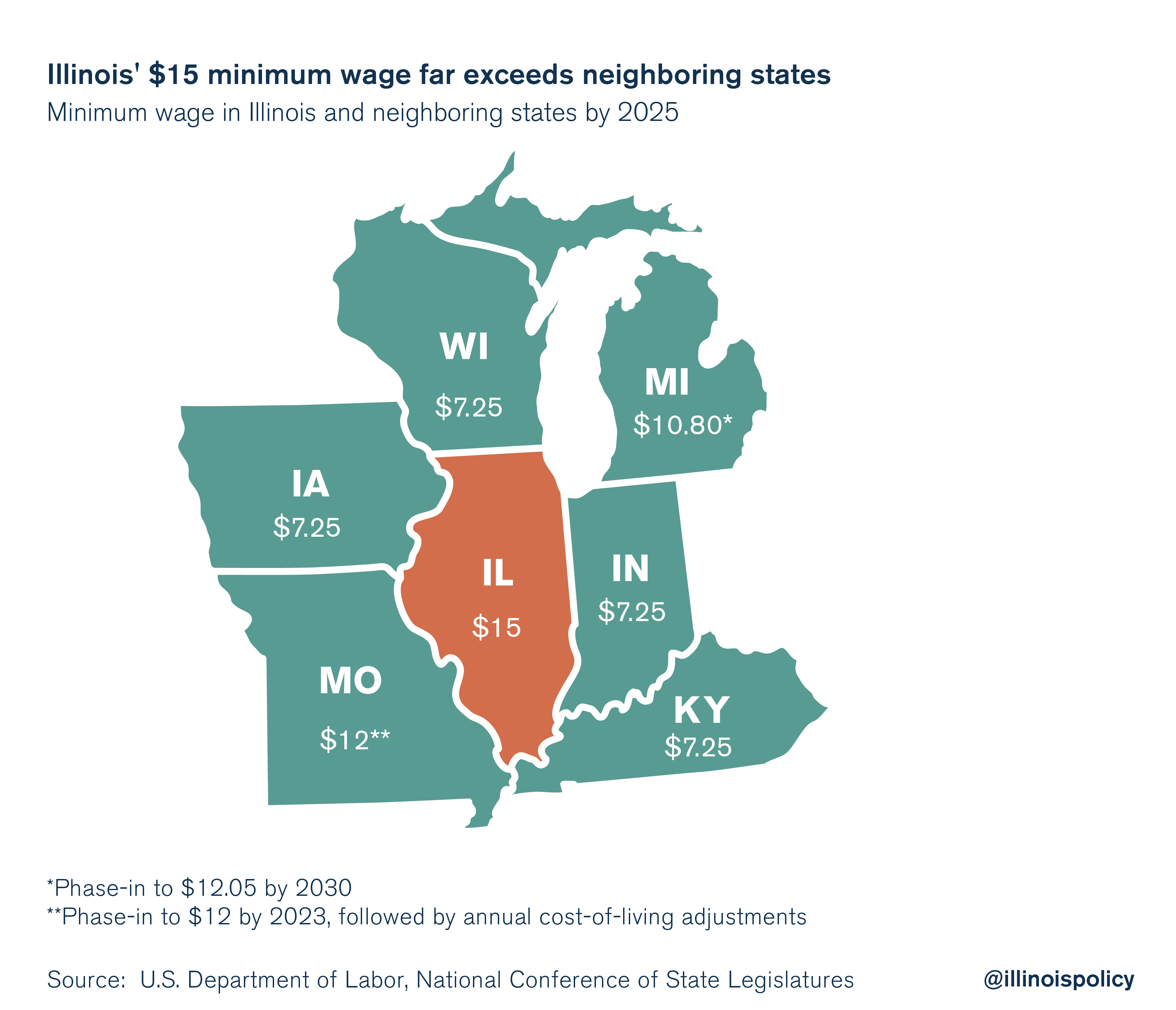
As of January 1, 2024, the standard minimum wage in Illinois for non-tipped employees is $14.00 per hour. This represents a significant increase from previous years, part of a legislated schedule designed to gradually raise the wage to $15 per hour by 2025.
For tipped employees, the situation is slightly different. Tipped employees in Illinois are eligible for a reduced minimum cash wage, provided that their tips, when added to this cash wage, equal at least the standard minimum wage. As of January 1, 2024, the minimum cash wage for tipped employees in Illinois is $8.40 per hour. This means that employers must pay tipped employees at least $8.40 per hour, and if their tips do not bring their total earnings up to $14.00 per hour, the employer must make up the difference.
It’s important to note that these figures are for the state of Illinois. Some local municipalities within Illinois may have their own minimum wage ordinances that are higher than the state minimum. In such cases, employers must adhere to the higher local minimum wage. However, for the vast majority of businesses and workers across Illinois, the state minimum wage will be the operative figure.
Factors Influencing Minimum Wage Adjustments
The minimum wage is not an arbitrary number; it’s often influenced by a combination of economic indicators and legislative intent. Several key factors typically play a role in determining minimum wage adjustments:
- Inflation and Cost of Living: The most significant driver behind minimum wage increases is often the rising cost of living. As prices for goods and services like housing, food, and transportation increase, a minimum wage that was once adequate can become insufficient to meet basic needs. Minimum wage laws are frequently designed to keep pace with inflation, ensuring that the purchasing power of low-wage workers doesn’t erode over time.
- Economic Growth and Employment Levels: When an economy is strong and employment is high, there is often more political will and economic capacity to implement higher minimum wages. Proponents argue that a higher minimum wage can stimulate demand by putting more money into the hands of consumers, while opponents may voice concerns about potential job losses if businesses find it too costly to employ workers at a higher rate.
- Legislative Action: Ultimately, changes to the minimum wage are enacted through legislation. In Illinois, the state legislature, in conjunction with the governor’s office, determines the minimum wage rate and the schedule for its adjustments. This process often involves debates, lobbying from various interest groups, and consideration of economic data.
- Federal Minimum Wage: While Illinois has its own minimum wage, it’s also important to acknowledge the federal minimum wage, which is currently $7.25 per hour. State minimum wages can be higher than the federal minimum, but not lower. If a state’s minimum wage is higher than the federal rate, employers in that state must pay the higher state rate.
Implications for Illinois Workers and Businesses
The minimum wage has a ripple effect, impacting both the individuals who earn it and the businesses that pay it. Understanding these implications is vital for informed decision-making.
For Illinois Workers: The Benefits of a Higher Minimum Wage

For Illinois workers earning at or near the minimum wage, an increase can translate into tangible improvements in their financial well-being.
- Increased Disposable Income: A higher hourly wage directly increases a worker’s take-home pay, leading to more disposable income. This can allow individuals and families to better afford necessities like rent, groceries, healthcare, and education, as well as discretionary spending that can contribute to local economies.
- Improved Standard of Living: For many, the minimum wage is the sole source of income for their household. A higher minimum wage can lift individuals and families out of poverty or closer to financial stability, enabling them to improve their overall standard of living and reduce reliance on public assistance programs.
- Enhanced Motivation and Productivity: When workers feel fairly compensated for their labor, it can lead to increased job satisfaction, higher morale, and greater motivation. This, in turn, can translate into improved productivity and dedication to their roles.
- Reduced Income Inequality: A higher minimum wage is often seen as a tool to combat income inequality by narrowing the gap between the lowest earners and those at higher income brackets.
For Illinois Businesses: Navigating Compliance and Strategy
Businesses in Illinois must meticulously track and adhere to the state’s minimum wage laws. This can present both challenges and opportunities.
- Increased Labor Costs: The most immediate impact of a higher minimum wage on businesses is an increase in labor costs. Employers who pay their staff at or near the current minimum wage will need to adjust their payroll to meet the new rate.
- Operational Adjustments: To absorb increased labor costs, businesses may consider several strategies. These could include:
- Price Adjustments: Increasing the prices of goods or services to offset higher labor expenses. This strategy needs careful consideration to avoid alienating customers.
- Efficiency Improvements: Investing in technology or streamlining processes to improve operational efficiency and reduce the need for extensive labor hours. The tech industry, with its advancements in AI tools and automation, offers potential solutions here.
- Reduced Staffing or Hours: In some cases, businesses might need to reduce staff numbers or employee hours to manage costs. However, this can also impact customer service and overall productivity.
- Focus on Productivity and Skill Development: Investing in training and development for existing employees can lead to higher productivity and the ability to command higher wages, creating a more skilled and efficient workforce.
- Competitive Advantage: While initial adjustments can be challenging, businesses that proactively adapt to higher minimum wages may find themselves with a more stable and motivated workforce. This can lead to reduced turnover and improved customer service, ultimately providing a competitive edge. A strong brand identity, carefully cultivated through marketing and design, can also help businesses absorb price adjustments or attract customers who value ethical employment practices.
- Compliance and Legal Ramifications: Failing to comply with minimum wage laws can result in significant penalties, including back pay, fines, and legal fees. Businesses must stay informed about current and upcoming minimum wage rates and ensure their payroll systems are accurately configured.
Staying Informed and Planning for the Future
The minimum wage is a dynamic aspect of labor law, and staying informed is paramount for both individuals and businesses.
Resources for Staying Up-to-Date
For the most accurate and up-to-date information on Illinois’ minimum wage, it’s essential to consult official sources:
- Illinois Department of Labor (IDOL): The IDOL is the primary state agency responsible for enforcing labor laws, including minimum wage regulations. Their official website is the most reliable source for current rates, historical data, and any pending legislative changes.
- Federal Department of Labor: While state laws often supersede federal minimum wage, it’s always good practice to be aware of federal standards as well.
- Reputable Business and Financial News Outlets: Publications specializing in business, finance, and labor law often provide timely updates and analyses of minimum wage changes.
The Road Ahead: Future Minimum Wage Adjustments in Illinois
As mentioned earlier, Illinois is on a legislated path to increase its minimum wage to $15 per hour. This phased approach allows businesses and workers time to adapt to the changes.
- Projected Increases: The schedule for minimum wage increases in Illinois aims to reach $15 per hour for most workers by January 1, 2025. After reaching $15 per hour, the minimum wage is expected to be adjusted annually based on inflation. This means the minimum wage will likely continue to rise incrementally each year to keep pace with the cost of living.
- Impact of Inflation on Future Rates: The annual inflation-based adjustments are a crucial mechanism for ensuring that the minimum wage retains its purchasing power over time. This means that even after reaching the $15 mark, the effective minimum wage in Illinois will likely continue to increase year after year.
- The Role of Technology and Innovation: As businesses navigate evolving labor costs, the integration of technology will likely play an increasingly vital role. From AI-powered scheduling software to automated customer service solutions, technological advancements can help businesses optimize their operations and manage their workforce more effectively. For example, personal finance and productivity apps can help individuals manage their increased earnings, while business finance tools can aid companies in forecasting and budgeting for labor expenses.
In conclusion, understanding Illinois’ minimum wage is not just about knowing a number; it’s about comprehending the economic forces, legislative intentions, and practical implications that shape the livelihoods of workers and the operational strategies of businesses. By staying informed and proactively adapting to these changes, both individuals and organizations can better navigate the dynamic landscape of employment in the Prairie State.
aViewFromTheCave is a participant in the Amazon Services LLC Associates Program, an affiliate advertising program designed to provide a means for sites to earn advertising fees by advertising and linking to Amazon.com. Amazon, the Amazon logo, AmazonSupply, and the AmazonSupply logo are trademarks of Amazon.com, Inc. or its affiliates. As an Amazon Associate we earn affiliate commissions from qualifying purchases.