
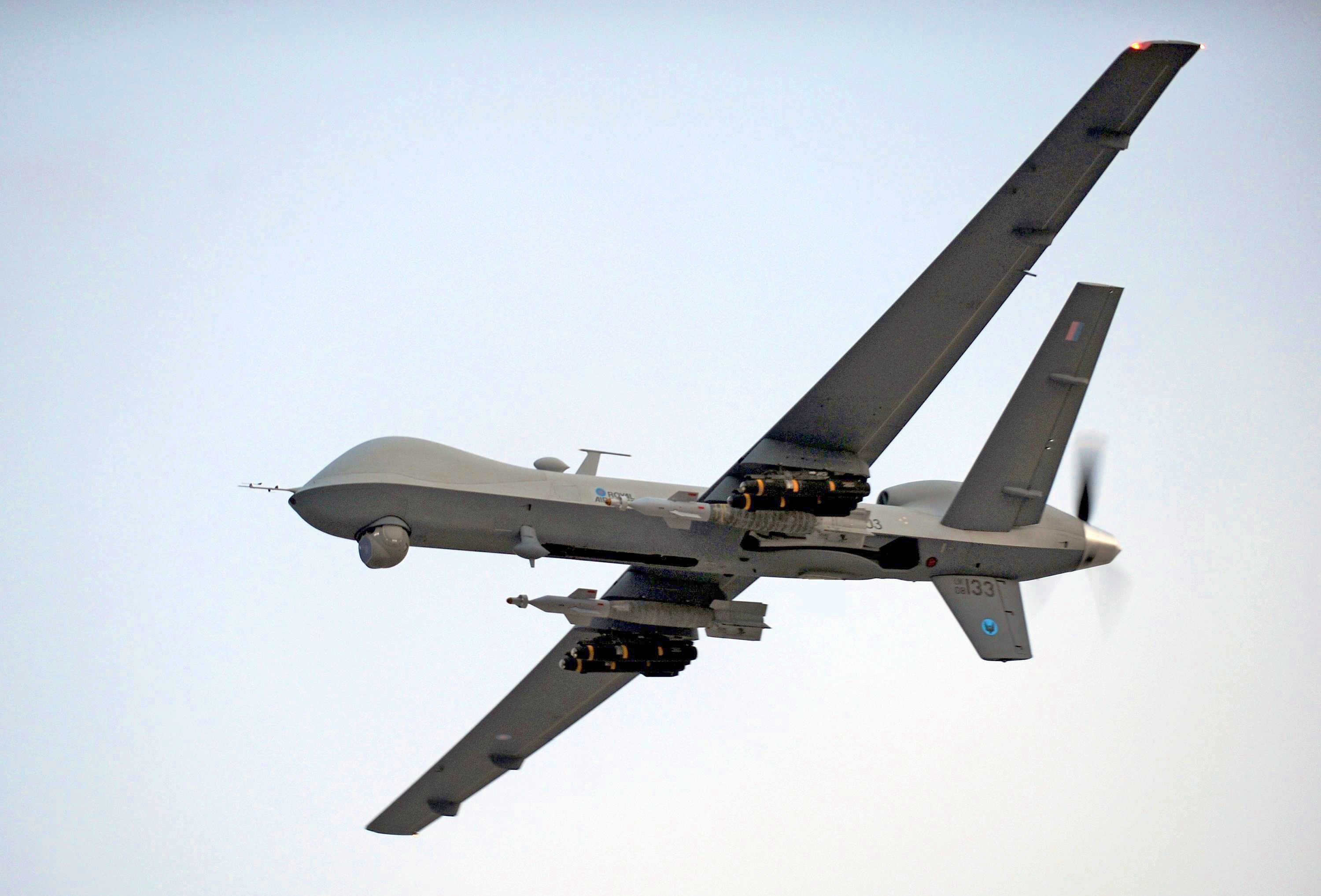
In the early 2000s, the mention of a “drone” typically conjured images of massive, insect-like military aircraft patrolling high-altitude corridors. Today, however, the visual identity of Unmanned Aerial Vehicles (UAVs) has fractured into a thousand different forms. To ask “what do the drones look like” is to explore the intersection of aerodynamics, material science, and cutting-edge sensor integration. From palm-sized racing crafts to fixed-wing giants that resemble traditional planes, the modern drone is a masterclass in functional design.
The aesthetic of a drone is rarely a choice made for style alone; it is almost entirely dictated by its mission profile. As we delve into the various iterations of these machines, we find that their appearance tells a story of technological triumph—how we conquered stable hovering, how we integrated artificial intelligence, and how we are currently mimicking the elegance of nature.
The Anatomy of Modern Drones: Form Follows Function
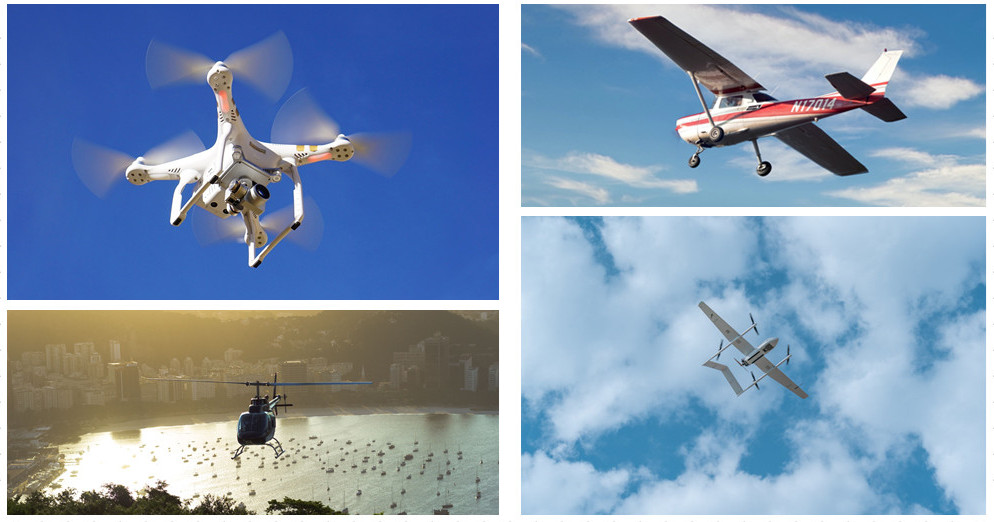
At the heart of the most recognizable drones is the multi-rotor configuration. If you were to walk into a tech store today, the drones you see would likely be “quadcopters.” This specific look—a central body with four arms extending outward—is the gold standard for consumer and prosumer technology.
The Quadcopter Standard
The quadcopter’s look is defined by symmetry. Each arm houses a high-speed brushless DC motor (BLDC) and a propeller. This design isn’t just for balance; it is a mechanical necessity for vertical takeoff and landing (VTOL). Unlike helicopters, which require complex swashplates to tilt their rotors, quadcopters remain stable by simply varying the speed of individual motors. This leads to a minimalist, rugged appearance that has become the “face” of the industry. The central chassis usually houses the flight controller—the “brain” of the unit—which processes thousands of calculations per second to keep the craft level.
Fixed-Wing and Hybrid VTOL Designs
Beyond the hobbyist market, drones begin to look remarkably different. Fixed-wing drones resemble miniature airplanes with a single large wing and a rear or front-mounted propeller. These are built for endurance and distance. Because they rely on the lift generated by their wings rather than the brute force of vertical thrust, they look sleek and aerodynamic.
A more recent development in tech is the “Hybrid VTOL.” These drones look like a crossbreed: they have the fixed wings of a plane for efficient long-distance travel, but they are also equipped with vertical rotors that allow them to take off from a backyard or a forest clearing without a runway. This “transformer” aesthetic represents the current peak of delivery drone technology, as seen in projects by companies like Zipline or Wing.
Material Science and Lightweight Composites
The visual texture of a drone is often defined by its materials. High-end tech drones use carbon fiber weaves, which give the frame a distinct matte-black, checkered appearance. Carbon fiber is prized for its incredible strength-to-weight ratio, ensuring the drone can survive high-velocity impacts without adding unnecessary grams that would drain the battery. Lower-end models or “cinewhoops” often utilize high-density plastics or injection-molded polymers, giving them a more toy-like, colorful, or smooth finish.
Specialized Aesthetics: Consumer vs. Enterprise Hardware
The look of a drone changes drastically once you move from the “gadget” category into “industrial tools.” The evolution of drone hardware is currently bifurcating into two distinct visual paths: the sleek, foldable consumer unit and the ruggedized, utilitarian industrial platform.
The Compact Foldability of Consumer Drones
The most significant trend in consumer tech over the last five years has been foldability. Leading manufacturers have perfected a design where the motor arms tuck neatly into the body, transforming a wide-span aircraft into a brick the size of a water bottle. These drones are designed to look approachable. Their lines are often curved and aerodynamic, and their surfaces are finished in light greys or whites to avoid looking like military hardware. This design language is intentional; it signals that the device is a tool for photography and exploration, not a weapon.
Ruggedized Industrial and Agricultural Platforms
In contrast, enterprise drones—used for inspecting power lines, mapping construction sites, or spraying crops—look like heavy machinery. These drones are often “over-engineered” for reliability. They feature large, visible cooling fins for their internal processors, heavy-duty landing gear, and often come in high-visibility colors like orange or bright yellow.
Agricultural drones, in particular, look like giant mechanical spiders. They are massive, often spanning six feet or more, with integrated tanks and spray nozzles dangling from their undersides. Their appearance is defined by utility; there is no attempt to hide the wires or the sensors, as every component must be easily accessible for field repairs.
Micro and Nano Drones for Indoor Surveillance
On the opposite end of the spectrum are micro-drones. These units are designed to be as unobtrusive as possible. Some look like small plastic squares with duct-protected propellers (to prevent damage when hitting walls), while others are designed to be “invisible” to the naked eye at a distance. These drones represent the miniaturization of tech, packing GPS, a 4K camera, and a digital transmission system into a frame that weighs less than 250 grams—a weight threshold that avoids many international aviation regulations.
Integrated Sensor Suites and Stealth Technology
A drone’s “face” is largely determined by its sensors. If you look closely at a modern drone, you will see various “eyes” or protrusions that define its silhouette and functional capabilities.
Camera Gimbals and Optical Arrays
The most prominent feature on most drones is the gimbal. This is the mechanical arm that holds the camera. On high-end drones, the gimbal looks like a sophisticated robotic neck, capable of tilting and panning to keep the image stable regardless of how much the drone is pitching or rolling. The lenses themselves have grown larger, with many drones now sporting 1-inch sensors or even dual-lens systems (wide-angle and telephoto), giving the front of the drone a “cyborg” appearance.
LiDAR and Obstacle Avoidance Modules
If a drone looks like it has multiple small “dimples” or dark glass panels on its sides, front, and back, you are looking at an obstacle avoidance system. These are Binocular Vision Sensors or LiDAR (Light Detection and Ranging) modules. They allow the drone to “see” its environment in 3D. The inclusion of these sensors has changed drone design from smooth, unbroken shells to complex, multi-faceted geometries. This is the tech that allows a drone to fly through a dense forest without pilot intervention, making the machine look more like an autonomous robot than a remote-controlled toy.
Low-Profile and Low-Noise Rotors
The “look” of a drone even extends to the shape of its propellers. Modern tech focuses heavily on noise reduction. As a result, many drone propellers now have “raked” tips—curved edges that look like bird wings. This design reduces air turbulence, which not only makes the drone quieter but also gives it a more organic, fluid appearance in flight.
The Future of Drone Design: AI and Biomimicry
As we look toward the next decade of technology, the answer to “what do the drones look like” will become even more diverse as engineers look to nature for inspiration and leverage AI to optimize structures.
Bio-inspired Flight (Ornithopters)
We are beginning to see the rise of “ornithopters”—drones that actually flap their wings like birds or insects. These drones look startlingly organic. By mimicking the flight patterns of a dragonfly or a hawk, these drones can achieve levels of maneuverability and efficiency that traditional rotors cannot match. They often use flexible, membrane-like wings and oscillating hinges. To an observer, these drones don’t look like machines; they look like part of the local fauna, which is a significant leap in both covert tech and aerodynamic efficiency.
Modular and Swarm-based Configurations
Another emerging trend is the “swarm” drone. These are often small, identical units that look like simple geometric shapes—spheres or cubes. Individually, they are unimpressive, but they are designed to work in a lattice. In the future, a “drone” might not be a single aircraft, but a collection of hundreds of small units that can change their collective shape in mid-air to accomplish different tasks.
Generative Design and AI-Optimized Frames
Finally, the physical frames of drones are being redesigned by AI using “generative design.” Instead of a human engineer drawing straight lines, an AI is given the stress points and motor locations and asked to “grow” a frame. The resulting structures look strangely skeletal or “alien,” with spindly, organic-looking supports that use the absolute minimum amount of material for maximum strength. This tech-driven aesthetic is the future of the industry: a move away from the recognizable quadcopter toward shapes that are optimized by algorithms for a world we are only just beginning to map from above.
In conclusion, drones look like the future they are helping to build. Whether it is the sleek, foldable camera platform in a hiker’s backpack, the rugged hexacopter spraying a vineyard, or the bio-mimetic bird surveying a forest, their appearance is a testament to the rapid evolution of digital and mechanical engineering. As technology continues to shrink and power densities increase, the drones of tomorrow will likely look less like the machines we know and more like the air itself—integrated, invisible, and incredibly capable.
aViewFromTheCave is a participant in the Amazon Services LLC Associates Program, an affiliate advertising program designed to provide a means for sites to earn advertising fees by advertising and linking to Amazon.com. Amazon, the Amazon logo, AmazonSupply, and the AmazonSupply logo are trademarks of Amazon.com, Inc. or its affiliates. As an Amazon Associate we earn affiliate commissions from qualifying purchases.