
Financial responsibility is the cornerstone of responsible vehicle ownership. When you hit a parked car, the incident extends far beyond a simple moment of distracted driving; it initiates a chain of events that directly impacts your personal balance sheet, your insurance premiums, and your long-term risk profile. Managing this situation with financial acumen is essential to minimize the monetary fallout and protect your assets.
Immediate Financial Liability and Legal Requirements
The moment you strike a parked vehicle, the clock starts ticking on your legal and financial obligations. Failing to handle the situation according to protocol is not merely a breach of etiquette—it is a legal violation that can lead to criminal charges, license suspension, and significantly higher insurance costs.

The Mandatory Duty to Disclose
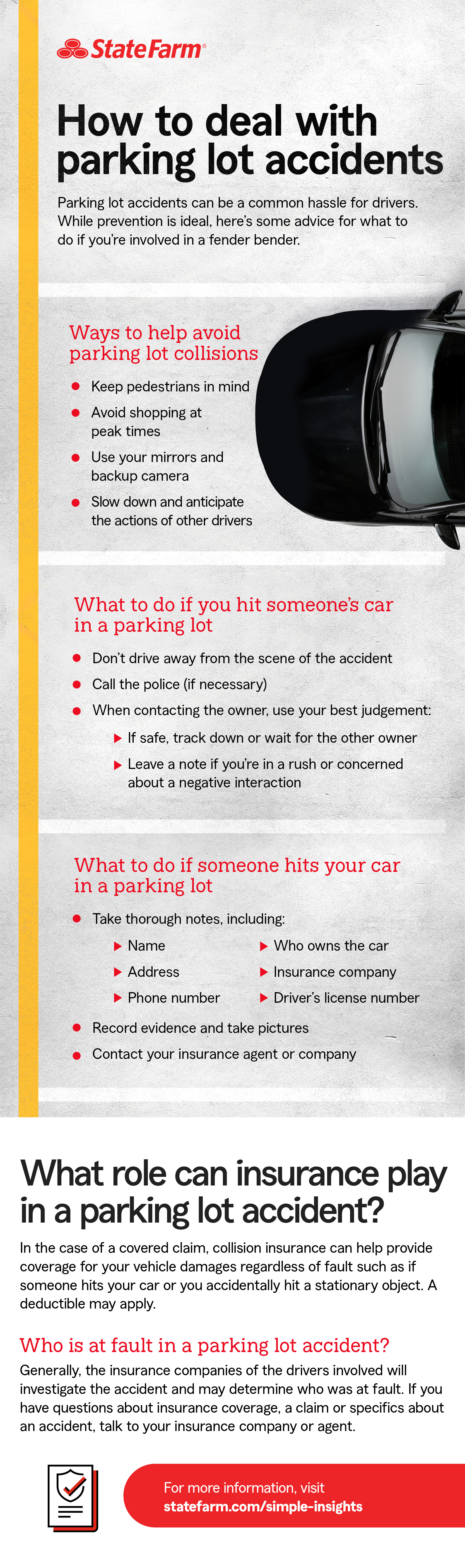
You are legally required to make a reasonable effort to locate the owner of the damaged vehicle. This might involve checking nearby storefronts or asking witnesses. If you cannot find the owner, you must leave a note in a secure, visible location—ideally tucked under a windshield wiper.
From a financial protection standpoint, this note must include your name, contact information, and insurance details. By providing this information voluntarily, you mitigate the risk of being charged with a hit-and-run. A criminal record for a hit-and-run can lead to your insurance carrier dropping your coverage entirely, forcing you into the “high-risk” insurance market, where premiums can be double or triple the standard rate.
Documenting the Financial Scope
Before you leave the scene, you must conduct a thorough assessment of the damages. Use your smartphone to take high-resolution photographs of both vehicles, specifically focusing on the point of impact and the overall placement of the cars. Record the vehicle identification number (VIN) of the other car if it is visible.
Documenting the scene serves as your primary evidence if the other party attempts to inflate their claim or attribute pre-existing damage to your accident. Insurance companies are notorious for processing claims based on incomplete information; by providing a comprehensive evidence file, you gain leverage during the claims adjustment process, ensuring you are only held financially responsible for the damage you actually caused.
Navigating the Insurance Claims Process
Your insurance policy is a financial contract, and like any contract, you must navigate its terms to your advantage. Understanding how a claim impacts your future premiums is as important as the immediate repair costs.
Analyzing the Cost-Benefit of Filing a Claim
Many drivers immediately call their insurance company after a minor fender bender, but this is not always the most prudent financial move. If the damage to both vehicles is minor—for example, a few hundred dollars—you should evaluate whether filing a claim is worth the inevitable premium hike.
If your policy includes a “forgiveness” clause, filing a claim may not increase your rates immediately. However, if you are a repeat claimant, you will likely see a significant increase in your renewal premium. Calculate the cost of the repairs versus the projected increase in your premiums over the next three to five years. If the repair costs are close to your deductible or only slightly higher, it is often more cost-effective to settle the payment out of pocket. This preserves your “no-claims” status, which serves as a valuable asset that keeps your annual insurance expenditures low.
Managing the Deductible and Adjusters
If the damage is substantial, you will proceed with the claim. Your deductible is the out-of-pocket expense you must pay before your insurance coverage kicks in. This is a sinking fund item in your personal budget that you should always keep liquid.
When dealing with an insurance adjuster, remember that they work for the insurance company, not for you. They are incentivized to minimize the payout. Provide them with your documented evidence and remain professional, but do not volunteer unnecessary information. If they suggest a repair shop, you have the right to research that shop’s reputation. Ensuring that the repair work is of high quality prevents “repairing the repair” down the line, which would be a secondary, unnecessary drain on your finances.
The Long-Term Impact on Your Financial Profile
A car accident is more than a temporary inconvenience; it is a signal to the financial institutions that monitor your risk. Protecting your financial health requires a proactive approach to damage control after the dust has settled.
The Effect of Claims on Your Risk Rating
Insurance companies utilize complex algorithms to calculate your “risk score.” This score is heavily influenced by your claims history. Even a small claim can result in your classification being downgraded. Over several years, these small adjustments in your risk category can cost you thousands of dollars in compounded premium increases.
If you decide to pay for damages out of pocket to avoid a claim, ensure you document the settlement. Have the other party sign a simple release of liability form, which explicitly states that they accept the payment in exchange for waiving their right to pursue further legal action or insurance claims related to the incident. This prevents the “double-dipping” scenario where a party accepts cash and then files an insurance claim months later.
Re-evaluating Your Coverage Limits
An accident involving a parked car is a wake-up call to review your current liability coverage. If you are worried about the financial consequences of a major accident, your current policy might be inadequate. Increasing your liability limits is often surprisingly inexpensive and provides a necessary safety net for your personal assets.
If you have a high net worth, consider an umbrella insurance policy. This provides an additional layer of financial protection above your standard auto policy, shielding your savings, investments, and home from being liquidated in the event of a significant lawsuit following a vehicular accident. Investing in higher coverage limits is a classic risk-management strategy that protects your long-term wealth from being decimated by a single lapse in judgment.
Preventive Financial Planning for Future Incidents
The most successful financial managers are those who anticipate risk before it manifests. After the situation is resolved, take steps to ensure that future incidents do not catch you off guard financially.
Building an Automotive Emergency Fund
Every car owner should maintain a dedicated “vehicle maintenance and emergency fund.” This fund should hold enough capital to cover at least two to three times your insurance deductible. By keeping this money in a high-yield savings account, you ensure that if an accident occurs, you can handle the immediate financial requirements without resorting to credit cards or high-interest loans. Relying on credit to pay for an accident adds interest charges to the cost of the repair, effectively making the accident more expensive than it needed to be.

Strengthening Your Defensive Driving Habits
Finally, the most effective way to protect your money from car accidents is to avoid them entirely. If your collision was the result of a specific distraction or a blind spot in your current driving habits, address it. Invest in technology—such as backup cameras, proximity sensors, or blind-spot monitoring systems—if your current vehicle lacks them. While these are upfront costs, they function as an investment in asset protection. Every year you go without an at-fault accident, your insurance premiums remain stable, and your money remains in your bank account rather than being funneled into the coffers of an insurance conglomerate.
By treating the aftermath of hitting a parked car as a financial management exercise rather than just a stressful emotional event, you retain control over your wallet and ensure that one minor lapse does not derail your broader financial goals. Stay disciplined, document everything, and prioritize the protection of your personal net worth throughout the resolution process.
aViewFromTheCave is a participant in the Amazon Services LLC Associates Program, an affiliate advertising program designed to provide a means for sites to earn advertising fees by advertising and linking to Amazon.com. Amazon, the Amazon logo, AmazonSupply, and the AmazonSupply logo are trademarks of Amazon.com, Inc. or its affiliates. As an Amazon Associate we earn affiliate commissions from qualifying purchases.