
For millions of veterans and their families, navigating the extensive benefits system offered by the U.S. Department of Veterans Affairs (VA) is a crucial aspect of their financial planning and well-being. These benefits — ranging from disability compensation and pensions to education assistance, home loan guarantees, and healthcare — represent significant financial support designed to honor service and assist veterans in civilian life. A key communication tool within this complex system, one that often holds significant sway over the outcome and timeline of a veteran’s claim, is the “development letter.” Understanding what a development letter is, why it’s sent, and how to effectively respond is paramount to securing the financial entitlements you or your loved one deserves.

The Core Purpose of a VA Development Letter
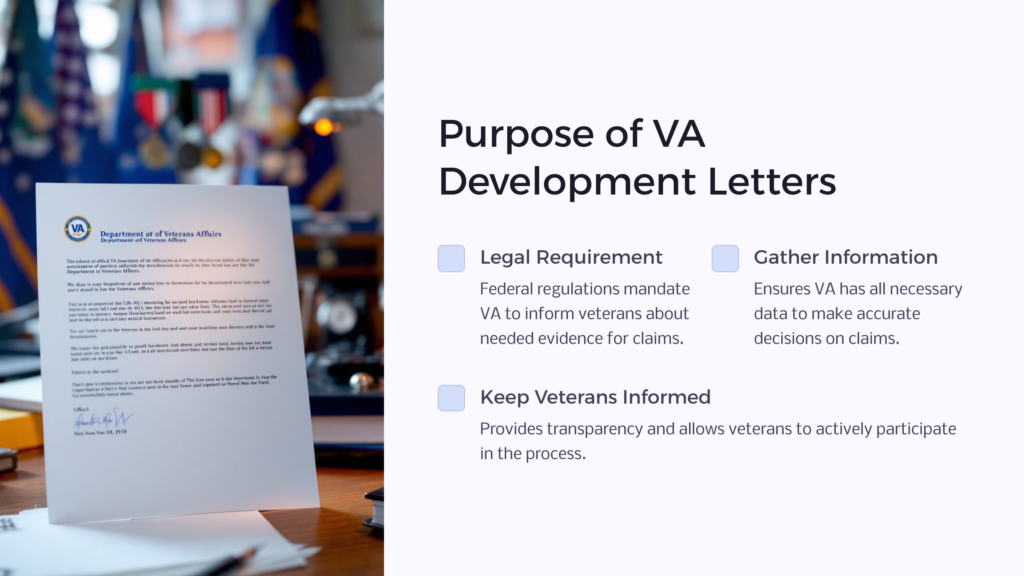
At its heart, a VA development letter is an official correspondence from the Department of Veterans Affairs to a claimant, indicating that their application for benefits is actively being processed but requires further action or information. It’s a critical step in the “development” phase of a claim, a period during which the VA gathers all necessary evidence to make a fair and accurate decision. Far from being a mere administrative formality, these letters are direct requests for specific documentation, clarification, or evidence that the VA needs to substantiate the claim.
The financial implications of a development letter are profound. Each benefit, whether it’s monthly disability compensation, a housing grant, or an education stipend, represents a tangible financial asset. The VA cannot approve these benefits without sufficient evidence. Therefore, a development letter serves as a bridge, guiding the claimant on what is still needed to complete their financial picture in the eyes of the VA. Ignoring or mishandling such a letter can lead to significant delays, potential denial of benefits, and ultimately, a loss of critical financial support. It signals that your claim is alive but needs your active participation to move towards approval and the release of funds.
Types of Information the VA May Request
The specific contents of a development letter will vary depending on the type of benefit claimed and the current status of the evidence already submitted. However, the overarching goal remains the same: to gather enough information to fulfill the legal requirements for granting benefits. From a financial perspective, providing the right information promptly can unlock significant monetary aid.
Medical Evidence
This is perhaps the most common type of information requested, particularly for disability compensation claims. The VA needs to establish a “nexus” or connection between a veteran’s service and their current medical condition. Development letters may request:
- Private medical records: If a veteran has sought treatment outside of the VA system, records from private doctors, hospitals, or clinics are often necessary. These records can detail diagnoses, treatments, and prognoses, all crucial for determining the severity and service-connection of a condition.
- Service treatment records (STRs): While the VA generally attempts to retrieve these, sometimes a veteran may have more complete records, or the VA’s retrieval efforts may be incomplete.
- Independent Medical Opinions (IMOs) or Nexus Letters: In complex cases, the VA might suggest obtaining an IMO from a qualified medical professional explicitly linking a current condition to military service. These carry significant weight in the financial valuation of a disability claim.
Lay Statements and Personal Accounts
Often overlooked but incredibly powerful, lay statements provide non-medical evidence that can corroborate a claim. These statements, from the veteran themselves or from individuals who knew them during service or post-service, can shed light on the onset, progression, and impact of a condition.
- Buddy statements: From fellow service members who witnessed an injury or event during service.
- Spousal or family statements: Describing the changes in a veteran’s health or behavior after service, particularly for conditions like PTSD or TBI.
- Personal statements: The veteran’s own account of their condition, its origin, and how it impacts their daily life and earning capacity.
These statements can be critical in demonstrating the severity and chronicity of a condition, which directly impacts the percentage of disability assigned and, consequently, the monthly financial compensation received.
Financial and Dependency Information
For certain benefits, particularly pension claims (such as the Aid and Attendance pension for elderly or disabled veterans), the VA requires detailed financial information to assess eligibility.
- Income and asset verification: Bank statements, tax returns, and documentation of other income or assets.
- Dependency documentation: For veterans claiming additional benefits for dependents (spouse, children), marriage certificates, birth certificates, and sometimes school enrollment verification for older children are required. These directly affect the total amount of monthly benefits paid.
Navigating a Development Letter: Financial Implications and Best Practices
Receiving a development letter should be viewed as an opportunity, not a roadblock. It means your claim is moving forward, and the VA is actively working on it. Your response, or lack thereof, will directly impact the timeline and eventual financial outcome.
Understanding Deadlines and Their Impact on Benefits
Every development letter will specify a deadline, typically 30 to 60 days, by which the requested information must be submitted. This deadline is not arbitrary; it’s a crucial component of the VA’s legal and administrative process.
- Timely Response: Responding within the deadline keeps your claim active and moving forward. More importantly, it helps secure your “effective date,” which is the date from which your benefits are calculated. Delays can push this date forward, potentially costing you thousands of dollars in retroactive payments.
- Late or No Response: Failing to respond by the deadline can lead to the VA making a decision based on the existing evidence, which may be insufficient, resulting in a denial or a lower rating. In some cases, the VA may even close your claim due to lack of response, requiring you to refile and restart the entire process, delaying your financial relief significantly.
Seeking Expert Assistance
Navigating VA paperwork, especially when complex medical or financial details are involved, can be overwhelming. Fortunately, several resources are available to help veterans respond effectively to development letters.
- Veteran Service Organizations (VSOs): Accredited organizations like the American Legion, Disabled American Veterans (DAV), Veterans of Foreign Wars (VFW), and others provide free assistance. Their representatives are experts in VA claims and can help you understand the letter, gather the necessary documents, and submit a complete and timely response. This expertise can prevent costly errors and accelerate the financial benefit process.
- VA Regional Offices: VA staff can provide clarification on what is being requested and guide you on the next steps.
- Legal Aid: For particularly complex cases, especially those involving appeals or significant financial stakes, consulting with an attorney specializing in veterans’ law may be beneficial.
Proactive Steps for a Smoother Process
While you can’t prevent all development letters, proactive preparation can significantly streamline the process and minimize delays in receiving financial aid.
- Keep Meticulous Records: Maintain an organized file of all your medical records (both service and private), military documents, and any correspondence with the VA. This makes it easier to retrieve information quickly when a development letter arrives.
- Understand Your Claim: Be clear about the specific benefits you are applying for and the evidence required for each. Researching this beforehand can help you anticipate potential requests.
- Utilize VA Online Tools: Platforms like VA.gov allow you to check the status of your claim, upload documents, and communicate with the VA. Regularly checking your claim status can help you anticipate upcoming requests or communications, including development letters.
- Communicate Clearly: When submitting evidence, ensure it is clearly labeled, organized, and directly addresses the VA’s request. Ambiguous or incomplete submissions can trigger further development letters and delays.
The Financial Security a Development Letter Represents
Ultimately, a VA development letter is a signal that your claim is being taken seriously, and the VA is actively working to ensure you receive the benefits you’ve earned. By understanding its purpose, meticulously gathering the requested information, and responding promptly, veterans can significantly improve their chances of a successful claim outcome. This success translates directly into financial security — be it regular disability compensation, funds for education, a guaranteed home loan, or critical pension support. Viewing a development letter not as bureaucratic red tape, but as a direct path to securing your financial future, empowers you to take the necessary steps to achieve the benefits you rightfully deserve.
aViewFromTheCave is a participant in the Amazon Services LLC Associates Program, an affiliate advertising program designed to provide a means for sites to earn advertising fees by advertising and linking to Amazon.com. Amazon, the Amazon logo, AmazonSupply, and the AmazonSupply logo are trademarks of Amazon.com, Inc. or its affiliates. As an Amazon Associate we earn affiliate commissions from qualifying purchases.