
The mention of breast cancer can evoke a wave of anxiety. While early detection through regular screenings like mammograms is paramount, understanding what to look for during self-examinations is a crucial part of proactive breast health. This article aims to demystify the appearance and feel of breast cancer lumps, moving beyond simplistic portrayals to provide a comprehensive understanding. We’ll also touch upon how technology and a strong personal brand of health awareness can empower individuals in their journey to understand and manage their breast health.
The Nuances of Breast Lumps: Beyond the “Pea” Analogy
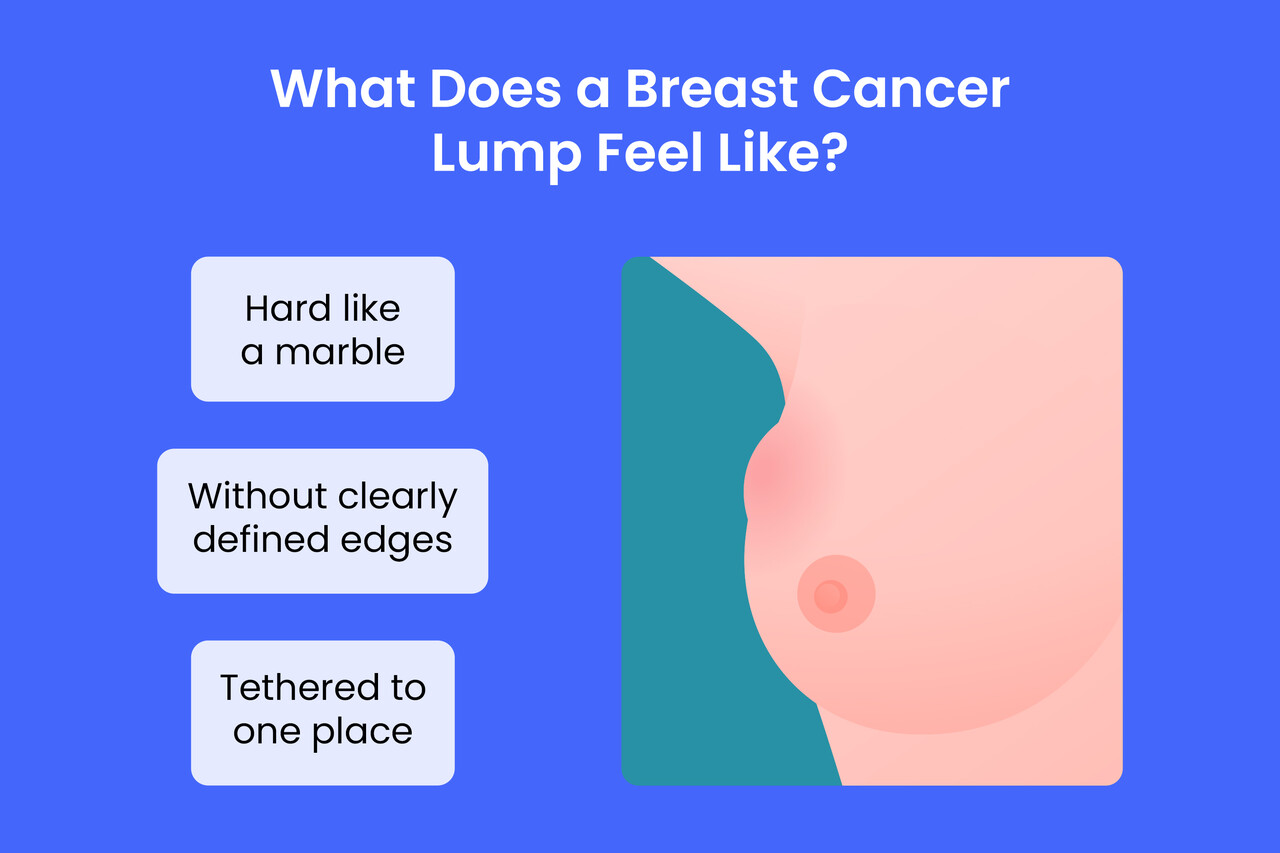
When we think of a breast cancer lump, a common mental image is a hard, round, pea-sized mass. While this can be true, breast cancer lumps are far more diverse in their presentation. The key is to recognize that any new or unusual lump or thickening in the breast or underarm warrants medical attention. The characteristics of a cancerous lump can vary significantly, and it’s the combination of these factors, along with other potential symptoms, that raises concern.
Texture and Consistency: The Feel of Malignancy
One of the most significant indicators of a potentially cancerous lump is its texture and consistency. Unlike benign lumps, which are often smooth, rubbery, and easily movable, cancerous lumps tend to be:
- Hard and Firm: Imagine the consistency of a hard, unripe fruit, or even a small pebble embedded in the breast tissue. They often feel distinctly harder than the surrounding breast tissue.
- Irregularly Shaped: While some cancerous lumps can be round, many are irregularly shaped with distinct edges that are not smooth. Think of a lumpy potato or a gnarled root. These irregular edges can be difficult to define.
- Immobile and Fixed: This is a crucial characteristic. Benign lumps typically move freely under the skin when pressed. Cancerous lumps, however, tend to be attached to the underlying breast tissue or chest wall, making them feel fixed and unmovable. This lack of mobility can be a significant red flag.
It’s important to remember that breast tissue itself can have a naturally uneven or nodular feel, especially in certain phases of the menstrual cycle. This is why understanding your own breasts and what feels “normal” for you is so vital. Regular self-examinations help you become familiar with your breast’s natural texture, making it easier to identify deviations.
Size and Shape: Variability is Key
The size of a cancerous lump can range from very small, almost imperceptible to the touch, to quite large. Size alone is not a definitive indicator of malignancy. A small, hard, irregular lump can be more concerning than a larger, softer one.
The shape of a cancerous lump is often more suggestive than its size. While smooth and round lumps are more commonly associated with benign conditions like cysts, cancerous lumps are frequently characterized by:
- Irregular Borders: As mentioned earlier, these ill-defined edges can be difficult to delineate and feel “spiky” or “stellate” (star-shaped) when felt closely.
- Asymmetry: While not a lump itself, observing a significant asymmetry in the size or shape of your breasts between exams can be a symptom associated with underlying cancer. One breast might appear to be slightly larger or lower than the other due to a mass pushing on the tissue.
Beyond the Lump: Other Warning Signs of Breast Cancer
While a palpable lump is the most common sign of breast cancer, it’s not the only one. It’s essential to be aware of other changes in your breasts and nipples that could indicate a problem. These subtle alterations can sometimes precede or accompany a palpable lump.
Changes in the Skin
The skin on the breast can provide important clues:
- Dimpling or Puckering: This is often described as resembling the texture of an orange peel (peau d’orange). This occurs when a tumor invades the skin, pulling on the ligaments that support the breast.
- Redness or Inflammation: Sometimes, breast cancer can present as inflammation, which can cause the skin to become red, swollen, and warm to the touch. This can mimic an infection like mastitis.
- Skin Thickening: The skin might feel thicker than usual, similar to the texture of the palm of your hand.
Changes in the Nipple
The nipple area is also susceptible to changes:
- Nipple Retraction or Inversion: A nipple that used to point outwards may suddenly become inverted or pulled inwards. This can be due to a tumor growing behind the nipple.
- Nipple Discharge: Any discharge from the nipple, especially if it’s bloody or clear and occurs without squeezing, should be investigated by a doctor. While most nipple discharge is benign, it can sometimes be a sign of breast cancer, particularly if it originates from a single duct.
- Soreness or Itching: Persistent nipple soreness or itching that doesn’t resolve with treatment could also be a cause for concern.
Swelling in the Armpit or Around the Collarbone
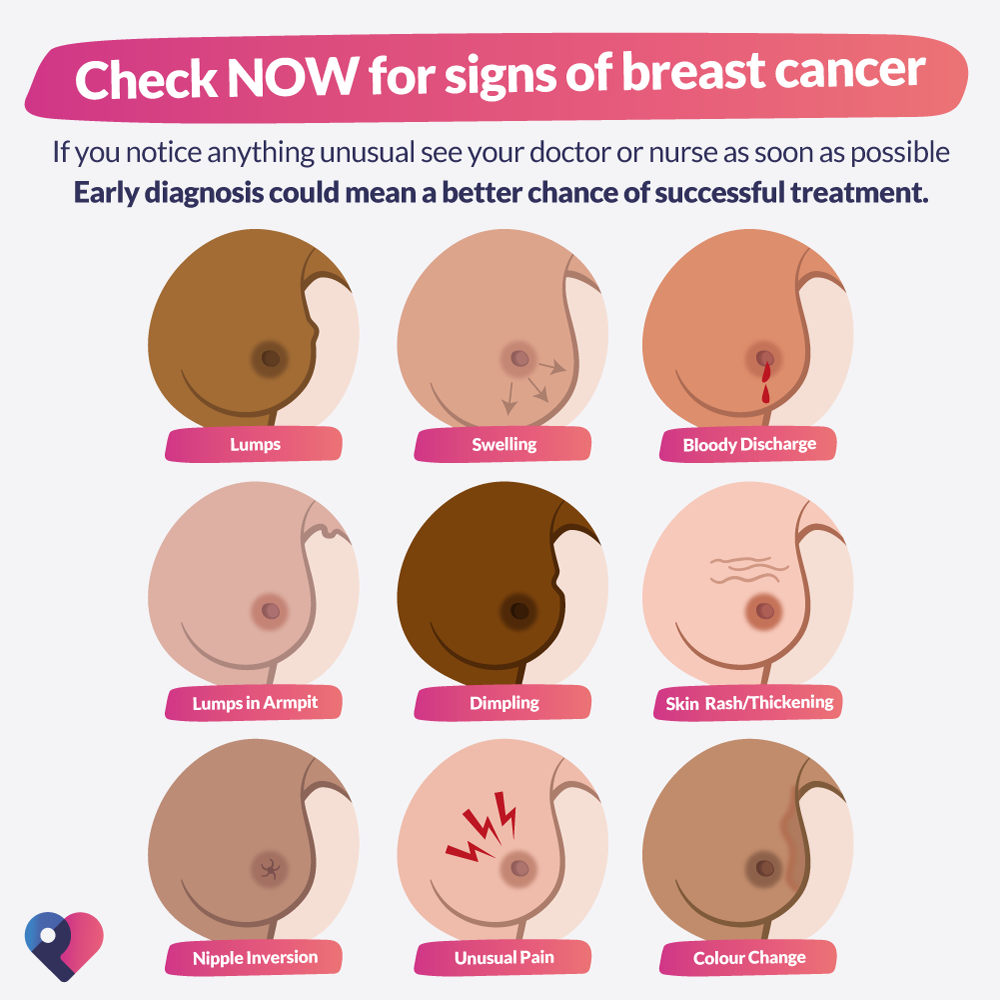
Breast cancer can spread to the lymph nodes in the armpit. This can cause swelling or a lump in the armpit, which might be felt even before a lump is detected in the breast itself. Swelling in the area around the collarbone can also indicate spread.
Empowering Your Breast Health: The Role of Technology and Personal Branding
Understanding what breast cancer lumps can look like is a crucial step in proactive health management. However, this knowledge is amplified when coupled with the right tools and a commitment to your well-being.
Leveraging Technology for Awareness and Detection
The realm of technology offers powerful avenues to enhance breast health awareness and support early detection efforts.
- AI-Powered Diagnostic Tools: While not yet widespread for home use, AI is revolutionizing medical imaging. Algorithms are being developed to analyze mammograms and ultrasounds with greater accuracy, helping radiologists identify suspicious areas that might be missed by the human eye. Imagine future applications where personal health apps, through partnerships with AI diagnostic platforms, could offer preliminary insights or flag potential concerns based on your medical history and imaging results.
- Wearable Technology and Health Trackers: While current wearables don’t directly detect breast cancer lumps, they can play a supporting role in overall health. By tracking vital signs like heart rate, sleep patterns, and activity levels, these devices contribute to a broader understanding of your well-being. Maintaining a healthy lifestyle, which can be influenced by data from wearables, is known to reduce the risk of various cancers. Future advancements might even see wearables capable of detecting subtle physiological changes associated with early disease.
- Digital Health Platforms and Telemedicine: The accessibility of information and healthcare is transforming. Online resources, like reputable health websites and educational videos, provide a wealth of knowledge about breast cancer signs and symptoms. Telemedicine platforms allow for initial consultations with healthcare professionals, who can guide you on when and how to seek further examination. This is particularly valuable for individuals in remote areas or those with mobility challenges.
Building a “Brand” of Proactive Health
In the context of personal well-being, thinking about your “brand” of health involves consciously cultivating habits and a mindset that prioritizes your health. This isn’t about vanity; it’s about creating a consistent and dedicated approach to staying healthy.
- Personal Branding as Self-Advocacy: A strong personal brand of health means actively advocating for yourself. This includes:
- Scheduling and Attending Regular Screenings: Making mammograms, clinical breast exams, and any recommended follow-up tests a non-negotiable part of your routine is a fundamental aspect of this brand.
- Knowing Your Body and Performing Self-Examinations: Regularly checking your breasts for any changes, as outlined in this article, is a cornerstone of self-advocacy.
- Open Communication with Healthcare Providers: Being comfortable discussing any concerns, no matter how small, with your doctor builds a vital partnership.
- The “Marketing” of Prevention: Just as brands market their products, you can “market” the importance of preventative health to yourself and those around you. This involves:
- Educating Yourself: Continuously seeking reliable information about breast health.
- Setting a Positive Example: Inspiring friends and family to prioritize their health.
- Utilizing Resources: Taking advantage of the technology and support systems available.
What to Do If You Find a Lump
The discovery of a lump in your breast can be frightening. However, it’s crucial to remain calm and take immediate, informed action.
Don’t Panic, But Act Promptly
It’s vital to understand that not all breast lumps are cancerous. Many are benign, such as fibroadenomas (solid, non-cancerous tumors) or cysts (fluid-filled sacs). However, only a medical professional can accurately diagnose the cause of a lump.
The most important step is to schedule an appointment with your doctor as soon as possible. Don’t delay, even if the lump feels small or painless.
What to Expect at Your Doctor’s Appointment
Your doctor will likely:
- Ask about your medical history: Including family history of breast cancer and any previous breast issues.
- Perform a physical examination: Carefully examining both breasts and armpits for any abnormalities.
- Discuss your symptoms: Inquiring about any other changes you may have noticed.
Based on this initial assessment, your doctor will determine the next steps, which may include:
- Imaging tests:
- Mammogram: A specialized X-ray of the breast.
- Ultrasound: Uses sound waves to create images of breast tissue, often used to differentiate between solid masses and cysts.
- MRI: Magnetic Resonance Imaging, which may be used in specific situations.
- Biopsy: If imaging tests reveal a suspicious area, a biopsy may be recommended. This involves removing a small sample of tissue to be examined under a microscope by a pathologist. This is the only definitive way to diagnose cancer.
Conclusion: Knowledge is Your Greatest Tool
Understanding what cancer lumps can look like on breasts is more than just recognizing a physical characteristic; it’s about empowering yourself with knowledge. While the visual and tactile signs are important, they are part of a larger picture of breast health awareness. By embracing technology, cultivating a proactive “brand” of personal health, and acting swiftly when concerns arise, you can significantly enhance your ability to detect and manage potential breast health issues. Remember, early detection is key to successful treatment, and your vigilant attention to your body is your most valuable asset in this endeavor.
aViewFromTheCave is a participant in the Amazon Services LLC Associates Program, an affiliate advertising program designed to provide a means for sites to earn advertising fees by advertising and linking to Amazon.com. Amazon, the Amazon logo, AmazonSupply, and the AmazonSupply logo are trademarks of Amazon.com, Inc. or its affiliates. As an Amazon Associate we earn affiliate commissions from qualifying purchases.