
The term “soliloquy” might conjure images of Shakespearean protagonists clutching daggers or musing about the nature of existence under moonlight. While theatre is indeed its native habitat, the underlying concept of a soliloquy – a direct, unfiltered revelation of a character’s innermost thoughts and feelings – has surprisingly potent parallels and applications within the realms of technology, branding, and even finance. Understanding what a soliloquy is, at its core, can illuminate how we construct narratives, understand motivations, and ultimately, connect with audiences, whether on a stage, in a digital campaign, or through financial reporting.
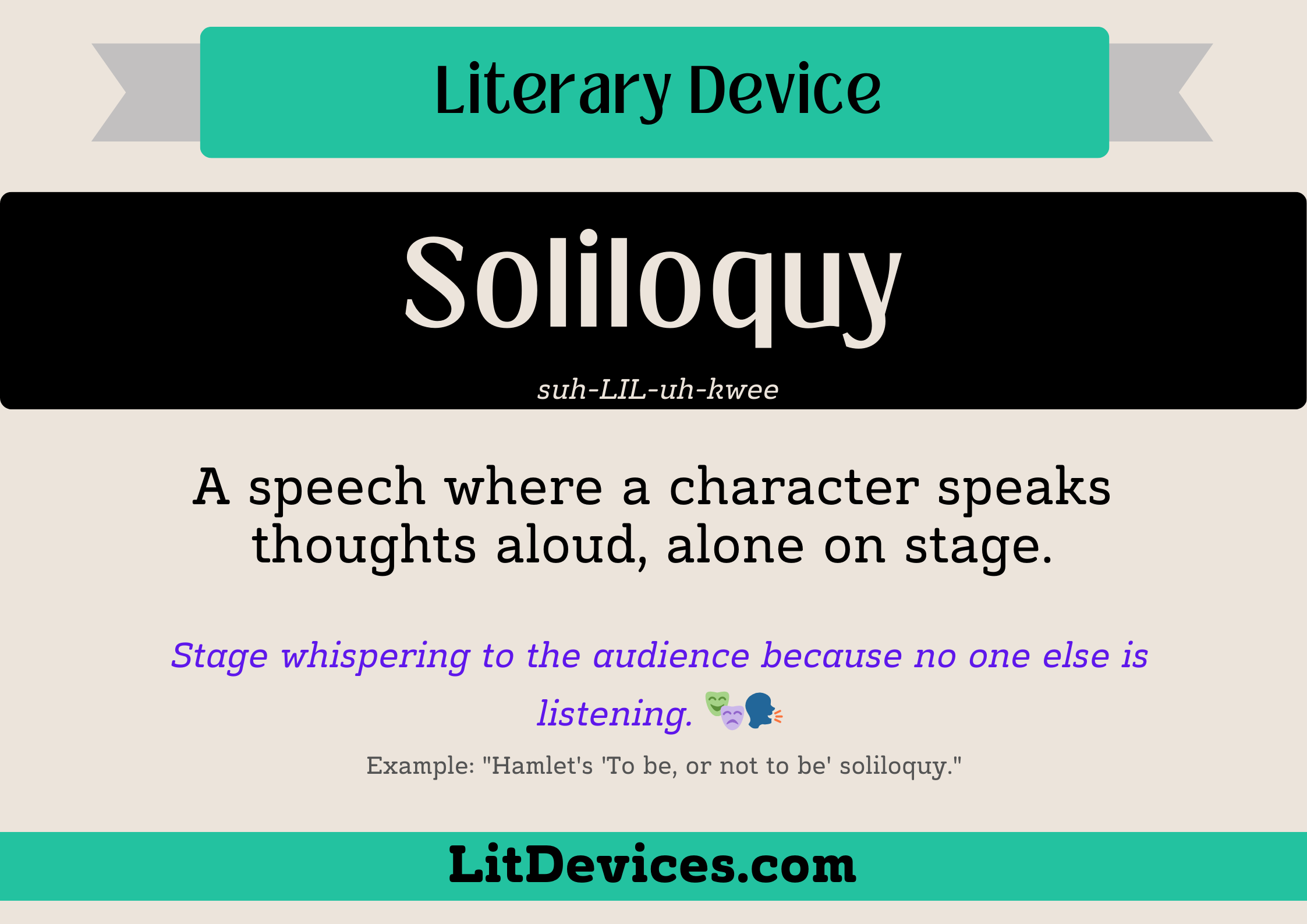
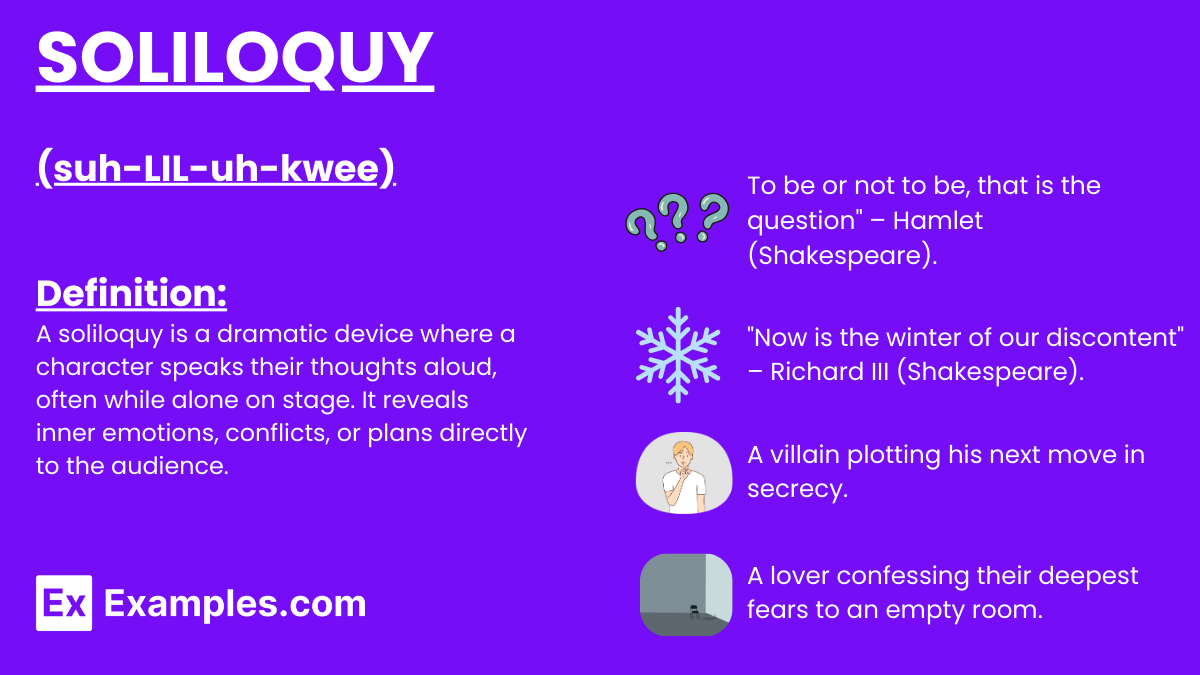
At its most fundamental, a soliloquy is a dramatic device where a character speaks their thoughts aloud, usually when alone on stage. The audience is privy to this internal monologue, gaining a unique insight into the character’s true desires, fears, motivations, and plans that they might not express to other characters. It’s a window into the untamed landscape of the mind, a departure from the carefully curated dialogue characters engage in when interacting with each other.
The Soliloquy: A Window into the Unseen
The power of the soliloquy lies in its ability to transcend the surface level of plot and action. It allows playwrights to:
- Reveal Hidden Motivations: Why does Hamlet hesitate? What drives Lady Macbeth’s ambition? Soliloquies provide the answers, unmasking the psychological underpinnings of a character’s actions.
- Explore Complex Emotions: Characters often grapple with internal conflict, doubt, joy, or despair that they cannot articulate to others. Soliloquies offer a safe space for these raw emotions to surface.
- Foreshadow Events: A character’s soliloquy can hint at future plot developments, creating dramatic irony as the audience knows more than the other characters on stage.
- Develop Character Depth: By exposing a character’s internal world, soliloquies contribute significantly to their complexity and relatability, making them feel more like real, multifaceted individuals.
- Provide Exposition (Artfully): While exposition dumps can be clunky, soliloquies can deliver necessary background information in a more organic and engaging way, as the character reflects on past events or their current predicament.
Think of a soliloquy as the ultimate form of transparency for a character. It’s the opposite of a public relations statement – it’s a private confession, a raw outpouring of truth. This authenticity is what makes soliloquies so compelling in drama, and it’s a quality that resonates deeply when we examine its echoes in other fields.
The Mechanics of a Soliloquy: Alone, but Heard
The key elements of a soliloquy are:
- Solitude: The character is typically alone on stage, ensuring their thoughts are private. If other characters are present, they are usually unaware of the speaker’s monologue (a dramatic convention).
- Direct Address to the Audience (Implied): While not always explicitly stated, the soliloquy is an indirect address to the audience, inviting them into the character’s consciousness.
- Unfiltered Thoughts: The language is often more informal, emotional, and unpolished than spoken dialogue, reflecting the spontaneous nature of thought.
- Purposeful Revelation: Despite its spontaneity, the soliloquy serves a dramatic purpose, advancing the plot, revealing character, or setting a mood.
The absence of external validation or social filters means the thoughts expressed in a soliloquy are often more honest, and sometimes more troubling, than anything a character might say to another. This vulnerability is a powerful tool for audience connection.
Soliloquies in the Digital Age: Transparency in Tech
While the term “soliloquy” is firmly rooted in theatre, its essence – the direct, unfiltered expression of inner workings – finds fascinating parallels in the world of technology. Consider the increasingly transparent communication strategies employed by tech companies, the way AI tools articulate their reasoning, or the personal branding efforts of tech innovators.
H2: AI as the Modern Soliloquist: Articulating the Algorithmic Mind
Artificial Intelligence, particularly in its advanced forms, is arguably becoming the most prominent contemporary manifestation of the soliloquy. When an AI tool explains its decision-making process, generates creative content based on its learned patterns, or even apologizes for errors, it is, in a metaphorical sense, engaging in a form of “algorithmic soliloquy.”
- Explainable AI (XAI): The drive for XAI is essentially an attempt to create AI systems that can articulate their “thoughts.” When an AI explains why it made a particular recommendation or classification, it’s revealing its internal logic, akin to a character explaining their reasoning in a soliloquy. This transparency is crucial for building trust and understanding in AI applications, especially in sensitive fields like healthcare or finance.
- Generative AI and Content Creation: Tools like large language models (LLMs) and image generators, when prompted, produce outputs that are essentially the AI “thinking aloud.” While not inherently emotional, their responses are a direct result of their internal processing of vast datasets. The prompt acts as the catalyst, and the generated content is the “soliloquy” of the AI’s learned understanding and creative synthesis.
- Debugging and Error Reporting: When an AI system flags an error or provides diagnostic information, it’s communicating its internal state. This “confession” of a malfunction is a vital soliloquy for developers and users alike, offering insight into what went wrong and how to fix it. This is akin to a character realizing their mistake and vocalizing their regret or confusion.
The “language” of these AI soliloquies is different – it’s code, data, and probabilities. However, the underlying function is the same: to provide an internal perspective, to reveal the mechanisms at play, and to foster understanding between the creator/user and the intelligent system. The more sophisticated AI becomes, the more we will rely on these “soliloquies” to comprehend its capabilities and limitations.
H3: Software and App Design: User Interface as Unspoken Soliloquy
Even in the design of software and applications, the concept of a soliloquy can be observed. A well-designed user interface (UI) acts as an intuitive guide, implicitly communicating the purpose and functionality of various elements. While not spoken, the visual cues and layout are a form of “silent soliloquy” from the designer to the user.
- Intuitive Navigation: When a user instinctively knows how to find a feature or complete a task without explicit instructions, the UI has effectively delivered a clear, silent soliloquy about its structure. The arrangement of buttons, the visual hierarchy, and the consistent design language all speak volumes about the intended user experience.
- Feedback Mechanisms: Error messages, loading indicators, and success confirmations are all micro-soliloquies from the software, informing the user about the system’s internal status. A clear, concise error message, for example, is a brief but crucial soliloquy explaining what went wrong and what the user might do about it.
- Onboarding Processes: The initial walkthroughs and tutorials within an app are designed to guide new users. These are, in essence, extended soliloquies from the app, revealing its core features and how to interact with them.
The goal of a good UI is to make these silent soliloquies so natural that they are almost invisible, yet profoundly effective in guiding the user’s journey.
Branding as a Strategic Soliloquy: Crafting Identity and Connection

Branding, at its heart, is about crafting a compelling narrative and an authentic identity that resonates with an audience. While a brand doesn’t have a literal mind, its communication strategies and public persona can be viewed as a series of carefully orchestrated “soliloquies” aimed at revealing its essence.
H2: The Brand’s Inner Monologue: Marketing and Messaging as Conscious Revelation
Every marketing campaign, every piece of content, and every brand interaction is an opportunity for a brand to speak its truth to the world. This isn’t about deception, but about strategic self-disclosure.
- Mission and Values Statements: These are explicit soliloquies from a company, articulating its core beliefs and purpose. They are intended to reveal the brand’s “soul” and attract customers who align with those values.
- Storytelling in Marketing: Brands that effectively tell stories – about their origins, their impact, or their customers – are essentially sharing their internal narrative. This narrative is a carefully constructed soliloquy, designed to evoke emotion and build connection.
- Responding to Crises: A brand’s response to a public relations crisis is a critical soliloquy. It reveals how the company thinks, what it prioritizes, and whether it can acknowledge mistakes. A transparent and empathetic response can be more effective than trying to conceal the issue.
- Personal Branding: For individuals, personal branding is the ultimate soliloquy. Through social media, websites, and public appearances, individuals reveal their expertise, their personality, and their aspirations. This is a conscious effort to showcase their inner self to the world, attracting opportunities and building a reputation.
The effectiveness of a brand’s soliloquy depends on its authenticity and consistency. A disconnect between what a brand says and what it does will quickly erode trust, much like a character’s hypocrisy would be exposed on stage.
H3: Design and Visual Identity: The Silent Language of Branding
Just as a character’s non-verbal cues can reveal their inner state, a brand’s visual identity speaks volumes without uttering a word.
- Logo and Color Palette: A well-designed logo and a consistent color scheme are silent soliloquies about a brand’s personality. A bold, vibrant palette might convey energy and innovation, while a more muted, classic palette might suggest tradition and reliability.
- Website Design and User Experience: As discussed in the tech section, a website’s design is a crucial soliloquy from the brand. It communicates professionalism, usability, and the overall ethos of the company.
- Product Packaging: The design of product packaging is a direct, tangible soliloquy. It aims to attract attention, convey quality, and communicate key brand attributes.
These visual soliloquies are often the first point of contact a consumer has with a brand, and they must be carefully crafted to convey the desired message.
Financial Soliloquies: Unveiling Fiscal Realities
Even in the seemingly objective world of finance, the concept of revealing inner workings and motivations plays a significant role. Financial reporting, investment strategies, and even personal financial planning can be viewed through the lens of soliloquy.
H2: The Company’s Financial Soliloquy: Transparency in Business Finance
For businesses, financial reports are their most crucial soliloquies. These documents are not just dry numbers; they are the company’s spoken (or written) reflections on its financial health, its performance, and its future prospects.
- Quarterly and Annual Reports: These reports are designed to be a comprehensive soliloquy from a company to its investors, stakeholders, and the public. They detail revenue, expenses, profits, and debts, offering a transparent look at the company’s financial performance and strategic direction.
- Investor Presentations: When companies present their financial results to investors, they are engaging in a more direct, verbal soliloquy. They explain their performance, address concerns, and outline their future plans, revealing their internal financial thinking.
- Auditor’s Reports: An auditor’s report, while often technical, is a soliloquy of validation. It confirms the accuracy and fairness of the company’s financial statements, offering a level of trustworthiness that reassures stakeholders.
The clarity and honesty of these financial soliloquies are paramount. Misleading financial reporting, much like a character deliberately lying in a soliloquy, can have devastating consequences for a company’s reputation and its financial viability.
H3: Personal Finance and Investment: The Individual’s Fiscal Introspection
On a personal level, understanding one’s own financial situation is a form of introspection that mirrors a soliloquy.
- Budgeting and Financial Planning: Creating a budget is the act of a person speaking their financial reality aloud – identifying income, expenses, and savings goals. This self-assessment is a soliloquy about one’s personal fiscal habits and aspirations.
- Investment Rationale: When an investor explains why they chose a particular stock or asset, they are offering a soliloquy of their investment strategy, risk tolerance, and market analysis. This helps others understand their approach and potentially learn from it.
- Side Hustle Motivations: The decision to pursue a side hustle often stems from deep-seated personal motivations – a desire for extra income, a passion project, or skill development. Articulating these reasons, whether to oneself or others, is a soliloquy about personal ambition and financial drive.
In all these financial contexts, the “soliloquy” serves to bring clarity, build trust, and foster understanding, whether it’s between a company and its investors or an individual and their financial goals.
Conclusion: The Enduring Power of Revelation
From the grand stages of Elizabethan theatre to the intricate code of AI, the persuasive prose of marketing campaigns, and the sober realities of financial statements, the concept of the soliloquy – the act of revealing inner thoughts and motivations – remains a powerful and ubiquitous force. It is the engine of empathy in drama, the cornerstone of trust in technology, the soul of authentic branding, and the bedrock of informed decision-making in finance.
Understanding what a soliloquy is, and recognizing its echoes in diverse fields, allows us to better appreciate the narratives we consume, the technologies we interact with, the brands we choose to support, and the financial decisions we make. It’s a reminder that true connection and understanding often stem from a willingness to expose what lies beneath the surface, to speak one’s truth, and to allow others a glimpse into the unseen world of thought and intention. Whether it’s a dramatic character pondering their fate or an AI explaining its output, the soliloquy, in its many forms, continues to illuminate the human (and increasingly, artificial) experience.
aViewFromTheCave is a participant in the Amazon Services LLC Associates Program, an affiliate advertising program designed to provide a means for sites to earn advertising fees by advertising and linking to Amazon.com. Amazon, the Amazon logo, AmazonSupply, and the AmazonSupply logo are trademarks of Amazon.com, Inc. or its affiliates. As an Amazon Associate we earn affiliate commissions from qualifying purchases.