
When we examine historical figures through the lens of modern brand strategy, few examples are as potent or enduring as Harriet Tubman. While history books rightly focus on her courage as an abolitionist, a closer look at her activities during the American Civil War reveals a masterclass in personal branding, strategic positioning, and narrative control. Tubman didn’t just survive; she built a reputation—a “brand”—so reliable that it moved generals, influenced government policy, and liberated hundreds.
In the world of brand strategy, a brand is a promise kept. During the Civil War, Harriet Tubman’s brand was synonymous with tactical excellence, absolute reliability, and a mission-driven focus that transcended her personal safety. By analyzing her actions from 1861 to 1865, we can extract vital lessons for modern corporate identity and personal branding.
Defining the Core Value Proposition: The “Moses” Archetype
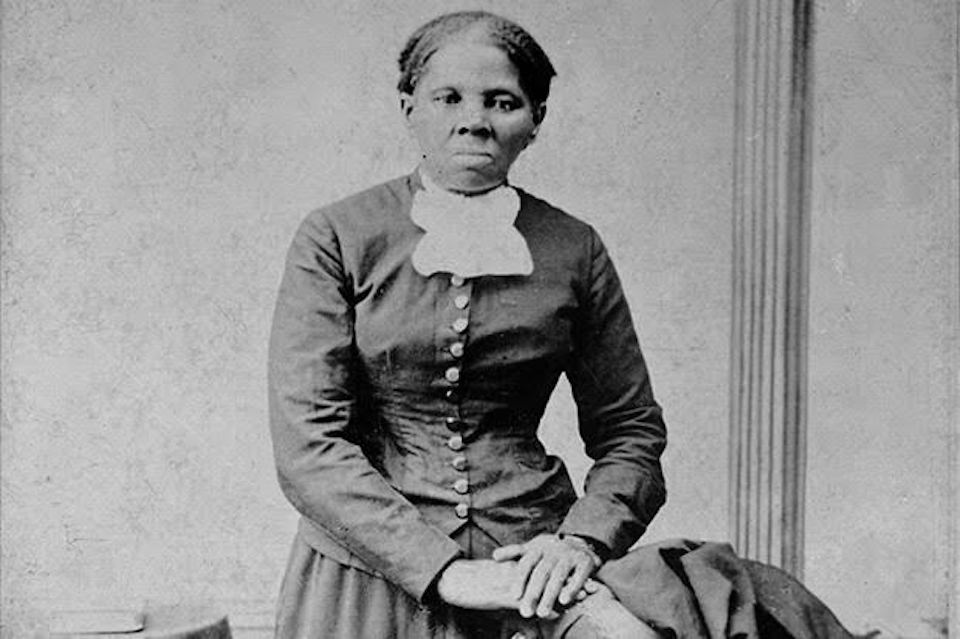
Every successful brand begins with a clear identity. Before the Civil War even began, Tubman had already established a “brand archetype” that resonated across the North and struck fear into the South. Known as “Moses,” her personal brand was built on the foundation of a singular, unwavering value proposition: freedom at any cost.
Consistency in the Mission
A brand’s strength is measured by its consistency. Tubman’s “market presence” was defined by her repeated, successful trips into the South. In the context of branding, this is known as “service delivery.” She never lost a “passenger,” a statistic that became the cornerstone of her reputation. When the Civil War broke out, this established track record allowed her to pivot her brand from a clandestine operative to a military strategist with immediate credibility.
For modern brands, consistency is the difference between a fad and a legacy. Tubman understood that her name had to mean the same thing in a swamp in Maryland as it did in a parlor in Boston. This consistency allowed her to secure funding and support from the “Secret Six” and other high-level stakeholders.
Reputation as Currency
In brand strategy, your reputation is your most valuable asset. Tubman’s reputation preceded her into the Union camps in South Carolina. She arrived not as an unknown refugee, but as a specialized consultant. This is a critical lesson in personal branding: your “brand equity”—the value derived from the public perception of your name—can open doors that formal education or social status cannot. Tubman used her brand equity to bypass the traditional hierarchies of the Union Army, eventually working directly with Secretary of War Edwin Stanton.
Strategic Intel and Market Positioning: Tubman’s Role in the Civil War
Brand strategy is not just about aesthetics; it is about intelligence and positioning. During the Civil War, Tubman served as a scout and spy, roles that required a deep understanding of what we now call “market research” and “environmental analysis.”
Deep Research and Environmental Analysis
To lead successful raids, Tubman had to understand the “competitive landscape.” She spent months in the Sea Islands of South Carolina, embedding herself in the local community to gather intelligence on Confederate troop movements, supply lines, and hidden mines (torpedoes) in the rivers.
In business, this equates to the “Discovery Phase” of a brand strategy. You cannot launch a successful campaign without understanding the hidden obstacles in the market. Tubman’s ability to map the Combahee River—a feat the Union Navy had struggled with—was the result of meticulous data collection. She understood that information is the most powerful tool in any strategic arsenal.
Developing an Internal Communications Network
One of the most impressive aspects of Tubman’s Civil War career was her ability to build an intelligence funnel. She recruited a network of local scouts who provided real-time data. This is the equivalent of a modern brand building a community of “brand advocates” or “ambassadors” who provide feedback and ground-level insights.
Tubman’s network was her “proprietary technology.” By controlling the flow of information, she made herself indispensable to the Union leadership. This taught us that a brand’s value is often tied to its unique access—whether that is access to information, a specific audience, or a specialized skill set.
The Combahee River Raid: A Case Study in Flawless Brand Execution
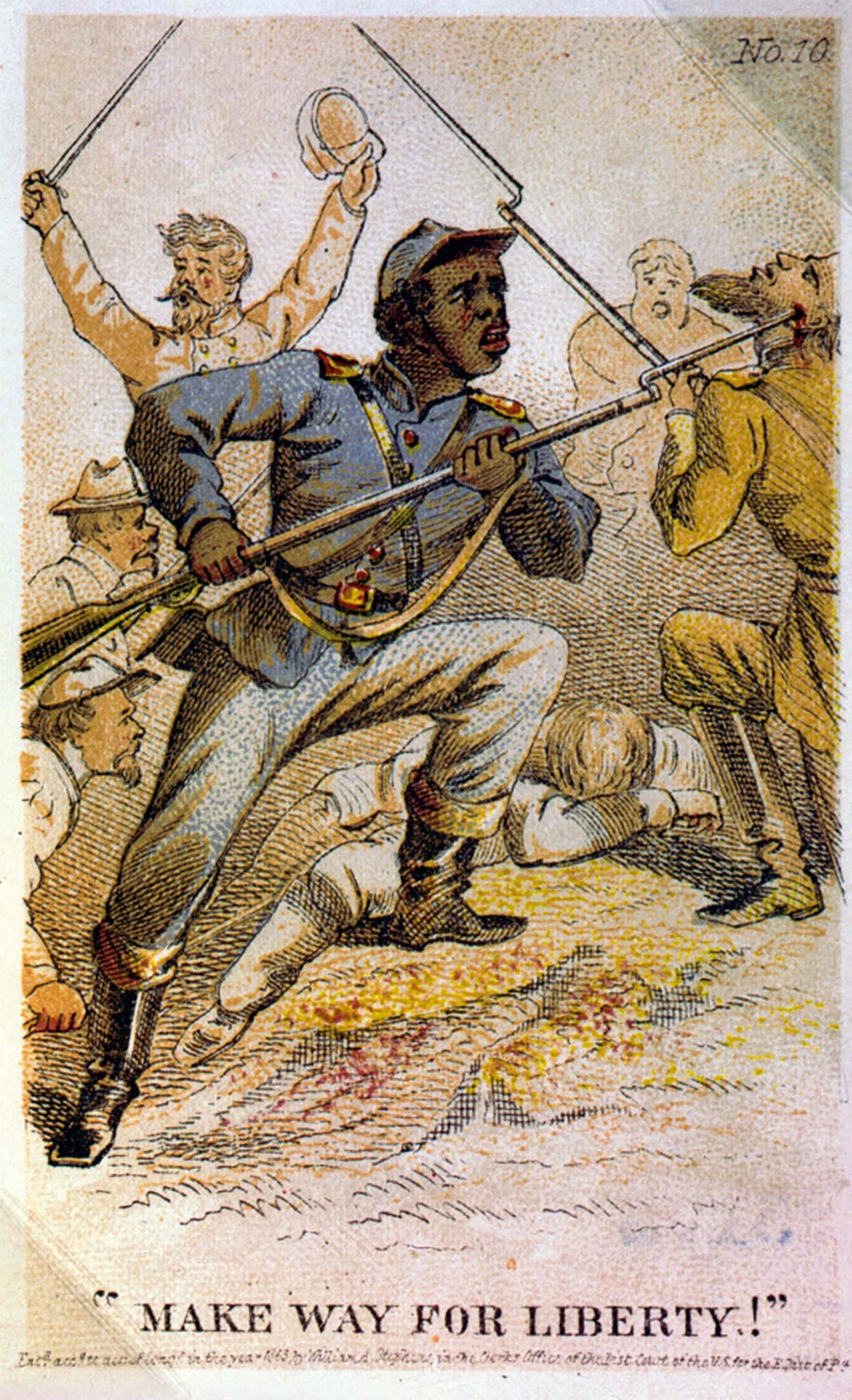
The pinnacle of Tubman’s Civil War career was the Combahee River Raid in June 1863. This event serves as a perfect case study for a “brand launch” or a “flagship project” that defines a career.
Leading from the Front
Tubman became the first woman to lead an armed assault during the Civil War. In branding terms, this was a “category-defying” move. She disrupted the existing military paradigm, proving that her brand was not limited by the societal constraints of the time. Leading from the front is a hallmark of “Authentic Branding.” When a brand’s leadership is visible and active in the mission, it builds a level of trust and loyalty that passive branding can never achieve.
Impact-Driven Results
The raid resulted in the liberation of over 700 enslaved people and the destruction of millions of dollars worth of Confederate supplies. From a brand strategy perspective, these are “Key Performance Indicators” (KPIs). Tubman didn’t just talk about her mission; she delivered measurable results.
A brand that delivers high-impact results becomes a “category leader.” Following the Combahee River Raid, the Harriet Tubman brand was no longer just about the Underground Railroad; it was about military prowess and large-scale liberation. This successful “brand extension” allowed her to command even greater respect and resources for her future endeavors.
Post-War Advocacy and Reputation Management
Even after the war ended, Tubman continued to manage her brand and legacy, though she faced significant challenges that provide a sobering look at “Reputation Management.”
Leveraging the Narrative for Social Change
Despite her heroic service, the U.S. government was slow to provide Tubman with a veteran’s pension. She responded by leveraging her brand narrative. She collaborated with biographers like Sarah Bradford to tell her story, effectively using “Content Marketing” to keep her cause in the public eye. She understood that if she didn’t control her own story, the public (and the government) would eventually forget her contributions.
For modern organizations, this highlights the importance of “brand storytelling.” Your history is not just a list of dates; it is a narrative that can be used to influence stakeholders and secure your future. Tubman’s story was her shield and her sword in the fight for the compensation she earned.
The Fight for Professional Recognition
Tubman’s battle for her pension lasted decades. This reflects a common issue in brand strategy: “Perceived Value vs. Actual Value.” While her actual value to the Union was immeasurable, her perceived value was hindered by systemic racism and sexism.
She countered this by aligning her brand with other powerful “partner brands,” such as the Women’s Suffrage movement. By associating herself with figures like Susan B. Anthony and Elizabeth Cady Stanton, she expanded her brand’s reach and reinforced her position as a champion of universal human rights. Strategic partnerships are a vital component of long-term brand sustainability.
Modern Branding Lessons from Tubman’s Strategic Operations
As we synthesize Harriet Tubman’s Civil War actions through the lens of brand strategy, several universal principles emerge that are applicable to any modern business or personal brand.
Authenticity Over Aesthetics
In an era where branding is often equated with logos and color palettes, Tubman reminds us that the core of a brand is character. Her “brand” was built on the reality of her actions. Authenticity is the most sought-after trait in modern marketing, and Tubman’s life is the ultimate example of a brand that lived its values every single day.
The Power of a Shared Vision
Tubman’s brand was successful because it invited others into a shared vision. Whether it was the soldiers on the Combahee River or the donors in the North, people weren’t just following a person; they were following a mission. A great brand strategy creates a movement. It identifies a “common enemy” (in her case, the institution of slavery) and proposes a “heroic solution” (liberation).
Responding to Market Shifts
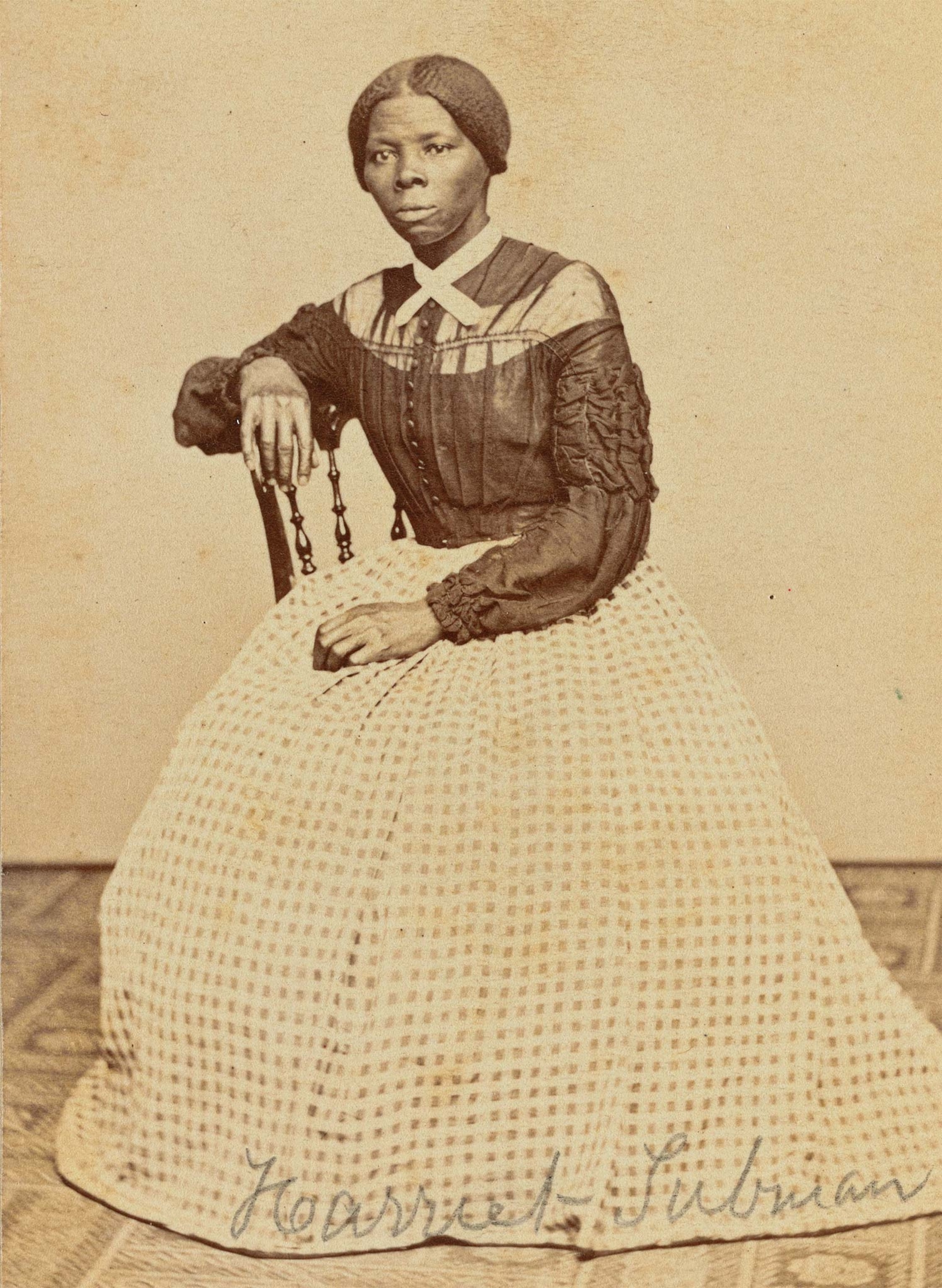
Tubman’s pivot from a secret conductor to a public military scout shows the importance of “brand agility.” When the “market” (the geopolitical landscape of America) changed, she adapted her skills to meet the new demand. She didn’t stick to one method of operation; she evolved while keeping her core identity intact. This ability to pivot is what allows brands to survive across different eras and economic climates.
In conclusion, Harriet Tubman’s work during the Civil War was not just a series of heroic acts; it was a sophisticated, multi-layered strategic operation that cemented her place as one of the most powerful “brands” in American history. By defining her archetype, conducting deep market research, executing high-impact “campaigns,” and managing her long-term reputation, she created a legacy that remains as influential today as it was in 1863. For any brand strategist or leader, the “Moses” of the Civil War offers a blueprint for how to build a brand that is truly indestructible.
aViewFromTheCave is a participant in the Amazon Services LLC Associates Program, an affiliate advertising program designed to provide a means for sites to earn advertising fees by advertising and linking to Amazon.com. Amazon, the Amazon logo, AmazonSupply, and the AmazonSupply logo are trademarks of Amazon.com, Inc. or its affiliates. As an Amazon Associate we earn affiliate commissions from qualifying purchases.