
The simple act of walking, a fundamental human movement, is underpinned by a fascinating interplay of biomechanics, physiology, and even individual psychology. While we often perform it unconsciously, our stride length – the distance covered by a single step – is a crucial indicator of our movement efficiency, health, and even our connection to the technological world that increasingly monitors our every move. From the casual stroll in the park to the rigorous training of an athlete, understanding what constitutes a “normal” stride length and the factors that influence it can offer valuable insights. This exploration delves into this seemingly basic metric, examining its biological basis, its impact on our health and performance, and how technology is now playing a significant role in its measurement and interpretation.

Understanding the Mechanics of a Stride
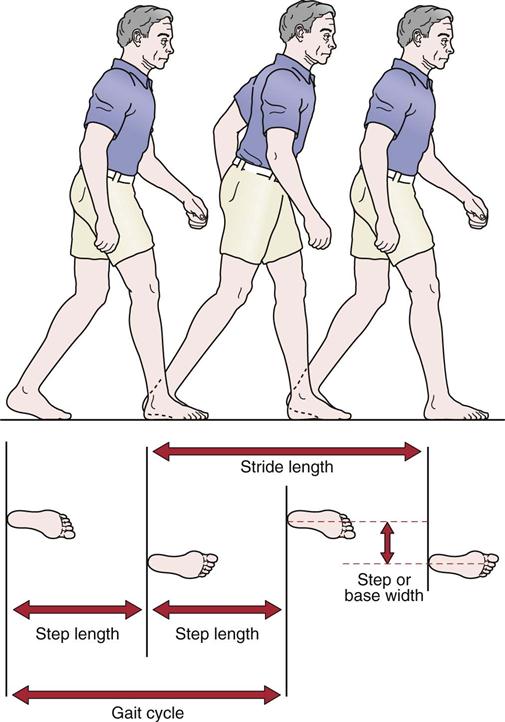
At its core, a stride is the full cycle of movement during locomotion, from the moment one foot strikes the ground to the moment that same foot strikes the ground again. This encompasses the gait cycle, which includes the stance phase (when the foot is on the ground) and the swing phase (when the foot is in the air). Stride length is distinct from step length, which is the distance between the heel strike of one foot and the heel strike of the opposite foot. A stride is effectively two steps.
The length of our stride is determined by a complex series of coordinated movements involving our leg joints, muscles, and balance mechanisms. When we walk, our body naturally seeks an efficient way to propel itself forward. This involves extending the hip, knee, and ankle as we push off from the ground, and then swinging the leg forward with momentum generated by the torso and arms. The interplay between these movements, along with factors like ground contact time and the amount of vertical oscillation our body undergoes, all contribute to the overall stride length.
Factors Influencing Stride Length
It’s crucial to understand that there isn’t a single, universally “normal” stride length. This measurement is highly individual and influenced by a multitude of factors.
Biomechanical and Physiological Determinants
- Height: This is perhaps the most obvious factor. Taller individuals generally have longer legs, which naturally leads to a longer stride length. The ratio of leg length to torso length also plays a role.
- Age: As we age, our stride length can decrease. This is often due to a natural loss of muscle mass and flexibility, reduced bone density, and potential joint stiffness. Children, with their developing bodies, also have shorter strides that lengthen as they grow.
- Sex: On average, men tend to have slightly longer strides than women, primarily due to differences in average height and leg length.
- Fitness Level and Muscle Strength: A stronger, more conditioned individual can generate more force and leverage, allowing for a longer and more powerful stride. This is particularly evident in athletes.
- Flexibility and Range of Motion: Good flexibility in the hips, hamstrings, and calves allows for a greater extension of the leg during the push-off and a more efficient swing phase, contributing to a longer stride.
- Joint Health: Conditions like arthritis or injuries can significantly impact gait and reduce stride length due to pain and restricted movement.
- Body Weight: Carrying excess weight can necessitate a shorter, more cautious stride for stability and to reduce stress on joints.
Neuromuscular and Balance Control
- Proprioception: This is your body’s awareness of its position in space. Good proprioception allows for better coordination and balance, which in turn supports a more efficient and potentially longer stride.
- Balance: Individuals with poorer balance may adopt a shorter, wider stance and a more cautious gait to maintain stability, resulting in a shorter stride length.
Environmental and External Influences
- Terrain: Walking on uneven surfaces, inclines, or declines will naturally alter stride length. We shorten our strides on rough terrain for safety and lengthen them when going downhill.
- Footwear: The type of shoes worn can influence stride length. Highly cushioned shoes might encourage a slightly longer stride, while minimalist footwear might encourage a shorter, more natural gait.
- Carrying Loads: Carrying heavy objects can force individuals to shorten their stride for stability and to conserve energy.
The Significance of Stride Length in Health and Performance
Beyond being a simple measurement, stride length is a valuable indicator with implications for our overall well-being and athletic capabilities.
Health Implications of Stride Length
A shorter-than-expected stride length, especially when not attributed to age or height, can be an early indicator of potential health issues.

- Increased Risk of Falls: A shortened stride often correlates with reduced balance and stability, increasing the likelihood of falls, particularly among older adults.
- Musculoskeletal Strain: When stride length is suboptimal, other parts of the body may compensate, leading to increased strain on the knees, hips, and lower back.
- Gait Abnormalities: A significant deviation from an individual’s usual stride length can sometimes signal underlying neurological conditions affecting motor control, such as Parkinson’s disease, or even cardiovascular issues that impact blood flow to the legs.
- Reduced Oxygen Efficiency: An inefficient stride can mean your body is working harder to achieve the same distance, leading to quicker fatigue and reduced aerobic capacity.
Performance Enhancement and Stride Length
For athletes and active individuals, optimizing stride length is often a key component of performance enhancement.
- Running and Sprinting: In sports like running and sprinting, a longer stride generally translates to greater speed, assuming it’s coupled with sufficient power and efficiency. However, there’s an optimal stride length for each individual; overstriding can be detrimental, leading to increased braking forces and a higher risk of injury.
- Endurance: For endurance activities, a stride length that balances efficiency with energy expenditure is crucial. A stride that is too long can be energetically costly over long distances.
- Biomechanics and Injury Prevention: Understanding one’s natural stride length and any deviations can help in identifying potential biomechanical inefficiencies that might lead to injuries. Coaching and training often focus on improving gait mechanics to achieve a more optimal stride.
Technology’s Role in Measuring and Understanding Stride Length
In an era dominated by data and digital tracking, technology has revolutionized how we measure and interpret our stride length. From wearable devices to sophisticated analytical software, these tools provide unprecedented insights into our movement patterns.
Wearable Technology and Fitness Trackers
The ubiquity of smartphones and smartwatches has made stride length measurement accessible to almost everyone.
- Activity Trackers: Most fitness trackers and smartwatches utilize accelerometers and gyroscopes to detect movement patterns. By analyzing the frequency and amplitude of these movements, they can estimate step count and, consequently, stride length. Algorithms are employed to differentiate between walking, running, and other activities.
- GPS Integration: When combined with GPS, wearable devices can provide more accurate distance measurements, which, when divided by step count, yield a more precise stride length. This is particularly useful for outdoor activities.
- Stride Rate (Cadence): Many devices also track stride rate (steps per minute), which, when combined with stride length, gives a complete picture of gait dynamics and walking/running speed.
Advanced Gait Analysis Systems
For more precise and in-depth analysis, particularly in clinical or athletic settings, advanced gait analysis systems are employed.
- Motion Capture Technology: High-speed cameras and reflective markers placed on the body allow for detailed 3D tracking of joint movements, limb trajectories, and ground reaction forces. This provides a highly accurate measurement of stride length and many other kinematic parameters.
- Force Plates: These specialized platforms measure the forces exerted by the feet on the ground during each step, providing crucial data about impact forces, push-off power, and weight distribution, all of which influence stride length.
- Inertial Measurement Units (IMUs): These are sophisticated sensors that can be attached to different parts of the body to capture acceleration and angular velocity data. They offer a more portable and less intrusive alternative to optical motion capture for gait analysis.
- AI-Powered Analysis: Emerging AI tools are being developed to analyze vast amounts of gait data, identifying subtle patterns and anomalies that might be missed by human observation. These tools can help in predicting injury risk, optimizing training programs, and diagnosing certain conditions.
The Application of Data in Personal Branding and Productivity
While the immediate applications of stride length data often revolve around health and fitness, the insights gleaned can also indirectly benefit personal branding and productivity.
- Demonstrating Health and Vitality: For individuals focused on personal branding, especially in fields where image and well-being are paramount, maintaining good physical health, reflected in an efficient gait and potentially a healthy stride length, can be a subtle yet important aspect of their public persona. This can be supported by data from fitness trackers, showcasing a commitment to an active lifestyle.
- Optimizing Daily Routines for Productivity: Understanding how long it takes to walk a certain distance, or how much energy is expended, can inform daily planning. For instance, an efficient stride might allow for quicker commutes or more energetic movement throughout the workday, contributing to overall productivity. If stride length is consistently poor due to an underlying issue, addressing it could lead to more sustained energy levels.
- Technological Adoption as a Brand Signal: The very act of using and understanding data from advanced fitness trackers or gait analysis tools can position an individual as tech-savvy and forward-thinking. This can be a valuable component of a personal brand in certain professional circles.
Conclusion: Embracing a Holistic View of Stride Length
The question of “what is normal stride length” is far more nuanced than a simple numerical answer. It is a dynamic metric, deeply personal, and influenced by a complex interplay of biological, environmental, and even technological factors. While a general range exists, true normalcy lies in an individual’s unique gait pattern and its efficiency for their body and lifestyle.
By understanding the biomechanics of our stride, recognizing the factors that influence it, and appreciating its significance for our health and performance, we can move through the world with greater awareness and intention. The advent of advanced technology has empowered us with tools to measure, analyze, and optimize our stride like never before, offering opportunities not only for physical well-being but also for subtle enhancements in personal branding and daily productivity. Ultimately, our stride is a fundamental expression of our physical presence, and by paying attention to it, we can unlock a deeper understanding of ourselves and our interaction with the world around us.
aViewFromTheCave is a participant in the Amazon Services LLC Associates Program, an affiliate advertising program designed to provide a means for sites to earn advertising fees by advertising and linking to Amazon.com. Amazon, the Amazon logo, AmazonSupply, and the AmazonSupply logo are trademarks of Amazon.com, Inc. or its affiliates. As an Amazon Associate we earn affiliate commissions from qualifying purchases.