
The image of a banana we conjure today – smooth, yellow, uniformly curved, and seedless – is a far cry from its ancient ancestors. When we delve into the history of this ubiquitous fruit, we uncover a fascinating story of domestication, selective breeding, and, surprisingly, a significant dose of evolution driven by human intervention. The question of “what did bananas originally look like?” opens a portal to a world where bananas were wild, challenging, and perhaps even a little intimidating to the uninitiated.
This journey into the past of the banana intersects with several compelling themes relevant to the website’s core topics. Our exploration will touch upon the ingenuity of Tech in understanding plant genetics and evolution, the Brand building associated with the modern banana’s ubiquity and marketing, and the Money involved in its global cultivation and trade.

The Wild Ancestors: A Far Cry from Your Fruit Bowl
Before the cultivated banana we know and love, its wild ancestors presented a starkly different picture. Imagine a fruit that was tough, seedy, and far less appealing to the casual consumer. This is the reality of the original bananas, primarily originating from the regions of Southeast Asia and the Western Pacific. The two main wild species that laid the foundation for modern bananas are Musa acuminata and Musa balbisiana.
Musa acuminata: The Foundation of Sweetness
Musa acuminata is generally considered the primary ancestor of the sweet, dessert bananas we consume today, like the Cavendish. However, in its wild form, Musa acuminata was a different beast altogether.
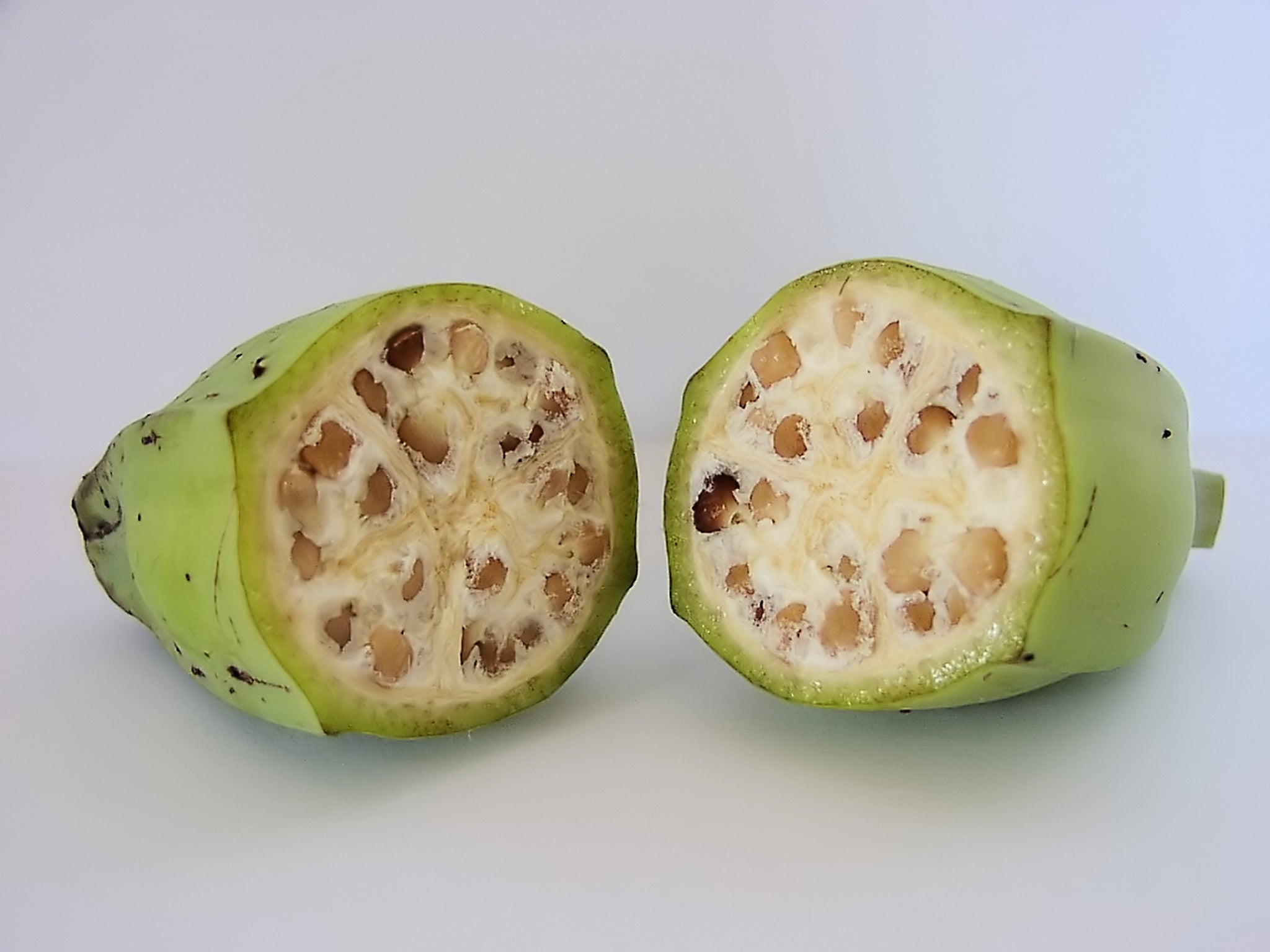
- Appearance: Wild Musa acuminata fruits were typically smaller than modern bananas, often only a few inches long. Their skin was thicker and tougher, sometimes leathery. The flesh was less uniform and contained a significant number of hard, black seeds. These seeds were not a minor inconvenience; they were a defining characteristic, making the fruit challenging to eat and digest.
- Taste and Texture: The flesh, while potentially sweet in some variants, was often described as starchy and fibrous. The presence of numerous seeds meant that the edible portion was considerably reduced, making it a less efficient food source.
- Seed Dominance: The most striking difference was the abundance of seeds. These were large, hard, and numerous, similar to those found in other fruits like watermelons, but often more obtrusive. For early humans attempting to consume this fruit, extracting edible pulp from around these seeds would have been a laborious process.
Musa balbisiana: The Hardy Contributor
Musa balbisiana, on the other hand, contributed traits that led to the development of cooking bananas, also known as plantains. While still wild and seedy, Musa balbisiana offered a different set of characteristics.
- Appearance and Texture: Wild Musa balbisiana fruits were often more angular than Musa acuminata. They were also very starchy and less sweet, making them unsuitable for raw consumption. Like its counterpart, it was packed with large, hard seeds.
- Resilience: A key contribution of Musa balbisiana was its hardiness. It was more resistant to disease and drought, traits that would prove invaluable in the long process of banana cultivation and breeding. This resilience is a testament to the adaptive power of plants in challenging environments, a concept that resonates with technological advancements in agriculture.
The Dawn of Domestication: Humans as Genetic Engineers
The transformation of these wild, seedy fruits into the smooth, seedless bananas of today is a monumental achievement of early agriculture and a testament to human ingenuity. This process, spanning thousands of years, involved a combination of accidental discoveries and deliberate selection.
The Role of Polyploidy and Parthenocarpy
The key to the seedless banana lies in genetic mutations and reproductive processes.
- Polyploidy: This refers to the duplication of chromosomes. Many cultivated bananas are triploid, meaning they have three sets of chromosomes instead of the usual two. This genetic anomaly often leads to sterility, which in turn results in seedlessness. Imagine a glitch in the genetic code that, instead of being detrimental, produced a more desirable outcome for human consumption.
- Parthenocarpy: This is the development of fruit without fertilization. In essence, the fruit grows without the need for pollination and seed production. This trait, combined with polyploidy, is what allows bananas to develop without viable seeds.
The discovery and propagation of these naturally occurring mutations would have been a slow, iterative process. Early humans likely encountered plants that produced fewer seeds or fruits with slightly softer flesh and, through observation and replanting of desirable cuttings (bananas are propagated vegetatively), gradually favored these variants.
Selective Breeding: A Thousand-Year Experiment
The domestication of bananas is not a single event but a continuous evolutionary journey guided by human hands.
- From Wild Patch to Cultivated Field: The process began in tropical forests where wild bananas grew in abundance. Early gatherers would have noticed variations within these wild populations. Those who found a less seedy, more palatable fruit would have been incentivized to protect and replant the suckers or corms of these plants.
- The Power of Vegetative Propagation: Unlike many fruits that are grown from seeds, bananas are propagated vegetatively. This means that a new plant grows from a cutting or sucker of the parent plant. This is a crucial point: it allows for the faithful reproduction of desirable traits, including seedlessness. If a wild banana plant happened to produce a few fruits with fewer seeds, and those fruits contained viable suckers, replanting those suckers would yield more plants with the same desirable trait. Over generations, this would lead to a significant reduction in seeds.
- The Emergence of Dessert Bananas: The Musa acuminata species provided the basis for the sweet dessert bananas. Through millennia of selection, humans favored plants with sweeter flesh, less fibrous texture, and progressively fewer and smaller seeds. The Cavendish, our modern staple, is a descendant of this lineage.
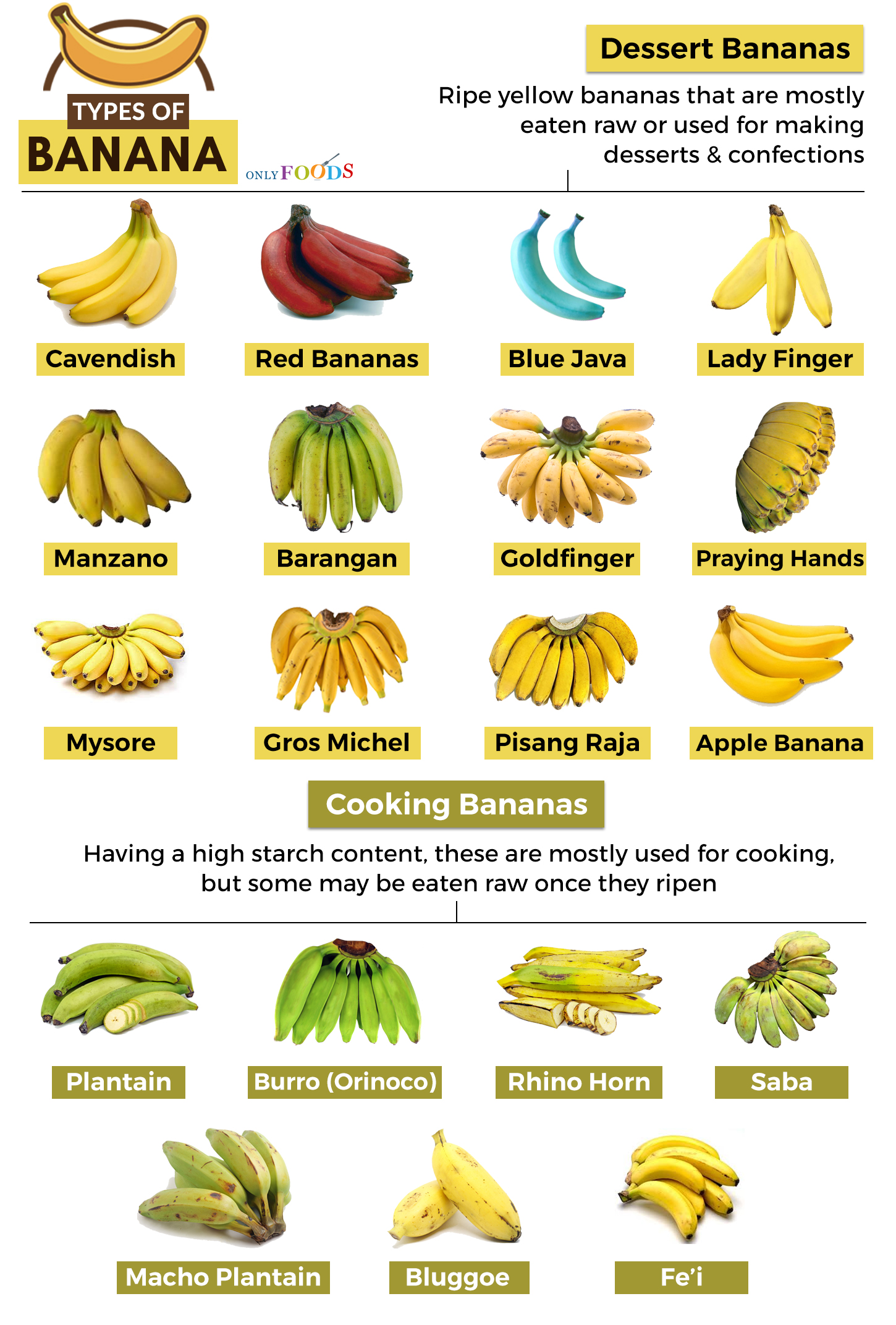
- The Rise of Plantains: Similarly, crosses between different subspecies of Musa acuminata and Musa balbisiana led to the development of plantains. These are starchier, less sweet, and are typically cooked before consumption. Their hardiness and ability to thrive in various conditions made them a vital food staple in many regions.
The Modern Banana: A Triumph of Branding and Technology
The journey from a wild, seedy fruit to the globally recognized and marketed banana is a remarkable story that intertwines botanical evolution with sophisticated Brand strategies and underlying Tech advancements.
The Cavendish: A Brand Built on Convenience
The Cavendish banana dominates the global market today. Its rise to prominence is a story in itself, largely driven by its resistance to diseases that plagued earlier commercial varieties, most notably the Gros Michel.
- The Gros Michel Era: For much of the late 19th and early 20th centuries, the Gros Michel was the king of bananas. It was known for its excellent flavor and thick skin, which made it ideal for shipping. However, a devastating fungal disease called Panama disease (Fusarium wilt) wiped out Gros Michel plantations, forcing the industry to seek an alternative.
- The Cavendish Takes Over: The Cavendish, though perhaps not as flavorful as the Gros Michel, proved to be resistant to the prevailing strain of Panama disease. Its uniform size, shape, and appearance made it ideal for mass production and marketing.
- Branding for the Masses: The modern banana’s brand is synonymous with convenience, affordability, and a universally understood image. Its smooth yellow peel, curved shape, and easy-to-peel nature are all subtly engineered and marketed as desirable qualities. This branding is so effective that the banana has become a global symbol of healthy eating and a staple in lunchboxes worldwide.
The Technology Behind the Banana Boom
Behind the seamless delivery of bananas to our tables lies a complex web of Tech.
- Genetics and Biotechnology: While the initial domestication was a slow, organic process, modern Tech plays a crucial role in understanding and improving banana cultivation. Genetic sequencing of banana varieties helps researchers identify genes responsible for disease resistance, yield, and fruit quality. This knowledge can inform breeding programs and potentially lead to the development of new, resilient varieties.
- Agricultural Technology: Large-scale banana plantations rely heavily on modern agricultural Tech. This includes sophisticated irrigation systems, precision fertilization, advanced pest and disease control methods (often employing integrated pest management strategies), and efficient harvesting and transportation logistics. Drones and sensors are increasingly used to monitor crop health and optimize resource allocation.
- Supply Chain Management: The global banana trade is a marvel of logistics. Refrigerated shipping containers, specialized ripening facilities, and efficient distribution networks are all technological solutions that ensure bananas reach consumers worldwide in optimal condition. This entire process is managed by sophisticated software and data analytics, a prime example of Tech in action.
- Digital Security and Monitoring: In large agricultural operations, digital security is also a growing concern. Protecting sensitive data about yields, logistics, and research is paramount. Furthermore, technologies are being developed to monitor for the spread of diseases like the new strain of Panama disease affecting Cavendish bananas, using digital tools for early detection and response.
The Economics of the Banana: A Multi-Billion Dollar Industry
The transformation of the banana from a wild fruit to a global commodity is intrinsically linked to Money. The banana industry is a multi-billion dollar enterprise, influencing economies and livelihoods across the globe.
From Subsistence to Global Trade
- Early Trade and Colonialism: The beginnings of large-scale banana trade were closely tied to colonial expansion. European powers recognized the potential of this fruit and established plantations in their tropical colonies, particularly in Central and South America. Companies like the United Fruit Company (now Chiquita) played a pivotal role in shaping the industry, often with significant political and economic influence in host countries.
- Modern Market Dynamics: Today, the global banana market is characterized by intense competition among major producers and distributors. Prices are influenced by factors such as supply and demand, production costs, currency fluctuations, and trade agreements. The economic well-being of entire nations can be significantly dependent on banana exports.
The Profitability of the Peel
- Cultivation Costs and Returns: Growing bananas involves significant investment in land, labor, fertilizers, pest control, and infrastructure. While the profit margins can be substantial for major corporations, smallholder farmers often face precarious economic situations due to fluctuating market prices and the high cost of inputs.
- Investment and Innovation: The pursuit of greater profitability drives ongoing investment in Tech and innovation within the banana industry. Research into disease-resistant varieties, more efficient farming techniques, and improved post-harvest technologies are all aimed at maximizing yields and reducing costs.
- Personal Finance and Side Hustles: While the global trade is dominated by large corporations, understanding the economics of food production, including fruits like bananas, can offer insights for personal finance. For some, even a small backyard banana plant can represent a source of fresh fruit, a small contribution to self-sufficiency, or even a minor side hustle at a local farmers’ market.
In conclusion, the humble banana has undergone a remarkable metamorphosis from its wild, seedy origins. Its journey is a compelling narrative of botanical evolution, human intervention, and the powerful forces of Tech, Brand, and Money that have shaped it into the accessible and beloved fruit we enjoy today. The question of “what did bananas originally look like?” not only reveals a fascinating biological history but also highlights the intricate connections between nature, technology, commerce, and our daily lives.
aViewFromTheCave is a participant in the Amazon Services LLC Associates Program, an affiliate advertising program designed to provide a means for sites to earn advertising fees by advertising and linking to Amazon.com. Amazon, the Amazon logo, AmazonSupply, and the AmazonSupply logo are trademarks of Amazon.com, Inc. or its affiliates. As an Amazon Associate we earn affiliate commissions from qualifying purchases.