
For decades, the answer to “what determines hair colour” was a simple biological explanation involving melanin and genetics. However, as we move deeper into the 21st century, the definition of what determines hair colour has expanded beyond the double helix. Today, hair colour is increasingly determined by sophisticated algorithms, advanced biotechnology, and augmented reality (AR) interfaces. We are transitioning from a world where nature dictates our appearance to one where software, data, and precision engineering give us total control over our aesthetic identity.
In this exploration, we look at the technological pillars—from genetic sequencing to Generative AI—that now define, predict, and manipulate hair pigmentation.
1. Decoding the Biological Algorithm: Biotech and Genetic Sequencing
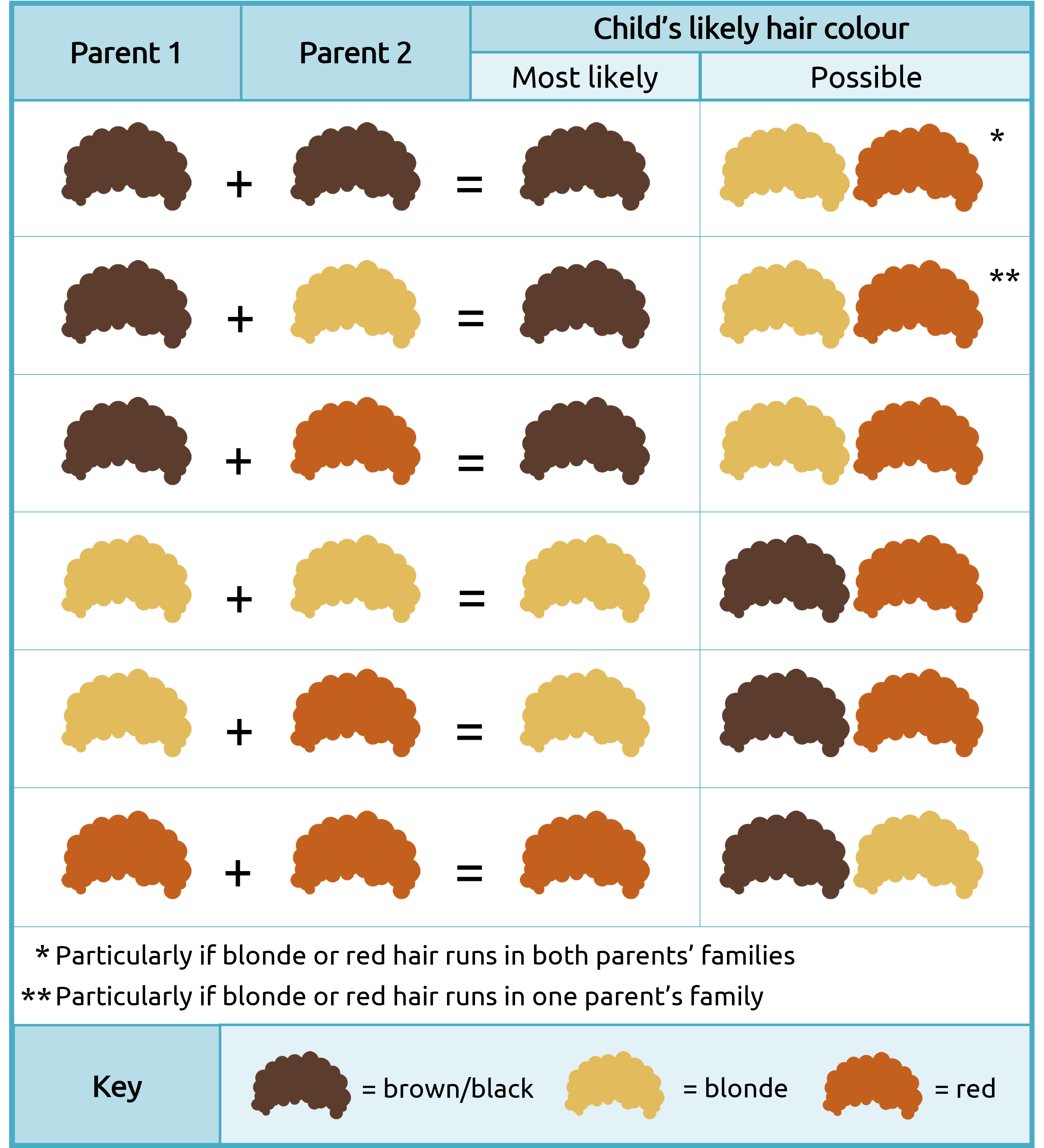
At its core, hair colour is the result of a biological “program” written in our DNA. Modern technology has moved beyond merely observing this process to actively decoding and simulating it through bioinformatics.
The Role of SNPs and Predictive Algorithms
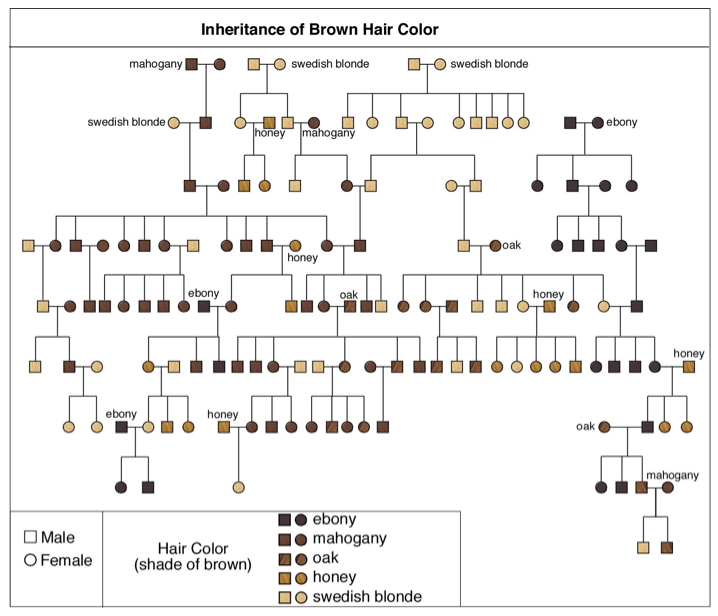
The primary biological determinants of hair colour are two types of melanin: eumelanin (which creates black and brown shades) and pheomelanin (which creates red and blonde shades). However, the specific ratio and concentration are determined by a complex interaction of genes like MC1R, SLC24A4, and KITLG.
Tech companies specializing in genomic sequencing use algorithms to identify Single Nucleotide Polymorphisms (SNPs). By analyzing these tiny variations in DNA, software can now predict an individual’s natural hair colour with over 90% accuracy. This isn’t just for ancestry reports; forensic technology uses these predictive models to reconstruct the physical appearance of individuals from DNA samples found at scenes, a process known as DNA phenotyping.
CRISPR and the Future of Genetic Modification
While predictive tech tells us what our hair colour is, gene-editing technology like CRISPR-Cas9 is exploring what it could be. In laboratory settings, researchers are studying how to toggle the switches of melanocyte-stimulating hormone receptors. While we are years away from consumer-grade “genetic hair dye,” the tech that determines hair colour at the embryonic or cellular level is moving from science fiction to documented reality.
2. The Virtual Pigment: AI and Augmented Reality in Hair Simulation
In the digital world, “what determines hair colour” is a matter of pixel manipulation and computer vision. The beauty-tech industry has seen a massive influx of investment into Augmented Reality (AR) and Artificial Intelligence (AI) to help consumers visualize changes before a single drop of chemical is applied.
Computer Vision and Semantic Segmentation
The technology behind virtual hair try-on apps—such as those developed by ModiFace (acquired by L’Oréal) or Perfect Corp—relies on a process called semantic segmentation. This involves AI training on millions of images to distinguish hair from skin, clothes, and backgrounds.
The algorithm must account for “fine-grained” details, such as flyaway strands and varying light conditions. By using deep learning, these apps determine how a specific hair colour would look on a user in real-time. This digital determination is now the first step in the consumer journey, where the software’s rendering determines the user’s eventual real-world purchase.
Generative AI and Hyper-Realistic Rendering
Generative Adversarial Networks (GANs) have taken this a step further. Unlike traditional filters that simply “overlay” colour, GANs can generate entirely new textures and lighting effects. They determine how a specific shade of “Ash Blonde” would reflect fluorescent office lighting versus natural sunset light. This high-level computation ensures that the digital determination of colour is as close to physical reality as possible, reducing the “expectation gap” in professional styling.
3. Precision Application: Smart Devices and the IoT of Hair Care
The shift from manual application to tech-enabled precision has revolutionized how the final shade of hair colour is determined in a professional environment.
IoT-Connected Formulation Machines
In high-end salons, the “master colourist” is now assisted by IoT-connected devices. Systems like L’Oréal’s Coloright use a sophisticated diagnostic tool to scan a client’s hair. This scanner uses infrared sensors to measure:
- Natural hair colour (including the percentage of grey).
- Hair porosity (which determines how much dye the hair will absorb).
- Hair texture.
Based on this data, the machine’s proprietary software determines the exact ratio of pigments needed to achieve a specific result. This removes the “guesswork” and human error, ensuring that the hair colour is determined by data-driven chemistry rather than visual estimation.
Smart Hardware for At-Home Customization
Consumer electronics are also entering the fray. Devices like the Colorsonic are designed to dispense a perfectly mixed formula onto the hair via a vibrating oscillating nozzle. The tech ensures that the colour is distributed evenly, determining the final aesthetic result through mechanical precision. By automating the saturation process, hardware is ensuring that the “determination” of colour is uniform across the entire scalp, solving the age-old problem of “patchy” home-dye jobs.
4. Data-Driven Trends: How Algorithms Dictate Global Colour Preferences
Beyond biology and hardware, “what determines hair colour” on a global scale is increasingly a product of Big Data and social media algorithms. We no longer live in an era where a few fashion magazines decide the “it” colour of the season.
Predictive Analytics and Trend Forecasting
Tech platforms like Pinterest and TikTok use predictive analytics to identify “micro-trends” before they hit the mainstream. By analyzing billions of search queries and image pins, these platforms determine which hair colours are gaining momentum.
For instance, if the algorithm detects a 300% spike in searches for “Copper Balayage” in Northern Europe, beauty tech brands can adjust their supply chains and digital marketing in real-time. In this sense, the algorithm determines what colours will be available on store shelves months in advance.
The Feedback Loop of the “Digital Self”
There is a fascinating technological feedback loop occurring. Users see a hair colour on an AI-driven filter, they post it, the engagement metrics (likes/shares) tell the algorithm that this colour is popular, and the algorithm then pushes that colour to more users. This digital consensus eventually determines the real-world demand at salons. Technology doesn’t just help us achieve a hair colour; it determines our very desire for it through curated digital exposure.
5. Digital Security and Privacy in the Beauty-Tech Ecosystem
As our hair colour becomes a matter of data—whether through genetic profiles or facial scans—digital security becomes an integral part of the conversation.
Protecting Biometric and Genetic Data
When a consumer uses an AI tool to determine their next hair colour, they are often uploading high-resolution biometric data to the cloud. Companies are now forced to implement robust encryption and “Privacy by Design” frameworks to protect this information. Furthermore, as genetic testing for hair and skin traits becomes more common, the security of that biological data is paramount. The technology that determines your hair colour today could, if leaked, reveal sensitive information about your health and ancestry.
The Ethics of AI Bias in Colour Determination
There is also a significant push in the tech community to address bias in AI. Early hair-detection algorithms often struggled with diverse hair textures, such as coily or curly hair (Type 4C). The tech industry is now using more diverse datasets to ensure that the AI “determines” hair colour accurately for all ethnicities. This movement toward “Inclusive AI” is essential for ensuring that the future of beauty tech is accessible to everyone.
Conclusion: The Synthesis of Tech and Tint
What determines hair colour in the modern world is a sophisticated tapestry of multiple technologies. It begins with the bio-software of our DNA, which we can now sequence and predict. It moves through augmented reality and AI, which allow us to simulate and select our identity in a digital space. It is refined by IoT hardware that ensures chemical precision, and it is influenced by Big Data algorithms that shape our aesthetic preferences.
As we look forward, the line between biological reality and digital simulation will continue to blur. Whether through a smart mirror, a genetic report, or an AI-powered applicator, technology has become the ultimate arbiter of our appearance. We are no longer just born with a hair colour; we are engineered, simulated, and data-informed into one.
aViewFromTheCave is a participant in the Amazon Services LLC Associates Program, an affiliate advertising program designed to provide a means for sites to earn advertising fees by advertising and linking to Amazon.com. Amazon, the Amazon logo, AmazonSupply, and the AmazonSupply logo are trademarks of Amazon.com, Inc. or its affiliates. As an Amazon Associate we earn affiliate commissions from qualifying purchases.