
In the modern retail landscape, few events carry as much weight, anticipation, and strategic complexity as Amazon Prime Day. To the casual observer, the question “what days are prime days?” might seem like a simple inquiry into a promotional calendar. However, from a brand strategy perspective, Prime Day is far more than a 48-hour window of discounts. It is a masterclass in corporate identity, a powerful engine for customer acquisition, and a pivotal moment that reshapes the global retail cycle.
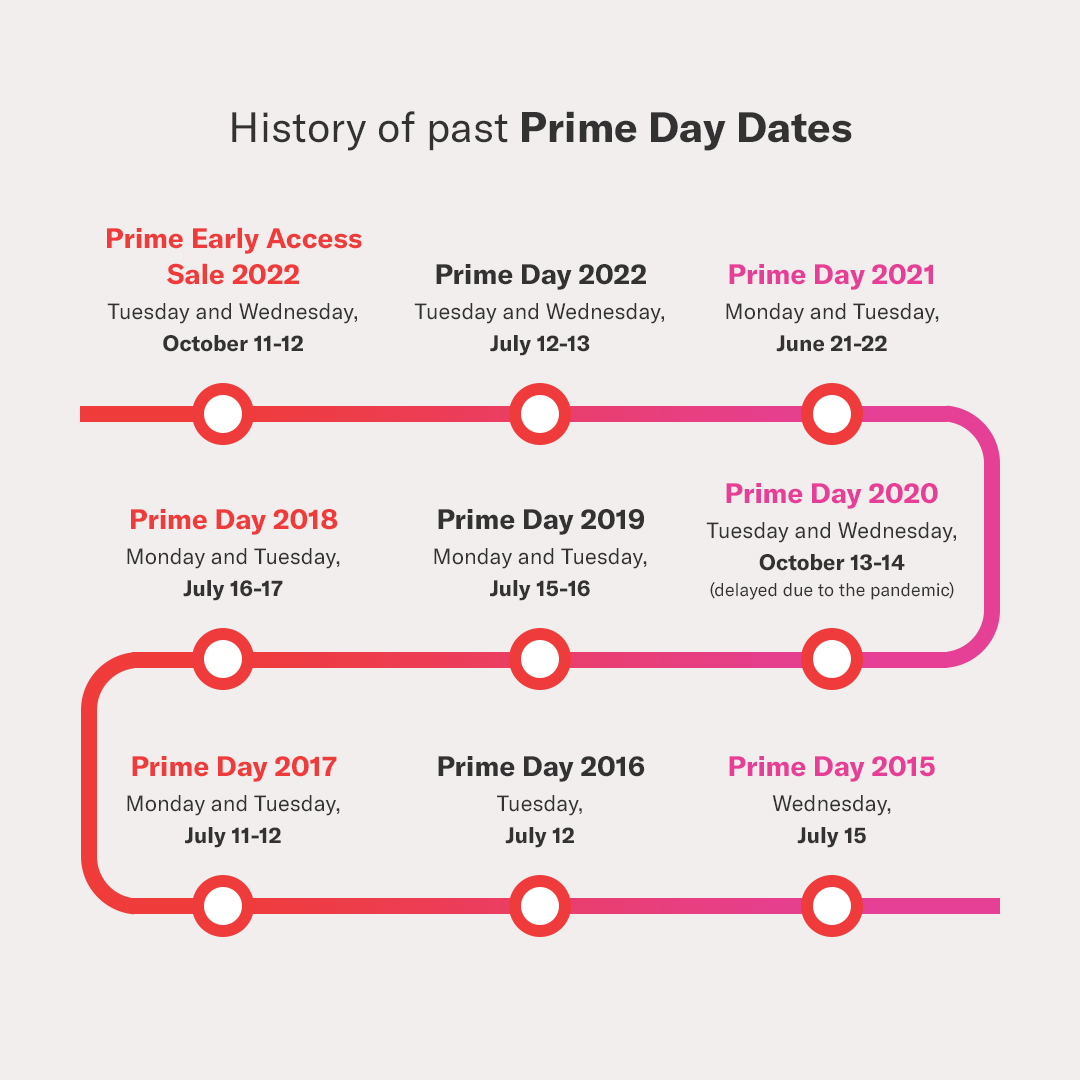
Since its inception in 2015, Prime Day has evolved from a 20th-anniversary experiment into a cultural and economic juggernaut. It represents the pinnacle of Amazon’s brand promise: convenience, selection, and value. By analyzing the brand mechanics behind this event, we can understand how a single company managed to invent a holiday from thin air and, in doing so, redefined the relationship between brands and consumers.

The Strategic Origin of Prime Day
The genesis of Prime Day was not accidental; it was a calculated move to solve a specific branding and logistical challenge. Before 2015, the retail calendar had a significant “summer slump.” Between Mother’s Day in May and the Back-to-School season in late August, consumer spending traditionally dipped. Amazon recognized this gap not as a hurdle, but as an opportunity to assert its brand dominance.
Creating a Retail Holiday from Scratch
By launching Prime Day in mid-July, Amazon did something few brands have the audacity to attempt: they manufactured a global shopping event. This was a direct play to change consumer habits. Instead of waiting for traditional holidays like Black Friday or Cyber Monday, Amazon conditioned its audience to look for “Black Friday in July.” This move was brilliant because it allowed Amazon to own a specific time of year entirely. While Black Friday is a fragmented event shared by every retailer on the planet, Prime Day began as a proprietary experience, deeply tied to the Amazon brand identity.
Strengthening the Prime Ecosystem
At its core, Prime Day is the ultimate marketing funnel for the Prime membership program. The event serves as a high-stakes “sampling” period. By offering deals exclusively to members, Amazon creates a powerful incentive for non-members to sign up for a free trial. Once inside the ecosystem, the brand strategy shifts from acquisition to retention. The goal is to showcase the breadth of the Prime brand—moving beyond free shipping to include Prime Video, Music, and Gaming. The “days” that are Prime Days are essentially a global open-house for the Amazon lifestyle.
The Mechanics of Brand Loyalty and Retention
Prime Day is the engine that drives the “Amazon Flywheel.” In brand theory, a flywheel is a self-reinforcing loop where each success feeds into the next. For Amazon, lower prices lead to more customers, which attracts more third-party sellers, which expands selection, which improves the customer experience, which ultimately leads back to growth.
Exclusivity as a Marketing Lever
One of the most potent tools in brand strategy is the concept of exclusivity. By limiting the best deals to Prime members, Amazon reinforces a “members-only” club mentality. This creates a psychological sense of belonging and a “fear of missing out” (FOMO) among those outside the circle. The branding of Prime Day as an exclusive benefit adds intangible value to the annual membership fee. It transforms a service—shipping—into a lifestyle brand that offers “insider access.” This emotional connection is far more durable than a simple transactional relationship based on price.
Data-Driven Personalization and Consumer Behavior
The strategic brilliance of Prime Day also lies in the data it generates. During these 48 to 72 hours, Amazon gathers an unprecedented amount of data on consumer preferences, price sensitivity, and category trends. From a brand management perspective, this allows for hyper-personalization. Following the event, Amazon’s brand touchpoints become more relevant to the individual user. This data-driven approach ensures that the brand remains “sticky,” keeping consumers engaged with the platform long after the sale has ended. The brand stops being a generic storefront and becomes a personalized concierge.
The Ripple Effect: Competitive Branding and the Retail Landscape
Amazon’s success with Prime Day forced a seismic shift in the branding strategies of its competitors. When one brand moves the needle as significantly as Amazon has, the rest of the industry must adapt or risk irrelevance. This has led to the “Prime Day Effect,” where the entire retail sector is forced to participate in a holiday they didn’t create.
How Competitors Reacted to the Amazon Standard
Major retail brands like Walmart, Target, and Best Buy have been forced to launch their own competing events, such as “Walmart Deals Plus” or “Target Circle Week,” often scheduled to coincide exactly with Prime Day. This has created a new competitive reality: the “mid-summer sale” is now a permanent fixture of the global brand calendar. However, while competitors offer similar discounts, they often struggle to match Amazon’s brand integration. Amazon isn’t just selling products; it’s selling an ecosystem. Competitors are often stuck in a price war, whereas Amazon is winning a loyalty war.
The Halo Effect on Small Businesses and Third-Party Sellers
A critical but often overlooked aspect of Amazon’s brand strategy is how it positions itself as a partner to small businesses. In recent years, Amazon has shifted its Prime Day branding to highlight “Small Business Deals.” This is a sophisticated PR and branding move designed to counter criticisms regarding its market dominance. By framing Prime Day as a win for the “little guy,” Amazon softens its corporate image and builds brand equity with third-party sellers. This dual-sided branding—serving both the consumer and the seller—is essential for maintaining its position as the “Everything Store.”
Looking Forward: The Future of the Prime Brand Identity
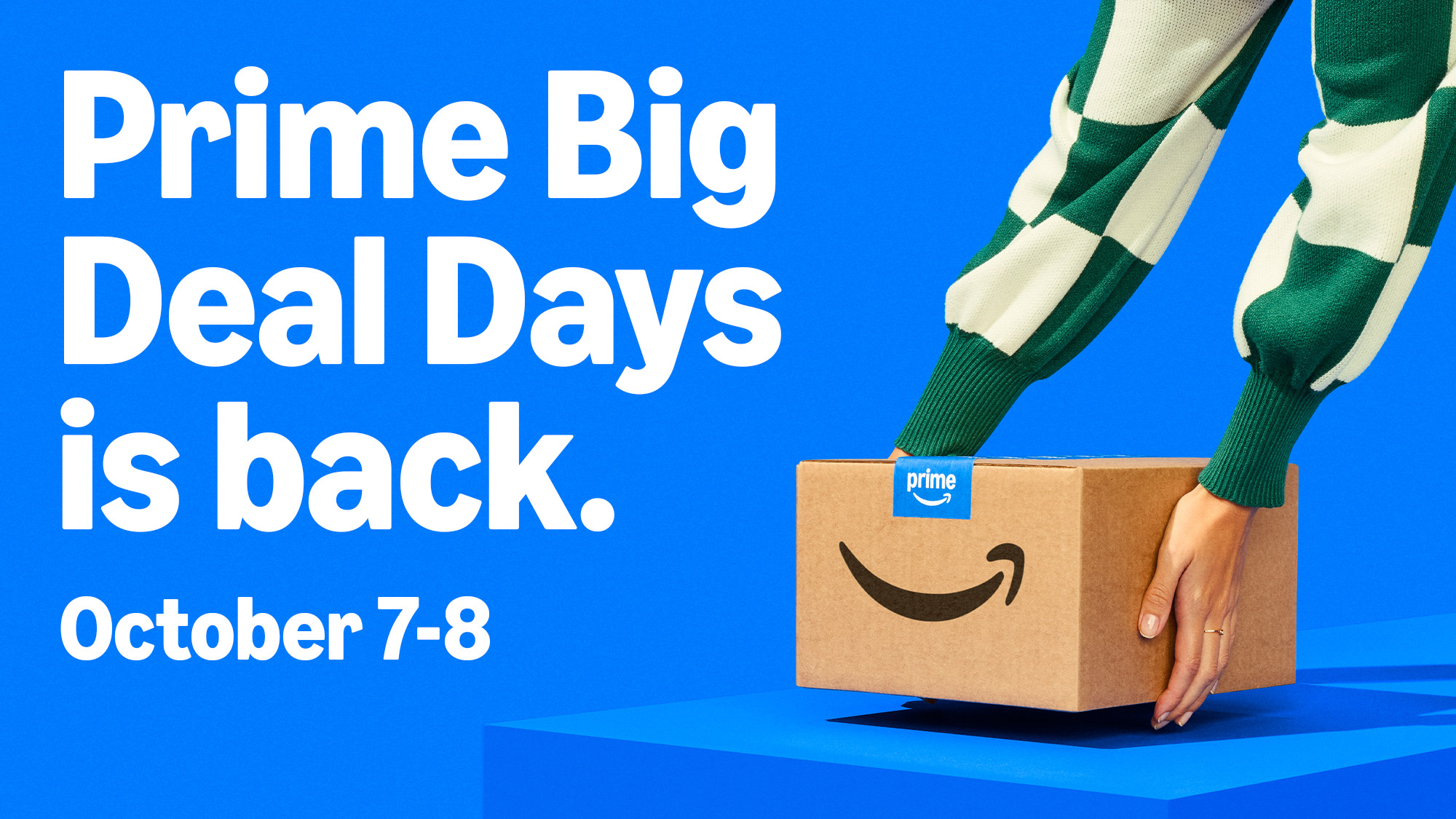
As we look toward the future, the “days” that define Prime Day are likely to expand and evolve. We have already seen the introduction of “Prime Big Deal Days” in October, effectively bookending the holiday season. This expansion suggests that Amazon is moving toward a strategy of “constant engagement,” where the brand is always offering a reason to return to the platform.
Sustainability and Ethical Branding Challenges
As Prime Day grows, so does the scrutiny regarding its environmental impact. The massive influx of packaging and the carbon footprint of expedited shipping present a significant brand risk. Forward-thinking brand strategy now requires Amazon to integrate sustainability into the Prime Day narrative. We are seeing more emphasis on “Climate Pledge Friendly” products and consolidated shipping options (“Amazon Day”). For the brand to remain premium and respected, it must balance its “speed and volume” identity with a “responsibility and care” identity.
Diversification into New Market Verticals
The future of the Prime brand lies in its ability to move beyond physical goods. We are already seeing Prime Day being used to promote Amazon Pharmacy, Amazon Fresh, and even automotive sales. The brand is positioning itself as a total life infrastructure. In the coming years, the answer to “what days are prime days” might include exclusive access to healthcare screenings, financial services, or even local entertainment. The goal is to make the Prime brand so synonymous with daily life that the “sale” aspect becomes secondary to the “service” aspect.
In conclusion, Prime Day is a sophisticated piece of brand architecture. It successfully blends psychological triggers, data analytics, and aggressive market positioning to create an event that is now a permanent pillar of global commerce. For Amazon, it is the ultimate expression of its brand power—the ability to stop the world for 48 hours and focus its collective attention on a single storefront. As the event continues to grow, it will serve as the primary case study for how modern brands can build loyalty, drive innovation, and command the retail calendar in a digital-first world.
aViewFromTheCave is a participant in the Amazon Services LLC Associates Program, an affiliate advertising program designed to provide a means for sites to earn advertising fees by advertising and linking to Amazon.com. Amazon, the Amazon logo, AmazonSupply, and the AmazonSupply logo are trademarks of Amazon.com, Inc. or its affiliates. As an Amazon Associate we earn affiliate commissions from qualifying purchases.