
The term “saturator” can evoke different images depending on the context. In the realm of technology, particularly in audio engineering and digital signal processing, a saturator is a powerful tool that adds warmth, character, and harmonic richness to sound. It’s a concept that has roots in analog hardware but has been widely adopted and refined in the digital domain, becoming an indispensable part of modern music production, broadcasting, and even certain aspects of digital content creation. Understanding what a saturator is, how it works, and its applications is crucial for anyone looking to elevate the quality and impact of their audio.
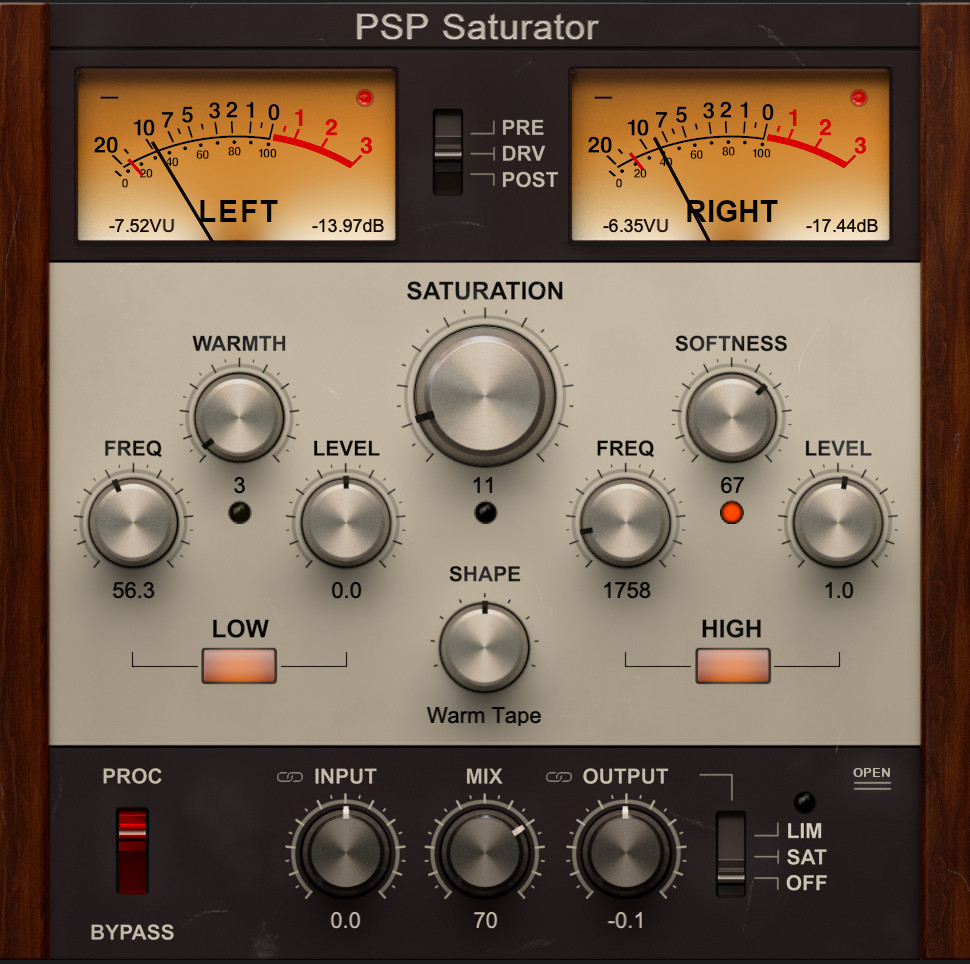
The Essence of Saturation: Harmonic Distortion and Its Sonic Impact
At its core, saturation refers to a form of harmonic distortion. Unlike the harsh, unpleasant distortion often associated with clipping or overdriving an amplifier, saturation introduces pleasant, musically useful harmonics. These harmonics are integer multiples of the original signal’s fundamental frequencies, creating a richer, more complex sound. The process essentially “rounds off” the peaks of an audio waveform, introducing subtle (or not-so-subtle) alterations that have a profound effect on perceived loudness, tonal balance, and the overall “glue” of a mix.
Understanding Harmonic Distortion
To grasp the magic of saturation, we need a basic understanding of harmonic distortion. When an audio signal is passed through a circuit or algorithm designed for saturation, the original waveform is altered. Instead of being perfectly reproduced, the peaks and valleys of the waveform are compressed and subtly reshaped. This reshaping process generates new frequencies that are harmonically related to the original signal. For example, if a note with a fundamental frequency of 100 Hz is saturated, the process might introduce harmonics at 200 Hz, 300 Hz, 400 Hz, and so on. These added harmonics are not random noise; they are musically consonant with the original tone.
The Psychoacoustic Effects of Saturation
The introduction of these harmonics has several significant psychoacoustic effects:
- Perceived Loudness Increase: Even at the same peak level, a saturated signal often sounds louder to the human ear. This is because the added harmonics fill in the spectral gaps and increase the overall energy content of the signal. This makes it possible to achieve a desired loudness without pushing the signal into harsh clipping.
- Tonal Richness and Warmth: Saturation can impart a desirable “warmth” or “fatness” to sounds. This is particularly noticeable on instruments that might sound thin or sterile in their raw form, such as vocals, acoustic guitars, or bass guitars. The added harmonics round out the sound, making it more full-bodied and pleasing.
- Enhanced Presence and Clarity: Paradoxically, while rounding off peaks, saturation can also bring out the subtle details and nuances of a sound. This can make instruments cut through a dense mix more effectively and improve overall clarity. It’s like adding a subtle sheen that makes individual elements more distinct.
- “Glue” and Cohesion: When applied across multiple tracks in a mix (e.g., to a drum bus or the entire stereo output), saturation can act as a sonic adhesive. It helps to blend disparate elements together, creating a more unified and cohesive listening experience. The subtle intermodulation distortion that can occur during saturation can help different instruments occupy the same sonic space more harmoniously.
- Character and Vibe: Different types of saturation emulate the sonic characteristics of various analog hardware. Tube saturation might offer smooth, pleasing harmonics, while tape saturation can introduce a bit of compression and a slight rolloff in the high frequencies, imparting a vintage or retro character.
The Digital vs. Analog Debate
While the concept of saturation originates from analog circuits like vacuum tubes and magnetic tape, digital saturation has become incredibly sophisticated. Analog saturation inherently involves physical components that introduce specific types of non-linearities and harmonic content. Digital saturators, on the other hand, are algorithms designed to emulate these analog behaviors.
Modern digital saturators can be incredibly versatile, offering a wide range of controls that allow users to dial in precise amounts and types of saturation. This offers benefits such as recallability, precision, and the ability to achieve sounds that might be impossible or impractical with analog gear. However, many engineers still prefer analog saturation for its often organic and unpredictable qualities. The debate between analog and digital saturation continues, with many producers utilizing both to achieve their desired sonic results.
Types of Saturators and Their Sonic Signatures
The “what is saturator” question is best answered by exploring the different forms saturation can take, each offering a unique sonic fingerprint. These distinctions often stem from the emulation of specific analog hardware or the underlying algorithms used in digital plugins.
Tape Saturation
Tape saturation is perhaps one of the most sought-after types of saturation. It replicates the effect of recording audio onto magnetic tape. When signals are recorded at higher levels, the tape can no longer perfectly capture all the nuances, leading to subtle compression and harmonic distortion.
- Characteristics: Tape saturation typically introduces even and odd harmonics, with a tendency to smooth out transients and impart a pleasing warmth. It often includes a gentle high-frequency rolloff, which can help to tame harshness and add a vintage feel. The inherent compression also helps to control dynamics, making the signal sound more consistent.
- Applications: Widely used on individual instruments like drums, vocals, and guitars to add richness and character. It’s also commonly applied to mix buses to create a cohesive and polished sound. It’s a go-to for achieving a classic, analog sound.
Tube Saturation
Tube saturation, as the name suggests, emulates the behavior of vacuum tubes. Vacuum tubes are known for their ability to produce smooth, pleasing harmonic distortion.
- Characteristics: Tube saturation often emphasizes odd-order harmonics, which contribute to a rich, harmonically complex, and sometimes “larger-than-life” sound. It can add a sense of “air” or “sparkle” to a signal and is often described as very musical and forgiving. The distortion can be quite gradual, allowing for a wide dynamic range before becoming overly noticeable.
- Applications: Excellent for vocals, bass, and acoustic instruments that benefit from a smooth, warm, and harmonically rich character. It can also be used to add subtle grit and sustain to guitar tones. Many engineers use tube saturation to make digital instruments sound more “alive” and less sterile.
Transformer Saturation
Transformers are passive electronic components that can introduce their own unique form of saturation when driven hard.
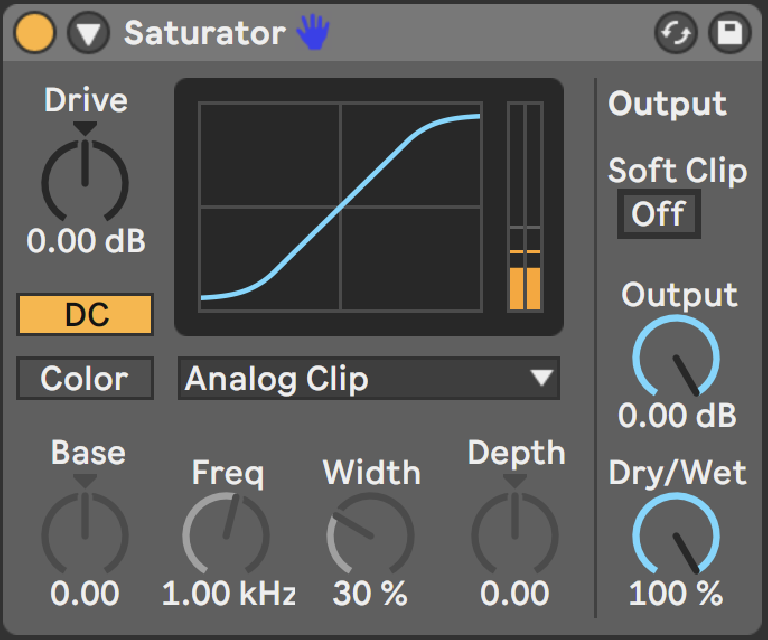
- Characteristics: Transformer saturation often imparts a distinct coloration, which can include subtle harmonic distortion and a change in tonal balance. It can sometimes add a bit of mid-range punch or a slight low-end boost, depending on the specific transformer. It’s often less about overt distortion and more about subtle tonal shaping and coloration.
- Applications: Frequently found in classic analog mixing consoles and outboard gear. It’s used to add character and weight to buses or individual tracks. It’s a more subtle form of saturation, often used to add a touch of analog flavor without being overtly distorted.
Transistor/Diode Clipping
While often associated with harsher distortion, specific implementations of transistor and diode clipping can be harnessed for saturation purposes. This is often found in overdrive and fuzz pedals but can also be modeled in plugins.
- Characteristics: This type of saturation can range from smooth and warm to gritty and aggressive, depending on the specific circuit design. It often produces a more pronounced harmonic content than tape or tube saturation, with a quicker onset of distortion.
- Applications: Can be used for adding grit and aggression to rock guitars, electronic music basses, or even for creative effects on drums. When dialed in subtly, it can provide a distinct edge and presence.
Practical Applications of Saturators in Audio Production
The question of “what is saturator” becomes more tangible when we examine its practical applications across various stages of audio production. From individual tracks to the final mix, saturators are employed to achieve a wide array of sonic goals.
Enhancing Individual Tracks
One of the most common uses of saturation is to improve the sound of individual instruments or vocals.
- Drums: Saturators can add punch, body, and excitement to drum kits. Kick drums can be made to sound bigger and more impactful, snares can gain crack and sustain, and overheads can be smoothed out while adding a sense of “air.”
- Bass: Bass guitars can often benefit from saturation to make them more audible on smaller playback systems and to add warmth and harmonic richness. It helps the bass to cut through the mix without necessarily increasing its volume.
- Vocals: Vocals are frequently saturated to add presence, clarity, and a pleasing harmonic texture. It can help them sit better in the mix, prevent them from sounding thin, and add a touch of character that makes them more engaging.
- Guitars: Electric guitars can be saturated to add sustain, grit, and a richer harmonic content, whether aiming for a clean tone with character or a heavily distorted sound. Acoustic guitars can gain warmth and a fuller body.
- Keyboards and Synths: Digital instruments can sometimes sound sterile. Saturation can breathe life into them, adding warmth, harmonic complexity, and making them sound more organic and present in the mix.
Shaping Buses and the Master Output
Saturation is not just for individual tracks; it’s a powerful tool for shaping the overall sound of groups of instruments (buses) or the entire mix (master output).
- Drum Bus: Applying saturation to a drum bus can unify the sound of the entire drum kit, making it punchier and more cohesive. It can add a subtle “glue” that makes the drums feel like a single, powerful entity.
- Mix Bus/Mastering: This is where saturation can truly shine. Applied subtly to the master output, it can add a final layer of polish, warmth, and loudness. It can help to “glue” all the elements of the mix together, making it sound more professional and impactful. Mastering engineers often use specific types of saturation to impart a signature sonic character to an album.
- Parallel Processing: Saturators are often used in parallel processing chains. For example, a dry signal can be mixed with a heavily saturated version of itself to add harmonic richness and perceived loudness without sacrificing the clarity or dynamics of the original.
Creative Sound Design
Beyond its corrective and enhancing roles, saturation can also be used as a creative sound design tool.
- Adding Grit and Texture: Pushing saturation levels can create aggressive distortion, adding a gritty texture to sounds that might not typically have it. This can be useful in genres like electronic music, industrial, or rock.
- Generating New Timbres: By experimenting with different types and amounts of saturation, producers can create entirely new timbres and sonic textures that were not present in the original source material.
- Simulating Analog Gear: As mentioned, digital saturators are often designed to emulate specific analog pieces of gear. This allows producers to achieve the sonic characteristics of expensive or vintage hardware without the cost or maintenance.
Choosing and Using a Saturator Effectively
Understanding “what is saturator” also involves knowing how to select and employ these tools for optimal results. Overusing saturation, or using the wrong type, can quickly lead to a muddy, harsh, or fatiguing sound.
Factors to Consider When Choosing a Saturator
- The Source Material: What instrument or group of instruments are you saturating? A bright, thin acoustic guitar might benefit from tube saturation, while a boomy kick drum might need tape saturation to tame its low-end and add punch.
- The Desired Outcome: Are you aiming for subtle warmth, increased perceived loudness, aggressive grit, or vintage character? The goal will dictate the type of saturation and the intensity at which it’s applied.
- The Emulation Target: If you’re using a digital plugin designed to emulate specific analog gear, consider what that gear is known for. Tube saturators often sound smoother and richer, while tape saturation might add more compression and a high-frequency rolloff.
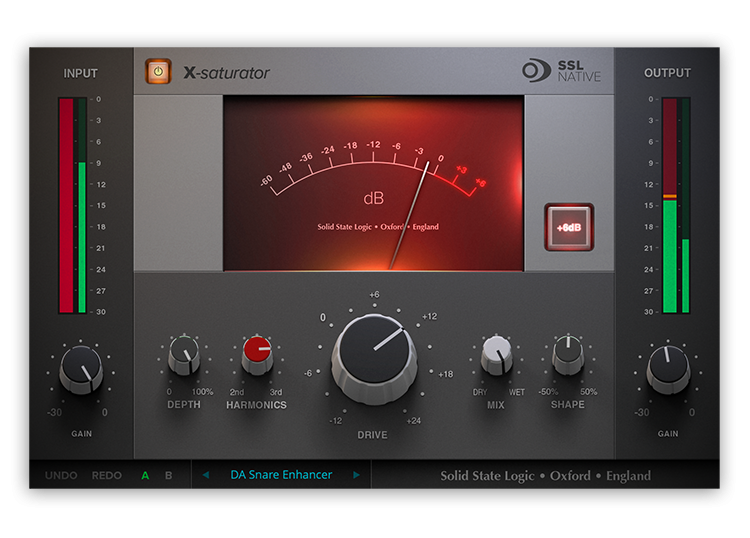
- Controls Offered: Different saturator plugins offer varying levels of control. Some provide simple “drive” and “output” knobs, while others offer more advanced parameters like bias, knee, harmonic mix, and even frequency-specific saturation.
Best Practices for Saturation
- Less is Often More: Saturation is a powerful effect. It’s easy to overdo it, leading to a distorted, fatiguing sound. Start with subtle amounts and gradually increase until you achieve the desired effect. Often, just a few dB of gain reduction or a small amount of harmonic enhancement is all that’s needed.
- Listen in Context: Always listen to your saturated signal within the full mix. What sounds good in solo might not work when other instruments are present. Saturation applied to one track can affect how it interacts with others.
- Use Your Ears, Not Just Your Eyes: Rely on your listening skills. While meters can show harmonic content or gain reduction, the ultimate judge is your perception of the sound.
- Consider Pre- and Post-Saturation EQ: EQing before saturation can shape the harmonics that are generated. For instance, boosting certain frequencies before saturation can lead to more pronounced harmonics in those areas. EQing after saturation can help to tame any unwanted harshness or enhance specific tonal qualities.
- Think About Gain Staging: Be mindful of the input and output levels of your saturator. Too much input gain can lead to unwanted distortion, while insufficient output gain might mean the saturated signal isn’t as loud or present as intended.
- Experiment: The best way to understand what a saturator can do is to experiment. Try different types of saturation on various sources and listen carefully to the results. Don’t be afraid to push the boundaries and try creative applications.
In conclusion, a saturator is far more than just a distortion tool. It’s a sophisticated processor that leverages harmonic distortion to enhance, shape, and color audio signals. From adding warmth and perceived loudness to individual instruments and bringing cohesive character to an entire mix, the applications of saturators in modern audio production are vast and continually evolving. Understanding its principles and mastering its use is a key step for anyone seeking to achieve professional-sounding audio.
aViewFromTheCave is a participant in the Amazon Services LLC Associates Program, an affiliate advertising program designed to provide a means for sites to earn advertising fees by advertising and linking to Amazon.com. Amazon, the Amazon logo, AmazonSupply, and the AmazonSupply logo are trademarks of Amazon.com, Inc. or its affiliates. As an Amazon Associate we earn affiliate commissions from qualifying purchases.