
Losing your job is a stressful event, and one of the immediate concerns that arises is how and when you’ll receive unemployment benefits. Understanding the payment schedule for unemployment can alleviate some of that financial anxiety and allow you to plan your budget more effectively during this transitional period. While the specific day you get paid unemployment can vary, it generally follows a predictable pattern tied to when you file your claim and when you certify for benefits.
This article will delve into the intricacies of unemployment payments, drawing upon the core principles of personal finance and online income management. We’ll explore the typical payment cycles, the factors that can influence them, and how you can best manage your finances while relying on these benefits.
Understanding the Unemployment Payment Cycle
The unemployment system is designed to provide a financial safety net for individuals who have lost their jobs through no fault of their own. The payment process, while seemingly straightforward, involves several steps that determine when you actually see the money in your bank account.
The Initial Claim and Waiting Period
The journey to receiving unemployment benefits begins with filing an initial claim. This typically involves providing information about your employment history, the reason for your job loss, and your personal details. Most states have a mandatory waiting period, often one week, during which you do not receive benefits. This waiting period is standard and is not a reflection of any issue with your claim. It’s simply a procedural step before payments can commence.
After filing your initial claim, you’ll need to wait for your eligibility to be processed. This involves the unemployment agency verifying your employment and earnings history to ensure you meet the state’s criteria for receiving benefits. This verification process can take anywhere from a few days to a couple of weeks, depending on the volume of claims and the efficiency of the agency.
Weekly or Bi-Weekly Certification: The Key to Getting Paid
The most crucial step in ensuring you receive ongoing unemployment payments is certifying for benefits. This is a process where you confirm that you are still unemployed, able, and available for work, and actively seeking employment. Certification is usually done on a weekly or bi-weekly basis, depending on your state’s system.
This is where the “what day do you get paid unemployment” question truly gets its answer. Unemployment payments are typically issued after you have successfully certified for the preceding week(s). So, if your state requires weekly certification, and you certify on a Sunday, you can expect to receive payment for that week sometime in the following days.
How to Certify and When to Expect Payment
Most states offer online portals or phone systems for certifying benefits. It is imperative to adhere to your state’s deadlines for certification. Missing a certification deadline can delay or even halt your payments.
- Online Certification: This is the most common and often the fastest method. You’ll log into your state’s unemployment portal and answer a series of questions about your work search activities, any earnings you may have had, and your availability for employment.
- Phone Certification: Some states still offer a phone-based system for certification. This can be a good alternative if you lack reliable internet access.
The timing of payment after certification generally falls within 24 to 72 hours. For example:
- If you certify on a Sunday, you might receive payment on Monday, Tuesday, or Wednesday of that same week.
- If you certify on a Tuesday, you might receive payment on Wednesday, Thursday, or Friday of that same week.
It’s important to note that these are general timelines. Weekends and public holidays can sometimes cause slight delays as financial institutions and government agencies may not process payments on these days. Therefore, if your certification falls just before a weekend or a holiday, your payment might arrive on the next business day.
Direct Deposit vs. Debit Card Payments
The method of payment also plays a role in how quickly you receive your funds.
- Direct Deposit: This is the most efficient and fastest method. Once your payment is processed, the funds are electronically transferred directly into your bank account. You can typically expect to see the funds available on the same business day or the next business day after they are issued.
- Unemployment Debit Card: Some states issue unemployment benefits via a pre-loaded debit card. While convenient, this method might involve a slight delay compared to direct deposit, as the card needs to be loaded and delivered to you. The funds will then be available once the card is active and loaded.
Pro Tip: Setting up direct deposit, if your state offers it, is highly recommended for faster access to your unemployment funds.
Factors Influencing Your Unemployment Payment Day
While the certification cycle is the primary driver of your payment day, several other factors can influence when you actually receive your money. Understanding these can help you troubleshoot any potential delays and ensure a smoother process.
State-Specific Procedures and Technology
Each state operates its own unemployment insurance system. This means that payment schedules, certification methods, and processing times can vary significantly from one state to another. Some states have more advanced technology and streamlined processes, leading to quicker payments, while others might experience longer turnaround times due to system limitations or higher claim volumes.
Researching your specific state’s unemployment agency website is crucial. These websites usually provide detailed information on:
- When claims are processed.
- How to certify for benefits.
- The typical payment processing timeline after certification.
- Contact information for support.
Claim Verification and Issues
Occasionally, your claim might be flagged for additional verification or may encounter an issue. This could happen if:
- There are discrepancies in the information you provided on your initial claim versus your employer’s records.
- Your employer contests your claim.
- You report earnings that need to be reconciled with your benefit amount.
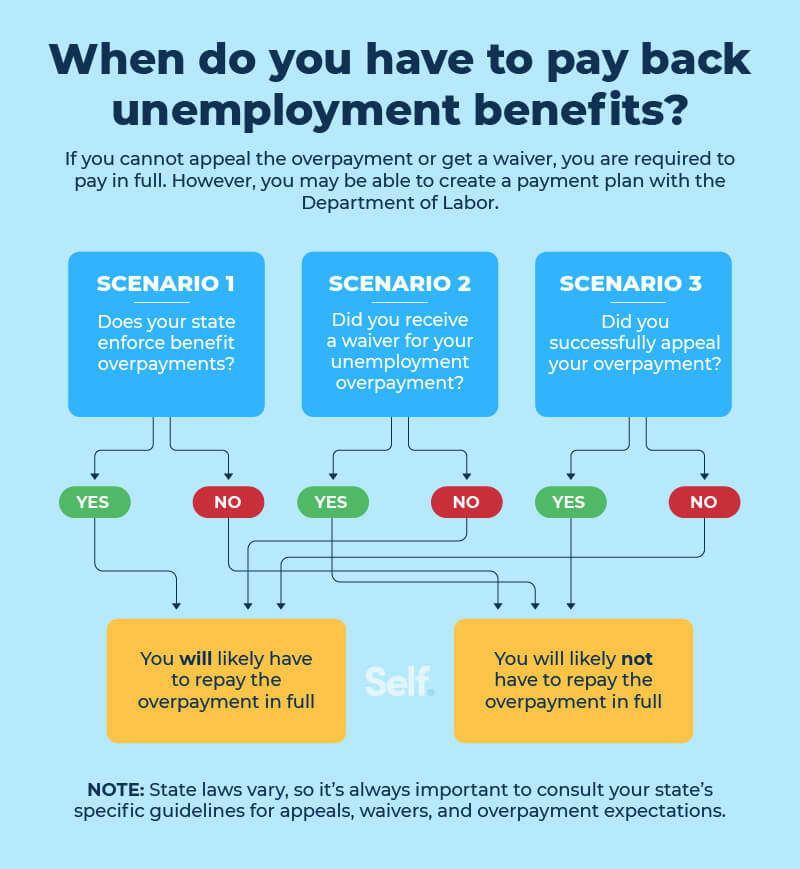
If your claim is flagged, it can lead to a delay in payment processing until the issue is resolved. The unemployment agency will typically notify you if there’s a problem with your claim and what steps you need to take to rectify it. Staying in communication with the agency and promptly responding to their requests is essential to avoid prolonged payment delays.
The Role of the Calendar: Weekends and Holidays
As mentioned earlier, the timing of your certification in relation to weekends and public holidays can impact your payment day. Most unemployment payment systems operate on a business day schedule. If you certify on a Friday and the following Monday is a public holiday, your payment will likely be processed and deposited on the Tuesday.
It’s beneficial to plan your certification around these dates if possible. For example, if you have the flexibility to certify on a Thursday or Friday and your state typically processes payments within 2-3 business days, you might receive your funds before the weekend or holiday. However, always prioritize certifying within your state’s required timeframe.
Maximizing Your Unemployment Benefits and Financial Management
Receiving unemployment benefits is about more than just knowing the payment day; it’s about effectively managing these funds to bridge the gap until you secure new employment. This ties directly into the principles of personal finance and maximizing your online income potential.
Budgeting for Unemployment Income
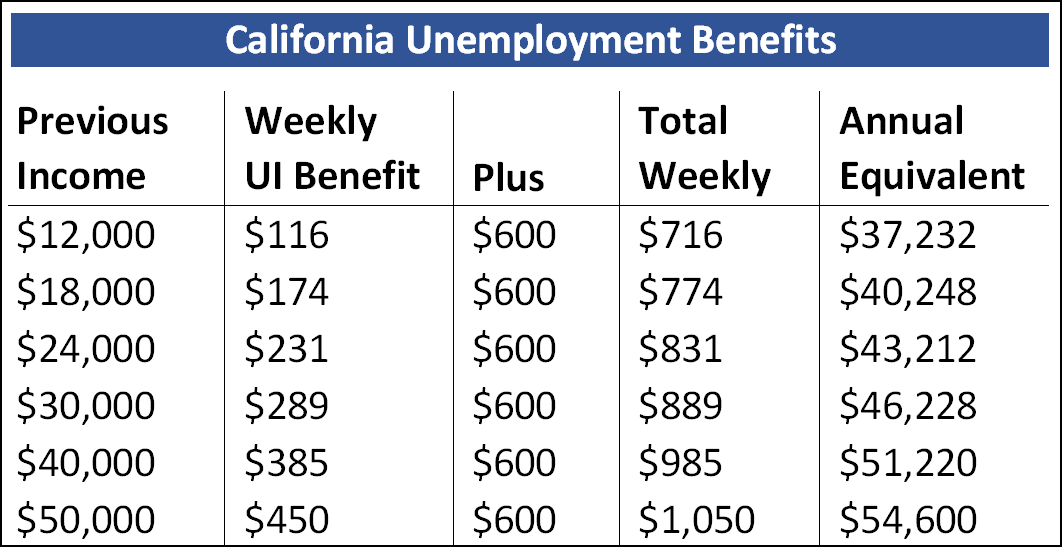
When your regular income stream stops, creating a detailed budget is paramount. Unemployment benefits are intended to replace a portion of your lost wages, but they are often not sufficient to cover all your previous expenses.
- Track Your Expenses: Meticulously record all your spending for a month to understand where your money is going.
- Prioritize Essential Bills: Identify your non-negotiable expenses like rent/mortgage, utilities, essential groceries, and loan payments.
- Identify Areas for Reduction: Look for discretionary spending that can be cut back, such as entertainment, dining out, or non-essential subscriptions.
- Allocate Your Unemployment Benefits: Based on your budget, determine how your unemployment payments will be distributed. Prioritize essential bills first.
Consider using personal finance apps or spreadsheets to help you manage your budget effectively. These tools can provide insights into your spending habits and help you stay on track.
Proactive Job Searching and Skills Development
Unemployment benefits are contingent on your active efforts to find new employment. This is not just a requirement for receiving payments but also a proactive strategy for improving your financial situation.
- Consistent Job Applications: Dedicate a set amount of time each day or week to searching for and applying to relevant job openings.
- Networking: Reach out to your professional network. Inform them about your job search and inquire about any potential opportunities.
- Skills Enhancement: Use this time to upskill or reskill. Many online platforms offer free or low-cost courses in areas that could make you more marketable. This aligns with the “Tech” and “Brand” topics on this website, as technological proficiency and strong personal branding are increasingly important in the job market.
Exploring Side Hustles and Online Income Streams
While relying on unemployment, exploring additional income streams can significantly ease financial pressure. This is where the “Online Income” and “Side Hustles” topics become particularly relevant.
- Freelancing: Leverage your existing skills (writing, design, coding, marketing, virtual assistance) to offer services on freelance platforms.
- Gig Economy: Consider delivery services, ridesharing, or other flexible gig opportunities.
- Selling Unused Items: Declutter your home and sell items you no longer need online.
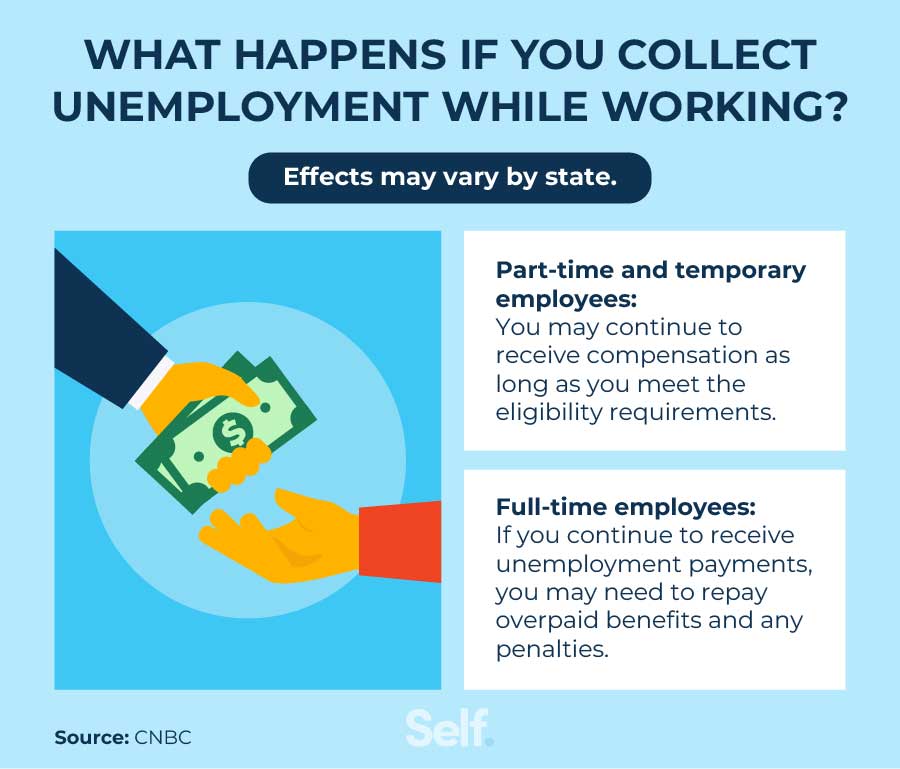
Crucially, be aware of your state’s rules regarding earned income while receiving unemployment. In many cases, you must report any earnings, and they may reduce your weekly benefit amount. However, some states allow you to earn a certain amount without affecting your benefits, providing a valuable opportunity to supplement your income. Always consult your state’s unemployment agency for specific guidelines.
Conclusion: Navigating Your Finances with Confidence
Understanding “what day do you get paid unemployment” is a crucial first step in managing your finances during a period of job loss. By familiarizing yourself with the claim process, the importance of weekly or bi-weekly certification, and the factors that influence payment timelines, you can better anticipate your financial inflows.
Remember, the unemployment system is a resource designed to support you. By being proactive, organized, and informed, you can navigate this transition with greater confidence, ensuring your financial stability while you work towards your next career opportunity. Leverage the principles of sound personal finance, explore online income opportunities, and focus on your job search to emerge stronger on the other side.
aViewFromTheCave is a participant in the Amazon Services LLC Associates Program, an affiliate advertising program designed to provide a means for sites to earn advertising fees by advertising and linking to Amazon.com. Amazon, the Amazon logo, AmazonSupply, and the AmazonSupply logo are trademarks of Amazon.com, Inc. or its affiliates. As an Amazon Associate we earn affiliate commissions from qualifying purchases.