
In the dynamic and often intricate world of music, understanding the various income streams available to creators is paramount for both financial stability and strategic growth. Among the most fundamental yet frequently misunderstood of these streams are mechanical royalties. Far from an esoteric concept, mechanical royalties represent a critical pillar of income for songwriters, composers, and their publishers, stemming from the reproduction of their musical compositions. As the music industry continues its rapid evolution, propelled by technological innovation and shifting consumption patterns, a comprehensive grasp of mechanical royalties is not just beneficial—it’s essential for anyone looking to navigate the intersection of art, technology, finance, and branding in the digital age.

This article delves into the essence of mechanical royalties, dissecting their definition, historical context, and modern-day implications. We’ll explore how technology has reshaped their collection and distribution, how they form a vital component of financial planning for music professionals, and how understanding and managing them effectively contributes to a strong brand and intellectual property strategy.
The Core Concept: Understanding Mechanical Royalties
At its heart, a mechanical royalty is a payment made to a songwriter and publisher whenever a copyrighted musical composition is reproduced. This reproduction can take many forms, from the most traditional to the cutting-edge digital.
Defining Mechanical Royalties in Detail
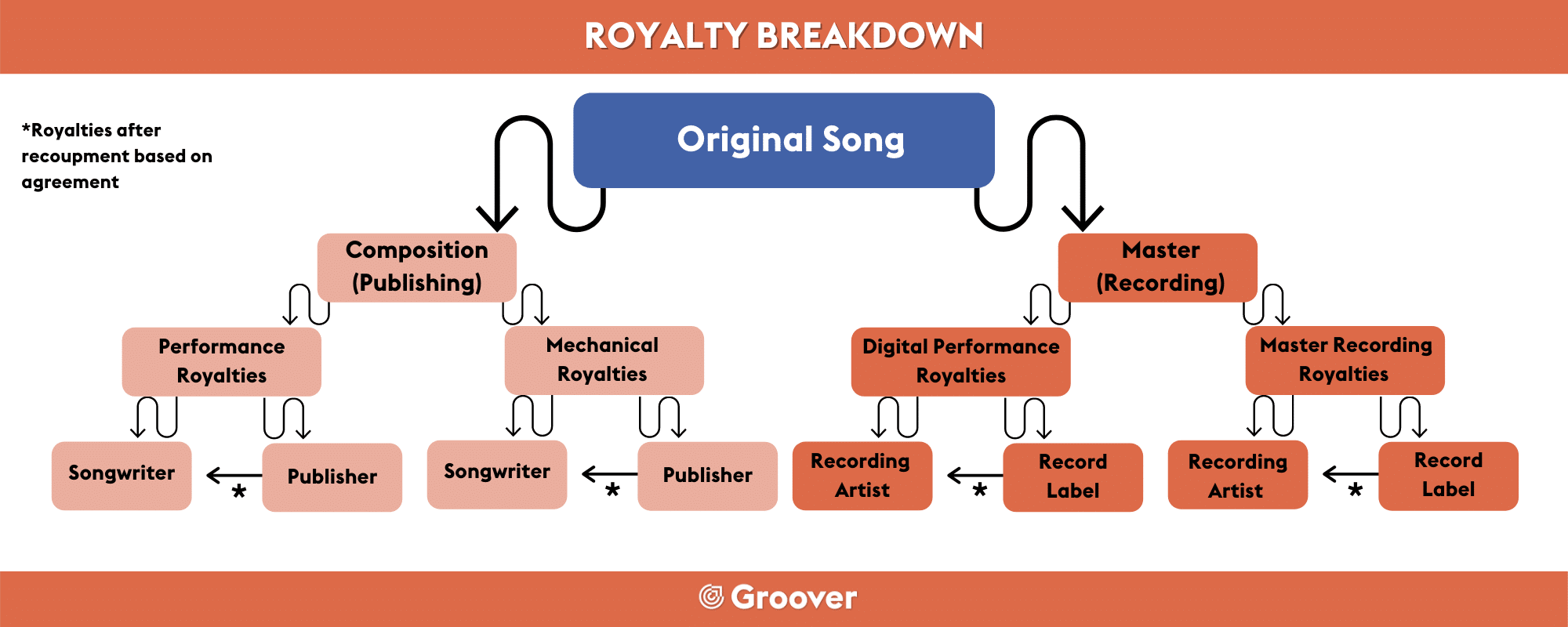
Mechanical royalties specifically compensate the copyright owner of the musical composition for the right to reproduce and distribute their work. It’s crucial to distinguish this from performance royalties, which are paid for the public performance of a song (e.g., on radio, TV, in venues, or via streaming). While both are vital income streams for songwriters, they arise from different rights and are often collected by different entities.
A mechanical royalty is triggered when:
- A song is pressed onto a physical format like a CD, vinyl record, or cassette tape.
- A song is downloaded digitally (e.g., an iTunes purchase).
- A song is streamed on-demand on platforms like Spotify, Apple Music, YouTube, and Amazon Music. Even though streaming feels like a “performance,” the underlying act of making a temporary copy in the user’s device’s cache or a server’s memory constitutes a “reproduction,” thus triggering mechanical royalties.
- A song is used in a “cover” version by another artist.
- A song is included in a ringtone, karaoke track, or other interactive media.
The “mechanical” aspect of the term traces back to the early 20th century when player pianos and phonographs mechanically reproduced music. Though the technology has dramatically advanced, the underlying principle—compensation for reproduction—remains. Who earns them? The songwriters (who write the melody and lyrics) and their music publishers (who administer and promote the compositions) are the primary beneficiaries of mechanical royalties. Recording artists, conversely, primarily earn from master recording royalties (for the sound recording itself).
The Statutory Rate and Calculation
In the United States, the payment rate for mechanical royalties for physical copies and permanent digital downloads is set by statute, specifically by the Copyright Royalty Board (CRB), and administered by the U.S. Copyright Office. This is known as the “statutory mechanical royalty rate.” While the rate can change periodically, it’s typically a fixed per-song, per-unit rate. For example, for physical recordings and permanent downloads, the rate has historically been around 9.1 cents per song, per copy distributed.
For interactive streams and limited downloads (common in subscription services), the calculation is more complex. It’s often based on a percentage of the service’s revenue, after deducting certain expenses, or a minimum per-subscriber amount, whichever is greater. These rates are subject to ongoing negotiations and litigation, reflecting the evolving landscape of digital music consumption.
Calculating mechanical royalties involves multiplying the number of reproductions by the applicable statutory or negotiated rate. For instance, if a song is downloaded 10,000 times at a rate of $0.091, the mechanical royalties generated would be $910. However, this is then typically split between the songwriter and publisher based on their agreement (e.g., 50/50). Understanding these calculations is fundamental for anyone in the music business, transforming abstract legal concepts into tangible financial figures.
The Digital Revolution and Its Impact on Mechanical Royalties (Tech Focus)
The advent of the internet and digital technology has profoundly transformed the music industry, and mechanical royalties are no exception. What was once a relatively straightforward process tied to physical units has become a multifaceted challenge and opportunity, deeply intertwined with technology trends, software, and AI.
Streaming Platforms and Digital Reproduction
The rise of Digital Streaming Platforms (DSPs) like Spotify, Apple Music, YouTube Music, and Tidal has fundamentally altered how music is consumed and, consequently, how mechanical royalties are generated. While these platforms have brought unprecedented access to music for consumers and immense reach for artists, they also introduced significant complexities for royalty collection. Each stream, whether ad-supported or subscription-based, involves the temporary digital reproduction of the musical composition on a user’s device or the platform’s servers, thereby triggering a mechanical royalty.
The sheer volume of data generated by billions of streams globally creates an enormous challenge for accurate tracking and distribution. Furthermore, the global nature of streaming means that a song can be streamed in hundreds of territories, each potentially with different licensing agreements and regulatory frameworks. The lack of standardized metadata across the industry has historically complicated the identification of rights holders, leading to a phenomenon known as “black box” royalties – unpaid royalties held in reserve because the rightful owner cannot be identified. This issue has underscored the critical need for technological solutions to streamline data management and payment processing.
Technology for Tracking and Collection
In response to these challenges, the music industry has increasingly turned to technology to improve the tracking and collection of mechanical royalties.
- Rights Management Software: Companies now utilize sophisticated software platforms that ingest massive amounts of data from DSPs, cross-reference it with comprehensive databases of registered compositions, and calculate royalty payments. These tools automate much of the matching and distribution process, which would be impossible to handle manually.
- AI Tools: Artificial intelligence is beginning to play a role in identifying musical compositions, even when metadata is incomplete or inaccurate. AI algorithms can analyze audio fingerprints, identify cover versions, and even detect snippets of music used in user-generated content, expanding the scope of identifiable royalty-generating events.
- Blockchain Technology: The potential of blockchain in royalty management is a significant area of discussion. A decentralized, immutable ledger could provide unprecedented transparency and efficiency, recording every instance of a composition’s usage and automatically distributing payments to rights holders via smart contracts. This could drastically reduce processing times, minimize disputes, and ensure fair compensation. While not yet fully integrated, pilot projects and discussions around blockchain’s role continue to gain momentum, promising a more equitable and transparent future for royalty distribution.
- The Mechanical Licensing Collective (MLC): In the U.S., the Music Modernization Act of 2018 established The MLC, a non-profit organization designed to administer a blanket mechanical license for digital uses of musical works by eligible streaming services. The MLC uses advanced technology and extensive databases to identify and pay songwriters and publishers, addressing many of the challenges previously faced in digital mechanical royalty collection. This is a prime example of how regulation, coupled with technology, is adapting to the digital landscape.
The Future: AI, Metaverse, and New Royalty Streams
As technology continues to evolve, so too will the landscape of mechanical royalties. The rise of generative AI in music composition poses complex questions about authorship and ownership, potentially creating new categories of rights and royalty streams. How will compositions created, or heavily influenced, by AI be licensed and compensated?
Furthermore, emerging platforms like the metaverse and various Web3 applications present new frontiers for music usage. Will the reproduction of a song within a virtual world or an NFT-based experience trigger mechanical royalties? How will these new forms of “reproduction” be tracked and monetized? These are questions that will require innovative technological solutions and evolving legal frameworks, ensuring that creators continue to be compensated fairly in increasingly immersive and decentralized digital environments.
Maximizing Your Income: Mechanical Royalties as a Financial Cornerstone (Money Focus)
For songwriters, composers, and music publishers, mechanical royalties are not just a legal concept; they are a vital financial asset. Understanding how to register, track, and collect these royalties is crucial for building a sustainable income stream and managing one’s financial future in the music industry.
For Songwriters and Publishers: Ensuring Proper Registration and Collection
The first step to earning mechanical royalties is ensuring your musical compositions are properly registered. In the U.S., this primarily involves registering your work with the U.S. Copyright Office and, importantly, ensuring your publisher (or yourself, if self-published) works with a mechanical licensing administrator.
- The Mechanical Licensing Collective (MLC): As mentioned, The MLC is the primary entity responsible for collecting and distributing digital mechanical royalties in the U.S. for streaming services under the blanket license. Songwriters and publishers must register their works with The MLC to ensure they receive their share of these royalties.
- Harry Fox Agency (HFA): Historically, HFA has been a significant mechanical licensing agency in the U.S., facilitating licenses for physical products and some digital uses. While The MLC now handles the blanket license for interactive streaming, HFA continues to offer other licensing services.
- International Societies: For international uses, mechanical royalties are often collected by local mechanical rights organizations (MROs) or collective management organizations (CMOs) in each territory. A publisher will typically affiliate with these or work with sub-publishers globally to ensure worldwide collection.
- Direct Licensing: In some cases, particularly for larger artists or specific uses, publishers may directly license their compositions to users, negotiating custom rates and terms. This provides greater control but requires significant legal and administrative resources.
The key message here is proactive registration and affiliation with the correct collection societies. Failure to do so can result in significant lost income, with royalties remaining undistributed.
Online Income and Business Finance for Music Creators
For many music creators, mechanical royalties represent a significant portion of their online income. Unlike performance royalties, which can fluctuate with public exposure, mechanical royalties from popular songs can be a more consistent, almost passive, income stream, especially as a song gains traction through downloads and consistent streaming.
- Financial Planning: Integrating mechanical royalty income into personal and business financial planning is essential. This involves forecasting potential earnings, understanding payment schedules, and accounting for taxes.
- Financial Tools: Modern financial tools and platforms can help artists track their royalty statements, categorize income, and manage cash flow. Specialized accounting software designed for the music industry can provide detailed insights into royalty breakdowns from various sources.
- Investing in Your Career: Consistent royalty income can be reinvested into an artist’s career, funding new recordings, marketing campaigns, or equipment, thereby creating a virtuous cycle of creation and monetization. It transforms a passion into a viable business finance model.
Understanding Royalty Statements and Auditing
The complexity of royalty calculations, especially from digital sources across multiple territories, makes understanding royalty statements a critical skill. Statements can be dense, filled with acronyms, and contain data from hundreds of thousands of individual transactions.
- Literacy is Key: Songwriters and publishers need to develop financial literacy to dissect these statements, identify discrepancies, and ensure they are being paid accurately.
- Auditing: In some instances, it may be necessary to conduct an audit of a publisher or licensing agency to verify the accuracy of royalty payments. This is a more advanced step, often requiring specialized legal and accounting expertise, but it underscores the importance of diligent oversight. Regular review of statements helps prevent underpayment and protects the creator’s financial interests.
Protecting Your Brand and Intellectual Property Through Mechanical Royalties (Brand Focus)
Beyond the financial aspects, mechanical royalties play a crucial role in safeguarding a music creator’s brand, intellectual property, and overall reputation. Effective management of these royalties is integral to a robust brand strategy.
The Value of Your Composition: Intellectual Property and Brand Identity
A musical composition is a piece of intellectual property, and its value is directly reflected in the royalties it generates. Mechanical royalties specifically affirm the commercial viability and public demand for a songwriter’s creative work.
- Brand Equity: For an artist or composer, their catalog of songs is a core component of their brand identity. A well-managed catalog that consistently generates mechanical royalties reinforces their creative value and market relevance. It signals to the industry and fans alike that their music is not only appreciated but also actively consumed and reproduced.
- Protection Against Infringement: Properly registering compositions and understanding licensing requirements for mechanical royalties also serves as a frontline defense against unauthorized use and infringement. By ensuring that every reproduction is licensed and compensated, creators protect the integrity of their intellectual property and prevent devaluation of their brand.
Marketing and Distribution Strategies Impacting Royalty Generation
The strategic decisions made in marketing and distributing music have a direct impact on the volume of mechanical royalties generated. A well-executed brand strategy can amplify royalty income significantly.
- Increased Exposure, Increased Royalties: Effective marketing campaigns, whether through social media, traditional media, or strategic partnerships, drive more listens, downloads, and physical sales. Each of these actions directly triggers mechanical royalties. A strong brand presence and targeted marketing can dramatically increase the reach of a composition, leading to higher reproduction rates.
- Strategic Licensing Deals: Publishers, acting on behalf of songwriters, engage in strategic licensing deals (e.g., for cover versions, compilation albums, or synchronization in films/TV) that not only generate mechanical royalties but also expose the composition to new audiences, further solidifying its brand and potential for future income.
- Global Reach: A global distribution strategy ensures that music is available on platforms worldwide. This broadens the scope for reproduction and, consequently, the potential for international mechanical royalty collection, reinforcing a global brand footprint.
Case Studies (Conceptual): Legacy and Value
Consider the enduring value of classic song catalogs from artists like The Beatles, Michael Jackson, or Queen. Decades after their initial release, these compositions continue to generate substantial mechanical royalties from physical reissues, digital downloads, and billions of streams. This consistent income flow is a testament to the timeless appeal of their music, but also to the diligent management of their publishing rights. The sheer volume of mechanical royalties reinforces their status as iconic brands, demonstrating how properly administered intellectual property underpins a lasting legacy and financial success. These catalogs aren’t just collections of songs; they are powerful assets that continue to generate wealth and maintain brand relevance across generations, showcasing the direct link between creative output, astute business management, and enduring brand power.

Conclusion
Mechanical royalties, born from the simple act of reproducing a musical composition, have evolved into a complex yet critical component of the modern music economy. They are a tangible link between a creator’s artistic output and their financial livelihood, profoundly shaped by technological advancements, necessitating keen financial acumen, and serving as a bedrock for brand protection.
For anyone involved in music – from emerging artists and seasoned songwriters to savvy publishers and industry executives – a deep understanding of mechanical royalties is indispensable. It empowers creators to navigate the digital landscape, leverage technology for efficient collection, secure their financial future, and ultimately, safeguard the enduring value and legacy of their intellectual property. As the worlds of technology, finance, and branding continue to intertwine, mastering the intricacies of mechanical royalties will remain a cornerstone for success in the ever-evolving music business.
aViewFromTheCave is a participant in the Amazon Services LLC Associates Program, an affiliate advertising program designed to provide a means for sites to earn advertising fees by advertising and linking to Amazon.com. Amazon, the Amazon logo, AmazonSupply, and the AmazonSupply logo are trademarks of Amazon.com, Inc. or its affiliates. As an Amazon Associate we earn affiliate commissions from qualifying purchases.