
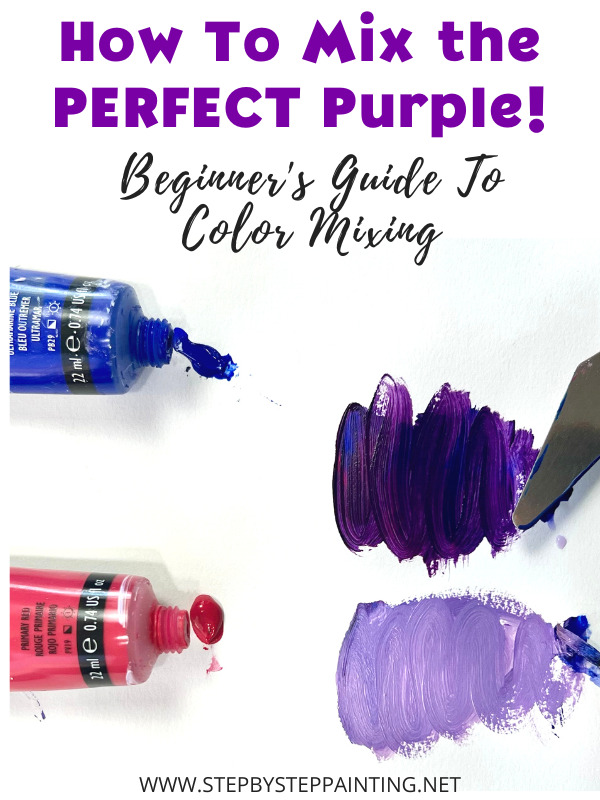
In the competitive landscape of corporate identity and personal branding, the selection of a color palette is rarely a matter of mere aesthetic preference. It is a calculated strategic move designed to elicit specific psychological responses and establish a unique market position. When we ask the fundamental question, “What colors do you mix to make purple?” we are technically asking about the combination of red and blue. However, from a branding perspective, the answer is far more complex.
Mixing purple for a brand involves blending the passionate energy of red with the stable, calming influence of blue. The result is a color that represents luxury, wisdom, and independence. In this guide, we will explore the technical, psychological, and strategic nuances of mixing purple to create a resonant brand identity.
The Foundation of Color Theory in Branding
Before a brand can decide on its signature shade, it must understand the physics and chemistry behind color creation. While a child learns that red plus blue equals purple, a brand strategist must understand the difference between additive and subtractive color mixing and how these processes affect brand perception across various media.
The Primary Blend: Beyond Red and Blue
In the traditional RYB (Red, Yellow, Blue) color model used by painters and designers for centuries, purple is a secondary color. By varying the ratios of red and blue, a brand can create an infinite spectrum of purples.
- Warm Purples: A higher concentration of red leads to magentas and plums. These shades lean into the brand characteristics of excitement, love, and urgency.
- Cool Purples: A higher concentration of blue leads to violets and indigos. These suggest reliability, depth, and serenity.
Choosing the specific “mix” is the first step in defining a brand’s “personality.” A luxury skincare line might lean toward a cool, muted lavender to suggest calm, whereas a disruptive fintech startup might choose a high-saturation, red-leaning violet to signal innovation and energy.
Subtractive vs. Additive Color Models
In modern branding, the “mix” happens in two distinct environments: digital screens and physical print.
- RGB (Red, Green, Blue): This is the additive model used for digital screens. To “mix” purple here, you combine red and blue light. Because light is additive, digital purples can achieve a level of vibrance that is often impossible to replicate in print.
- CMYK (Cyan, Magenta, Yellow, Black): This is the subtractive model used for physical marketing materials. To create purple in print, designers mix Cyan and Magenta.
For a brand to maintain a consistent identity, the strategist must ensure that the purple mixed for a website (RGB) matches the purple mixed for a business card (CMYK). This technical synchronization is what separates amateur logos from professional brand identities.
The Psychology of Purple: Luxury, Mystery, and Ambition
The reason a brand chooses to mix purple is often rooted in the deep-seated psychological associations the human brain has with the color. Because purple is relatively rare in nature, it has historically been associated with rarity, costliness, and the elite.
Historical Significance of the “Royal” Hue
To understand why a brand would choose to mix purple today, we must look at its history. In antiquity, “Tyrian purple” was a dye made from sea snails. It was so labor-intensive to produce that only the wealthiest members of society—royalty and high-ranking clergy—could afford it.
In contemporary branding, this “Royal” association persists. High-end brands mix purple to tap into an subconscious perception of premium quality. When a consumer sees a deep purple, they are conditioned to expect a higher price point and a more exclusive experience. Brands like Hallmark and Asprey utilize this historical weight to signal their status as leaders in their respective niches.
Modern Interpretations in Digital Branding
While history links purple to the monarchy, modern brand strategy has pivoted the color toward the “unconventional.” In the 21st century, mixing purple has become a way for brands to signal that they are different from the “blue” of corporate establishment (like IBM or Dell) and the “red” of retail giants (like Target or Coca-Cola).

Purple sits at the edge of the visible spectrum, just before ultraviolet. This gives it an “out of this world” quality. For this reason, brands in the creative, spiritual, or innovative sectors often choose purple. It suggests a brand that isn’t afraid to think outside the box or challenge the status quo. By mixing the stability of blue and the action of red, purple creates a balance that suggests “controlled creativity.”
Technical Execution: Achieving the Perfect Purple Mix
Once a brand has decided on its strategic direction, the technical execution becomes paramount. Mixing the right colors is not just about the initial design; it’s about ensuring that the color remains consistent across every touchpoint of the brand’s ecosystem.
Hex Codes and Pantone Matching Systems (PMS)
In a professional brand style guide, “purple” is never just purple. It is defined by precise numerical values.
- Hex Codes: Used primarily for web design (e.g., #60269E). This ensures the developer uses the exact “mix” intended by the designer.
- Pantone (PMS): This is the gold standard for brand consistency. By selecting a specific Pantone spot color, a brand ensures that a printer in New York and a printer in Tokyo will produce the exact same shade of purple.
When mixing colors for a brand, the designer must test the “readability” of the purple. Dark purples can often be mistaken for black in low-light environments, while light purples can wash out against white backgrounds. Strategic mixing involves adjusting the “K” (black) or “W” (white) components to ensure the brand remains legible and accessible.
Maintaining Consistency Across Multi-Channel Platforms
The challenge of the “purple mix” is that it is one of the most difficult colors to keep consistent. The human eye is highly sensitive to shifts in blue and red. If a brand’s social media ads look violet but their packaging looks maroon, the consumer’s trust is subtly eroded.
A professional brand strategy includes a “Color Audit,” where the mixed purple is tested across:
- Mobile Screens: (OLED vs. LCD)
- Uncoated Paper: (Which absorbs more ink, making colors darker)
- Fabric/Textiles: (For corporate apparel)
- Outdoor Signage: (Where UV rays can fade the red pigments faster than blue)
Case Studies: Brands That Own the Purple Spectrum
Looking at successful brands helps us understand the “why” behind the “mix.” These organizations have moved beyond the basic question of what colors make purple and have instead focused on how purple makes their customers feel.
Cadbury and the Power of Trademarked Color
Cadbury is perhaps the most famous example of a brand “owning” a specific mix of purple. Their signature shade (Pantone 2685C) was created to honor Queen Victoria. For over a century, that specific mix of deep, warm purple has become synonymous with chocolate and luxury.
Cadbury’s strategy was so successful that they famously engaged in legal battles to protect their right to use that specific purple mix. This highlights a key lesson in brand strategy: once you find the perfect mix of colors, that color becomes an intangible asset of the company, as valuable as a trademark or a patent.
Twitch and the Cultural Shift Toward Vibrant Purples
The streaming platform Twitch provides a modern contrast. Instead of the “royal” purple of Cadbury, Twitch uses a vibrant, high-saturation “Electric Purple.” This mix leans heavily into the blue-light capabilities of modern screens.
By choosing this specific mix, Twitch positioned itself as the home for gamers and digital natives. The color is energetic, youthful, and stands out brilliantly against the “Dark Mode” interfaces common in gaming. They didn’t just mix red and blue; they mixed a digital identity that feels proprietary to the internet age.

Conclusion: The Strategic Value of the Mix
So, what colors do you mix to make purple? In the world of branding, you mix psychology, history, technical precision, and market positioning.
Red and blue are the ingredients, but the “purple” that results is a powerful tool for communication. Whether you are aiming for the luxury of a heritage brand or the disruptive energy of a tech startup, the specific ratio of your mix will define how the world perceives your identity. A professional brand does not just pick a color; it masters the alchemy of the mix to create a visual signature that is recognizable, consistent, and emotionally resonant. In the end, the right mix of purple doesn’t just make a color—it makes a brand.
aViewFromTheCave is a participant in the Amazon Services LLC Associates Program, an affiliate advertising program designed to provide a means for sites to earn advertising fees by advertising and linking to Amazon.com. Amazon, the Amazon logo, AmazonSupply, and the AmazonSupply logo are trademarks of Amazon.com, Inc. or its affiliates. As an Amazon Associate we earn affiliate commissions from qualifying purchases.