
Collagen. The word itself conjures images of supple skin, strong joints, and a youthful glow. In recent years, collagen powder has exploded into the wellness market, a ubiquitous supplement touted for its myriad benefits. But beyond the glossy marketing and aspirational lifestyle imagery, what exactly is collagen powder? And more importantly, how does it intersect with the realms of technology, brand perception, and the financial decisions we make?
This article dives deep into the world of collagen powder, not just as a health supplement, but as a product influenced by and influencing the very topics that drive our digital lives and economic choices. We’ll explore its scientific underpinnings, the sophisticated branding that propels its popularity, and the financial considerations for both consumers and businesses in this booming industry.

The Science Behind the Supplement: Decoding Collagen’s Role in Your Body
At its core, collagen powder is derived from collagen, the most abundant protein in the human body. It’s the primary structural component of connective tissues, including skin, bones, tendons, ligaments, and cartilage. Think of it as the “glue” that holds your body together, providing strength, elasticity, and resilience.
Our bodies naturally produce collagen, but this production begins to decline with age, typically starting in our mid-20s. This decline contributes to common signs of aging, such as wrinkles, sagging skin, joint stiffness, and a higher risk of bone fragility. Collagen powder aims to replenish these diminishing stores.
Sources and Processing: From Animal to Edible Elixir
The collagen used in powders is almost always sourced from animals. The most common sources include:
- Bovine Collagen: Derived from cows, this is rich in types I and III collagen, which are abundant in skin, bones, and tendons. It’s a popular choice for its perceived benefits for skin and joint health.
- Marine Collagen: Sourced from fish, particularly their skins and scales, marine collagen is primarily type I collagen. It’s often considered more easily absorbed by the body and is a preferred choice for those looking to improve skin elasticity and hydration.
- Porcine Collagen: Derived from pigs, this source contains types I and III collagen, similar to bovine.
- Chicken Collagen: Typically sourced from chicken sternum, this provides type II collagen, which is particularly important for cartilage health and joint support.
The process of turning these animal parts into a digestible powder involves several key steps:
- Extraction: Collagen is extracted from the animal tissues. This often involves heating the raw materials in water, a process called hydrolysis.
- Hydrolysis: This is a crucial step where the large collagen molecules are broken down into smaller peptide chains. These “collagen peptides” are what you find in the powder. Hydrolysis makes the collagen more soluble and easier for the body to absorb and utilize.
- Purification and Drying: The resulting liquid is then purified to remove impurities, and finally, it’s dried and ground into a fine powder.
Technological Advancements in Extraction and Processing:
The efficiency and purity of collagen powder are directly linked to the technology employed in its production. Sophisticated techniques have emerged to optimize extraction yields and minimize the degradation of collagen’s beneficial properties.
- Enzymatic Hydrolysis: Modern manufacturers often utilize specific enzymes to precisely break down collagen into peptides of optimal size for absorption. This controlled process ensures a more consistent and potent product compared to older, less refined methods.
- Advanced Filtration and Purification: Technologies like ultrafiltration and chromatography are employed to remove any unwanted byproducts or contaminants, ensuring a high-purity collagen powder. This is particularly important for products marketed for sensitive consumers or those with specific dietary needs.
- Molecular Weight Analysis: Advanced analytical techniques, such as gel electrophoresis or mass spectrometry, are used to determine the molecular weight distribution of the collagen peptides. This data is crucial for understanding bioavailability and ensuring product quality, allowing brands to make scientifically backed claims.
The “tech” aspect here is not just about the machinery; it’s about the applied science that underpins the creation of a high-quality, bioavailable supplement. Brands that invest in these technologies can differentiate themselves by offering demonstrably superior products.
The Brand Powerhouse: Crafting Desire and Trust in the Collagen Market
The collagen powder industry is a prime example of how effective branding can transform a functional ingredient into a coveted lifestyle product. The marketing strategies employed are often sophisticated, leveraging visual appeal, influencer endorsements, and carefully crafted narratives.
Decoding the Marketing Mix: From Aesthetics to Aspirations
When you encounter collagen powder on shelves or online, it’s rarely just a plain white powder. The packaging, branding, and messaging are meticulously designed to evoke specific feelings and associations:
- Visual Appeal: Think muted pastel colors, minimalist designs, elegant fonts, and imagery of glowing skin, vibrant health, or serene wellness practices. This aesthetic immediately signals a premium product and aligns with consumer desires for self-care and natural beauty.
- Storytelling: Brands often weave narratives around the origin of their collagen, the purity of their sourcing, and the transformative impact it can have on users’ lives. These stories tap into emotional connections and build a sense of trust and authenticity.
- Influencer Marketing: A significant driver of collagen powder’s popularity has been its embrace by wellness and beauty influencers. These individuals showcase their personal experiences with collagen, demonstrating its integration into their daily routines and endorsing its perceived benefits to their engaged followers. This creates social proof and aspirational appeal.
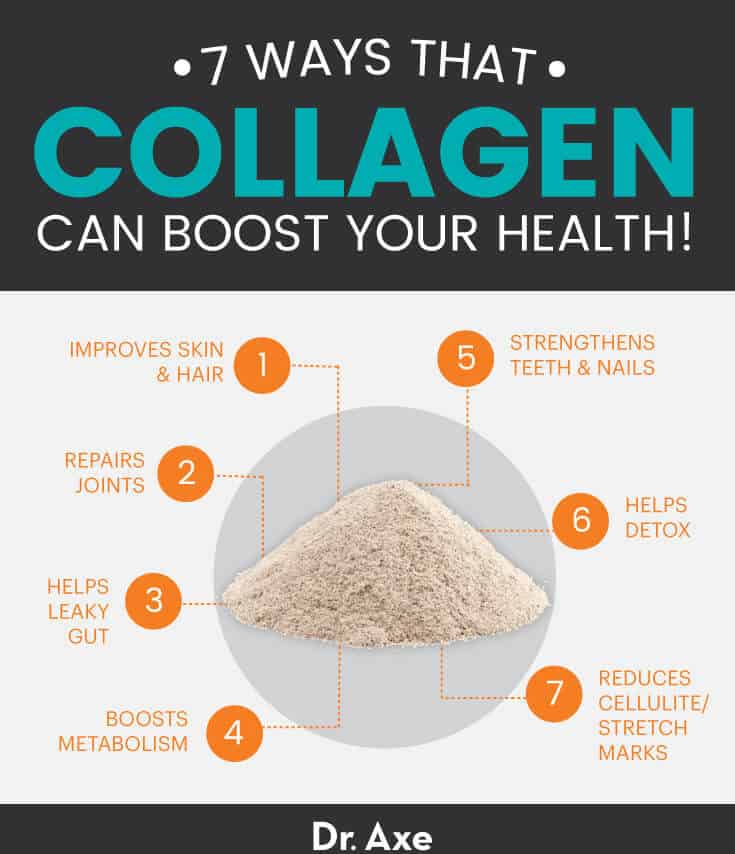
- Benefit-Oriented Messaging: Marketing materials heavily emphasize the tangible outcomes: “smoother skin,” “stronger hair,” “reduced joint pain,” “improved gut health.” While these benefits are rooted in the properties of collagen, the way they are presented is often aspirational and problem-solution focused.
Brand Strategy and Digital Presence:
In today’s market, a brand’s digital footprint is as crucial as its physical presence.
- Social Media Dominance: Platforms like Instagram and TikTok are battlegrounds for collagen brands. High-quality photography, engaging video content, user-generated content campaigns, and targeted advertising are essential for reaching consumers. Brands invest heavily in content creation that showcases the product in aspirational settings and educates consumers in an accessible way.
- Website and E-commerce: A well-designed website is no longer just an online brochure. It’s a hub for education, community building, and direct sales. Brands utilize SEO (Search Engine Optimization) to ensure they appear in searches for terms like “what is collagen powder,” and they leverage e-commerce platforms to streamline the purchasing process.
- Building Community and Loyalty: Many brands foster online communities through private Facebook groups, loyalty programs, and subscription services. This not only encourages repeat purchases but also creates a valuable feedback loop for product development and marketing refinement.
- Transparency and Trust Signals: In an industry where efficacy can be subjective, brands build trust through transparency. This can include detailed ingredient lists, third-party testing certifications, and clear explanations of their sourcing and manufacturing processes. This addresses potential consumer skepticism and reinforces their brand image.
The success of a collagen powder brand often hinges on its ability to translate scientific potential into a desirable lifestyle. This requires a deep understanding of consumer psychology, a strong visual identity, and a consistent, engaging digital presence.
The Financial Landscape: Investing in Health, Building Businesses
The burgeoning collagen powder market represents significant financial opportunities, both for consumers making purchasing decisions and for entrepreneurs building businesses within this sector.
Consumer Spending: The Cost of Beauty and Wellness
For the individual consumer, incorporating collagen powder into their diet is a financial decision influenced by a variety of factors:
- Price Point: Collagen powders vary significantly in price, often ranging from $20 to $60 or more for a standard tub. Factors influencing price include the type of collagen (marine collagen is often more expensive), the brand’s reputation, the sourcing of ingredients, and any added ingredients (like vitamins or flavors).
- Perceived Value: Consumers weigh the cost against the perceived benefits. If someone is experiencing joint pain or noticing significant skin aging, they may be more willing to invest in collagen powder, viewing it as a proactive measure for their health and appearance.
- Subscription Models and Bulk Purchases: Many brands offer subscription services that provide a discount for regular deliveries. This can be a cost-effective way to ensure a consistent supply, but it also requires a commitment. Buying in larger quantities can also reduce the per-serving cost.
- Market Saturation and Choice: The sheer volume of collagen powder options can be overwhelming, leading to price wars and promotional offers. Consumers must navigate this landscape to find a product that offers good value for money without compromising on quality.
Financial Tools for Smart Consumer Choices:
- Budgeting for Supplements: Integrating collagen into a personal finance plan requires allocating a specific budget for health and wellness products. This might involve adjusting spending in other categories to accommodate the cost.
- Comparison Shopping and Reviews: Utilizing online comparison tools and reading genuine customer reviews can help consumers identify products that offer good value and are well-regarded for their effectiveness and taste.
- Understanding ROI (Return on Investment): While difficult to quantify precisely, consumers often consider the “return on investment” in terms of improved well-being, confidence, and potentially reduced long-term healthcare costs related to joint health.
Entrepreneurial Ventures and Business Finance
For those looking to enter the collagen powder market, the financial considerations are on a much larger scale:
- Startup Costs: Establishing a collagen powder business involves significant investment in sourcing raw materials, manufacturing (either in-house or outsourced), packaging, marketing, distribution, and regulatory compliance.
- Supply Chain Management: Securing reliable and ethical sources of animal collagen is a critical aspect of business finance. Fluctuations in raw material prices or availability can significantly impact profitability.
- Marketing and Advertising Budgets: As discussed, branding and marketing are paramount in this competitive space. Brands must allocate substantial funds to digital advertising, influencer collaborations, content creation, and public relations.
- Product Development and Innovation: Investing in research and development to create specialized collagen formulas (e.g., for specific health concerns, or with enhanced bioavailability) can be a differentiator but requires ongoing financial commitment.
- Profit Margins and Scalability: Understanding the profit margins per unit and the potential for scaling production to meet growing demand is crucial for long-term financial success. The direct-to-consumer (DTC) model has proven particularly effective for many collagen brands, allowing for higher profit margins by cutting out intermediaries.
- Investment and Funding: Many collagen powder businesses are seeking investment to fuel growth. This can come from venture capital, angel investors, or through crowdfunding platforms, each with its own financial implications and reporting requirements.
The financial success of collagen powder businesses is intrinsically linked to their ability to command premium pricing through effective branding, invest wisely in technology and marketing, and manage their supply chains efficiently. For consumers, it’s about making informed choices within a dynamic and often expensive market, viewing it as an investment in their personal health and well-being.

Conclusion: Collagen Powder in the Interconnected World
Collagen powder is more than just a trend; it’s a product deeply embedded within the fabric of our modern, interconnected world. From the technological advancements that ensure its quality and bioavailability to the sophisticated branding that drives its desirability, and the significant financial considerations for both consumers and businesses, it offers a fascinating case study.
As consumers, understanding “what is collagen powder” goes beyond simply knowing it’s a protein supplement. It involves appreciating the science, critically evaluating the marketing, and making financially sound decisions about its place in our wellness routines. For businesses, success in this arena requires a multi-faceted approach, integrating cutting-edge technology, masterfully crafted brand identities, and astute financial management. The collagen powder market continues to evolve, and its trajectory will undoubtedly be shaped by ongoing innovation, shifting consumer priorities, and the ever-present influence of technology, branding, and economics.
aViewFromTheCave is a participant in the Amazon Services LLC Associates Program, an affiliate advertising program designed to provide a means for sites to earn advertising fees by advertising and linking to Amazon.com. Amazon, the Amazon logo, AmazonSupply, and the AmazonSupply logo are trademarks of Amazon.com, Inc. or its affiliates. As an Amazon Associate we earn affiliate commissions from qualifying purchases.