
In the rapidly evolving landscape of competitive gaming, the difference between victory and defeat often rests on a knife’s edge. While high-refresh-rate monitors and low-latency mice are frequently cited as the primary tools for success, audio remains one of the most underutilized tactical assets in a gamer’s arsenal. Recognizing this, Turtle Beach—a pioneer in the gaming headset industry—developed a proprietary audio processing technology known as “Superhuman Hearing.”
This technology is not merely a marketing buzzword; it is a sophisticated Digital Signal Processing (DSP) preset designed to manipulate the frequency response of a headset to highlight specific, game-critical sounds. By understanding what Superhuman Hearing is, how it functions mechanically, and where it fits into the broader ecosystem of gaming hardware, players can better leverage their equipment to gain a tangible competitive advantage.

The Technical Mechanics of Superhuman Hearing
At its core, Superhuman Hearing is a specialized equalization (EQ) profile that emphasizes the frequencies most associated with tactical information. In a standard audio profile designed for immersion, the soundstage is balanced to provide deep bass for explosions and crisp highs for orchestral soundtracks. While this creates a cinematic experience, it often masks the subtle auditory cues that are vital in a multiplayer environment.
Frequency Manipulation and Digital Signal Processing
Superhuman Hearing works by identifying and boosting specific frequency ranges—typically those in the mid-to-high register—where sounds like footsteps, weapon reloads, and distant vehicle engines reside. Simultaneously, it compresses or lowers the volume of lower-frequency sounds, such as heavy explosions or ambient environmental noise.
By narrowing the dynamic range of the audio, the technology ensures that quiet sounds are amplified to a level where the human ear can easily detect them, even in the heat of a chaotic firefight. This is achieved through real-time DSP, which analyzes the incoming game audio and applies the EQ curve instantly, ensuring there is no perceptible lag between the action on screen and the sound in the earcups.
The Auditory “Sweet Spot”
Acoustic engineers at Turtle Beach have identified a specific “sweet spot” in the audio spectrum where most competitive cues exist. Footsteps on wood, grass, or metal each have distinct frequency signatures. Superhuman Hearing isolates these signatures, making them stand out against the backdrop of a game’s sound design. This process is similar to how a photographer might use a high-contrast filter to make specific details pop in a busy image; it sacrifices naturalism for clarity and utility.
Tactical Advantages in Competitive Gameplay
The primary objective of Superhuman Hearing is to enhance “situational awareness.” In high-stakes shooters like Call of Duty: Warzone, Apex Legends, or Valorant, information is the most valuable currency. Knowing where an enemy is before you see them allows for “pre-firing” (shooting at a corner before an enemy rounds it) and better positioning.
Detecting Stealthy Movements
One of the most significant challenges in modern first-person shooters (FPS) is the “flank.” Players often use stealth mechanics or specific perks to dampen their sound. Superhuman Hearing counters this by elevating the floor of the audio. When an enemy is crouching or walking slowly nearby, the faint rustle of their gear or the soft thud of their boots is brought to the forefront. This gives the user a split-second head start to turn and face the threat, effectively negating the element of surprise.
Identifying Distance and Direction
While Superhuman Hearing is an EQ preset, it works in tandem with spatial audio technologies like Windows Sonic, Dolby Atmos, or PlayStation’s Tempest 3D AudioTech. By making quiet cues louder, the directional imaging of these spatial technologies becomes more effective. A player can not only hear that someone is reloading their weapon but can also pinpoint whether that reload is happening behind a wall to the left or in a room on the floor above. This level of spatial mapping allows for a more “three-dimensional” understanding of the digital battlefield.
Strategic Resource Management
Beyond footsteps, Superhuman Hearing highlights sounds that indicate an enemy’s status. The metallic “clink” of a grenade pin being pulled, the hiss of a healing stim, or the specific hum of a character’s ultimate ability charging up are all amplified. For a high-level player, these sounds are indicators of vulnerability. Hearing an enemy reload or heal allows a player to push aggressively, knowing their opponent is momentarily unable to return fire.
Implementation Across the Turtle Beach Ecosystem
Turtle Beach has integrated Superhuman Hearing into a wide array of their hardware, ranging from entry-level wired headsets to flagship wireless models. This democratization of the technology ensures that players at various price points can access professional-grade audio tools.
Wireless Integration and One-Touch Activation
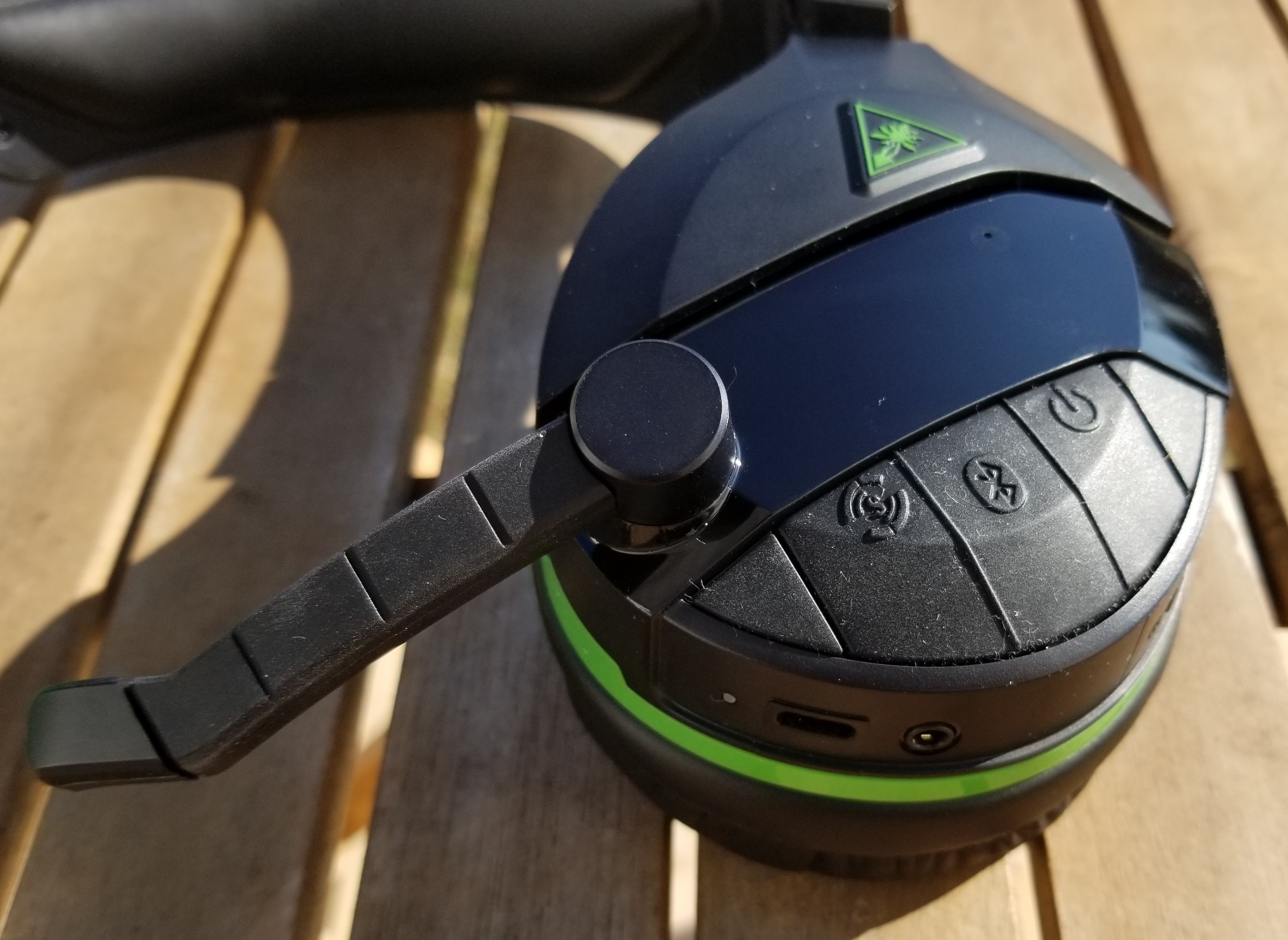
In the popular Stealth series, such as the Stealth 600 and Stealth 700 Gen 2 MAX, Superhuman Hearing is often mapped to a physical button on the earcup. This allows players to toggle the feature on and off without leaving the game or opening a software menu. This is particularly useful for players who want the tactical advantage during intense combat but prefer a more natural sound during cutscenes or downtime.
The Turtle Beach Audio Hub
For more granular control, the Turtle Beach Audio Hub software (available on PC, Mac, and mobile devices) allows users to adjust the intensity of the Superhuman Hearing effect. Some players find the standard preset a bit too sharp or “tinny,” so the ability to dial back the boost or combine it with other presets allows for a customized experience. In newer models, firmware updates continue to refine the DSP algorithms, ensuring the tech evolves alongside changing game engine audio designs.
Cross-Platform Consistency
Whether a player is on Xbox, PlayStation, PC, or Nintendo Switch, the Superhuman Hearing processing usually happens on the headset’s internal chip (in wireless models) or via an inline controller (in some wired models). This means the benefit is consistent across platforms, regardless of the console’s native audio limitations.
Immersion vs. Performance: The User Trade-off
It is important to note that Superhuman Hearing is a performance tool, not a lifestyle audio setting. Using it changes the intended “mix” of the game’s sound designers, which leads to a specific set of trade-offs that users should understand.
The “Tinny” Profile
Because Superhuman Hearing emphasizes high frequencies and suppresses bass, the overall audio profile can sound “thin” or “metallic” compared to standard settings. Explosions will lose their cinematic “thump,” and the environment may sound less atmospheric. For players who enjoy the narrative and “feel” of a game, Superhuman Hearing might detract from the experience. It is a utility designed for winning, not for relaxation.
Cognitive Load and Auditory Fatigue
Amplifying every small sound can lead to a higher cognitive load during long gaming sessions. The brain is forced to process more auditory information than usual. Some users report “auditory fatigue” after several hours of use, as the sharp, high-frequency cues can be more taxing on the ears than a balanced, bass-heavy mix. Consequently, most competitive players use Superhuman Hearing selectively during ranked matches rather than during casual play.
The Future of Specialized Gaming Audio
As we look toward the future of gaming technology, features like Superhuman Hearing are becoming the baseline for what gamers expect from high-end peripherals. The next frontier involves the integration of artificial intelligence and machine learning into audio processing.
AI-Driven Audio Profiling
Future iterations of this technology may use AI to dynamically adjust EQ curves based on the specific game being played. Rather than a static “Superhuman Hearing” toggle, a headset might recognize it is playing Counter-Strike 2 and automatically optimize for the specific sound of a bomb being defused or a sniper rifle being cocked.

Personalized HRTF (Head-Related Transfer Function)
Turtle Beach and other industry leaders are exploring ways to personalize audio even further. Because every person’s ears are shaped differently, the way we perceive sound direction varies. Combining Superhuman Hearing’s frequency boosting with personalized 3D audio profiles could create an unparalleled level of accuracy in gaming, making the “digital ear” even more sensitive than the human ear.
In conclusion, Turtle Beach Superhuman Hearing represents a significant leap in how hardware can influence software performance. By stripping away the unnecessary “noise” of a game’s soundscape and focusing on the raw data points required for victory, it transforms a headset from a mere output device into a sophisticated tactical sensor. For the competitive gamer, it provides a window into the unseen, turning the faintest whisper of a movement into a clear signal for action. While it may sacrifice the cinematic grandeur of modern game design, the trade-off—precision, awareness, and performance—is one that many are willing to make in the pursuit of the win.
aViewFromTheCave is a participant in the Amazon Services LLC Associates Program, an affiliate advertising program designed to provide a means for sites to earn advertising fees by advertising and linking to Amazon.com. Amazon, the Amazon logo, AmazonSupply, and the AmazonSupply logo are trademarks of Amazon.com, Inc. or its affiliates. As an Amazon Associate we earn affiliate commissions from qualifying purchases.