
Third spacing represents a complex financial and operational phenomenon that often disrupts the equilibrium of a business’s liquidity, resource allocation, and long-term sustainability. While the term is frequently borrowed from medical terminology to describe fluid shifting, in the context of corporate finance and business management, “third spacing” refers to the “hidden” or “trapped” capital that resides neither in primary operational accounts nor in high-yield investment vehicles. Instead, this capital occupies a volatile, non-productive middle ground where it is obscured by inefficient processes, misaligned strategy, or systemic friction.
When a company experiences third spacing, it effectively loses control over its cash flow velocity. This article explores the core drivers of this phenomenon, how it erodes the financial health of an organization, and the strategies required to reclaim trapped capital.
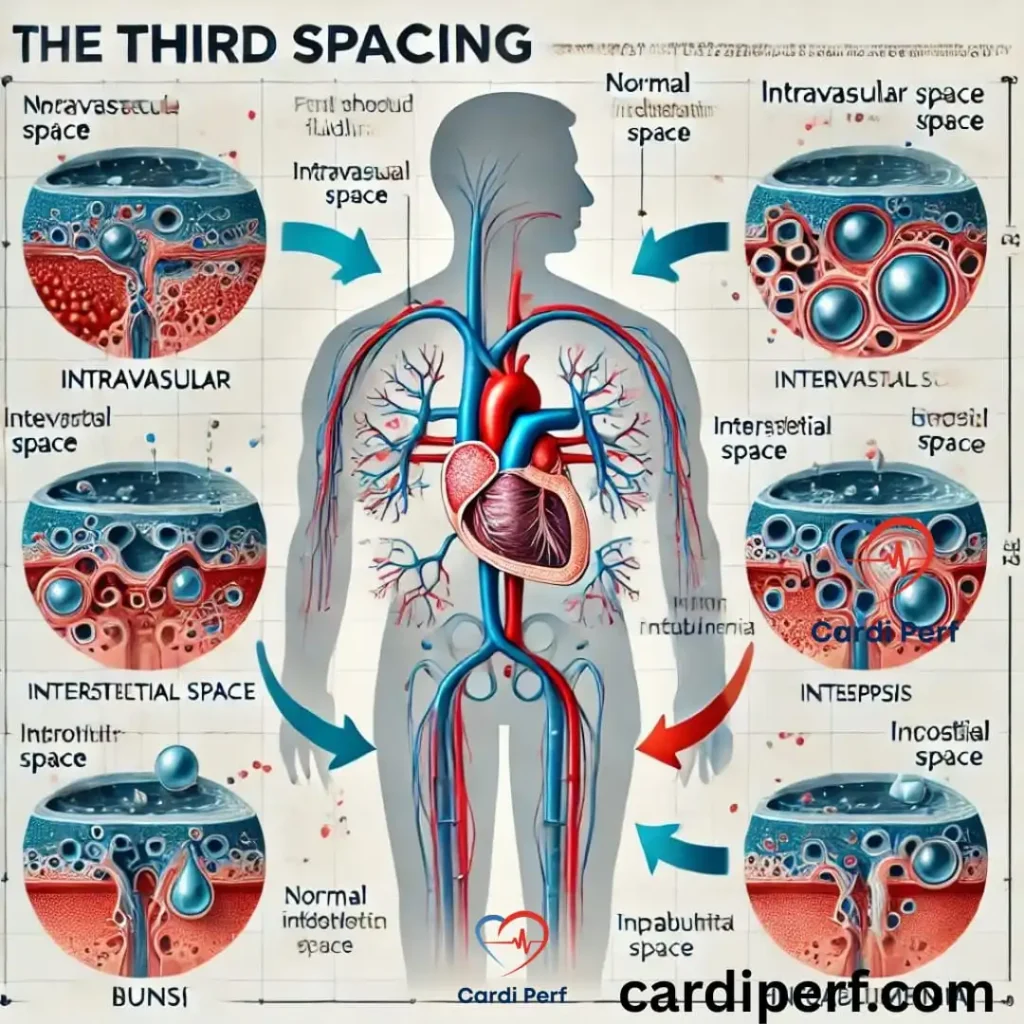
The Structural Drivers of Financial Third Spacing
The primary cause of third spacing is often structural rather than tactical. When organizational silos grow too rigid, information and capital flow become restricted, leading to “dead zones” where assets are committed but non-functional.
Over-Capitalization of Inactive Assets
Many firms fall into the trap of over-investing in infrastructure or inventory that does not contribute to the immediate revenue cycle. In accounting terms, this is often reflected as an asset, but in practical cash-flow terms, it is “third-spaced.” The capital is tied up in physical or digital assets that have lost their market relevance. Because this capital is not liquid, it cannot be reinvested into high-growth opportunities, effectively creating a financial anchor that slows down the organization’s agility.
Friction in the Accounts Receivable Cycle
Third spacing is frequently a symptom of poor credit control and slow realization of revenue. When a company delivers goods or services but faces an elongated collection cycle, the revenue exists on paper but is physically absent from the bank account. This creates a vacuum in the business’s operating budget. While management assumes the money is “earned,” the reality is that the capital is trapped in a third-space state—no longer an expense, but not yet an investable liquid asset. This gap often forces companies to take on short-term debt to cover operational expenses, incurring interest costs against revenue that has not yet materialized.
Operational Inefficiencies as Capital Drains
Operational friction acts as a secondary engine for third spacing. When internal processes are inefficient, they consume resources without delivering corresponding value, effectively bleeding capital into a void where it serves no strategic purpose.
Supply Chain and Inventory Bloat
Inventory is perhaps the most common repository for third-spaced capital. When procurement strategies are based on outdated demand forecasts, companies end up with significant capital tied up in warehouses. This is capital that cannot be moved to marketing, R&D, or debt reduction. The costs associated with third-spaced inventory include not only the purchase price but also storage, insurance, and the opportunity cost of that capital being stagnant. When inventory sits for months, it is functionally removed from the economy of the business, creating a financial vacuum that must be filled by external financing.

The Hidden Costs of Process Redundancy
Administrative bloat and process redundancy represent another form of third spacing. When teams are forced to navigate convoluted approval workflows or rely on fragmented legacy software, the cost of labor increases without a parallel increase in output. This essentially traps salary capital in non-productive “waiting periods.” When a project is delayed by internal bureaucracy, the wages paid during that delay are essentially diverted into the third space—capital spent with zero tangible ROI.
Strategic Misalignment and Capital Allocation
Strategy is the rudder of any enterprise; when it is misaligned, capital inevitably drifts into the third space. Misallocation occurs when leadership focuses on vanity metrics or legacy projects that no longer align with the company’s current market position.
The Sunk Cost Fallacy in Digital Transformation
In the current landscape, many businesses invest heavily in software suites or digital infrastructure that they lack the organizational maturity to utilize effectively. This creates “shelfware”—expensive licenses and systems that sit underused. The capital allocated to these projects is trapped. It is not generating revenue, nor is it improving operational efficiency. Instead, it creates a recurring financial drain that obscures the true cost of doing business. By failing to integrate these tools, the company leaves its capital in a state of purgatory, where it provides no utility to the bottom line.
Inconsistent Capital Reinvestment Strategy
Companies often suffer from a lack of clarity regarding how excess capital should be deployed. When a business keeps its surplus cash in low-interest accounts without a defined strategy for compounding that wealth, it is engaging in a form of financial third spacing. By failing to move that capital into high-yield instruments, R&D, or talent acquisition, the business is allowing inflation to erode its purchasing power. The capital is technically available, but it is not working. It has exited the productive cycle of the business without entering a productive investment cycle, remaining in a dormant state that weakens the company’s competitive edge.
Mitigating Third Spacing Through Rigorous Liquidity Management
To resolve the issue of third spacing, organizations must implement a “radical transparency” approach to their balance sheets. This requires moving beyond traditional accounting metrics and focusing on the velocity of money within the firm.
Implementing Velocity Tracking
Managers must track how quickly a dollar moves from an investment into an operational output and back into revenue. By identifying the specific points in the cycle where money “stalls”—such as accounts receivable or excess inventory—leaders can identify the exact sources of third spacing. Reducing the Days Sales Outstanding (DSO) and optimizing Inventory Turnover Ratios are not just accounting goals; they are the primary defenses against capital entrapment.
Dynamic Resource Allocation
Agility is the antidote to third spacing. High-performing organizations utilize a “rolling forecast” model, allowing them to reallocate funds in real-time based on actual market performance rather than stagnant annual budgets. By treating capital as a fluid resource that must constantly be moving toward the highest-ROI activities, companies can shrink the third space. When a project or asset ceases to perform, the organization must have the discipline to liquidate or pivot immediately.

Embracing Financial Technology
Modern financial tools allow for real-time visibility into the movement of capital. Automated invoicing, AI-driven demand forecasting, and integrated ERP systems help eliminate the “dead zones” where cash usually sits idle. By digitizing the movement of capital and automating workflows, businesses can reduce the friction that leads to third spacing. Technology acts as the bridge that moves capital out of the vacuum and back into the engine of growth.
In conclusion, third spacing is a hidden tax on business efficiency. It is caused by a lack of operational velocity, poor inventory management, and strategic inertia. By identifying where capital is currently trapped and implementing systems to accelerate its flow, business leaders can transform stagnant assets into powerful drivers of growth. Addressing third spacing is not merely an exercise in accounting—it is the process of reclaiming the full potential of an organization’s financial future.
aViewFromTheCave is a participant in the Amazon Services LLC Associates Program, an affiliate advertising program designed to provide a means for sites to earn advertising fees by advertising and linking to Amazon.com. Amazon, the Amazon logo, AmazonSupply, and the AmazonSupply logo are trademarks of Amazon.com, Inc. or its affiliates. As an Amazon Associate we earn affiliate commissions from qualifying purchases.