
For many, the rhythm of the stock market is defined by the opening and closing bells, marking a clear 9:30 AM to 4:00 PM ET trading window on weekdays. Yet, for seasoned investors and active traders, the market rarely truly sleeps. The concept of “aftermarket trading,” more accurately termed extended-hours trading, extends the battleground for capital far beyond these conventional hours. Understanding when these extended sessions begin and end, their nuances, risks, and opportunities, is crucial for anyone looking to navigate the modern financial landscape with confidence and insight.
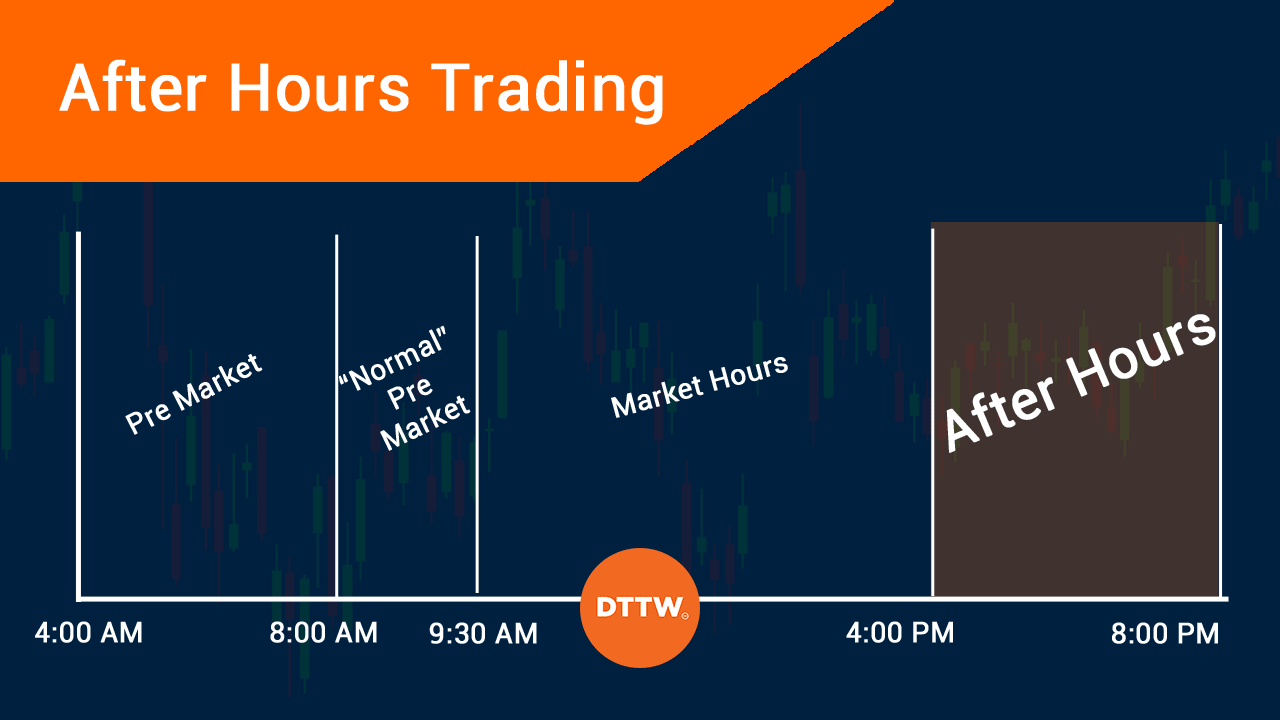
Extended-hours trading encompasses both “pre-market” and “after-hours” sessions, allowing participants to react to breaking news, economic data, and corporate earnings reports that often emerge outside standard market times. This article delves into the specifics of these sessions, exploring the typical end times for aftermarket trading across major exchanges, outlining the benefits and drawbacks, and offering strategic insights for those who dare to trade beyond the bell.
Demystifying Extended Trading: Beyond the Conventional Bell
The allure of trading when the “main” market is closed stems from a desire for continuous access and the ability to capitalize on information as it unfolds. However, it’s a world distinct from the regular trading day, characterized by different dynamics and rules.
Defining Pre-Market and After-Hours Sessions
While often lumped together, it’s helpful to distinguish between the two primary extended trading periods:
-
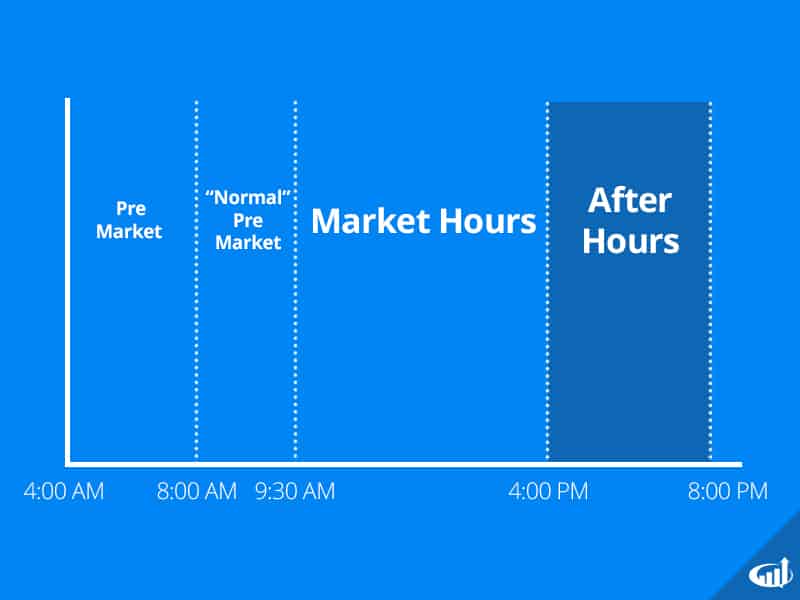
Pre-Market Trading: This session typically begins before the official market open, often as early as 4:00 AM ET and running until 9:30 AM ET. It allows investors to position themselves ahead of the day’s regular session, reacting to overnight news or pre-market earnings announcements.
-
After-Hours Trading: This session commences immediately after the regular market close at 4:00 PM ET and can extend significantly into the evening. Depending on the exchange and brokerage, after-hours trading can run until 8:00 PM ET, or even later for certain securities and platforms. This is the primary focus of the “aftermarket trading end time” query, referring to the conclusion of this post-regular-hours activity.
These extended sessions are facilitated by electronic communication networks (ECNs) rather than the traditional exchange floor, allowing for rapid matching of buy and sell orders.
Why Extended Trading Exists: Market Dynamics and Global Influences
The move towards extended trading hours is a natural evolution driven by several factors:
-
Globalization of Markets: Financial news and events don’t adhere to a single time zone. A major economic announcement in Asia or Europe, or an earnings report released by a global corporation after New York market close, can significantly impact U.S. stock prices. Extended hours allow U.S. investors to react promptly.
-
Technological Advancements: The rise of ECNs and sophisticated trading algorithms has made it technically feasible to extend trading beyond the traditional human-driven floor sessions.
-
Investor Demand: Both institutional and retail investors seek flexibility. Institutional investors, managing vast portfolios, often need to execute large trades efficiently, while retail investors appreciate the ability to trade around their work schedules or react to late-breaking news.
-
Corporate Information Flow: Companies frequently release quarterly earnings, merger announcements, or significant news updates after the market close to give all investors time to digest the information before the next trading day begins. Extended hours provide an immediate avenue for price discovery based on this new information.
The Key Players: Who Trades After Hours?
While virtually anyone with a brokerage account can trade during extended hours, the landscape is often dominated by:
-
Institutional Investors: Hedge funds, mutual funds, and large asset managers often utilize extended hours for significant block trades, portfolio adjustments, or reacting to major economic shifts.
-
High-Frequency Traders (HFTs): These firms use sophisticated algorithms to execute a vast number of trades at extremely high speeds, often exploiting tiny price discrepancies that emerge in less liquid markets.
-
Retail Investors: While less dominant, a growing number of individual investors participate, often through online brokerages that offer extended-hours access. They might be reacting to news, managing existing positions, or attempting to capitalize on volatility.
Specific End Times for Aftermarket Trading Across Major Exchanges
The exact end time for aftermarket trading isn’t universally uniform; it varies based on the exchange, the specific security being traded, and even the brokerage firm facilitating the trade.
NYSE and NASDAQ: Typical After-Hours Sessions
For the vast majority of U.S. equities listed on the New York Stock Exchange (NYSE) and NASDAQ, after-hours trading generally concludes at 8:00 PM ET.
-
NYSE: The regular session runs from 9:30 AM to 4:00 PM ET. Its after-hours session typically runs from 4:00 PM to 8:00 PM ET.
-
NASDAQ: Similarly, NASDAQ’s regular hours are 9:30 AM to 4:00 PM ET, with its after-hours session also generally concluding at 8:00 PM ET.
It’s important to note that while trading can occur until 8:00 PM ET, liquidity often thins out considerably as the evening progresses. The most active after-hours trading typically occurs immediately following the 4:00 PM close and again just before the 9:30 AM open.
Futures and Options: Different Trading Schedules
While the 8:00 PM ET mark is common for equities, other asset classes have vastly different trading schedules:
-
Futures: Many futures contracts, especially those tied to commodities (like crude oil or gold) or major indices (like the S&P 500 E-mini), trade nearly 24 hours a day, often with a brief daily pause for settlement. For instance, CME Group’s electronic trading platform, Globex, allows for continuous trading from Sunday evening to Friday afternoon, with a daily break for maintenance (e.g., 5:00 PM to 6:00 PM ET).
-
Options: Options contracts generally follow the underlying stock’s trading hours. So, for options on NYSE or NASDAQ-listed stocks, after-hours trading typically ends at 4:00 PM ET, meaning options often do not trade in the extended sessions after the market close. There are some exceptions, such as “PM-settled” index options that trade longer, but for most equity options, their trading day concludes with the regular market. This is a critical distinction that new traders often miss.
Global Markets: A 24/7 Trading Landscape
For those trading international stocks or ETFs that track global indices, the concept of a “market close” becomes even more fluid. When the U.S. market is winding down, markets in Asia are opening, and European markets are in full swing. This effectively creates a near 24-hour trading cycle across various time zones and exchanges, though direct access to all these markets through a single brokerage for extended hours might be limited for retail investors.
Advantages and Disadvantages of Aftermarket Trading
Extended-hours trading presents a double-edged sword, offering both unique opportunities and heightened risks.
Opportunities: Reacting to News and Price Discovery
-
Immediate Reaction to News: The most significant advantage is the ability to react instantly to news that breaks outside of regular hours, such as earnings reports, FDA approvals, economic data, or geopolitical events. This allows traders to either capitalize on anticipated price movements or mitigate potential losses before the next regular session.
-
Flexibility: For those with day jobs or other commitments during regular market hours, extended sessions offer a window to place or adjust trades.
-
Price Discovery: While liquidity is lower, the after-hours session still contributes to price discovery, allowing the market to begin processing new information before the next open.
-
Executing Urgent Trades: If a critical personal financial event requires immediate liquidity, extended hours might provide a narrow window to sell holdings, though at potentially less favorable prices.
Risks: Lower Liquidity and Higher Volatility
-
Lower Liquidity: This is the most significant drawback. With fewer participants, there are fewer buyers and sellers, leading to wider bid-ask spreads and potentially larger price swings on relatively small trade volumes. It can be harder to execute large orders without significantly moving the price.
-
Higher Volatility: Due to lower liquidity and the impact of breaking news, prices can be far more volatile during extended hours. A stock might gap up or down significantly on low volume, only to reverse course when the regular market opens.
-
Wider Bid-Ask Spreads: The difference between the highest price a buyer is willing to pay (bid) and the lowest price a seller is willing to accept (ask) can be considerably wider in extended hours. This means buying can be more expensive and selling less profitable.
-
Uncertainty and Information Asymmetry: While news breaks after hours, not everyone has immediate access to or the ability to interpret this information quickly. Institutional investors with sophisticated news feeds and analytical tools often have an edge.
-
Limited Order Types: Some advanced order types might not be available during extended hours, and market orders are generally discouraged due to the risk of execution at an undesirable price.
The Bid-Ask Spread: A Wider Gap After Hours
During regular trading hours, competition among market makers and the high volume of trades typically keep the bid-ask spread very tight – often just a few cents for highly liquid stocks. In extended hours, with fewer participants, this spread can widen significantly. For example, a stock might have a $10.00 bid and a $10.01 ask during the day, but after hours, it could be $9.90 bid and $10.10 ask. This wider gap represents an increased transaction cost for traders and makes it harder to get favorable execution.
Essential Considerations for Aftermarket Traders
Navigating the extended trading landscape requires careful planning and an understanding of specific operational details.
Brokerage Firm Access and Limitations
Not all brokerage firms offer the same level of access to extended-hours trading. Some might only provide access for a limited window, while others offer more extensive pre-market and after-hours sessions. It’s crucial to check your brokerage’s specific policies, available hours, and any associated fees or limitations before attempting to trade. Some brokers may also restrict which securities can be traded after hours.
Order Types: Limiting Your Exposure
Due to the inherent risks of lower liquidity and higher volatility, using the right order types is paramount:
-
Limit Orders are Essential: Market orders (buy or sell at the best available price) are highly risky during extended hours. A market order could be executed at a price far worse than anticipated due to wide bid-ask spreads and low liquidity. Always use limit orders, which specify the maximum price you’re willing to pay or the minimum price you’re willing to accept. This protects you from adverse price movements.
-
Duration: Be aware of the order’s duration. Many extended-hours orders are “Good-Til-Canceled” (GTC) but only within the extended session or until the next open. Ensure your order parameters align with your intent.
Information Asymmetry: Staying Informed
Successful extended-hours trading often hinges on timely and accurate information. Traders need access to reliable news sources that report corporate earnings, economic data, and other market-moving events as they happen. Subscribing to financial news services, monitoring corporate press releases directly, and using analytical platforms that provide real-time data feeds are crucial for leveling the playing field against institutional players.
Strategies and Tools for Navigating Extended Hours
For those prepared to take on the additional risks, certain strategies and tools can help in aftermarket trading.
Monitoring Key Economic Data and Corporate Earnings
-
Earnings Calendar: Keep a close eye on the earnings calendar for companies you follow. Most significant price movements after hours are triggered by earnings surprises. Understanding the expected release time can give you a tactical advantage.
-
Economic Calendar: Similarly, major economic data releases (e.g., inflation reports, interest rate decisions) can move entire markets. Be aware of their scheduled release times.
-
Company News: Set up alerts for news releases from specific companies or sectors. This includes SEC filings, press conferences, and any other public statements.
Utilizing Advanced Trading Platforms
Modern trading platforms often come equipped with features designed for extended-hours trading:
-
Advanced Charting: Tools to visualize price action and volume during extended hours.
-
Level II Data: This shows the depth of the order book, indicating the volume of bids and asks at various price levels. It’s crucial for assessing liquidity.
-
Real-time News Feeds: Integrated news services to provide immediate updates.
-
Algorithmic Trading: For highly sophisticated traders, algorithms can be programmed to react to specific conditions or news events within milliseconds, though this is typically for institutional players.
Risk Management Techniques for Volatile Periods
Given the amplified risks, robust risk management is non-negotiable:
-
Position Sizing: Trade smaller position sizes than you might during regular hours to limit potential losses.
-
Stop-Loss Orders (with caution): While a market stop-loss order is risky due to potential slippage, a stop-limit order can be used. However, remember that stop-limit orders may not be executed if the price moves too quickly past your limit.
-
Capital Allocation: Allocate only a small portion of your overall trading capital to extended-hours trading.
-
Pre-Trade Analysis: Thoroughly analyze the potential impact of news or events before placing a trade. Don’t trade impulsively.
-
Discipline: Stick to your trading plan and avoid chasing volatile price swings without a clear strategy.

Conclusion: Mastering the Extended Trading Landscape
While the traditional market hours provide a structured environment for trading, extended-hours trading offers a dynamic arena for those willing to engage with increased volatility and reduced liquidity. For most U.S. equities, aftermarket trading typically ends at 8:00 PM ET, but this can vary significantly for other asset classes like futures.
Understanding the unique characteristics of pre-market and after-hours sessions, from their specific end times to the implications of wider bid-ask spreads and lower volume, is paramount. By leveraging appropriate order types (primarily limit orders), staying informed with real-time news, utilizing advanced trading tools, and adhering to stringent risk management practices, investors can intelligently navigate the extended trading landscape. For the discerning trader, the market truly never sleeps, but mastering its extended hours is a journey requiring knowledge, discipline, and a keen awareness of both opportunity and risk.
aViewFromTheCave is a participant in the Amazon Services LLC Associates Program, an affiliate advertising program designed to provide a means for sites to earn advertising fees by advertising and linking to Amazon.com. Amazon, the Amazon logo, AmazonSupply, and the AmazonSupply logo are trademarks of Amazon.com, Inc. or its affiliates. As an Amazon Associate we earn affiliate commissions from qualifying purchases.