
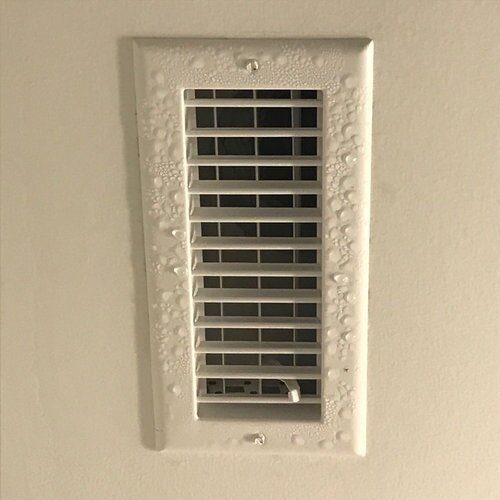
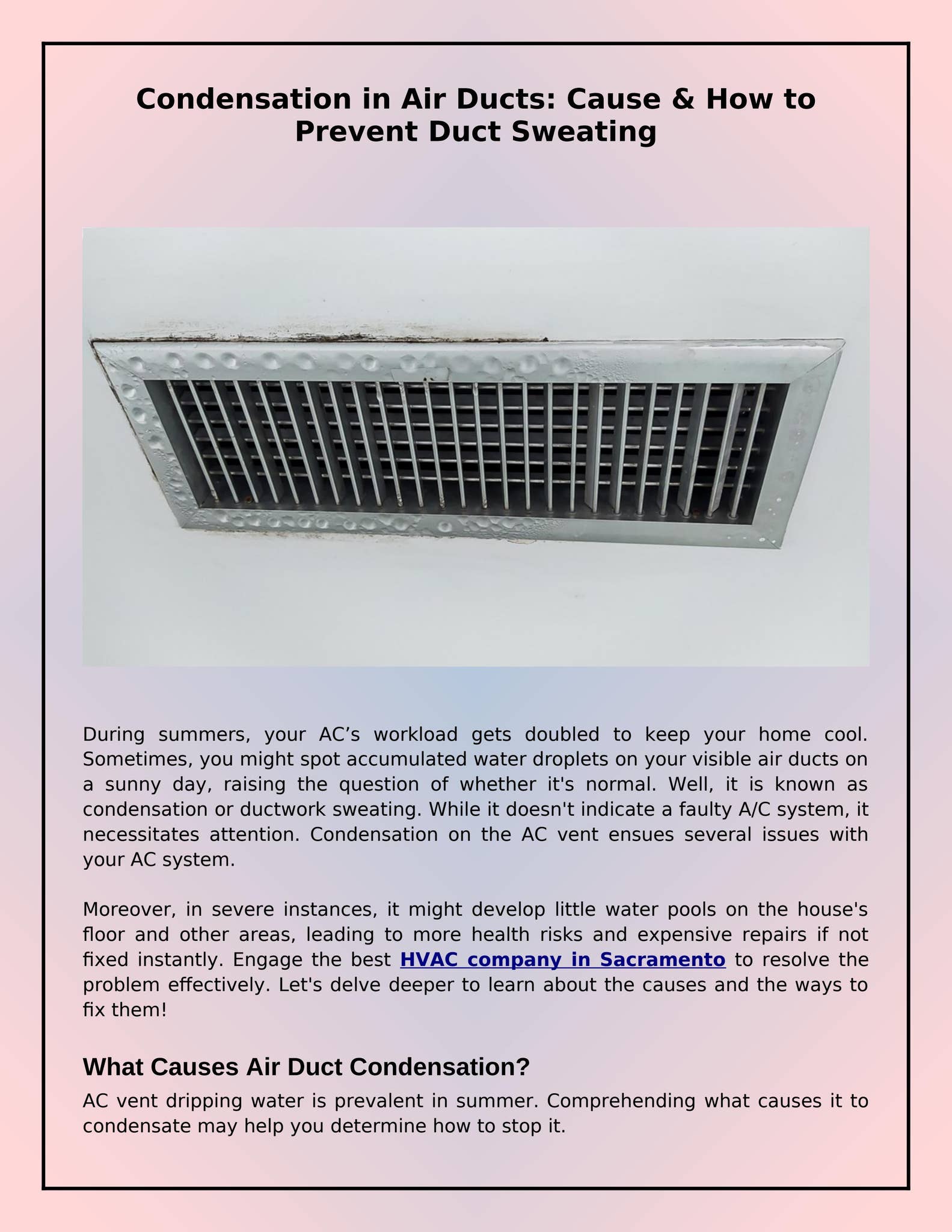
Condensation on air vents, often seen as mere droplets or a damp sheen, is more than just a minor annoyance; it’s a telling symptom of an imbalance within your indoor environment, signaling potential inefficiencies or underlying issues with your HVAC system and building envelope. In the realm of smart homes and advanced climate control, understanding these phenomena is crucial for maintaining optimal air quality, preventing structural damage, and ensuring energy efficiency. This article delves into the technical aspects and causes of vent condensation, exploring the scientific principles at play and the technological solutions available to address them.
The Science Behind Condensation: Humidity, Temperature, and Dew Point
Condensation is a fundamental physical process where water vapor in the air changes into liquid water. This transformation isn’t random; it adheres strictly to principles of thermodynamics, directly influenced by the interaction of temperature and humidity. For those investing in smart home technology, grasping these basics is the first step toward effective climate control.
Understanding Relative Humidity
Relative humidity (RH) is a critical metric, representing the amount of water vapor present in the air compared to the maximum amount the air can hold at a given temperature. Expressed as a percentage, a higher RH indicates more moisture in the air. When the air is saturated (100% RH), it can no longer hold additional moisture. Modern HVAC systems and smart thermostats often include RH sensors, providing real-time data essential for diagnosing condensation issues. For instance, an indoor RH consistently above 50-60% in cooler temperatures significantly increases the likelihood of condensation.
The Role of Temperature Differentials
Condensation primarily occurs when warm, moist air comes into contact with a surface that is significantly cooler than the air itself. Air vents delivering conditioned (cooled) air are prime candidates for this interaction. The metallic or plastic surfaces of these vents, especially when poorly insulated or exposed to extreme temperature differences, rapidly cool the surrounding air. As the air’s temperature drops, its capacity to hold moisture diminishes, forcing the excess water vapor to condense onto the cooler surface of the vent. This principle is fundamental to the operation of air conditioning, but when it happens outside the coil, it indicates a control problem.
The Critical Dew Point
The dew point is arguably the most crucial technical concept for understanding condensation. It is the temperature at which air must be cooled, at constant pressure, for water vapor to condense into liquid water. When the surface temperature of your air vent falls below the dew point of the surrounding indoor air, condensation is inevitable. Smart home climate sensors and advanced HVAC controllers are increasingly incorporating dew point calculations, using temperature and humidity readings to predict and prevent condensation before it starts. Knowing your indoor dew point is key to setting appropriate thermostat and dehumidifier levels.
Airflow and Ventilation’s Impact
Poor airflow and inadequate ventilation can exacerbate condensation problems. Stagnant air allows moisture to build up locally, increasing the relative humidity in specific areas. If air isn’t circulated effectively, the cooler air near the vents can become isolated, deepening the temperature differential and pushing local humidity levels past the dew point. Modern ventilation systems, including energy recovery ventilators (ERVs) and heat recovery ventilators (HRVs), are designed to introduce fresh air while managing humidity, preventing pockets of high moisture and improving overall air quality. These technologies play a vital role in maintaining a balanced indoor environment.
Common Tech-Related Causes of Air Vent Condensation
Beyond the basic science, several technical and operational factors within your home’s HVAC infrastructure contribute significantly to condensation on air vents. Identifying these causes requires a systematic approach, often leveraging diagnostic tools and understanding system design.
HVAC System Overload and Improper Sizing
An HVAC system that is improperly sized for your home’s square footage or cooling load can be a major culprit. An oversized air conditioner, for instance, might cool the house too quickly without running long enough to effectively dehumidify the air. This “short cycling” leaves the air cool but still saturated with moisture. Conversely, an undersized system might struggle to reach desired temperatures, constantly running but never fully removing humidity. Modern HVAC technicians use advanced load calculation software (e.g., ACCA Manual J) to ensure proper sizing, integrating factors like insulation levels, window efficiency, and local climate data.
Insufficient Ductwork Insulation
The ductwork carrying conditioned air often runs through unconditioned spaces like attics, crawl spaces, or basements. If these ducts are poorly insulated or uninsulated, the cold air inside the ducts rapidly loses its chill to the hotter ambient air, and conversely, the ducts absorb heat from the surrounding environment. This causes the surface of the ductwork and the vents themselves to become very cold, creating an ideal surface for condensation when exposed to warm, humid indoor air. Tech solutions include upgrading to higher R-value duct insulation (e.g., R-8 fiberglass or rigid foam boards) and ensuring complete coverage.
Poorly Sealed or Leaky Ductwork
Ductwork leaks are a pervasive issue, often unseen but significantly impacting HVAC efficiency and contributing to condensation. Leaky ducts can draw in unconditioned, humid air from attics or crawl spaces, introducing excess moisture into the system. This not only increases the overall humidity load that the AC must handle but also creates pockets of high humidity within the duct system itself. Furthermore, leaks allow conditioned air to escape, leading to longer run times and reduced dehumidification. Aeroseal technology, an advanced aerosol-based sealant, is a tech-driven solution for sealing ducts from the inside, drastically improving system performance.
Restricted Airflow and Dirty Filters
Restricted airflow within your HVAC system can lead to a host of problems, including condensation. A clogged air filter is the most common culprit, impeding the flow of air over the evaporator coil. This forces the AC unit to work harder, can lead to the coil freezing up, and reduces its ability to effectively remove moisture from the air. Similarly, closed registers, blocked return vents, or crushed ductwork sections can restrict airflow. Smart home devices now include filter monitoring sensors that alert users when filters need changing, while professional technicians use anemometers and pressure gauges to diagnose airflow restrictions.
High Indoor Humidity Levels
Even with a perfectly functioning HVAC system, excessively high indoor humidity can overwhelm its dehumidification capabilities. Sources of indoor humidity are diverse and often overlooked: daily activities like showering, cooking, doing laundry, even breathing and transpiring plants. In addition, moisture intrusion from the building envelope (e.g., leaky foundations, unsealed crawl spaces) can significantly elevate indoor humidity. Smart humidity sensors and connected weather stations can provide data to help identify patterns of high humidity, allowing homeowners to adjust habits or deploy supplementary dehumidification.
Technological Solutions and Smart Home Integration for Moisture Control
The battle against vent condensation is increasingly being won with smart technology and advanced HVAC solutions. Integrating these systems provides not just comfort but also significant efficiency gains and preventative measures against moisture-related damage.
Upgrading to Smart Thermostats and Humidity Sensors
Modern smart thermostats, such as those from Ecobee, Nest, or Honeywell Home, do far more than just control temperature. Many models integrate highly accurate humidity sensors, allowing them to display real-time relative humidity levels and even activate dehumidification modes automatically. Some advanced models can learn your home’s moisture patterns and outdoor weather conditions, adjusting cooling cycles to prioritize humidity removal without overcooling your space. This proactive approach prevents the conditions ripe for condensation before they manifest.
Advanced Dehumidification Systems

For homes with persistent humidity challenges, dedicated whole-home dehumidifiers represent a significant technological leap beyond portable units. Integrated directly into the HVAC ductwork, these systems efficiently remove excess moisture from the entire air supply without impacting temperature. Many are equipped with smart controls that can be programmed to maintain a specific humidity level and can communicate with your smart thermostat for synchronized operation. Some newer models leverage advanced desiccant technology for even more efficient moisture removal in specific climates.
Improving Ductwork with Modern Insulation and Sealing
Technological advancements in insulation materials and sealing techniques are crucial for mitigating condensation at the source. High-performance duct insulation made from closed-cell foam or advanced fiberglass composites offers superior thermal resistance, preventing temperature transfer between the ducts and unconditioned spaces. For sealing, aerosol duct sealing systems like Aeroseal provide a precise and effective method to seal leaks from the inside, drastically reducing air leakage and moisture infiltration. These tech-driven solutions not only prevent condensation but also improve energy efficiency.
Smart Ventilation Systems and Exhaust Fans
Beyond traditional exhaust fans, modern smart ventilation systems offer sophisticated control over indoor air quality and humidity. Bathroom fans equipped with humidity sensors can automatically activate when shower steam elevates moisture levels, ensuring quick evacuation. Kitchen range hoods with variable speed controls efficiently remove cooking-related moisture. Whole-house ventilation systems, particularly those with heat or energy recovery (HRV/ERV), bring in fresh air while either retaining heat/coolness or recovering moisture, maintaining a balanced indoor environment without wasting energy or introducing excessive humidity.
HVAC System Diagnostics and Maintenance Tech
The maintenance of HVAC systems has become increasingly tech-driven. Technicians now utilize advanced diagnostic tools like thermal cameras to identify cold spots on vents and ducts, infrared thermometers to measure surface temperatures, and sophisticated airflow meters to pinpoint restrictions. Predictive maintenance platforms, often cloud-based, can monitor system performance in real-time through connected sensors, alerting homeowners and technicians to potential issues before they escalate into major problems, including those that lead to condensation.
Beyond the Vents: Addressing Broader Environmental Factors with Tech
Effective condensation prevention requires looking beyond just the immediate vent and considering the entire building as an interconnected system. Technology provides the tools to monitor, analyze, and optimize this larger ecosystem.
Smart Home Monitoring for Air Quality and Humidity
Comprehensive smart home systems often include an array of sensors for monitoring indoor air quality (IAQ), which frequently incorporates humidity levels. These systems can track volatile organic compounds (VOCs), particulate matter (PM2.5), CO2, and humidity, providing a holistic view of your home’s environment. Data from these sensors can be logged and analyzed, revealing patterns of high humidity linked to specific activities or times of day, enabling precise and targeted interventions.
Energy-Efficient Windows and Insulation Technologies
The building envelope itself plays a crucial role in managing temperature and humidity. Upgrading to energy-efficient windows with multiple panes, low-emissivity (low-e) coatings, or inert gas fills reduces heat transfer and minimizes cold spots that can become condensation sites. Similarly, advanced insulation materials (e.g., spray foam, cellulose, rigid boards) for walls, attics, and crawl spaces create a tighter, more thermally consistent envelope, reducing the likelihood of cold surfaces and moisture infiltration.
Data Analytics for Home Climate Optimization
The proliferation of smart home sensors generates a wealth of data. Advanced homeowners and professional service providers can leverage this data through analytics platforms to optimize their home’s climate. By analyzing trends in temperature, humidity, energy consumption, and outdoor weather, it’s possible to identify root causes of condensation, predict future issues, and fine-tune HVAC and ventilation settings for maximum efficiency and comfort. This data-driven approach moves beyond reactive fixes to proactive environmental management.
Professional HVAC Tech Assessment and Upgrades
While many smart home solutions empower homeowners, the complexity of HVAC systems often necessitates professional expertise. HVAC technicians utilize specialized software and diagnostic equipment to perform load calculations, evaluate system performance, and identify areas for improvement. They can recommend specific technological upgrades, from installing whole-home dehumidifiers to reconfiguring ductwork or integrating advanced control systems, ensuring that solutions are tailored to your home’s unique characteristics.
Proactive Maintenance and Future-Proofing Your Home’s Climate
Preventing condensation on air vents is an ongoing process that benefits greatly from proactive maintenance and strategic investments in home technology. Embracing a tech-forward approach ensures long-term comfort and efficiency.
Regular Filter Replacement and Duct Cleaning
These basic maintenance tasks are foundational to preventing condensation. Regular replacement of air filters (as recommended by your HVAC manufacturer or smart home system alerts) ensures optimal airflow and prevents stress on your system. Periodic professional duct cleaning, particularly if you’ve had issues with dust or mold, helps maintain efficient airflow and removes moisture-trapping debris. These simple steps, often guided by smart maintenance reminders, are critical.
Professional System Check-ups
Scheduling annual professional HVAC check-ups is paramount. Technicians use advanced diagnostic tools to verify refrigerant levels, inspect electrical components, assess airflow, and clean coils. These check-ups can identify potential issues, like low refrigerant (which can lead to frozen coils and increased humidity) or clogged drain lines (which prevent moisture removal), before they manifest as condensation on your vents.
Investing in Humidity-Controlling Appliances
Beyond the main HVAC system, intelligent selection of other home appliances can aid in humidity control. Consider ventless or heat pump clothes dryers, which do not exhaust moist air directly into the home. Smart exhaust fans in bathrooms and kitchens, as mentioned, automatically detect and remove moisture. Even energy-efficient dishwashers with advanced drying cycles can contribute to a drier indoor environment.
Monitoring for Early Warning Signs with Smart Sensors
The true power of smart home technology lies in its ability to provide early warning. Deploying humidity sensors in critical areas (e.g., basement, attic, near vents) can alert you via smartphone apps to rising moisture levels before condensation becomes visible or causes damage. Integrating these sensors with smart plugs can even trigger dehumidifiers or boost ventilation automatically, acting as an invisible guardian against moisture.
Conclusion
Condensation on air vents, though seemingly minor, is a clear indicator of a nuanced technical challenge within your home’s environmental control system. It’s a call to action for homeowners to delve into the dynamics of humidity, temperature, and airflow, recognizing the critical role of their HVAC infrastructure. By understanding the underlying scientific principles and leveraging the vast array of available technological solutions—from smart thermostats and whole-home dehumidifiers to advanced insulation and data analytics—you can proactively manage your indoor climate. Investing in smart home tech and professional HVAC expertise not only eliminates the nuisance of condensation but also safeguards your home’s integrity, optimizes energy consumption, and fosters a healthier, more comfortable living environment for the long term.
aViewFromTheCave is a participant in the Amazon Services LLC Associates Program, an affiliate advertising program designed to provide a means for sites to earn advertising fees by advertising and linking to Amazon.com. Amazon, the Amazon logo, AmazonSupply, and the AmazonSupply logo are trademarks of Amazon.com, Inc. or its affiliates. As an Amazon Associate we earn affiliate commissions from qualifying purchases.