
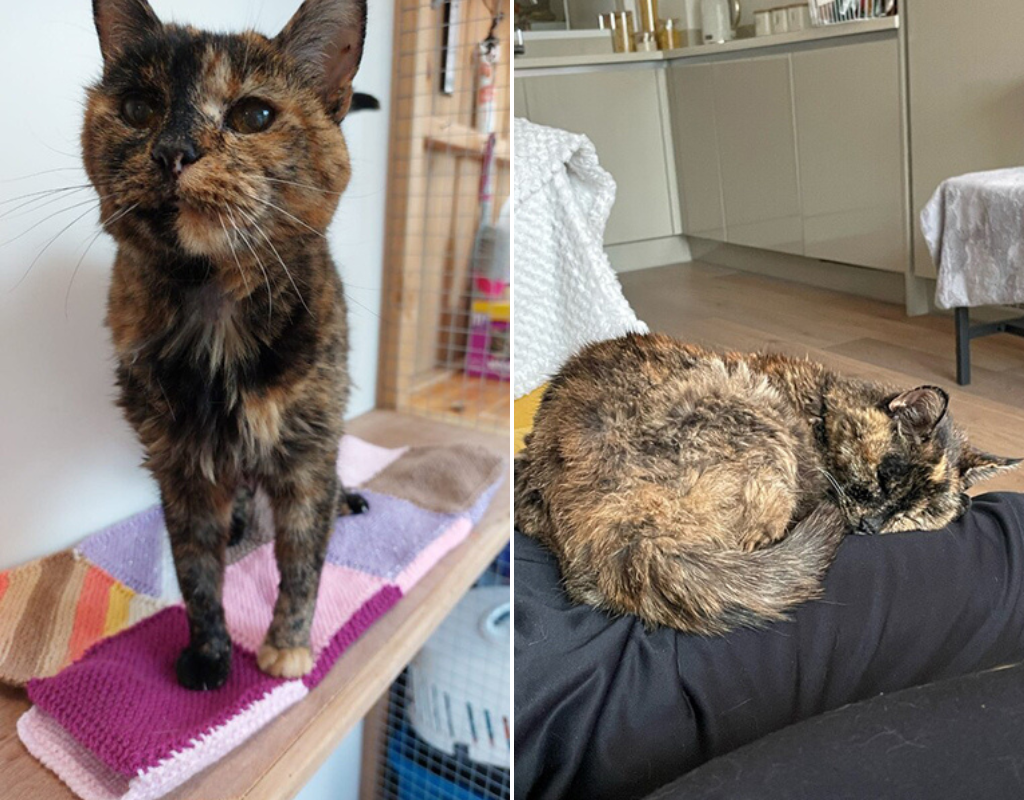
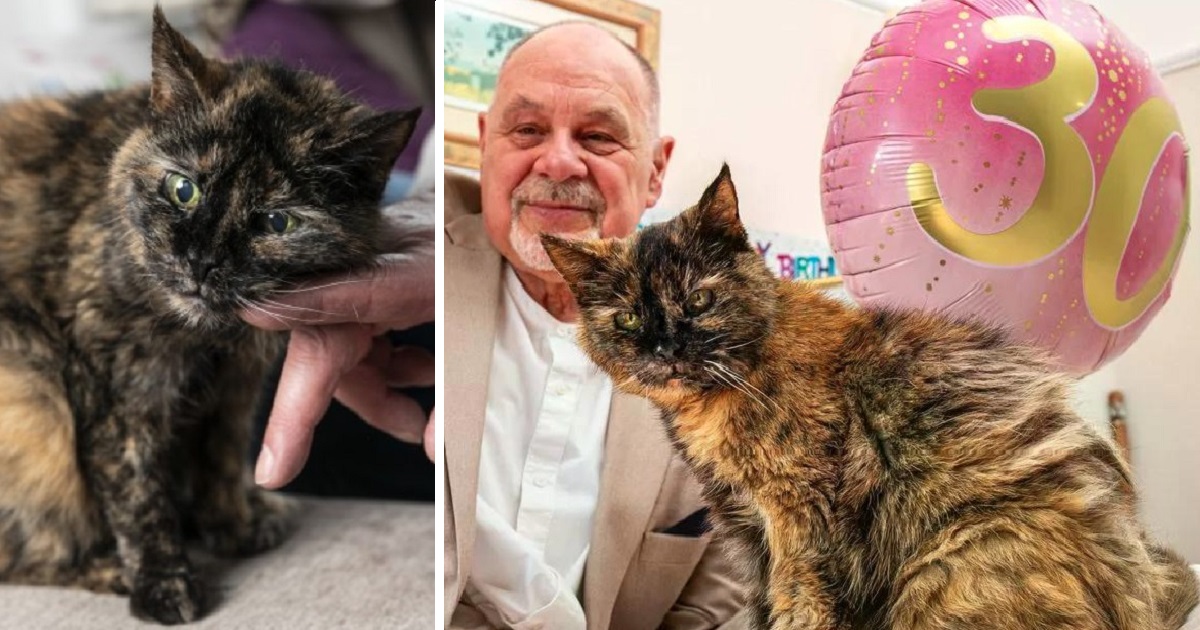
When we discuss the “oldest living cat,” the conversation usually begins with biological wonder. We marvel at Creme Puff, a domestic cat from Austin, Texas, who lived to the staggering age of 38 years and 3 days. However, behind this biological anomaly lies a fascinating intersection of personal finance, niche market investment, and the burgeoning “longevity economy.” While the average feline lifespan is roughly 12 to 15 years, Creme Puff more than doubled it, effectively creating a 38-year financial commitment for her owner, Jake Perry.
In the world of Money, the story of the oldest living cat is more than a Guinness World Record; it is a case study in the high cost of maintenance, the ROI of preventative care, and the multi-billion dollar industry now dedicated to extending the lives of our animal companions. As pet owners increasingly treat their animals as family members with long-term financial requirements, understanding the economic framework of extreme longevity becomes essential for investors and pet owners alike.
The Financial Infrastructure of Record-Breaking Longevity
To sustain a life for nearly four decades, one must view the endeavor through the lens of long-term asset management. Jake Perry, the owner of Creme Puff (and another record-breaker, Granpa Rexs Allen, who lived to 34), did not achieve these results by accident. He maintained a rigorous, albeit unconventional, lifestyle for his cats that required consistent financial outlays over a period spanning four decades.
The Cost of Sustained Wellness: A Multi-Decade Investment
Most financial planners advise clients on the “cost of ownership” for a cat over 15 years, typically estimating between $15,000 and $45,000 depending on healthcare needs. However, when a cat lives to 38, those projections are shattered. Extreme longevity requires a compounding investment in high-quality nutrition, environmental enrichment, and environmental controls.
For the “oldest living cat,” the expense was not just in food, but in the infrastructure of the home. Perry reportedly converted his garage into a “cat cinema” and installed sophisticated climbing tracks. From a personal finance perspective, this represents a significant allocation of discretionary income toward “lifestyle assets” that contribute to the longevity of the pet, ultimately increasing the “total cost of ownership” to figures that rival the cost of a college education or a small mortgage.
Analyzing the “Creme Puff” Diet: Premium Inputs vs. Long-Term Value
Perry’s cats were famously fed a diet that included eggs, turkey bacon, broccoli, and even coffee with heavy cream. While modern veterinary science might debate the health merits of this specific menu, the financial takeaway is the consistency of premium inputs. In the business of longevity, “cheap” is often the most expensive route. Lower-quality inputs lead to higher metabolic stress and frequent veterinary interventions. By investing in higher-quality (and more expensive) caloric inputs early on, owners can potentially mitigate the “tail-end” costs of chronic disease management, which often cripple a pet owner’s savings in the animal’s final years.
The Pet Longevity Market: A Rising Sector for Investors
The story of the oldest living cat serves as a beacon for the “Pet Tech” and “Pet Longevity” investment sectors. Venture capital is currently pouring into startups that aim to make the 30-year cat a standard rather than a record-breaking exception. For investors looking for the next “blue ocean” in the money markets, the pet longevity sector offers a unique blend of biotechnology and consumer goods.
BioTech and Geroscience: Scaling Feline Lifespans for Profit
Companies like Loyal and Cellevate are currently researching ways to slow the aging process in domestic animals. This is not just a scientific pursuit; it is a high-stakes financial play. The global pet care market is projected to reach over $500 billion by 2030. Within that, the “anti-aging” or “geroscience” sub-sector is the fastest-growing niche.
Investors are betting that owners will pay a premium for “longevity drugs” or specialized genetic screenings that can identify potential failures in a cat’s kidneys or heart decades before they occur. The oldest cat in the world proved that the biological ceiling is much higher than we thought; the market is now providing the tools to help the average consumer reach that ceiling—at a price.
Venture Capital in the Pet Health Ecosystem
The shift in capital allocation is moving from “reactive” products (medicines for sick cats) to “proactive” platforms (wearables, AI-driven health monitoring, and epigenetic testing). For a side-hustle or a new business venture, developing tools that track feline vitals over a 30-year period offers a recurring revenue model (SaaS—Software as a Service) that traditional pet products cannot match. The “Money” in the oldest cat’s story lies in the data: what did she eat, how did she move, and how can we productize that data for the mass market?
Risk Management and the Role of Specialized Insurance
In any 40-year financial plan, risk management is paramount. For the owner of an aging pet, this translates to the complex world of pet insurance and actuarial science. The oldest living cat represents the “extreme outlier” that insurance companies must account for when designing their premiums.
Actuarial Challenges of Extreme Life Extension
Traditional pet insurance models are built on the assumption that a cat will live 12–18 years. When animals begin pushing into their 20s and 30s, the actuarial tables must be rewritten. From a business finance perspective, this creates a dilemma: how do you price a policy for an asset that could potentially require medical support for four times the expected duration?
We are seeing a rise in “Tiered Longevity Insurance,” where premiums are adjusted not just for age, but for biological markers. For the savvy consumer, locking in “whole-of-life” insurance early is a critical financial tool. It transforms the unpredictable “black swan” event of a $10,000 surgery into a predictable monthly expense.
The ROI of Preventative Veterinary Care
One of the most profound financial lessons from the world’s longest-lived cats is the return on investment (ROI) of preventative care. In business, “maintenance” is a line item that prevents “capital expenditure” (replacement). In the context of the oldest cat, bi-annual checkups, dental cleanings, and early-stage bloodwork are the maintenance costs that prevent the “capital expenditure” of emergency ER visits.
From a personal finance standpoint, an owner who spends $500 a year on preventative screenings may avoid a $7,000 crisis. Over 38 years, the cumulative savings of “preventative-first” spending are astronomical. This mirrors “Value-Based Healthcare” in the human sector, a model that is increasingly being adopted by veterinary corporations to ensure long-term profitability and customer retention.
The Brand Value of a Guinness World Record
Finally, we must look at the “Money” generated by the title itself. “The Oldest Living Cat” is a powerful brand. In the digital age, a pet that breaks a longevity record is not just a companion; it is an intellectual property (IP) asset capable of generating significant online income and brand partnerships.
Monetizing the Legacy of the Oldest Cat
While Jake Perry was not a modern social media influencer, today’s “oldest” pets often have millions of followers. This creates a revenue stream through:
-
Endorsement Deals: Premium cat food brands paying for the “secret to long life.”
-
Book and Media Rights: Documentaries and memoirs regarding the pet’s journey.
-
Merchandising: Apparel and products branded with the pet’s likeness.
For a pet owner, a record-breaking cat can transition from a financial liability (high cost of care) to a significant income-generating asset. This is a form of “Personal Branding” by proxy, where the pet’s longevity becomes the USP (Unique Selling Proposition).

Intellectual Property and the Business of Pet Icons
The Guinness World Record title is a protected trademark, but the story of the oldest cat belongs to the owner. In the business world, this is known as “Narrative Equity.” When a pet like Creme Puff becomes a household name, the owner holds the keys to a brand that can be leveraged for decades.
In conclusion, the story of the oldest living cat is a masterclass in the economics of the long game. Whether it is the personal finance required to sustain a 38-year life, the venture capital flowing into longevity startups, or the brand value of a world record, the “Money” behind the cat is as impressive as the cat itself. For those looking to invest in the future, the message is clear: longevity is the new gold rush, and our feline friends are leading the way.
aViewFromTheCave is a participant in the Amazon Services LLC Associates Program, an affiliate advertising program designed to provide a means for sites to earn advertising fees by advertising and linking to Amazon.com. Amazon, the Amazon logo, AmazonSupply, and the AmazonSupply logo are trademarks of Amazon.com, Inc. or its affiliates. As an Amazon Associate we earn affiliate commissions from qualifying purchases.