
The prospect of a positive pregnancy test is often met with a whirlwind of emotions, anticipation, and significant life planning. Yet, the accuracy of these ubiquitous tests, designed to be a straightforward indicator, isn’t always guaranteed. While the vast majority of pregnancy tests are remarkably reliable, a small percentage can deliver a “false positive” – indicating pregnancy when none exists. This phenomenon, while less common than false negatives, can lead to considerable distress and confusion. Understanding the potential causes behind a false positive is crucial, and in our modern, tech-driven world, even the digital landscape can play a surprising role.
The Science Behind Pregnancy Tests: HCG and Its Detection
At its core, a standard home pregnancy test functions by detecting the presence of human chorionic gonadotropin (hCG) in a woman’s urine or blood. hCG is a hormone produced by the cells that will eventually form the placenta shortly after implantation of a fertilized egg. Its levels rise rapidly in early pregnancy, making it an effective marker. Most home pregnancy tests are designed to detect hCG at a certain threshold, typically within 10 to 14 days after conception.
The technology behind these tests has advanced significantly. Gone are the days of complex laboratory procedures. Modern tests utilize an immunoassay, which involves antibodies that bind specifically to the hCG hormone. When urine containing hCG flows over the test strip, these antibodies capture the hormone, triggering a chemical reaction that changes the color of a line or symbol on the test window, indicating a positive result. The sensitivity of these tests varies, with some brands capable of detecting lower levels of hCG than others. This is why opting for a test with a higher sensitivity might provide an earlier result, but also, paradoxically, could contribute to a slightly higher chance of misinterpretation under specific circumstances.
The Role of Inadvertent hCG or Similar Substances
While the primary culprit for a positive pregnancy test is indeed hCG, there are several less common scenarios where a positive result can occur without a viable pregnancy. These often involve the presence of hCG or substances that can mimic hCG’s behavior in the body, leading the test to generate a false positive.
Ectopic Pregnancy and Molar Pregnancies
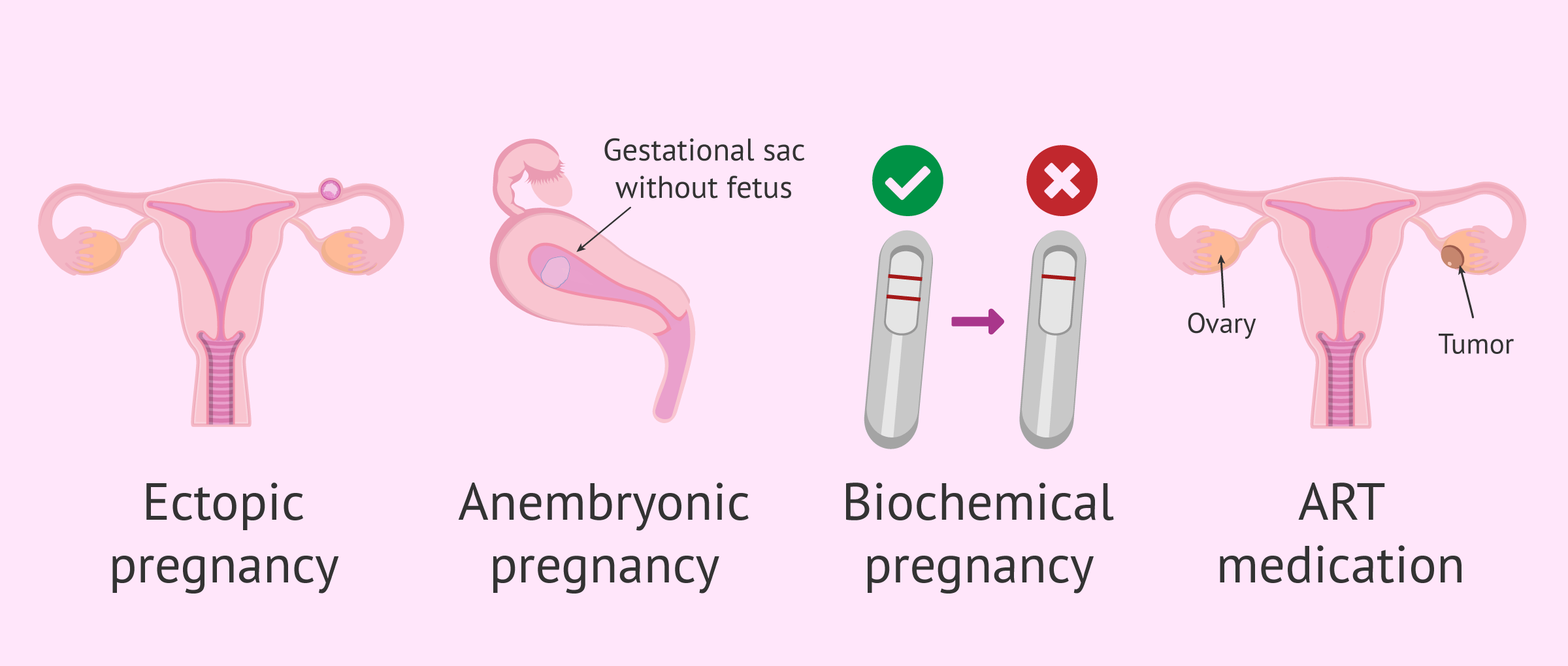
It’s important to differentiate between a false positive and an indication of a pregnancy that is not developing normally. In cases of ectopic pregnancy, where a fertilized egg implants outside the uterus (most commonly in the fallopian tube), hCG is still produced, albeit sometimes at lower or inconsistently rising levels compared to a uterine pregnancy. A home pregnancy test will likely detect this hCG and show a positive result. Similarly, a molar pregnancy, a rare complication where a non-viable growth develops instead of a fetus, also results in significant hCG production. In these situations, the test is technically accurate in detecting hCG, but it doesn’t signify a healthy, developing pregnancy. These require immediate medical attention.
Certain Medications and Fertility Treatments
For individuals undergoing fertility treatments, such as in vitro fertilization (IVF), the administration of hCG injections is a common practice to stimulate ovulation or support early pregnancy. These injections introduce exogenous hCG into the body. As a result, a woman might test positive on a home pregnancy test for a period of time after receiving these injections, even if fertilization or implantation has not occurred. It is crucial for patients undergoing such treatments to discuss the timing of home pregnancy testing with their fertility specialist to avoid misinterpreting results. The “washout” period for hCG injections can vary, and testing too soon can lead to a false positive.
Medical Conditions Mimicking hCG
In very rare instances, certain medical conditions can lead to the production of substances that cross-react with the antibodies in pregnancy tests, leading to a false positive. These can include:
- Certain types of tumors: Some rare tumors, particularly those of the pituitary gland or germ cell tumors, can produce hCG.
- Kidney disease: In severe cases of kidney disease, the kidneys may have difficulty clearing hormones from the blood, potentially leading to elevated hCG levels.
- Uncomplicated urinary tract infections (UTIs): While uncommon, some studies have suggested that certain bacteria found in UTIs might, in rare cases, interfere with the chemical reaction of some home pregnancy tests, leading to an inaccurate positive. This is not a common cause, but it is a possibility that medical professionals may consider if other explanations are ruled out.
Beyond Biology: The Digital Influence on Test Interpretation
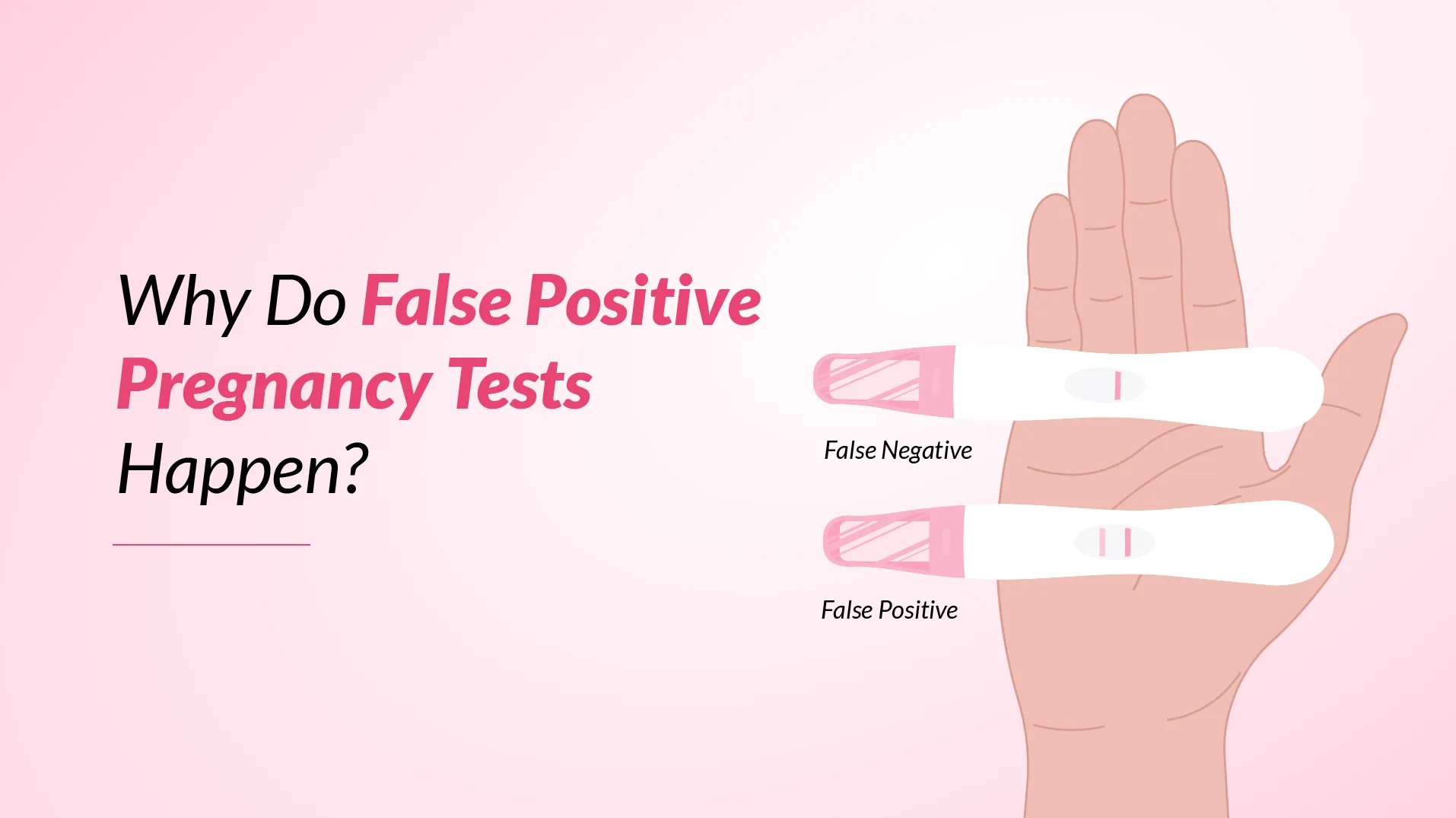
While the biological causes of false positive pregnancy tests are the primary focus, the digital revolution has introduced new layers of complexity to how we access, interpret, and even interact with information about our health, including pregnancy. While technology itself doesn’t cause a false positive, its influence on our understanding and the potential for misinterpretation is undeniable.
The Overload of Online Information and Misinformation
The internet offers an unparalleled resource for information. A quick search for “what causes a false pregnancy test” will yield thousands of results. This accessibility is a double-edged sword. While it empowers individuals to seek answers, it also opens the door to misinformation and anecdotal evidence that can be misleading. Online forums, social media groups, and unverified websites can quickly spread inaccurate theories or anxieties.
For instance, users might encounter discussions about specific brands of tests being more prone to false positives, or anecdotal stories about unusual substances causing positive results, without scientific backing. This digital deluge can create confusion and anxiety, making it harder for individuals to discern reliable information from speculation. The constant exposure to varied and sometimes conflicting advice can lead to overthinking and misinterpreting normal bodily sensations or the nuances of test results.
App-Based Tracking and Data Interpretation Challenges
The proliferation of health and fertility tracking apps offers users sophisticated tools to monitor their cycles, symptoms, and even ovulation. Many of these apps allow users to log pregnancy test results, which can then be analyzed to identify trends. While invaluable for many, the interpretation of data within these apps can sometimes be a source of confusion.
If a user is logging data from multiple tests – some taken too early, some at the wrong time of day, or if they are experiencing the effects of hCG injections – the app might present a pattern that seems to suggest a pregnancy when it’s not the case. The algorithms within these apps are designed to identify patterns, but they lack the nuanced diagnostic capabilities of a healthcare professional. This can lead to individuals believing they are experiencing a pregnancy based on app data, only to be disappointed by a later confirmation of no pregnancy.
Furthermore, the ability to easily share app data and screenshots of test results on social media, while intended for support, can also expose users to well-meaning but potentially inaccurate advice from others who are not medical professionals. This digital echo chamber can amplify anxieties and lead to a misinterpretation of what the data truly signifies.
When to Seek Professional Medical Advice
Given the potential for both biological and digitally-influenced confusion, it is paramount to understand when to consult a healthcare professional. While home pregnancy tests are convenient and generally accurate, they are not a substitute for medical diagnosis.
Confirming and Understanding Results
If you receive a positive result on a home pregnancy test, especially if you are not actively trying to conceive or if the result is unexpected, the most important next step is to schedule an appointment with your doctor or a healthcare provider. They can confirm the pregnancy through a blood test, which is more sensitive and can detect lower hCG levels, and an ultrasound. They will also be able to rule out any underlying medical conditions or issues like ectopic or molar pregnancies.
Similarly, if you experience symptoms that strongly suggest pregnancy but are getting consistently negative results on home tests, or if you suspect a false positive due to fertility treatments, consulting a doctor is crucial. They can assess your individual situation, review your medical history, and order appropriate tests to provide a definitive answer.
The Role of Diagnostic Technology
In a broader sense, advancements in diagnostic technology, often driven by breakthroughs in software and AI, are continuously improving the accuracy and speed of medical testing. While the focus here has been on home tests, the same underlying principles of detecting specific biomarkers are being refined in clinical settings. AI tools are increasingly being developed to analyze medical imaging and laboratory results, potentially leading to more accurate diagnoses and a reduced chance of human error in interpretation. However, for immediate concerns regarding pregnancy, direct consultation with a medical professional remains the gold standard.
In conclusion, while the technology behind home pregnancy tests has become remarkably advanced, the possibility of a false positive, though rare, does exist. Understanding the biological reasons – from rare medical conditions to the effects of fertility treatments – is essential. Furthermore, navigating the vast landscape of online information and app-generated data requires a critical eye and a reliance on credible sources. Ultimately, when faced with any uncertainty regarding a pregnancy test result, the most reliable path forward is always to consult with a qualified healthcare professional. They possess the expertise and diagnostic tools to provide accurate answers and ensure your well-being.
aViewFromTheCave is a participant in the Amazon Services LLC Associates Program, an affiliate advertising program designed to provide a means for sites to earn advertising fees by advertising and linking to Amazon.com. Amazon, the Amazon logo, AmazonSupply, and the AmazonSupply logo are trademarks of Amazon.com, Inc. or its affiliates. As an Amazon Associate we earn affiliate commissions from qualifying purchases.