
Water pollution remains one of the most pressing environmental challenges of the 21st century, threatening biodiversity, human health, and global stability. Traditionally, the question of “what causes water pollution” was answered through manual sampling and reactive measures. However, the Fourth Industrial Revolution has introduced a suite of technological tools that allow us to identify, analyze, and combat these pollutants with unprecedented precision. From the implementation of the Internet of Things (IoT) to the deployment of advanced Artificial Intelligence (AI), technology is transforming our understanding of aquatic contamination.
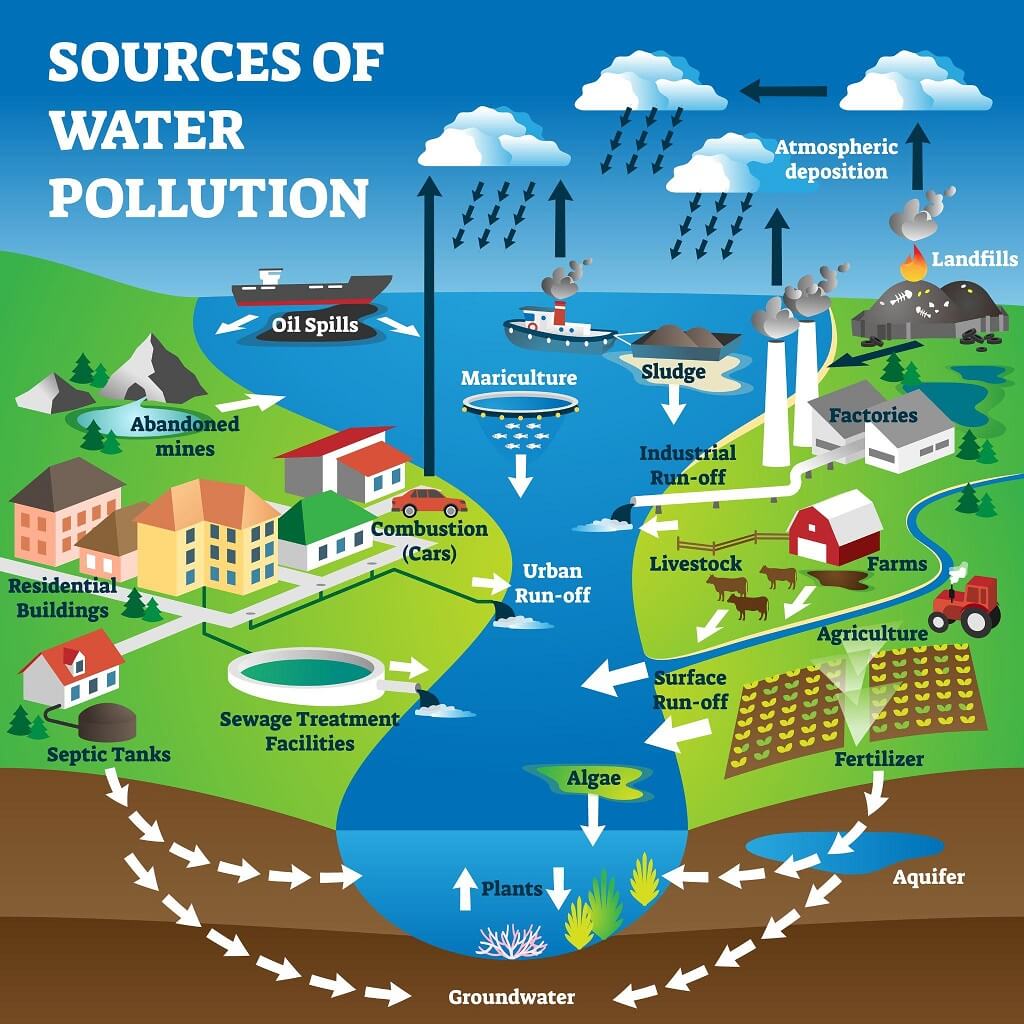
IoT and Real-Time Environmental Monitoring: From Sensors to Big Data
The primary challenge in addressing water pollution has long been the delay between a contamination event and its detection. Conventional methods required physical water collection and laboratory analysis, a process that could take days. Today, the Internet of Things (IoT) has revolutionized this timeline through real-time monitoring.
Smart Sensors and the Internet of Underwater Things (IoUT)
Modern sensor technology now allows for the continuous monitoring of key water quality parameters such as pH levels, dissolved oxygen, turbidity, and the presence of heavy metals. These sensors are often deployed in “Smart Buoys” or integrated into industrial outflow pipes. The “Internet of Underwater Things” (IoUT) refers to a network of smart objects—sensors, autonomous underwater vehicles (AUVs), and communication hubs—that transmit data via acoustic waves or optical signals. This tech stack enables environmental agencies to receive instant alerts when chemical concentrations exceed safe thresholds, allowing for immediate intervention before the pollution spreads downstream.
Edge Computing in Aquatic Ecosystems
To handle the massive amounts of data generated by these sensors, edge computing has become essential. Rather than sending every data point to a centralized cloud server—which can be bandwidth-intensive and slow—edge computing processes data at the source. For instance, a sensor at a remote river branch can use localized processing power to determine if a spike in nitrogen levels constitutes a statistical anomaly or a genuine pollution event. This reduces latency and ensures that the tech infrastructure remains resilient even in areas with limited connectivity.
Artificial Intelligence and Machine Learning: Predicting Pollution Patterns
While sensors provide the data, Artificial Intelligence (AI) provides the insight. AI and Machine Learning (ML) models are now being used to answer the complex question of “what causes water pollution” by identifying hidden correlations that human analysts might miss.
Computer Vision and Satellite Imagery Analysis
One of the most significant technological leaps in tracking pollution causes is the use of computer vision applied to satellite imagery. High-resolution satellite data, such as that provided by the European Space Agency’s Sentinel program, is processed by deep learning algorithms to detect illegal dumping, oil spills, and algal blooms from space. These AI models are trained to recognize the specific spectral signatures of different pollutants. By analyzing historical satellite data, AI can pinpoint the exact geographic origin of a pollutant, whether it is an illicit industrial discharge or agricultural runoff from a specific region.
Neural Networks for Predictive Maintenance in Sewage Systems
Urban runoff and sewage overflows are leading causes of water pollution in metropolitan areas. AI-driven predictive maintenance systems utilize neural networks to analyze weather patterns, historical flow data, and sensor inputs from city pipes. By predicting when a system is likely to reach capacity due to heavy rainfall, these tools allow city engineers to preemptively redirect flow or activate emergency storage tanks. This prevents untreated wastewater from spilling into local waterways, addressing a major cause of bacterial contamination through proactive technological management.
Nanotechnology and Advanced Filtration: The Engineering Frontier
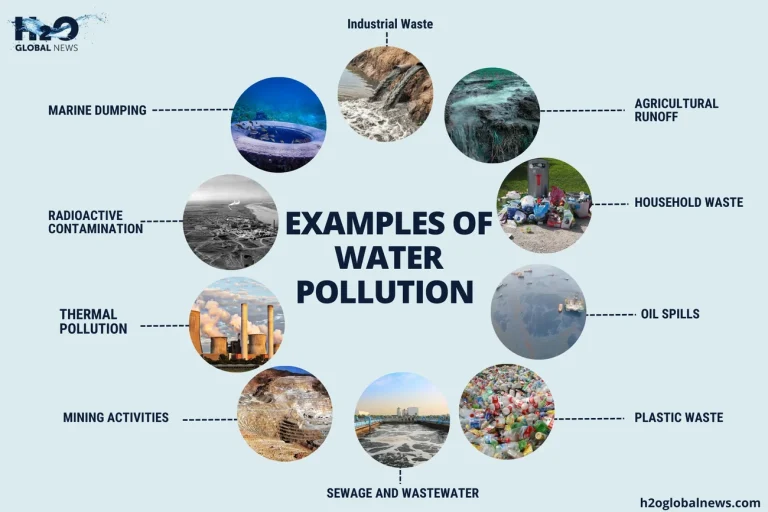
Identifying the causes of pollution is only half the battle; the other half is remediation. Technology is moving beyond traditional sand and carbon filters toward molecular-level engineering to remove sophisticated pollutants like microplastics and pharmaceutical residues.
Carbon Nanotubes and Graphene Membranes
Nanotechnology offers a high-efficiency solution for cleaning contaminated water. Carbon nanotubes (CNTs) and graphene-based membranes are being developed to filter out heavy metals and organic pollutants with near-perfect accuracy. These materials possess high surface areas and tunable pore sizes, allowing them to act as “smart filters” that can be programmed to attract specific ions or molecules. Unlike traditional filtration systems that require significant energy and frequent replacement, nanotech filters are often more durable and require less pressure to operate, making them a sustainable long-term tech solution.
Bio-mimetic Technologies and Synthetic Biology
A rising trend in the tech sector is the use of synthetic biology to combat water pollution. Scientists are engineering “biosensors”—living microorganisms like yeast or bacteria—that change color or emit light when they detect specific toxins like arsenic or lead. Furthermore, bio-remediation tech involves using genetically modified microbes designed to “eat” oil or break down complex plastic polymers into harmless byproducts. These bio-mimetic systems represent a fusion of biology and software engineering, creating self-healing aquatic environments.
Blockchain and Transparency: Deciphering the Supply Chain’s Impact
A significant cause of water pollution is the lack of corporate and industrial accountability. When a river becomes contaminated, it is often difficult to trace the “point source” pollution back to a specific entity. Blockchain technology is emerging as a powerful tool for transparency and environmental governance.
Distributed Ledger Technology for Wastewater Auditing
By using a decentralized, immutable ledger, regulatory bodies can track the disposal of hazardous materials throughout a product’s lifecycle. Factories can be required to log their chemical usage and wastewater treatment metrics onto a blockchain. Because this data cannot be altered or deleted, it provides a “digital twin” of a company’s environmental footprint. This high level of transparency acts as a technological deterrent against illegal dumping, as every liter of processed chemical is accounted for from cradle to grave.
Tokenizing Clean Water Initiatives
In the realm of “Green Tech,” blockchain is also being used to incentivize clean water practices. Smart contracts can automatically release funding or tax credits to organizations that prove—via verified sensor data—that they have reduced their pollutant output. This creates a “Proof of Impact” model where technology bridges the gap between environmental regulations and real-world compliance, ensuring that those who contribute to the causes of water pollution are held financially and digitally accountable.
The Challenge of Tech-Driven Pollution: E-Waste and Data Center Impacts
While technology provides the solutions to water pollution, it is important to acknowledge that the tech industry itself can be a contributor. Addressing the causes of water pollution requires a holistic look at how hardware and digital infrastructure impact the hydrosphere.
Sustainable Cooling Solutions for High-Performance Computing
Data centers, the backbone of the global internet, require immense amounts of water for cooling. In many regions, this “water footprint” can strain local supplies and lead to thermal pollution—the discharge of heated water back into ecosystems, which disrupts aquatic life. To mitigate this, tech giants are pivoting toward closed-loop cooling systems and immersion cooling, where servers are submerged in non-conductive, biodegradable liquids. These innovations aim to decouple the growth of the digital economy from the depletion of freshwater resources.
Circular Tech Economies and Material Recovery
The production of gadgets—smartphones, laptops, and EV batteries—requires mining for rare earth elements, a process that is a notorious cause of water pollution due to acid mine drainage and heavy metal leaching. The “Tech-for-Good” movement is currently focusing on circular economy models. This involves the use of AI-driven sorting robots to recover materials from e-waste, reducing the need for new mining operations. By refining the “Urban Mine,” the tech industry can reduce the chemical runoff associated with traditional extraction, tackling one of the root causes of global water degradation.
In conclusion, technology has shifted the paradigm of environmental protection from passive observation to active, data-driven management. By integrating IoT for detection, AI for analysis, Nanotech for remediation, and Blockchain for accountability, we are creating a digital “immune system” for the planet’s water. While the causes of water pollution are diverse and complex, the continued evolution of these technological tools offers a clear path toward a cleaner, more sustainable future.
aViewFromTheCave is a participant in the Amazon Services LLC Associates Program, an affiliate advertising program designed to provide a means for sites to earn advertising fees by advertising and linking to Amazon.com. Amazon, the Amazon logo, AmazonSupply, and the AmazonSupply logo are trademarks of Amazon.com, Inc. or its affiliates. As an Amazon Associate we earn affiliate commissions from qualifying purchases.