
In the fast-paced world of global finance, time is more than just a measurement; it is a critical variable that dictates liquidity, volatility, and opportunity. For investors residing in Arizona, the question of when the stock market opens is slightly more complex than it is for those on the East Coast. Because Arizona does not observe Daylight Saving Time (DST), the “opening bell” moves in relation to local clocks twice a year.
Understanding these shifts is essential for any serious investor or day trader looking to capitalize on market opening momentum. This guide explores the specific mechanics of market hours for Arizona residents, the strategic implications of trading from the Mountain Time Zone, and how to manage a portfolio effectively when the rest of the financial world is operating on a different rhythm.
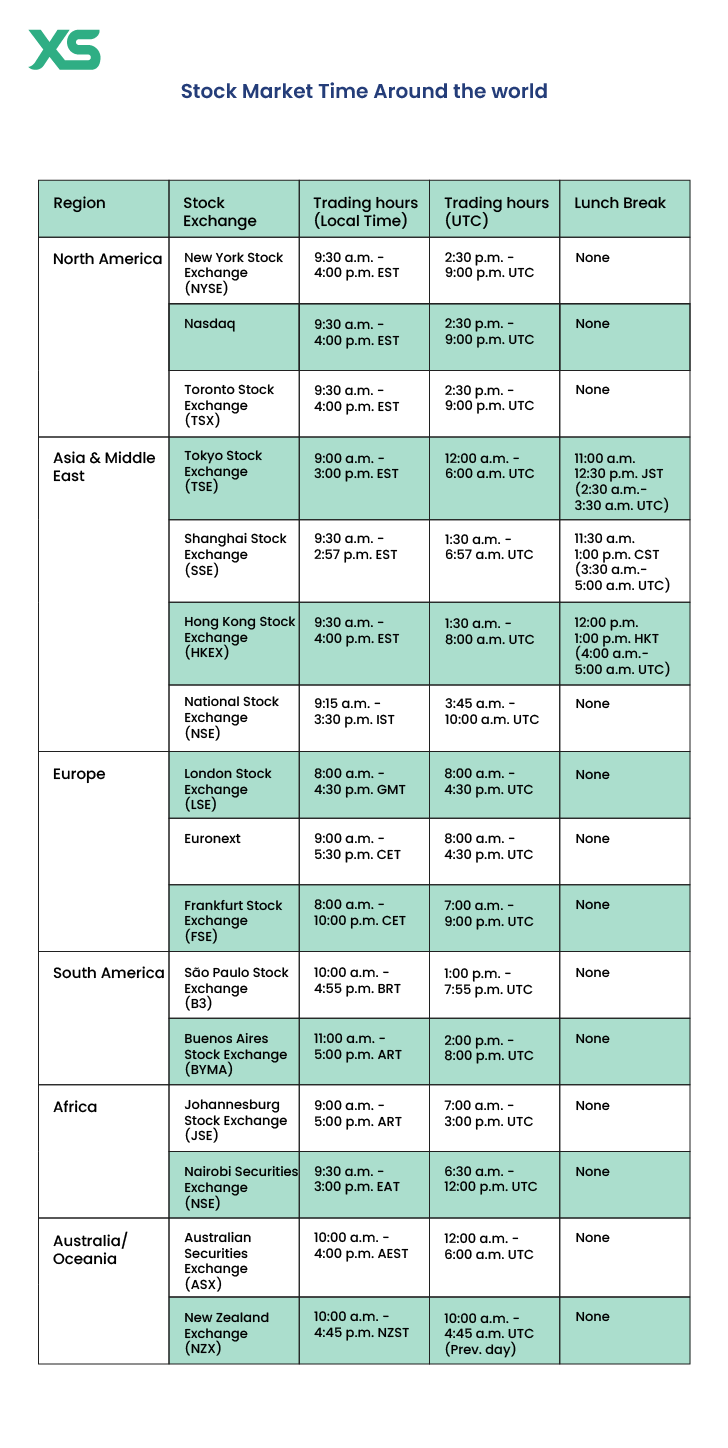
The Logistics of Time Zones in Modern Investing
The primary hubs of American equity trading—the New York Stock Exchange (NYSE) and the NASDAQ—operate on Eastern Time (ET). To trade effectively from the Southwest, one must first master the conversion between Eastern Time and Arizona’s unique adherence to Mountain Standard Time (MST).
Understanding MST vs. MDT
Arizona is one of the few places in the United States that remains on Standard Time year-round. While the rest of the Mountain Time Zone shifts to Mountain Daylight Time (MDT) in the spring, Arizona stays put. This creates a seasonal “sliding scale” for investors.
Between March and November, when the East Coast is on Eastern Daylight Time (EDT), Arizona is three hours behind New York. Between November and March, when the East Coast reverts to Eastern Standard Time (EST), Arizona is only two hours behind. This distinction is the most common source of confusion for new traders in the Grand Canyon State.
The NYSE and NASDAQ Standard Schedule
The standard trading session for the major U.S. exchanges begins at 9:30 AM ET and closes at 4:00 PM ET, Monday through Friday, excluding market holidays. For an Arizona investor, this translates to:
- During Daylight Saving Time (March to November): The market opens at 6:30 AM MST and closes at 1:00 PM MST.
- During Standard Time (November to March): The market opens at 7:30 AM MST and closes at 2:00 PM MST.
Knowing these times is the baseline for participation, but the most successful investors recognize that the “market day” extends far beyond these core hours.
Why Arizona’s Unique Time Zone Matters for Your Portfolio
The absence of Daylight Saving Time in Arizona isn’t just a quirk of local law; it represents a significant shift in the daily workflow of a financial professional or retail investor. The early start required during the summer months can be a tactical advantage or a logistical hurdle depending on how one prepares.
The Impact of No Daylight Saving Time
When the clocks “spring forward” in New York, Arizona investors effectively lose an hour of sleep if they wish to catch the opening bell. A 6:30 AM start requires a disciplined routine. However, the benefit is that the market closes at 1:00 PM local time. This provides Arizona-based investors with a unique “afternoon advantage,” where the core trading day ends early enough to allow for deep-dive research, administrative business tasks, or side-hustle management during regular daylight hours.
Pre-Market and After-Hours Trading
The “9:30 to 4:00” window only represents the period of highest liquidity. Electronic Communication Networks (ECNs) allow for pre-market and after-hours trading. Pre-market trading can begin as early as 4:00 AM ET. For an Arizonan in the summer, that is 1:00 AM MST.
While most retail investors should avoid the low-liquidity environment of the extreme early hours, keeping an eye on pre-market trends starting at 5:00 AM or 6:00 AM MST can provide vital clues about how a stock will perform once the opening bell rings. This early access allows Arizona traders to react to overnight news or European market shifts before the standard US session begins.
Strategies for Success: Trading from the Mountain Time Zone
Trading is as much about psychology and preparation as it is about charts and data. Operating from Arizona requires a specific strategic approach to ensure that the early hours do not lead to fatigue or poor decision-making.
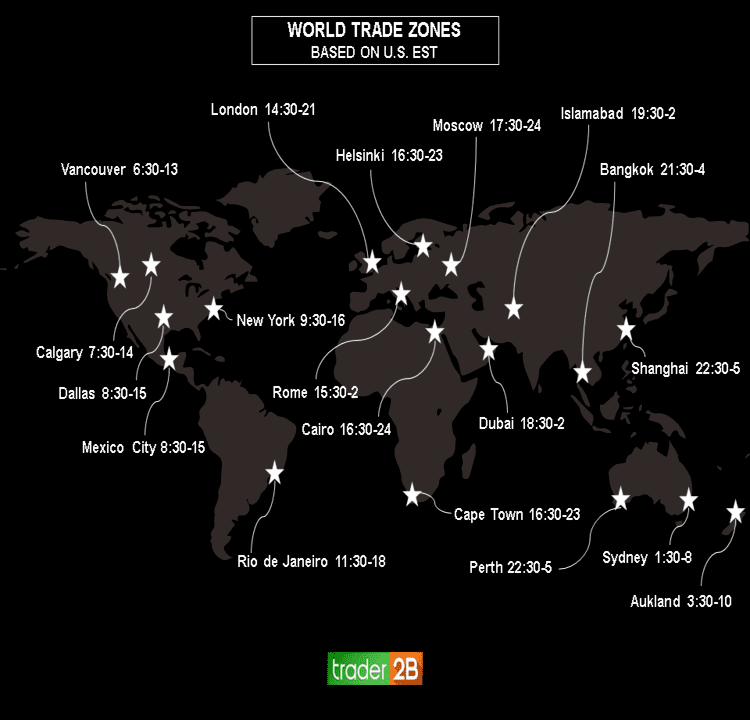
Optimizing Your Morning Routine
In the world of personal finance, the “early bird” truly does get the worm. Because the market opens so early in Arizona, investors must have their “game plan” ready the night before. By the time 6:30 AM MST rolls around, the East Coast has already been awake for hours, and the pre-market volume has already signaled the day’s likely direction.
A professional Arizona trader typically begins their day at least 60 to 90 minutes before the bell. This time is used to review the “Economic Calendar”—looking for CPI data, jobs reports, or Federal Reserve announcements—and to scan for overnight earnings reports. If you are waking up at the same time the market opens, you are already behind the curve.
Managing Global Market Overlaps
One of the hidden benefits of the Arizona time zone is the overlap with other global markets. When the U.S. markets open at 6:30 AM MST, the European markets (like the London Stock Exchange) are in their final hours of trading. This overlap often creates a surge in volume and volatility as global portfolios are rebalanced.
Arizona investors are positioned perfectly to see the hand-off from Europe to the U.S. Similarly, as the U.S. market closes in the early afternoon in Arizona, there is ample time to prepare for the opening of the Asian markets (like the Nikkei or Hang Seng) later that evening without sacrificing a full night’s sleep.
Tools and Resources for the Time-Conscious Investor
To manage the shifting hours and the early starts, Arizona-based investors should leverage specific financial tools designed to automate and streamline the trading process.
Setting Alerts and Automating Trades
Since the market opens early, it isn’t always possible to be at a desk for every price movement. This is where limit orders and stop-loss orders become essential components of a risk management strategy. By using “Good ‘Til Canceled” (GTC) orders, an investor can set their entry and exit points the evening before.
Furthermore, mobile alerts from platforms like Bloomberg, CNBC, or specific brokerage apps (such as Charles Schwab, Fidelity, or Vanguard) can be configured to trigger based on price action or news keywords. This ensures that even if you are commuting or occupied during the early morning hours, you remain connected to your portfolio’s performance.
Financial Calendars and Economic Indicators
Reliable data is the backbone of investing. Arizona traders should utilize financial calendars that allow for time-zone customization. Websites like Investing.com or Forex Factory allow users to “Set Local Time,” which automatically converts the release times of major economic indicators into MST. This prevents the costly mistake of expecting a Federal Reserve announcement at 2:00 PM local time when it actually occurs at 12:00 PM local time.
The Psychological Edge of Early Market Hours
While the early start might seem like a burden, many high-net-worth individuals and professional traders in the Western U.S. view the time difference as a psychological advantage.
Discipline and Market Detachment
The discipline required to maintain a successful trading schedule at 6:30 AM translates into other areas of financial management. It fosters a “business-first” mentality. Moreover, because the market closes at 1:00 PM or 2:00 PM MST, Arizona investors are forced to “clock out” of the charts while the sun is still high.
This provides a natural barrier against the “over-trading” trap. When the market is closed, the temptation to fiddle with a portfolio diminishes. The afternoon can be spent on “high-level” financial planning—analyzing tax implications, reviewing insurance needs, or looking at long-term real estate investments—rather than being glued to the minute-by-minute fluctuations of a ticker tape.
The Power of Post-Market Reflection
In New York, the market closes, and the city immediately moves into the evening rush. In Arizona, the 1:00 PM/2:00 PM close leaves the entire afternoon for quiet reflection. Successful investing requires a “post-mortem” of the day’s trades. Did you follow your plan? Did you let emotion drive a sale? Arizona’s schedule provides a unique window of time to conduct this analysis during standard business hours, ensuring that by the time the sun sets over the desert, your financial house is in order and you are prepared for the next day’s opening bell.

Conclusion: Mastering the Arizona Market Clock
For the Arizona investor, the stock market is not a static entity; it is a moving target. By understanding that the market opens at 6:30 AM MST during the summer and 7:30 AM MST during the winter, you can build a lifestyle and an investment strategy that leverages these hours to your advantage.
Whether you are a retail investor managing a 401(k) or a dedicated day trader seeking high-volatility plays, the key to success in the Mountain West is preparation. Respect the time zone, utilize the afternoon for research, and embrace the early start as a tool for financial discipline. In the world of money, those who master the clock are the ones who ultimately master their wealth.
aViewFromTheCave is a participant in the Amazon Services LLC Associates Program, an affiliate advertising program designed to provide a means for sites to earn advertising fees by advertising and linking to Amazon.com. Amazon, the Amazon logo, AmazonSupply, and the AmazonSupply logo are trademarks of Amazon.com, Inc. or its affiliates. As an Amazon Associate we earn affiliate commissions from qualifying purchases.