
In the realm of personal branding, few narratives are as meticulously crafted—or as telling—as that of Jeff Bezos. For decades, the question of “what car does Jeff Bezos drive?” has been met with an answer that served as a cornerstone of Amazon’s corporate identity. From a humble, high-mileage sedan to a $500 million custom superyacht and a fleet of private jets, the evolution of Bezos’s personal transport reflects the shifting phases of one of the most influential brands in modern history.
To understand the vehicles Bezos chooses is to understand the strategic messaging of a man who transformed from a garage-based bookseller into a global titan. This is not merely a list of automobiles; it is a masterclass in how personal branding aligns with corporate strategy, investor relations, and the public’s perception of wealth.
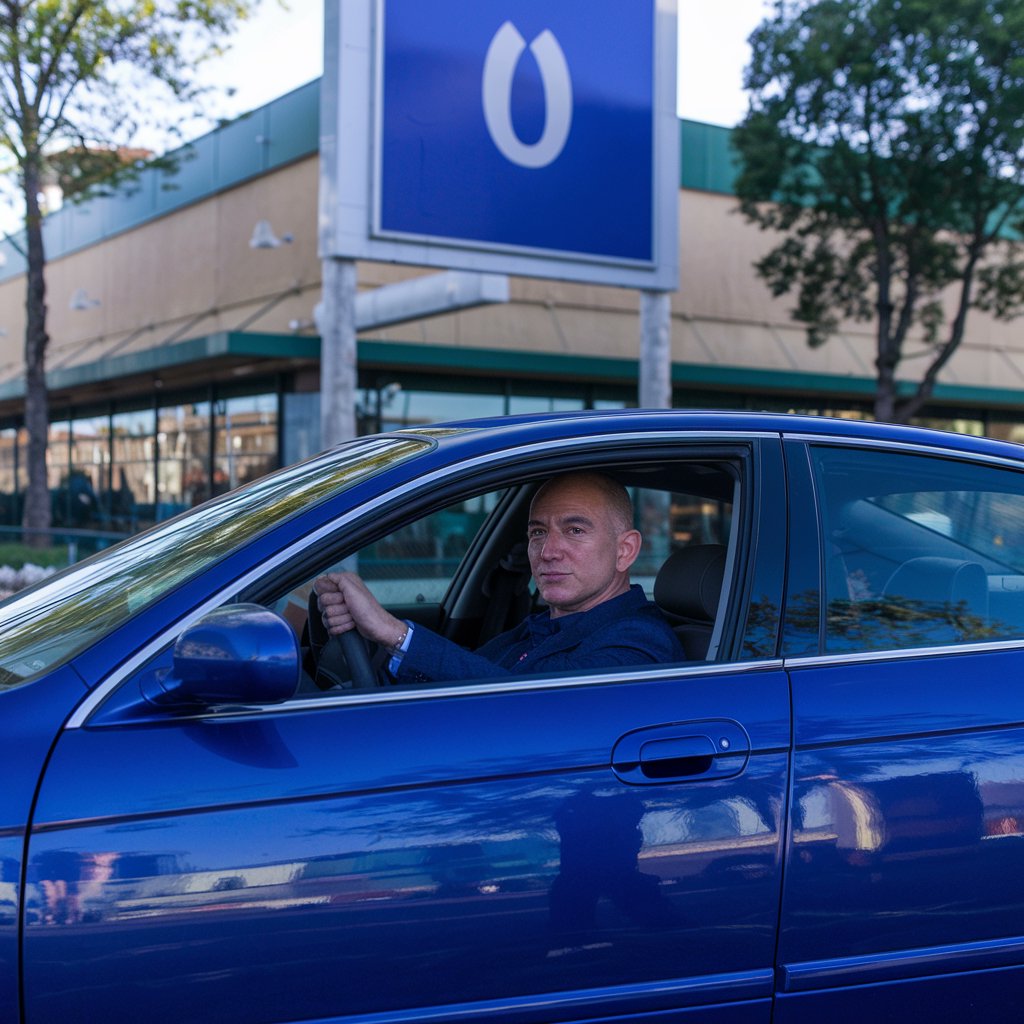
The Frugal Visionary: The Iconic Honda Accord Era
In the late 1990s, Jeff Bezos became a billionaire following Amazon’s IPO. Yet, for years afterward, he famously drove a 1997 Honda Accord. When interviewed by 60 Minutes in 1999, he was asked why he didn’t upgrade to something more reflective of his newfound status. His response—”It’s a perfectly good car”—became a foundational moment for the Amazon brand.
Signaling Values to Investors
At that time, Amazon was a high-growth company that was notoriously unprofitable. Bezos’s choice of a Honda Accord was a deliberate branding signal to Wall Street and his employees. It messaged “frugality,” one of Amazon’s core leadership principles. By driving a mid-range sedan while commanding a multi-billion-dollar empire, Bezos communicated that every dollar saved on executive perks was a dollar invested in the customer experience. This personal brand choice reinforced the idea that Amazon was a lean, mean, customer-obsessed machine that prioritized long-term value over short-term vanity.
The “Day 1” Philosophy in Metal
The Honda Accord era embodied the “Day 1” philosophy. Bezos used his car as a physical manifestation of his corporate culture. For an entrepreneur, the vehicle you drive to the office is often the most visible indicator of your ego. By suppressing the typical “billionaire” urges, Bezos branded himself as a relatable, grounded, and intensely focused founder. This helped build a culture where employees felt that their own sacrifices and hard work were mirrored at the top.
Transitioning to the Global Titan: The Rise of Luxury and Security
As Amazon expanded from “The Everything Store” into a global infrastructure giant encompassing AWS, logistics, and media, the Bezos brand underwent a necessary transformation. The “relatable founder” image began to give way to that of the “global statesman.” His transportation choices evolved to reflect a brand defined by efficiency, security, and limitless scale.
From Four Wheels to Private Wings
In the branding of a global CEO, time is the most valuable commodity. Eventually, the Honda Accord was replaced by a more practical, albeit significantly more expensive, mode of transport: the private jet. Bezos currently owns two Gulfstream G650ERs. From a brand perspective, this shift signaled that the Amazon empire had reached a level of complexity where the founder’s time was too valuable for commercial travel. The jet didn’t just represent luxury; it represented the “Bezos Flywheel”—a brand built on speed and global reach.
The Armored Fleet and Personal Security Branding
As his public profile grew, so did the necessity for a secure personal brand. Bezos is often seen in a fleet of armored SUVs, typically Cadillac Escalades or Chevrolet Suburbans. This choice aligns with the brand of a high-value target and a serious executive. It moved his personal identity away from the “quirky billionaire” toward a more “institutional” figure. The blacked-out SUVs communicate power, privacy, and the gravity of his role in the global economy, mirroring Amazon’s shift from a disruptor to an essential utility.
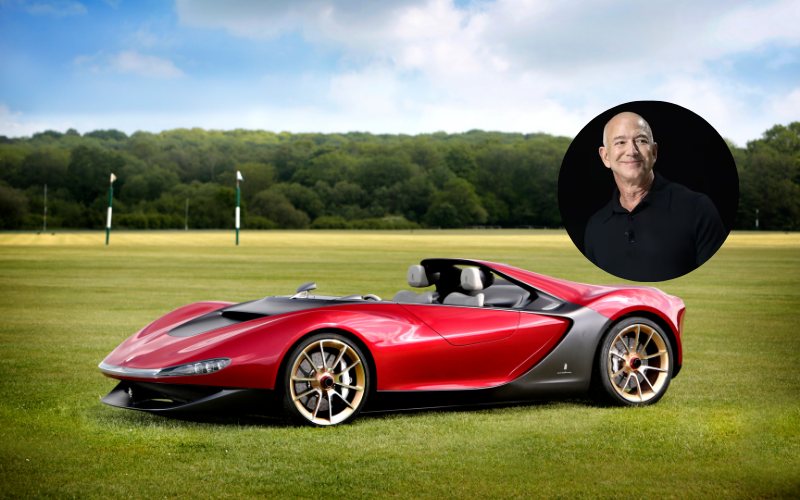
The Space Race and Sustainable Branding: Rivian and Blue Origin
In recent years, the Bezos brand has pivoted toward legacy-building and environmental responsibility. As the public grew more critical of “billionaire excess,” Bezos strategically aligned his transportation choices with the future of the planet and the expansion of the human species.
Investing in the Future of Mobility
One of the most significant moments in his recent branding history was the very public adoption of the Rivian R1T electric truck. Amazon’s massive investment in Rivian was not just a financial move; it was a brand-alignment strategy. By being photographed driving a Rivian at his Texas ranch or at the Blue Origin launch sites, Bezos positioned himself as a champion of sustainable technology. This helped soften the “ruthless capitalist” image, replacing it with the persona of a visionary technologist working to solve the climate crisis through innovation.
Aligning Personal Brand with Corporate Responsibility
The Rivian connection serves a dual purpose. It validates Amazon’s “Climate Pledge” (a commitment to be net-zero carbon by 2040) while personalizing that commitment through Bezos himself. When he steps out of an electric truck, he is signaling that the brand is forward-thinking and responsible. This transition from internal-combustion frugality (the Honda) to electric-powered innovation (the Rivian) tracks perfectly with the world’s changing expectations of corporate leadership.
The Ultimate Status Symbol: The High Seas and Beyond
Post-Amazon CEO life has seen Bezos embrace a more “aspirational” and “exploratory” personal brand. This phase is characterized by his foray into the world of superyachts, most notably the Koru, a 417-foot sailing yacht that cost an estimated $500 million.
The Koru Superyacht: A Shift in Public Perception
The Koru represents a radical departure from the “frugal” Honda Accord days. Branding-wise, this is Bezos stepping into his role as a “Citizen of the World.” The yacht, with its classic sailing aesthetic, suggests a brand of timelessness and exploration rather than just raw wealth. It evokes the spirit of the Great Explorers, aligning with his work at Blue Origin. While some see it as excess, from a branding standpoint, it is the ultimate “Day 2” reward—a signal that he has conquered the terrestrial business world and is now focused on the horizons of the sea and space.
Balancing Privacy with Global Influence
The yacht also serves as a mobile, high-security fortress that allows Bezos to maintain a personal brand of “exclusive influence.” By hosting world leaders, celebrities, and business moguls on his vessel, he creates an aura of a shadow diplomat. His “vehicle” is no longer just a way to get from point A to point B; it is a stage where the Bezos brand interacts with other global power players, far from the prying eyes of the traditional media.
Lessons in Personal Branding for Modern Executives
The trajectory of Jeff Bezos’s vehicle choices offers vital lessons for any entrepreneur or executive looking to build a personal brand. It demonstrates that what you drive is never just about the car; it’s about the message you want to send to your stakeholders.
Authenticity vs. Strategic Image Management
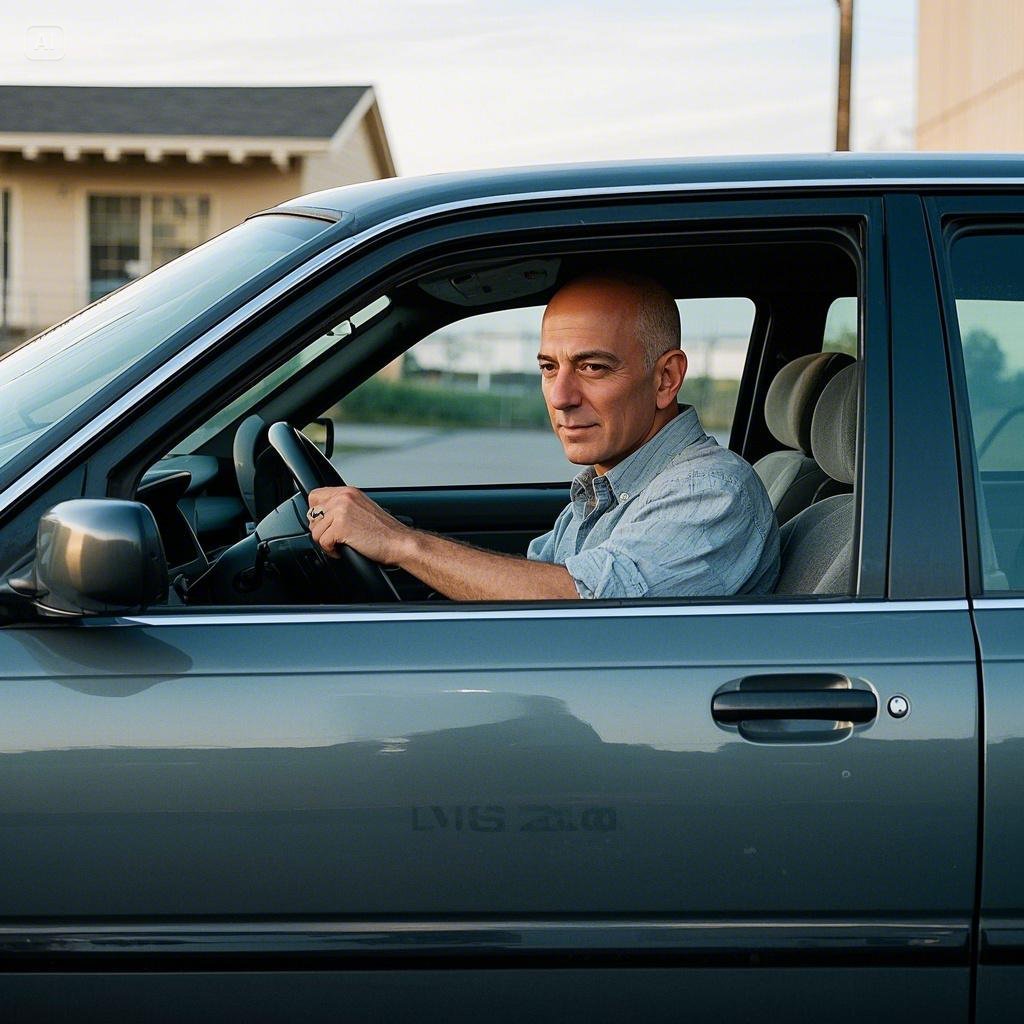
Bezos teaches us that a brand must evolve with the scale of the business. Had he continued to drive a 1997 Honda Accord while owning a $500 million yacht, it would have appeared disingenuous or “performative.” Instead, he allowed his brand to mature. He moved from “Frugal Founder” to “Industrial Titan” to “Sustainable Visionary.” The key is that each vehicle choice was appropriate for the specific chapter of his career, maintaining a level of internal logic that investors and the public could follow.
Consistency in Brand Messaging
The most important takeaway is the consistency between the personal and the corporate. When Amazon needed to prove it was efficient, Bezos drove a cheap car. When Amazon needed to prove it was a leader in the future of energy, Bezos drove an electric truck. When Bezos wanted to be seen as a legacy-builder beyond Amazon, he built a rocket and a sailing yacht.
In conclusion, “what car does Jeff Bezos drive” is a question with a shifting answer, but the underlying strategy remains the same. Every vehicle has been a tool used to build, protect, and project the brand of the man behind the smile on the Amazon box. From the leather seats of a Honda to the bridge of a superyacht, the journey reflects the path of a brand that never stops moving.
aViewFromTheCave is a participant in the Amazon Services LLC Associates Program, an affiliate advertising program designed to provide a means for sites to earn advertising fees by advertising and linking to Amazon.com. Amazon, the Amazon logo, AmazonSupply, and the AmazonSupply logo are trademarks of Amazon.com, Inc. or its affiliates. As an Amazon Associate we earn affiliate commissions from qualifying purchases.