
For over a decade, the names “Lewis Hamilton” and “Mercedes-AMG Petronas” were synonymous, representing a partnership that defined an era of unprecedented dominance in Formula 1. However, the sporting world was recently rocked by the announcement that Hamilton would be departing his long-time home for Scuderia Ferrari in 2025. To the casual observer, this may look like a veteran athlete chasing one last trophy. To a brand strategist, however, “what happened to Lewis Hamilton” is not a story of sporting decline, but rather a masterclass in personal brand evolution, legacy pivoting, and the strategic pursuit of a “blue ocean” identity.
The Mercedes Era: Building the Foundation of a Corporate Powerhouse
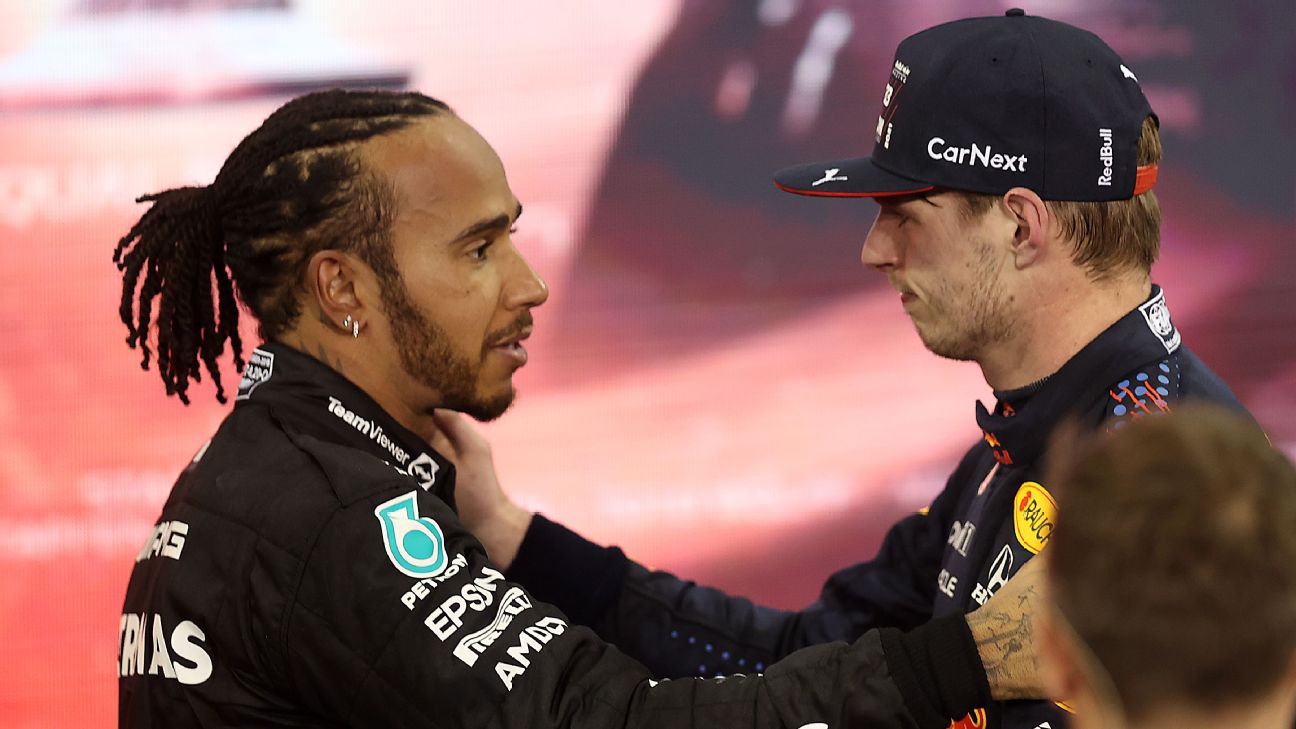
Before we can understand the current shift, we must analyze the brand architecture Hamilton built at Mercedes. For twelve years, Hamilton wasn’t just a driver; he was the primary ambassador for a brand that stood for German precision, engineering excellence, and corporate reliability.
The Symbiosis of Silver Arrows and LH44
The partnership between Hamilton and Mercedes was a textbook example of brand alignment. Mercedes provided the “industrial excellence” narrative, while Hamilton provided the “human excellence” narrative. This era saw Hamilton evolve from a talented racer into a global superstar. By aligning with a brand like Mercedes, he gained access to a premium, high-luxury demographic. The “Silver Arrows” identity allowed Hamilton to cultivate a persona of sophisticated speed, which paved the way for his entries into the worlds of high fashion and global activism.
Transcending Sport: The Birth of a Lifestyle Brand
Unlike his predecessors, Hamilton realized early on that an athlete’s brand is perishable if it remains tethered solely to their physical performance. During his tenure at Mercedes, he strategically diversified his public profile. He didn’t just attend fashion shows; he collaborated with Tommy Hilfiger. He didn’t just talk about environmentalism; he launched a vegan burger chain (Neat) and an Extreme E team (X44). This “lifestyle brand” approach ensured that when the Mercedes car eventually lost its competitive edge, the Hamilton brand remained buoyant and relevant across multiple industries.
The Stagnation Period: When Performance and Brand Alignment Diverge
The question “what happened to Lewis Hamilton” gained traction between 2022 and 2024. As Mercedes struggled with the “ground effect” technical regulations, Hamilton’s winning streak ended. In branding, prolonged association with a struggling product can lead to “brand fatigue.”
The Challenge of Technical Fatigue
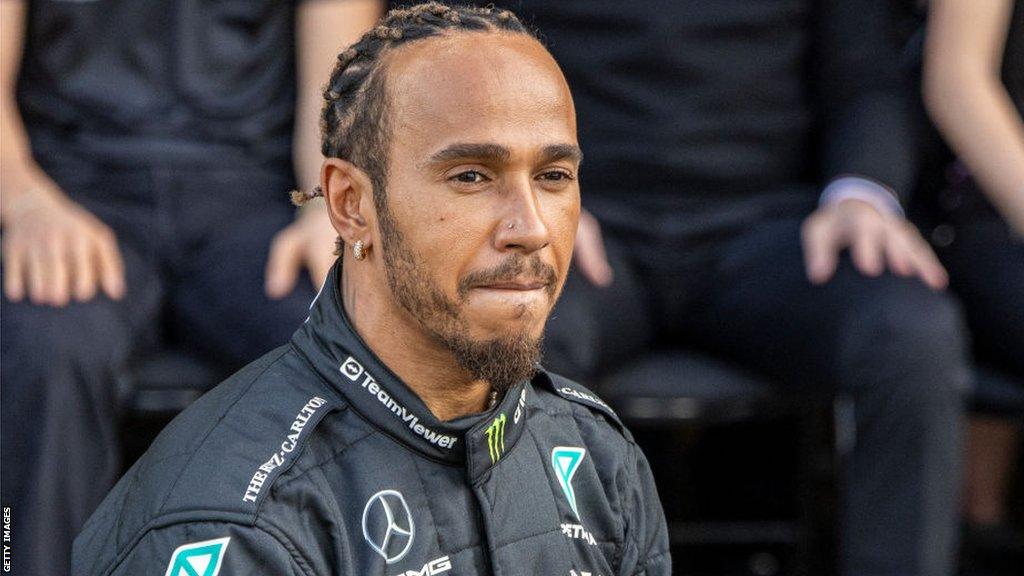
For a brand built on the concept of “The Best or Nothing,” several seasons of “The Best of the Rest” created a narrative conflict. Hamilton’s personal brand—centered on excellence and victory—was being diluted by the technical shortcomings of his equipment. From a strategic perspective, the “Hamilton” brand was beginning to suffer from diminishing returns within the Mercedes ecosystem. The narrative had become repetitive: the struggle to regain former glory. In marketing terms, the product lifecycle had reached its “maturity” phase, and a radical intervention was required to avoid the “decline” phase.
The Risk of Over-Saturation
By 2023, the Lewis-Mercedes story had been told in every conceivable way. Every podium, every loss, and every radio message had been analyzed. The brand was at risk of becoming a “heritage brand” while the subject was still very much an active competitor. To maintain a high market value, Hamilton needed a “disruptor event”—something that would shock the ecosystem and force a total re-evaluation of his market position.
The Ferrari Pivot: A Masterclass in Narrative Shifting
The move to Ferrari is perhaps the most significant brand pivot in the history of modern sports. By choosing to move to Maranello, Hamilton isn’t just switching teams; he is merging his personal brand with the most powerful and recognizable brand in automotive history.
Leveraging the “Tifosi” Mystique for Brand Longevity
Ferrari is not just a racing team; it is a religion. By joining the Scuderia, Hamilton taps into a different kind of brand equity—one based on emotion, history, and “La Dolce Vita.” This move effectively “re-ages” his brand. While he was a senior figure at Mercedes, at Ferrari, he becomes the “Legendary Newcomer.” This provides him with a fresh narrative arc: the quest to bring the world’s most famous team back to the top. From a brand perspective, this is a “Blue Ocean Strategy”—moving away from the saturated competition of his past and into a unique, high-stakes environment where the potential for brand growth is exponential.
The Red Transformation: Marketing the Ultimate Comeback
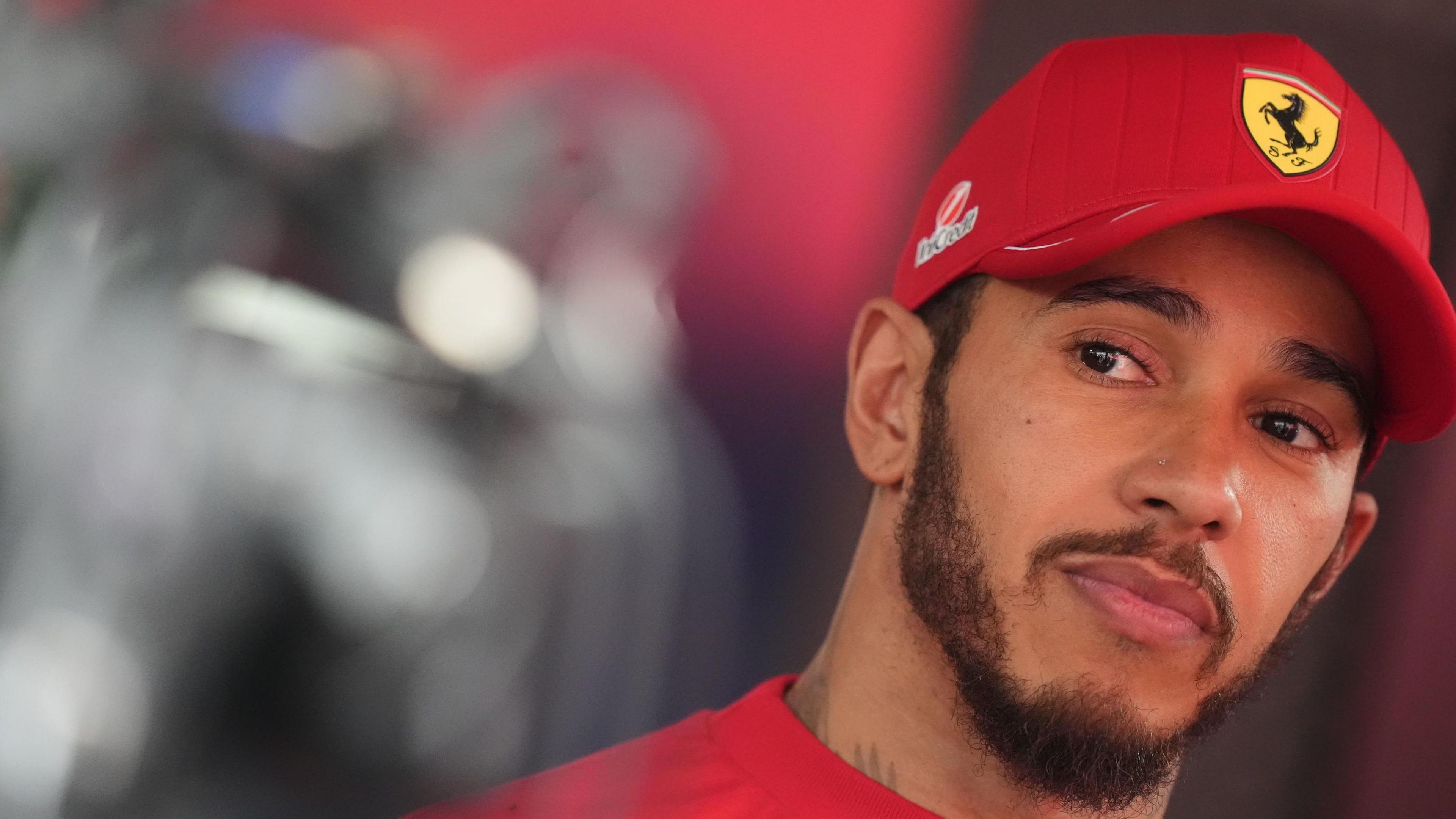
The financial markets reacted immediately to the news, with Ferrari’s stock value surging by billions of dollars upon the announcement. This is the “Hamilton Effect” in action. For Hamilton, the move represents a shift from “Corporate Excellence” (Mercedes) to “Mythic Legacy” (Ferrari). The visual rebranding alone—swapping the silver and black for the iconic Rosso Corsa—creates a fresh wave of merchandising opportunities and global media interest that a mere contract extension at Mercedes could never have achieved. It is a strategic move to ensure that his name is forever linked with the two greatest entities in the sport’s history.
Mission 44 and Social Impact: Brand Purpose as a Competitive Advantage
One cannot discuss what happened to Lewis Hamilton without addressing his shift toward social advocacy. In modern branding, “purpose” is the most valuable currency. Hamilton has successfully transitioned from being a “driver who cares” to an “activist who drives.”
Diversification Through Advocacy and Inclusion
Through the launch of Mission 44 and the Hamilton Commission, he has built a brand pillar centered on diversity and inclusion. This isn’t just philanthropy; it is strategic brand positioning. By taking a lead on social issues, Hamilton has insulated his brand from the fluctuations of sporting results. Even if he doesn’t win a race, his work in social justice continues to generate positive brand sentiment and attracts a younger, more socially conscious demographic. This “Purpose-Led” branding ensures his relevance in a world where consumers increasingly demand that their icons stand for something.
The Future of the “Hamilton” Identity Beyond the Cockpit
The move to Ferrari also includes significant support for his off-track initiatives. Reports suggest that the deal involves a multi-million dollar investment into his charitable foundations and creative projects. This illustrates the final stage of his brand evolution: the transition into a “Venture Icon.” Much like Michael Jordan or Jay-Z, Hamilton is using his primary career as a springboard to become a diversified business mogul. His brand is no longer defined by a lap time, but by his influence across fashion, film (including his high-profile Apple TV+ project), and social change.
Conclusion: The Strategic Resurrection of a Global Icon
So, what happened to Lewis Hamilton? He didn’t fade away; he evolved. Recognizing that his tenure at Mercedes had reached its natural conclusion from a storytelling and brand-growth perspective, he executed a high-risk, high-reward pivot to Ferrari.
This move is a lesson in personal branding: when the current platform can no longer support your growth, you must seek a new one that offers a higher ceiling. By aligning with Ferrari, Hamilton has ensured that the final chapter of his racing career will be its most talked-about, regardless of the trophy count. He has successfully navigated the transition from a sports star to a global cultural institution. Lewis Hamilton has proved that in the world of high-stakes branding, the most powerful move is not to play the game better than everyone else, but to change the game entirely.
aViewFromTheCave is a participant in the Amazon Services LLC Associates Program, an affiliate advertising program designed to provide a means for sites to earn advertising fees by advertising and linking to Amazon.com. Amazon, the Amazon logo, AmazonSupply, and the AmazonSupply logo are trademarks of Amazon.com, Inc. or its affiliates. As an Amazon Associate we earn affiliate commissions from qualifying purchases.