
Transitioning from a traditional W-2 employee to an independent contractor is a significant milestone in any professional’s career. It represents a shift toward autonomy, specialized expertise, and the freedom to build a business on your own terms. However, this shift also introduces a complex financial responsibility: managing your own taxes. Unlike traditional employees, independent contractors do not have taxes withheld from their paychecks. Instead, they are responsible for paying the self-employment tax and income tax on their net earnings.
The key to financial sustainability as an independent contractor lies in understanding “write-offs”—legally recognized business expenses that reduce your taxable income. Every dollar you write off is a dollar you aren’t taxed on, which directly impacts your bottom line. To navigate this landscape effectively, you must understand the IRS guidelines, categorize your spending accurately, and maintain the discipline required to track every cent. This guide explores the essential categories of tax deductions for independent contractors within the “Money” niche, helping you optimize your business finances.
The Foundation of Independent Contractor Tax Deductions
Before diving into specific items, it is crucial to understand the fundamental philosophy the IRS uses to evaluate deductions. Not every purchase made by a business owner qualifies as a write-off. To be deductible, a business expense must be both “ordinary” and “necessary.”
The IRS Criteria: Ordinary and Necessary
An “ordinary” expense is one that is common and accepted in your particular industry. For a freelance graphic designer, a subscription to Adobe Creative Cloud is ordinary. For a construction contractor, high-grade lumber is ordinary. A “necessary” expense is one that is helpful and appropriate for your trade or business. An expense does not have to be indispensable to be considered necessary; it simply needs to contribute to the operation or growth of the business.
Distinguishing between personal and business expenses is the most common hurdle. If you use an item for both personal and professional reasons, such as a cell phone, you can only deduct the percentage of the cost that is attributable to business use. Understanding this distinction is the first step toward building a solid financial foundation.
Maintaining Impeccable Records
The burden of proof rests entirely on the independent contractor. In the event of an audit, the IRS will require documentation to support every deduction claimed. This includes receipts, bank statements, canceled checks, and logs. Modern financial tools and apps can automate much of this process, but the habit of digital record-keeping remains a pillar of business finance. A dedicated business bank account and credit card are non-negotiable; mixing personal and business funds makes it nearly impossible to track deductions accurately and can lead to significant headaches during tax season.
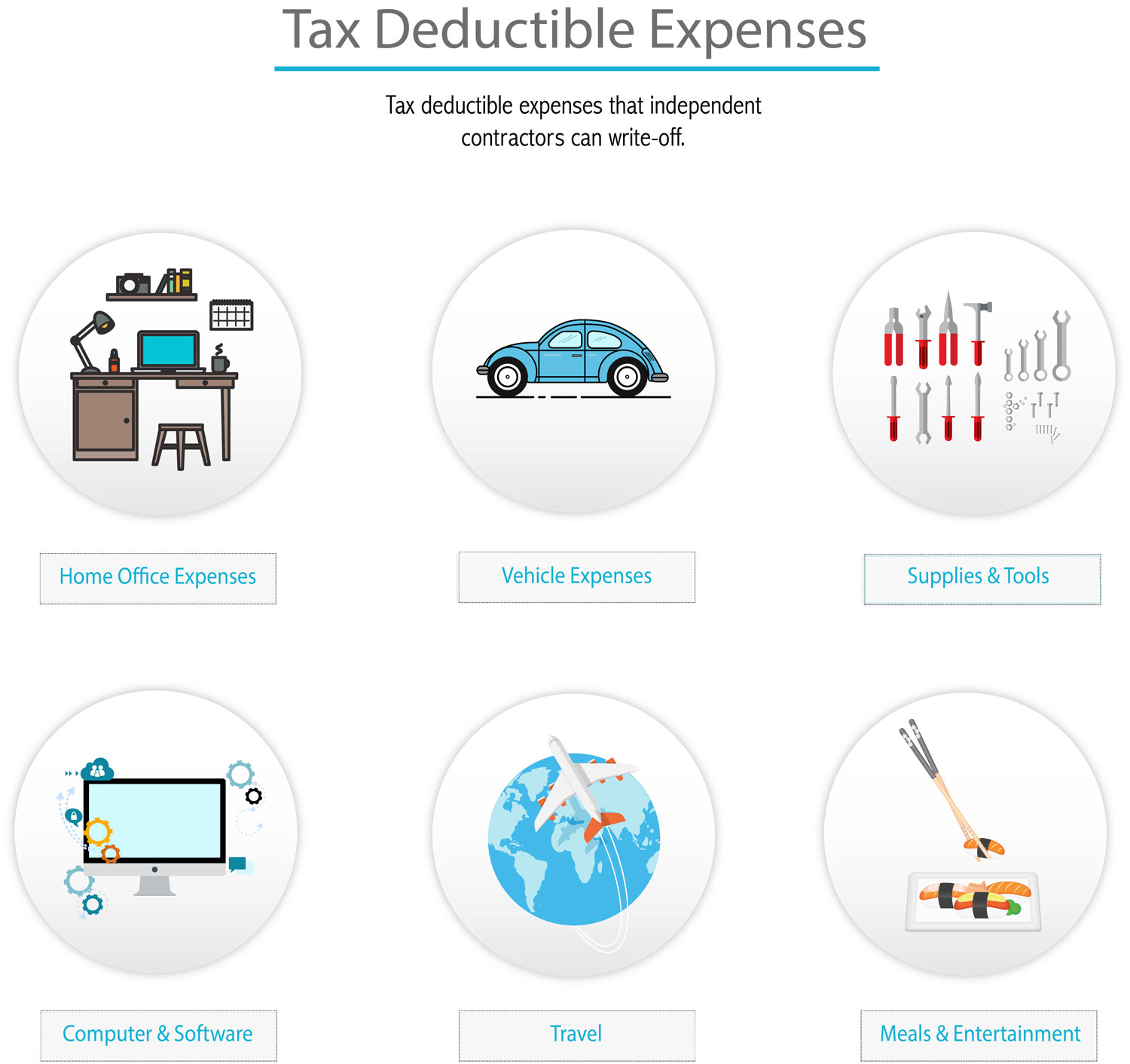
Home Office and Workspace Expenses
For many independent contractors, the home serves as the primary place of business. The “Home Office Deduction” is one of the most valuable, yet misunderstood, tax breaks available to the self-employed.
The Home Office Deduction: Simplified vs. Actual Method
To qualify for a home office deduction, a portion of your home must be used exclusively and regularly for your business. It cannot be the kitchen table where your family eats dinner; it must be a dedicated space. There are two ways to calculate this deduction:
- The Simplified Method: You can claim $5 per square foot of your home office, up to a maximum of 300 square feet ($1,500 maximum deduction). This is ideal for those who want to avoid complex calculations and extensive record-keeping for utility bills.
- The Actual Expense Method: You calculate the percentage of your home used for business (e.g., if your office is 100 square feet and your home is 1,000 square feet, your business use is 10%). You then deduct that percentage of your total home expenses, including mortgage interest, property taxes, and homeowners’ insurance.
Utilities, Rent, and Repairs
If you choose the actual expense method, you can also deduct a portion of your utilities, such as electricity, water, and heating. Additionally, if you rent your home, you can deduct the business percentage of your monthly rent. Repairs made specifically to the home office (like painting the walls or fixing a leak in that specific room) are fully deductible. General home repairs, like a roof replacement, are partially deductible based on the percentage of business use of the home.
Professional Tools, Equipment, and Technology
In the modern digital economy, technology is often the largest overhead for an independent contractor. These tools are the engines that drive productivity and revenue.
Hardware and Software Subscriptions
The equipment you buy to perform your work—laptops, tablets, external monitors, printers, and even specialized furniture like ergonomic desks—are all deductible. Depending on the cost and the current tax laws (such as Section 179), you may be able to deduct the full cost in the year of purchase or depreciate it over several years.
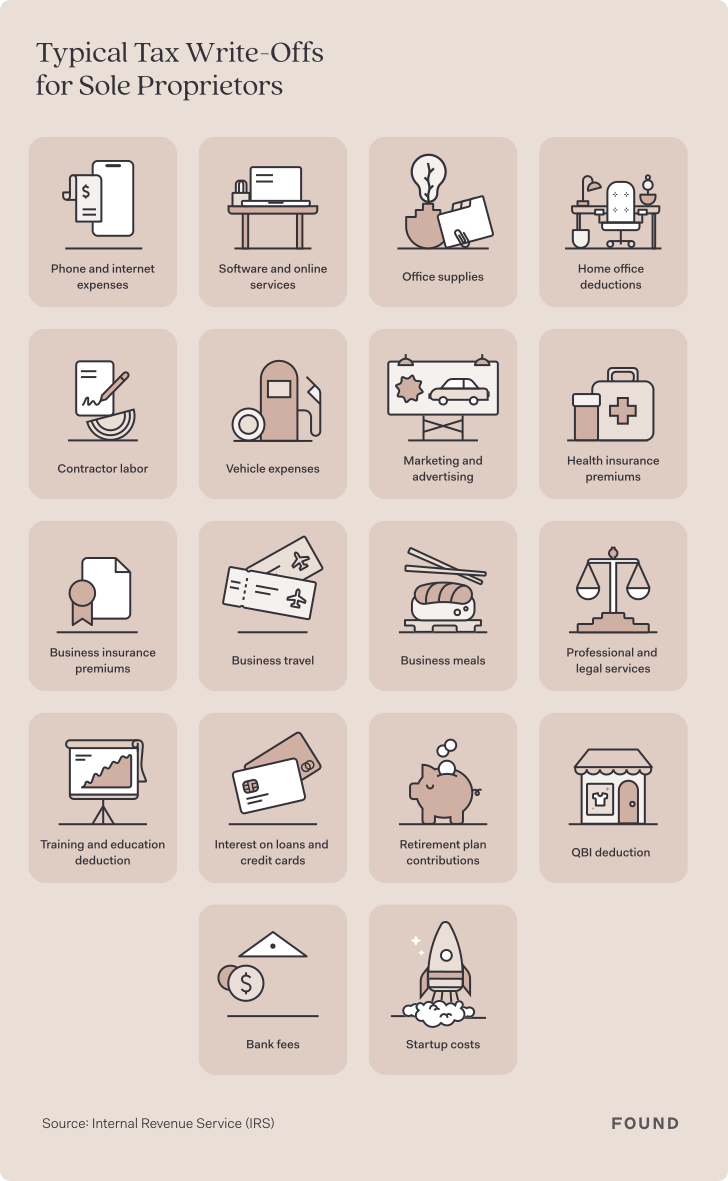
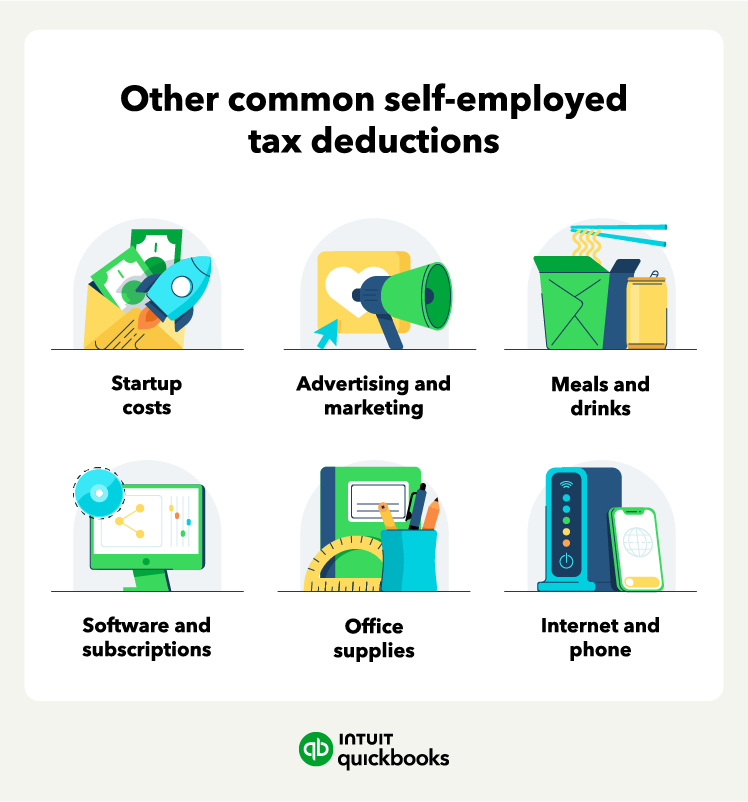
Software is equally important. This includes monthly or annual subscriptions to project management tools (like Asana or Trello), accounting software (like QuickBooks or FreshBooks), and industry-specific tools (like CAD software for architects or CRM systems for sales consultants). Because these are typically “SaaS” (Software as a Service) models, they represent recurring business expenses that are fully deductible.
Communications: Phone and Internet Costs
Communication is the lifeblood of business. If you use your internet and cell phone for work, you can write off a portion of these bills. If you have a dedicated business phone line, 100% of that cost is deductible. However, if you use your personal phone, you must estimate the percentage of time spent on business calls and data usage. For example, if 50% of your phone usage is business-related, you can deduct 50% of your monthly bill.
Marketing, Travel, and Professional Development
Growth requires investment. Independent contractors must act as their own marketing departments and sales teams, and the costs associated with these activities are fully recognized by the IRS.
Advertising and Brand Outreach
Anything you spend to promote your business and acquire customers is deductible. This includes:
- Digital advertising (Facebook Ads, Google Workspace, LinkedIn Premium).
- Website costs (domain registration, hosting, web design fees).
- Print materials (business cards, brochures, signage).
- Social media management tools and freelance fees paid to marketing consultants.
Business Travel and Transportation
Travel expenses are deductible if they are for business purposes and require you to be away from your “tax home” for longer than a normal workday. This includes airfare, hotel stays, and 50% of the cost of business meals.
For transportation, you can choose between the standard mileage rate (a set amount per mile driven for business, which is 67 cents in 2024) or the actual expense method (tracking gas, oil changes, tires, and repairs). For most contractors, the mileage rate is the simpler and often more lucrative option, provided they keep a meticulous mileage log.
Education and Continuous Learning
To remain competitive, independent contractors must constantly upgrade their skills. Expenses for professional development—such as seminars, webinars, certification courses, and books related to your field—are deductible. However, the education must maintain or improve skills in your current business; it cannot be used to qualify you for a completely new trade or profession.
Health, Retirement, and Insurance Considerations
Finally, independent contractors must look toward their long-term financial security. Since they do not have access to employer-sponsored benefits, the tax code provides specific incentives to help manage these costs.
Self-Employed Health Insurance (SEHI)
One of the most significant deductions for the self-employed is the ability to deduct 100% of health insurance premiums for yourself, your spouse, and your dependents. This is an “above-the-line” deduction, meaning it reduces your adjusted gross income (AGI) regardless of whether you itemize other deductions. This can lead to substantial savings, particularly for those with high premium costs.
Retirement Contributions
Building wealth for the future is a critical component of business finance. Independent contractors can contribute to specialized retirement accounts like a SEP IRA, a SIMPLE IRA, or a Solo 401(k). These contributions are typically tax-deductible, allowing you to lower your current tax bill while building a nest egg for retirement. In many cases, the contribution limits for these accounts are much higher than those for traditional IRAs, providing a powerful tool for tax-deferred growth.
Business Insurance and Professional Fees
Protecting your business from liability is an “ordinary and necessary” expense. Premiums for general liability insurance, professional liability (errors and omissions) insurance, and workers’ compensation are all deductible. Furthermore, the fees you pay to professionals who help you run your business—such as accountants, tax preparers, and attorneys—are also fully deductible business expenses.
Conclusion
Understanding what you can write off as an independent contractor is more than just a task for tax season; it is a year-round strategy for financial success. By viewing your expenses through the lens of business finance, you can make smarter purchasing decisions that support your growth while minimizing your tax liability.
While the list of potential deductions is extensive—ranging from your home office and tech stack to your marketing efforts and health insurance—the key remains consistency and documentation. By treating your freelance work or consultancy as a professional business entity, you ensure that you keep more of your hard-earned money, allowing you to reinvest in yourself and your future. Always consult with a qualified tax professional to ensure you are maximizing your specific situation, as tax laws are subject to change and vary by jurisdiction.
aViewFromTheCave is a participant in the Amazon Services LLC Associates Program, an affiliate advertising program designed to provide a means for sites to earn advertising fees by advertising and linking to Amazon.com. Amazon, the Amazon logo, AmazonSupply, and the AmazonSupply logo are trademarks of Amazon.com, Inc. or its affiliates. As an Amazon Associate we earn affiliate commissions from qualifying purchases.