
In our increasingly interconnected world, understanding the fundamental building blocks of the internet is more crucial than ever. Among these, the Internet Protocol (IP) address stands out as a unique identifier, often sparking curiosity, concern, and sometimes even a touch of mystery. Many wonder, “What exactly can I do with the IP address of someone?” The answer, like much of the digital landscape, is nuanced, ranging from legitimate analytical insights to serious ethical and legal pitfalls. This article will delve into the capabilities and limitations associated with an IP address, exploring its role in technology, its implications for branding and marketing, and the financial and legal considerations it carries.
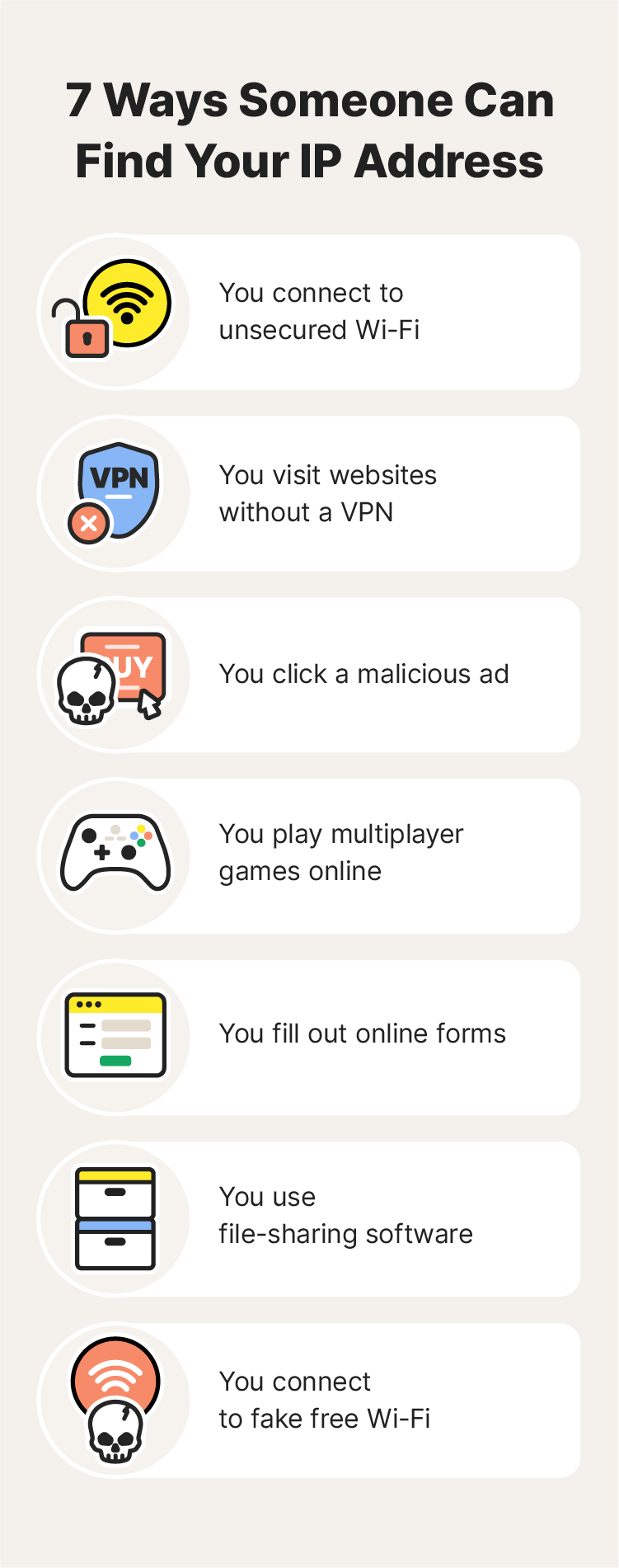
Demystifying the IP Address: Your Digital Fingerprint
Before we explore its potential uses, it’s essential to grasp what an IP address truly is and how it functions within the vast network of the internet. Far from being a direct indicator of a person, an IP address is primarily associated with a device or a network.
What Exactly is an IP Address?
An IP address is a unique numerical label assigned to every device connected to a computer network that uses the Internet Protocol for communication. Think of it as your digital home address, allowing data to be sent to and received from your specific device on the internet. Without IP addresses, the internet as we know it simply wouldn’t work; information packets wouldn’t know where to go. They come in two main versions: IPv4 (e.g., 192.168.1.1) and the newer, more abundant IPv6. While an IP address isn’t inherently “personal information” in the same way a name or social security number is, it can often be used to infer location and, in some contexts, be linked to an individual.
Dynamic vs. Static IPs: A Key Distinction
Not all IP addresses are created equal. Most home internet users are assigned a dynamic IP address. This means your Internet Service Provider (ISP) assigns you a different IP address periodically, or each time your router restarts. Dynamic IPs offer flexibility for ISPs and can make it slightly harder to track a specific user over long periods without additional data. On the other hand, static IP addresses remain constant. Businesses, servers, and devices that require consistent remote access often use static IPs. Knowing whether an IP is dynamic or static can influence what insights you can glean and how persistent any information linked to it might be.
How IP Addresses Facilitate Online Interactions
At its core, an IP address is the foundational element that allows devices to locate and communicate with each other over the internet. When you type a website URL into your browser, a Domain Name System (DNS) server translates that human-readable name (like google.com) into an IP address. Your computer then uses this IP address to send a request to the web server hosting the website, and the server uses your IP address to send the website data back to you. This constant exchange of IP addresses is what enables email, streaming, online gaming, and every other digital interaction we take for granted. Understanding this basic function is the first step toward appreciating its broader implications.
Legitimate Insights and Practical Applications
While the term “IP address” can sometimes evoke images of hackers and digital espionage, the vast majority of its uses are entirely legitimate, serving crucial functions in technology, marketing, and business operations. Leveraging IP addresses responsibly can provide valuable data for a variety of purposes.
Geo-Location and Content Personalization
One of the most common and benign uses of an IP address is for geo-location. Every IP address is associated with a geographical region, down to the city level in many cases, though not usually a precise street address. This information allows websites and applications to offer localized content, pricing, or services. For instance, a streaming service might display content available only in your country, or an e-commerce site might show prices in your local currency. From a branding perspective, this allows businesses to tailor user experiences, making their platforms feel more relevant and accessible, ultimately enhancing customer satisfaction and engagement.
Website Analytics and User Behavior
For website owners, marketers, and developers, IP addresses are a goldmine of aggregated, anonymized data. Web analytics tools frequently log IP addresses to track visitors. This doesn’t mean knowing who each visitor is, but rather where they came from (geographically), how many unique visitors a site receives, and even which ISPs they use. This data is invaluable for understanding audience demographics, identifying traffic trends, optimizing server performance, and detecting potential security threats. For businesses, this translates directly into informed brand strategy, targeted marketing campaigns, and a better understanding of their online audience, contributing to online income and overall business finance management.
Network Troubleshooting and Security Monitoring
In the realm of digital security and network administration, IP addresses are indispensable. IT professionals use IP addresses to diagnose network issues, trace the path of data packets, and ensure connectivity. From a security standpoint, logs of IP addresses accessing a system are critical for identifying suspicious activity. If an unauthorized attempt to access a server occurs, the IP address can be used to block future attempts or to investigate the source of the attack. For digital security professionals, understanding and analyzing IP data is a core component of maintaining robust cyber defenses and ensuring system integrity.
Combating Spam and Abuse
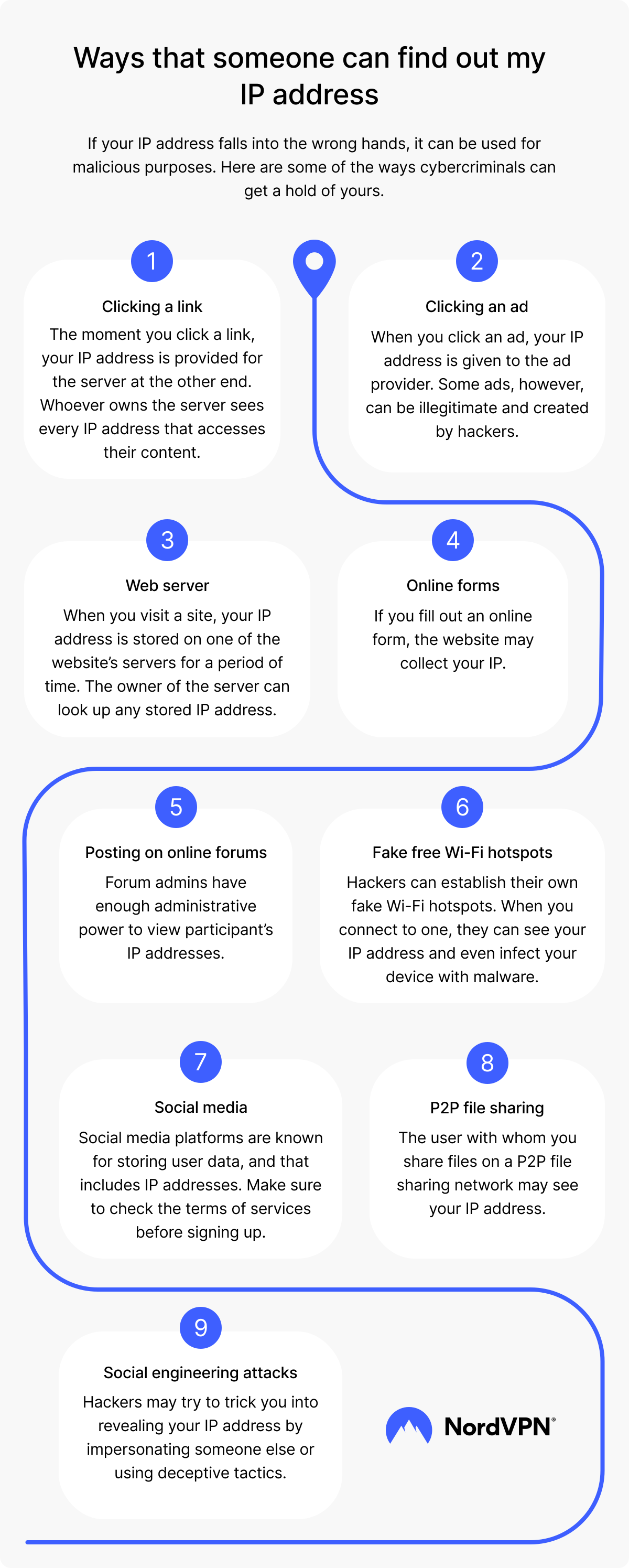
IP addresses are a key tool in the ongoing battle against spam, fraud, and online abuse. Email providers and forum administrators frequently use IP addresses to identify and block sources of spam or malicious activity. If a particular IP address is consistently sending phishing emails or engaging in disruptive behavior on a website, it can be blacklisted, preventing further unwanted interactions. This helps maintain a cleaner, safer online environment for everyone. While not a foolproof solution, IP-based blocking is an important layer in the multi-faceted approach to digital security and reputation management for online platforms.
Navigating the Ethical and Legal Landscape
While the legitimate uses of IP addresses are numerous and beneficial, the power they hold comes with significant ethical and legal responsibilities. Misusing an IP address can lead to severe consequences, ranging from privacy violations to criminal charges. Understanding these boundaries is paramount for anyone interacting with digital data.
The Fine Line: Privacy Concerns and Data Protection
The most critical aspect of dealing with IP addresses is respecting individual privacy. While an IP address isn’t a person’s name, it can, especially when combined with other data points (like browsing history, login information, or GPS data), contribute to a detailed profile of an individual. This is why data protection regulations, such as GDPR in Europe and CCPA in California, often classify IP addresses as personal data or personally identifiable information (PII) if they can be used to identify an individual. Businesses and individuals must be transparent about how they collect and use IP addresses and ensure they comply with all applicable privacy laws. Failing to do so can severely damage a brand’s reputation and lead to significant financial penalties.
Illegal Activities: What You Must Avoid
Using an IP address to engage in malicious or unauthorized activities is illegal and carries serious penalties. This includes, but is not limited to:
- DDoS/DoS Attacks: Using an IP address to launch a Distributed Denial of Service (DDoS) or Denial of Service (DoS) attack, overwhelming a server and making a website unavailable.
- Hacking/Unauthorized Access: Attempting to gain unauthorized access to someone’s network, computer, or personal information using their IP address.
- Cyberstalking/Harassment: Using an IP address to track or harass an individual.
- Fraudulent Activities: Impersonating someone or engaging in fraud using a traced IP address.
These actions are not just unethical; they are criminal offenses that can result in hefty fines, imprisonment, and a permanently damaged personal and professional reputation. The anonymity of the internet is often a myth when it comes to serious crimes, as law enforcement agencies have sophisticated tools to trace IP addresses back to individuals.
Respecting Boundaries: The Importance of Consent
In all interactions involving personal data, including IP addresses where they can be linked to individuals, the principle of consent is vital. Users should be informed about how their data is being collected and used, and they should have the option to consent (or not). This is particularly relevant for websites using cookies and other trackers that leverage IP addresses for analytics or targeted advertising. For brands, building trust through transparency about data practices is a cornerstone of good corporate identity and customer relationship management. Ethical behavior in data handling is not just a legal requirement but a fundamental aspect of maintaining a positive brand image and fostering long-term customer loyalty.
Strengthening Your Own Digital Defenses
Understanding what others can do with an IP address also empowers you to protect your own. In an era where digital security is paramount, taking proactive steps to manage your own digital footprint is a critical aspect of personal productivity and online safety.
Masking Your IP: VPNs and Proxies
One of the most effective ways to enhance your online privacy and obscure your true IP address is by using a Virtual Private Network (VPN) or a proxy server. When you connect to a VPN, your internet traffic is routed through an encrypted server operated by the VPN provider. This server then connects to the internet on your behalf, effectively masking your real IP address with the VPN server’s IP. This not only makes it harder for websites to pinpoint your location but also encrypts your data, protecting it from potential eavesdroppers. For users concerned about their digital security or looking to bypass geo-restrictions, a reputable VPN service is an invaluable tool.
Practicing Safe Browsing Habits
While technological solutions like VPNs are powerful, fundamental safe browsing habits remain the first line of defense. Be cautious about clicking on suspicious links, especially those in unsolicited emails or messages. Avoid downloading attachments from unknown sources. Use strong, unique passwords for all your online accounts and enable two-factor authentication whenever possible. Regularly update your operating system, browser, and security software to patch vulnerabilities that could expose your IP or other personal data. These simple yet effective practices significantly reduce your risk of falling victim to phishing attacks or malware that could compromise your digital identity.
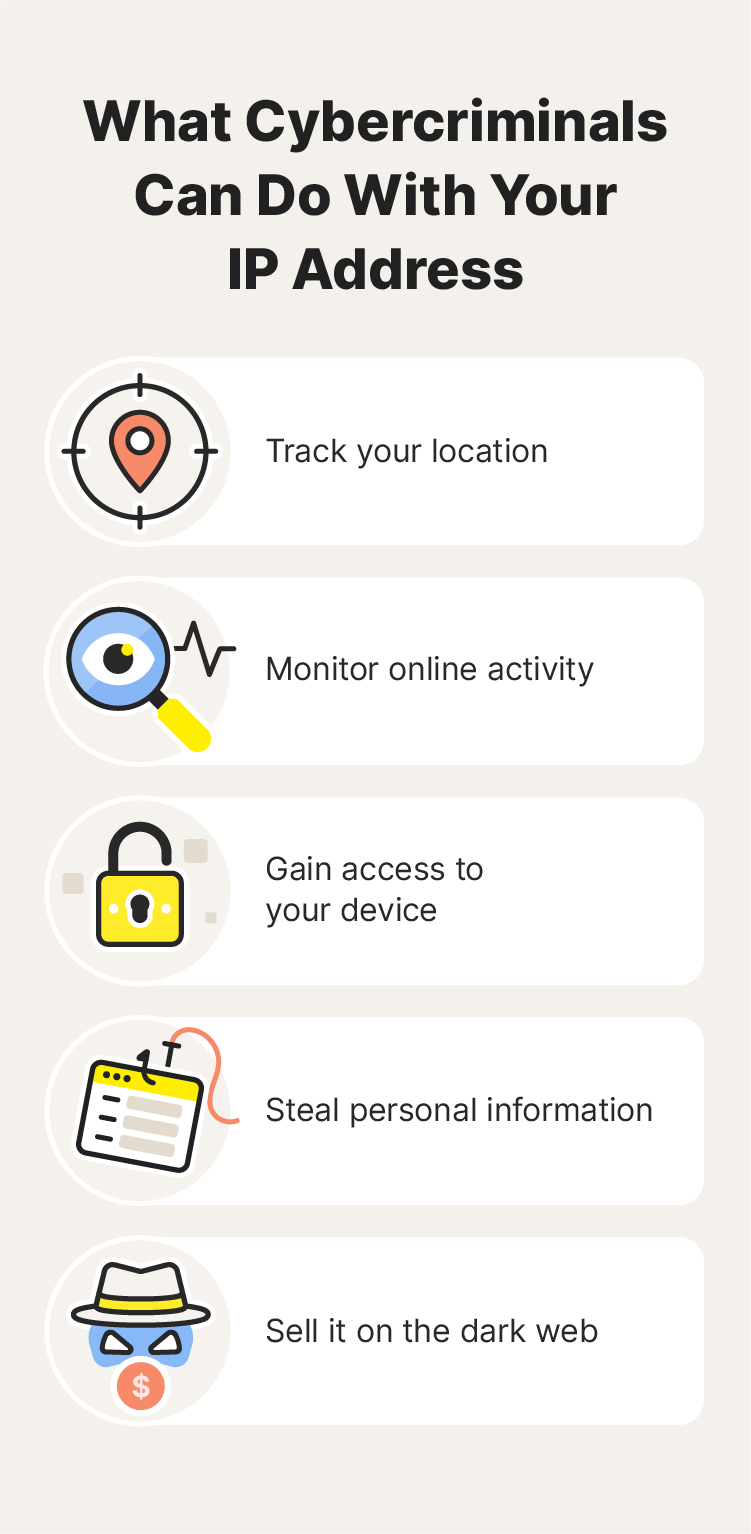
Educating Yourself on Digital Privacy
Ultimately, the best defense is knowledge. Continuously educate yourself about the latest digital security threats, privacy best practices, and the evolving landscape of online technology. Understand the privacy settings on your social media accounts and other online services. Read privacy policies (even if they’re long!) to know what data you’re sharing. Be mindful of the information you share online and the digital footprint you create. For individuals and businesses alike, staying informed about digital security trends and privacy implications is not just a recommendation—it’s a necessity for maintaining productivity, securing finances, and protecting your brand in the digital age.
In conclusion, an IP address is a powerful and essential component of the internet, offering a range of legitimate uses from analytics and personalization to security and troubleshooting. However, its potential for misuse highlights the critical importance of ethical considerations, legal compliance, and robust personal digital security. By understanding what an IP address entails and how to interact with it responsibly, we can harness its benefits while safeguarding privacy and fostering a more secure online environment for everyone.
aViewFromTheCave is a participant in the Amazon Services LLC Associates Program, an affiliate advertising program designed to provide a means for sites to earn advertising fees by advertising and linking to Amazon.com. Amazon, the Amazon logo, AmazonSupply, and the AmazonSupply logo are trademarks of Amazon.com, Inc. or its affiliates. As an Amazon Associate we earn affiliate commissions from qualifying purchases.