
The landscape of chronic disease management is undergoing a seismic shift. Gastroesophageal Reflux Disease (GERD), a condition affecting millions globally, has traditionally been managed through a combination of pharmaceutical intervention and manual lifestyle adjustments. However, as we move further into the decade, the question of “what can help with GERD” is increasingly being answered not just by antacids, but by sophisticated technological ecosystems. From Artificial Intelligence (AI) diagnostics to specialized Digital Therapeutics (DTx), the integration of hardware and software is providing patients and clinicians with unprecedented tools to manage, monitor, and mitigate the symptoms of acid reflux.
AI-Driven Diagnostics and Personal Monitoring
The first frontier in the technological fight against GERD is the move from reactive treatment to proactive, data-driven management. Historically, diagnosing the severity of reflux required invasive procedures or retrospective self-reporting, which is notoriously unreliable. Today, AI and advanced sensor technology are closing the gap.
Smart Wearables and pH Monitoring
Modern technology has moved beyond simple step-counting. In the realm of gastroenterology, “smart” wearables and ingestible sensors are becoming the gold standard for continuous monitoring. Wireless pH monitoring capsules, such as the Bravo system, are becoming more integrated with consumer-facing tech interfaces. These devices, which temporarily attach to the esophageal lining, transmit data via Bluetooth to external receivers.
When paired with sophisticated mobile applications, this data allows patients to see real-time correlations between their activities—such as eating a specific meal or lying down—and their esophageal acidity levels. This “Tech-first” approach removes the guesswork, providing a granular look at how a patient’s body reacts to environmental triggers.
Machine Learning Algorithms for Symptom Prediction
Beyond simple data collection, Machine Learning (ML) is being used to analyze vast datasets of patient symptoms. AI platforms can now identify patterns that the human eye might miss. For instance, by analyzing a user’s sleep patterns via a smartwatch, their dietary logs through a nutrition app, and their reported reflux episodes, an ML algorithm can predict “high-risk” windows for GERD flares.
These predictive models empower users by providing “nudge” notifications. For example, a specialized health app might alert a user that based on their late-night meal and current heart rate variability (suggesting high stress), they are 80% more likely to experience nocturnal reflux, prompting them to adjust their sleeping position or take preventative measures.
Digital Therapeutics (DTx): The Software-as-a-Medicine Revolution
One of the most exciting developments in the tech niche is the rise of Digital Therapeutics (DTx). These are evidence-based therapeutic interventions driven by high-quality software programs to prevent, manage, or treat a medical disorder. For GERD, software is becoming a literal prescription.
Mobile Applications for Behavioral Modification
While lifestyle changes—such as weight management and dietary shifts—are critical for GERD relief, they are notoriously difficult for patients to maintain. This is where behavioral tech enters the fray. Apps like Zemedy or Nerva utilize Cognitive Behavioral Therapy (CBT) and gut-directed hypnotherapy delivered via an app interface.
These platforms use sophisticated UI/UX design to keep patients engaged in their treatment plans. By gamifying the tracking process and providing daily interactive lessons on the physiology of reflux, these digital tools address the “brain-gut axis.” This tech-centric approach helps lower the stress levels that often exacerbate GERD, effectively treating the psychological triggers of physical symptoms.
Virtual Reality (VR) in Pain Management and Stress Reduction
While still in the early stages of clinical adoption, Virtual Reality (VR) is being explored as a tool for managing the chronic discomfort associated with severe GERD and hiatal hernias. High-end VR headsets can provide immersive environments that facilitate deep diaphragmatic breathing and relaxation techniques.
In a clinical tech setting, VR is used to distract the nervous system from the chronic pain signals of acid reflux. By immersing the patient in a controlled, 360-degree environment, developers are creating “digital analgesics” that offer a non-pharmacological alternative to traditional pain management. This represents a significant pivot in how we view “what can help with GERD,” moving the solution into the digital realm.
Telemedicine and the Decentralization of Gastroenterology
The infrastructure of healthcare technology has fundamentally changed the patient-provider relationship. For chronic conditions like GERD, which require long-term management rather than one-off surgeries, the decentralization of care through tech is a game-changer.
Remote Patient Monitoring (RPM) Systems
Remote Patient Monitoring (RPM) allows gastroenterologists to track a patient’s progress without the need for frequent office visits. Using integrated platforms, patients can upload data from their smart scales, food tracking apps, and symptom journals directly into a clinical dashboard.
This tech allows for “intervention by exception.” Instead of waiting for a scheduled six-month follow-up, a physician’s software can flag a patient whose symptoms are trending toward a severe flare-up. This allows for immediate, remote adjustments to treatment plans, potentially preventing the need for emergency room visits or more invasive interventions.
Integrated EMR Systems for Better Specialist Coordination
Technological interoperability—the ability of different software systems to communicate—is vital for GERD patients who often see multiple specialists, from dietitians to surgeons. Advanced Electronic Medical Record (EMR) systems now utilize cloud-based architectures to ensure that a patient’s data is updated in real-time across all platforms.
This means that if a patient’s weight-loss app records a significant milestone, that data is instantly available to their gastroenterologist, who can then adjust their medication dosage remotely. The “tech stack” of a modern medical practice is now a primary component of effective GERD treatment, ensuring that every member of the care team is working from the same dataset.
The Role of Big Data in Reflux Management
The final piece of the puzzle in answering “what can help with GERD” lies in the massive scale of data being generated by health tech. Big Data analytics are providing insights that were previously impossible to gather, leading to more personalized and effective treatments.
Predictive Analytics for Surgical Outcomes
For patients considering surgical options like the LINX procedure or Nissen Fundoplication, technology is providing better risk-reward assessments. Surgeons now use predictive analytics software that compares a patient’s specific physiological data against thousands of similar historical cases stored in the cloud.
This tech-driven “decision support” helps determine which patients are the best candidates for surgery and which are more likely to find success through continued digital therapeutics or pharmacological management. By leveraging the power of Big Data, the medical community can ensure higher success rates and lower complications for GERD procedures.
IoT-Enabled Smart Kitchens and Nutrition Tracking
The Internet of Things (IoT) is making its way into the kitchen, providing a hardware solution to a dietary problem. Smart refrigerators and AI-enabled ovens can now be programmed to recognize “GERD-friendly” ingredients.
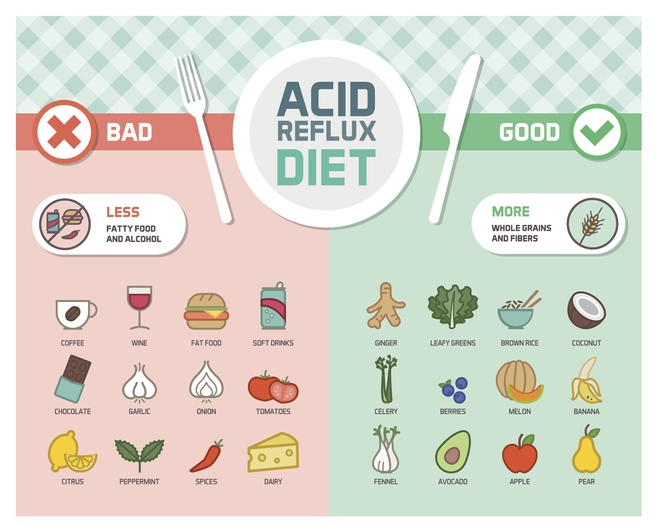
For a tech-savvy patient, their nutrition app can sync with their smart kitchen appliances. The app can suggest recipes that avoid common triggers like citrus, caffeine, or high-fat foods, and even pre-program the oven to cook meals in a way that minimizes the need for reflux-inducing oils. This integration of home automation and health tech creates a “smart environment” that makes managing GERD a seamless part of the user’s digital life.
Conclusion
When we ask what can help with GERD in the modern age, the answer is found at the intersection of medicine and technology. We are moving away from a world where a patient simply takes a pill and hopes for the best. Instead, we are entering an era of “Connected Care,” where AI-driven insights, wearable sensors, digital therapeutics, and Big Data work in concert to provide a holistic management system.
The tech niche is not just about gadgets; it is about the intelligent application of software and hardware to improve human quality of life. For the GERD sufferer, this means more control, better data, and a personalized approach to health that was unimaginable just a decade ago. As these technologies continue to evolve, the burden of chronic reflux will increasingly be mitigated by the very devices we carry in our pockets every day.
aViewFromTheCave is a participant in the Amazon Services LLC Associates Program, an affiliate advertising program designed to provide a means for sites to earn advertising fees by advertising and linking to Amazon.com. Amazon, the Amazon logo, AmazonSupply, and the AmazonSupply logo are trademarks of Amazon.com, Inc. or its affiliates. As an Amazon Associate we earn affiliate commissions from qualifying purchases.