
Property management is a critical function for real estate investors, offering peace of mind and the potential for increased returns. However, understanding the financial implications of hiring a property manager, specifically their fee structures, can be complex. This article delves into the intricacies of what property managers charge, exploring the various models they employ, the factors influencing their rates, and the tangible value they provide that justifies their cost. Our focus will be on the financial aspects, as understanding these fees is paramount for business owners and investors navigating the operational side of real estate.
Understanding Property Management Fee Structures
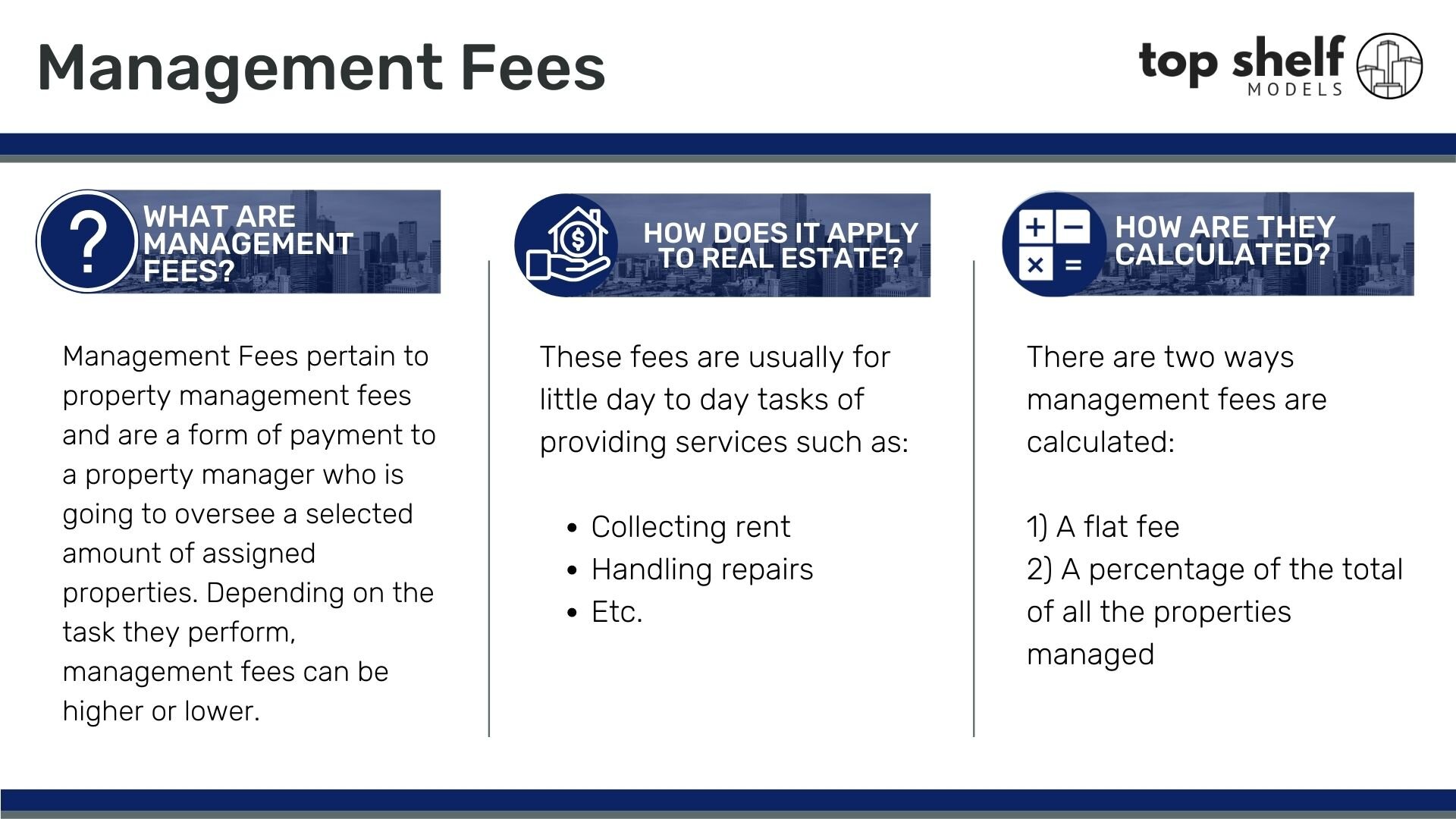
Property managers employ a range of fee structures designed to cater to different client needs and property types. The most common approach is a percentage of the gross monthly rent collected. This model aligns the property manager’s incentives directly with yours – their success is tied to maximizing your rental income. Beyond this primary structure, several other models exist, each with its own advantages and disadvantages for property owners.
Percentage of Gross Monthly Rent: The Industry Standard
The most prevalent fee structure for property managers is a percentage of the gross monthly rent collected. This typically ranges from 7% to 12%, with the exact rate often depending on the property type, location, number of units, and the services included. For instance, single-family homes or smaller multi-family units might fall on the higher end of this spectrum, while larger apartment complexes or commercial properties may command slightly lower percentages due to economies of scale.
Factors Influencing the Percentage:
- Property Type: Managing a luxury single-family home often requires more intensive marketing and tenant screening than a standard apartment unit. Similarly, commercial properties have unique leasing complexities.
- Location: Property managers in high-cost-of-living areas or competitive rental markets may charge higher percentages due to increased operational expenses and demand for their services.
- Number of Units: For investors with multiple properties or a single large building, managers might offer a tiered pricing structure or a slightly reduced percentage to secure the business.
- Scope of Services: The base percentage usually covers core services like rent collection, tenant communication, and minor maintenance coordination. More comprehensive services, such as extensive marketing, legal representation, or property renovations, will likely incur additional fees.
The appeal of this model lies in its direct correlation to your income. If the property is vacant, the property manager earns nothing. This creates a strong incentive for them to keep your units occupied with reliable tenants and to minimize vacancies.
Flat Fee Management: Predictable Costs for Predictable Income
Another fee structure gaining traction is the flat fee. In this model, the property manager charges a fixed monthly fee per unit, regardless of the rent collected. This can be attractive for owners who prefer predictable budgeting, especially if they have properties with relatively consistent rental income.
Pros and Cons of Flat Fees:
- Pro: Budgetary certainty. Owners know exactly what their property management costs will be each month, simplifying financial planning.
- Con: Potential misalignment of incentives. If the flat fee is set too low, the manager might not be as motivated to maximize rent or as proactive in addressing issues, as their income is guaranteed. Conversely, if set too high, it can become more expensive than a percentage-based fee, especially for high-rent properties.
Flat fees are often seen in markets with standardized rental rates or for properties that are easier to manage, such as basic residential units. The specific amount can vary significantly, but it’s typically calculated to be competitive with the percentage-based model for a certain rent threshold.
Per-Service Fees: A Modular Approach
Some property management companies offer a modular fee structure, where they charge for individual services. While a core management fee might still apply, owners can opt for or be charged extra for specific services. This allows for greater customization but can also lead to a less transparent overall cost if not managed carefully.
Common Per-Service Fees:
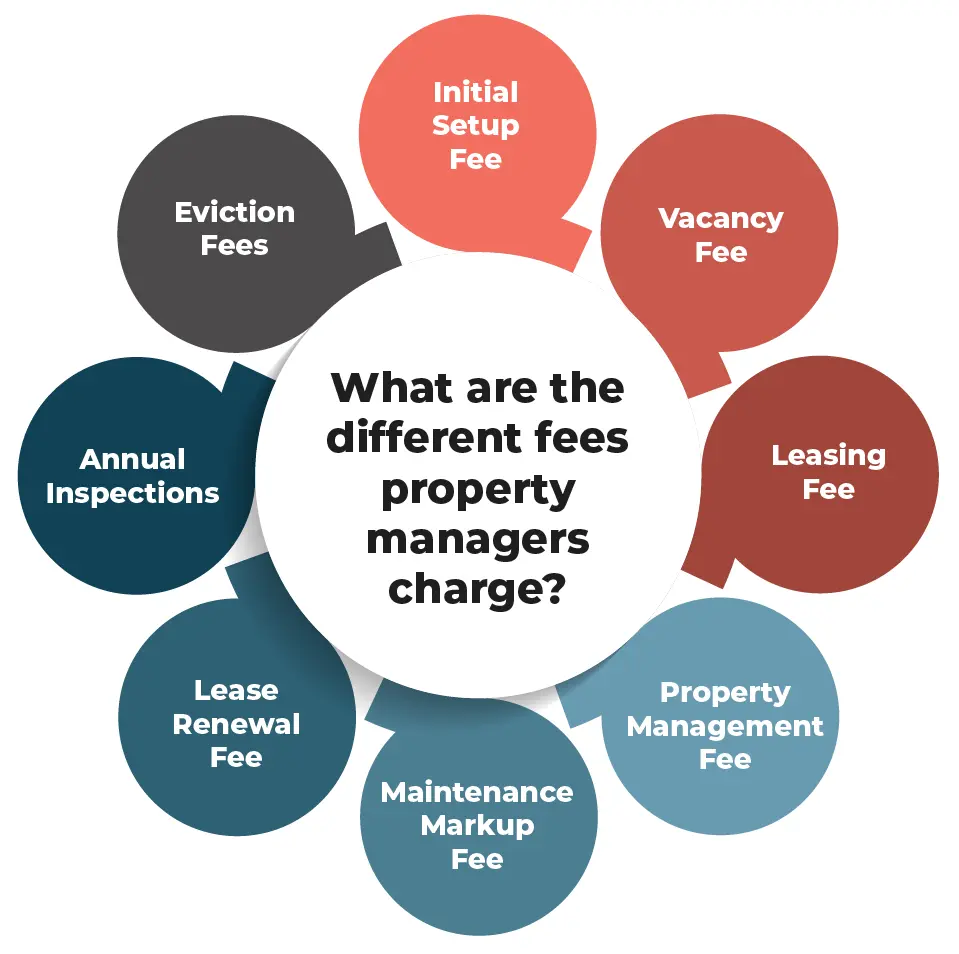
- Leasing Fee/Tenant Placement Fee: This is a significant fee charged when a new tenant is found and placed in the property. It’s often equivalent to a portion of the first month’s rent (e.g., 50% to 100%) or a flat fee. This fee covers the costs associated with marketing the property, screening applicants, and preparing lease agreements.
- Lease Renewal Fee: Some managers charge a smaller fee when a tenant renews their lease. This compensates them for negotiating terms and updating paperwork.
- Eviction Fee: Handling an eviction is a complex legal process. Property managers will charge a fee for this service, which often covers legal costs and their time spent managing the process.
- Maintenance Coordination Fee: While minor maintenance is often included, some managers might charge a small percentage (e.g., 10-15%) on top of the vendor’s invoice for coordinating larger repairs or renovations. This is meant to cover their administrative time and oversight.
- Late Fee/Inspection Fee: Some agreements may include provisions for fees related to late rent payments or specialized property inspections (e.g., move-in, move-out, periodic).
This model can be beneficial for experienced investors who prefer to handle certain aspects of property management themselves or who have in-house capabilities for specific tasks. However, it requires careful attention to detail to track all incurred costs.
Additional Fees and Hidden Costs to Consider
Beyond the primary management fee, property owners must be aware of other charges that can impact the overall cost of property management. Understanding these potential additional fees is crucial for accurate budgeting and avoiding unwelcome surprises.
Initial Setup and Onboarding Fees
Many property management companies charge an upfront fee to cover the initial setup of your account and property. This fee helps them with the administrative work involved in taking over management, including:
- Document review and organization: Gathering and digitizing all property-related documents, leases, and tenant information.
- Property assessment: Conducting an initial inspection of the property to identify any immediate maintenance needs or market value considerations.
- Setting up accounting systems: Integrating your property into their financial and management software.
These fees can range from a few hundred dollars to a percentage of one month’s rent, depending on the complexity of the property and the management company’s processes. It’s important to clarify what services this setup fee includes.
Maintenance and Repair Markups
While property managers are responsible for coordinating maintenance and repairs, they often add a markup to vendor invoices. This markup, typically between 10% and 20%, covers the administrative effort involved in sourcing reliable vendors, obtaining quotes, scheduling work, and overseeing the completion of the task.
Key points to discuss regarding maintenance markups:

- Transparency: Ensure the management agreement clearly states whether markups apply and at what rate.
- Vendor selection: Inquire about their process for selecting and vetting vendors. Do they have a preferred list, or do they solicit multiple bids?
- Approval thresholds: Understand at what dollar amount you need to approve repairs. This gives you control over larger expenditures.
It’s important to note that some managers may have in-house maintenance staff, which could alter their fee structure for repairs. However, even with in-house teams, there will be an associated cost, either built into the management fee or charged separately.
Vacancy and Marketing Fees
When a property becomes vacant, property managers invest time and resources into finding new tenants. This can involve:
- Professional photography and videography: Creating appealing listings.
- Listing syndication: Advertising on various online rental platforms.
- Open houses and showings: Scheduling and conducting property viewings.
- Tenant screening: Running background and credit checks.
Some property managers charge a separate leasing fee or tenant placement fee, often equivalent to a percentage of the first month’s rent (e.g., 50% to 100%). Others may include this cost within their ongoing management fee, particularly if they have a very low vacancy rate. It’s crucial to clarify how vacancies and tenant turnovers are handled financially in your agreement.
Legal and Eviction Fees
Dealing with tenant issues that escalate to legal proceedings, such as evictions, can be costly. Property managers will typically charge for these specialized services, which often go beyond their standard management responsibilities. These fees can include:
- Legal consultation fees: For advice on landlord-tenant laws.
- Court filing fees: For initiating eviction proceedings.
- Attorney fees: If legal counsel is required.
- Costs associated with serving notices and coordinating with law enforcement: if necessary.
These fees are usually charged on an hourly basis or as a fixed package, reflecting the complexity and time commitment involved. It’s wise to have a clear understanding of the process and associated costs for potential eviction scenarios.
Other Potential Fees
Depending on the property and the services provided, other fees might arise:
- Late payment fees: While often passed on to the tenant, some agreements may stipulate how these are handled between the owner and the manager.
- Court appearance fees: If the manager or their representative needs to appear in court on your behalf.
- Property inspection fees: For specialized or recurring inspections beyond the standard ones.
- Administrative fees: For complex tasks or extensive record-keeping beyond the norm.
A thorough review of the management agreement is essential to uncover any potential hidden costs. Don’t hesitate to ask for clarification on any fee that seems unclear or unusually high.
The Value Proposition: Why Property Managers Are Worth the Cost
While the fees associated with property management represent a tangible expense, it’s essential to view them as an investment rather than just a cost. Professional property managers offer a suite of services and expertise that can significantly enhance the profitability and reduce the stress of owning rental properties. Their value proposition lies in their ability to protect your asset, maximize your income, and save you valuable time.
Maximizing Rental Income and Minimizing Vacancies
One of the primary goals of a property manager is to ensure your property generates consistent income. They achieve this through:
- Strategic pricing: Leveraging market knowledge and rental trends to set competitive yet profitable rental rates.
- Effective marketing: Employing comprehensive marketing strategies to reach a wide pool of potential tenants and reduce vacancy periods.
- Efficient tenant screening: Rigorous screening processes to identify reliable tenants who are likely to pay rent on time and maintain the property. This directly reduces the risk of late payments and costly evictions.
By minimizing vacancies and ensuring optimal rental rates, property managers directly contribute to increasing your return on investment, often offsetting their fees.
Protecting Your Investment and Reducing Liability
Property ownership comes with inherent risks and legal responsibilities. Professional property managers act as a buffer, mitigating these risks and protecting your asset:
- Property maintenance and upkeep: They ensure regular maintenance is performed, preventing minor issues from becoming costly problems and preserving the property’s value.
- Tenant relations and conflict resolution: They handle tenant complaints, disputes, and emergencies, often de-escalating situations and preventing them from impacting you directly.
- Legal compliance: They stay updated on local, state, and federal landlord-tenant laws, ensuring you remain compliant and avoid potential fines or lawsuits. This includes proper lease agreements, eviction procedures, and fair housing regulations.
- Vendor management: They work with reputable and insured vendors for repairs, ensuring quality work and reducing liability in case of accidents.
Their expertise in navigating these complexities shields you from potential liabilities and the time-consuming nature of resolving such issues independently.
Saving You Time and Reducing Stress
For many property owners, especially those with multiple investments or who live far from their properties, managing rentals can be a significant drain on time and energy. Property managers alleviate this burden by:
- Handling day-to-day operations: From collecting rent and responding to tenant inquiries to coordinating maintenance and addressing emergencies, they manage the entire operational workflow.
- Providing financial reporting: They offer regular, detailed financial statements, keeping you informed about your property’s performance without you having to delve into the minutiae.
- Acting as a point of contact: They serve as the primary liaison between you and your tenants, filtering communication and handling routine matters.
By outsourcing these responsibilities, property owners can focus on other aspects of their business or personal lives, enjoying the benefits of passive income without the associated headaches. The peace of mind that comes from knowing your property is being professionally managed can be invaluable.
In conclusion, understanding what property managers charge involves dissecting various fee structures, potential additional costs, and, most importantly, recognizing the substantial value they provide. By carefully evaluating your needs, comparing proposals, and engaging in open communication with potential management partners, you can ensure you select a service that not only fits your budget but also effectively protects and grows your real estate investments.
aViewFromTheCave is a participant in the Amazon Services LLC Associates Program, an affiliate advertising program designed to provide a means for sites to earn advertising fees by advertising and linking to Amazon.com. Amazon, the Amazon logo, AmazonSupply, and the AmazonSupply logo are trademarks of Amazon.com, Inc. or its affiliates. As an Amazon Associate we earn affiliate commissions from qualifying purchases.