
When asking the question, “What aftershave do ladies like?” we are rarely looking for a simple list of chemical compounds. In the world of high-end grooming, scent is secondary to the narrative. The “likes” of a female audience are not merely a reaction to notes of cedarwood or bergamot; they are a response to a meticulously crafted brand identity. To understand why certain fragrances consistently top the charts of female preference, we must examine the brand strategies that transform a liquid in a glass bottle into a symbol of status, masculinity, and desirability.
In this deep dive, we will explore the intersection of brand psychology, market positioning, and sensory marketing to understand how the fragrance industry captures the “female gaze” through strategic corporate identity.
The Psychology of Attraction in Brand Identity
The fragrance industry is one of the most competitive sectors in the global luxury market. To stand out, brands do not just sell a scent; they sell a persona. When a woman identifies a scent she “likes” on a man, she is often responding to the brand archetype that the scent represents.
Sensory Marketing: Beyond the Bottle
Sensory marketing is a pillar of brand strategy that targets the subconscious. Because the olfactory bulb is directly connected to the amygdala and hippocampus—the areas of the brain responsible for emotion and memory—fragrance brands use this biological shortcut to build brand loyalty.
A successful brand strategy ensures that every touchpoint, from the weight of the bottle cap to the texture of the packaging, reinforces the scent’s identity. If a brand aims to be perceived as “rugged and adventurous,” the packaging will often feature matte finishes and earth tones. This alignment ensures that when a woman encounters the scent, it triggers a pre-established brand narrative of reliability or excitement, which significantly influences her preference.
Persona Mapping: Why Women Respond to Brand Archetypes
Market researchers in the fragrance industry spend millions mapping out “personas.” These are the idealized versions of the men who wear the fragrance. Common archetypes include the “Sophisticated Executive,” the “Rugged Outsider,” and the “Urban Minimalist.”
Brands like Armani or Tom Ford succeed because they understand that women often associate specific scents with these established social roles. By positioning their brand within a specific archetype, they provide the consumer with a “mask” to wear. The attraction, therefore, is rooted in the clarity of the brand’s message. When a brand’s identity is clear, the wearer appears more confident and self-assured—traits that are universally regarded as attractive.
Market Positioning: Luxury vs. Masstige
How a brand positions itself in the market hierarchy dictates its perceived value and, by extension, its desirability. The question of what ladies like often boils down to a choice between the accessible “Masstige” (mass-prestige) brands and the exclusive “Niche” houses.
The Allure of Exclusivity: Niche Fragrance Branding
In recent years, there has been a significant shift toward niche perfumery—brands like Le Labo, Byredo, and Creed. Their brand strategy is built on the “In-the-Know” factor. Unlike mass-market brands, niche houses avoid celebrity endorsements and primetime television commercials. Instead, they focus on artisanal storytelling and ingredient purity.
From a brand strategy perspective, exclusivity creates a high “social currency.” When a man wears a niche fragrance that a woman likes, it signals a high level of discernment and financial capability. The brand identity here is one of intellectualism and quiet luxury. For many women, this departure from “department store scents” is highly attractive because it suggests the man is not merely following a trend but has a curated personal brand.
Distribution Strategy and Retail Presence
Where a fragrance is sold is just as important as the scent itself. A brand’s retail strategy—whether it is found in a high-end boutique or a local pharmacy—drastically alters consumer perception.
Luxury brands maintain strict control over their distribution to protect their “brand equity.” By limiting availability to prestigious locations, they ensure that the brand remains associated with high-status environments. This “halo effect” translates to the wearer. When a lady recognizes a scent associated with a luxury brand, the brand’s high-status positioning is subconsciously transferred to the individual, reinforcing the appeal of the aftershave.
Case Studies: Brands That Mastered the Female Gaze
To truly understand what aftershave ladies like, we must look at the brands that have successfully captured the market through masterful strategic positioning. These brands have moved beyond the product and into the realm of cultural icons.
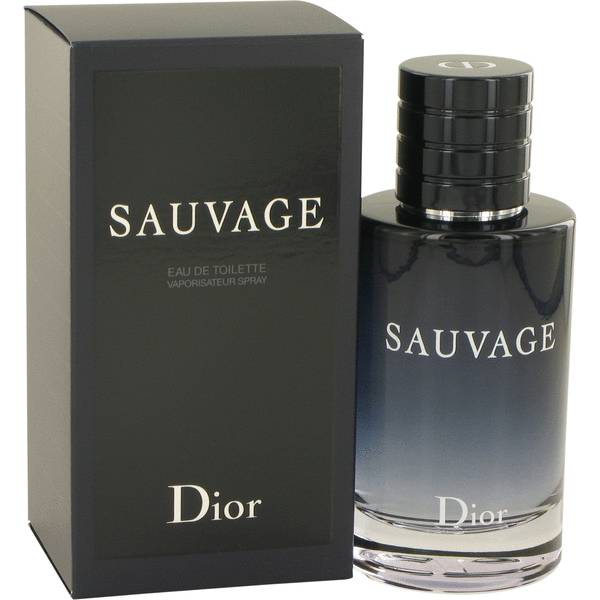
Dior Sauvage: The Rebel and the Rugged
Dior Sauvage is a masterclass in modern brand strategy. By leveraging the “Outlaw” archetype—epitomized by their long-standing partnership with Johnny Depp—Dior created a narrative of raw, untamed masculinity.
The strategy was to balance “blue” (mass-appealing, fresh) scent notes with a “rugged” marketing campaign. The result? A fragrance that consistently ranks as the number one most complimented scent by women. The brand succeeded because it promised a return to traditional masculinity while maintaining the polish of a Parisian fashion house. It effectively appealed to a woman’s desire for a man who is both a “protector” and “refined.”
Bleu de Chanel: Sophistication and Corporate Authority
While Dior went rugged, Chanel went for the “Corporate Elite.” The brand strategy for Bleu de Chanel is centered on timelessness and authority. The deep navy bottle and the minimalist typography scream stability and success.
Chanel’s strategy focuses on the “clean” aesthetic. In a world of over-complicated trends, Chanel positioned Bleu as the gold standard of the modern professional. Women frequently cite this as a favorite because the brand identity communicates reliability and high social standing. It is the olfactory equivalent of a well-tailored navy suit.
Creed Aventus: The Brand of Power
Creed Aventus is perhaps the most famous example of “status branding.” With its historical narrative (linked to Napoleon Bonaparte) and its high price point, Creed positioned Aventus as the “scent of emperors.”
The strategy here was to create a “cult of personality.” The fragrance became a viral sensation not just because of its pineapple and birch notes, but because the brand successfully marketed it as the scent of the 1%. When women express a preference for Aventus, they are often reacting to the “alpha” brand identity that Creed has cultivated over decades.
Digital Influence and the Modern Brand Narrative
In the digital age, what ladies like is increasingly influenced by social media algorithms and the “community-driven” brand narrative. The way a brand interacts with digital culture now determines its longevity.
Social Media and the “Compliment Factor”
The rise of “Fragrance YouTube” and “PerfumeTok” has fundamentally changed brand strategy. Brands now actively court influencers who create content around “Top 10 Fragrances That Get Compliments.”
This is a form of peer-to-peer brand validation. When a brand like Parfums de Marly or Roja Dove becomes a “viral” sensation among female influencers, it creates a feedback loop. Men buy the fragrance because influencers say women like it, and women “like” it because the brand has been socially validated as a high-value product. This digital strategy has allowed smaller brands to bypass traditional advertising and compete directly with giants like Estée Lauder or LVMH.
The Shift Toward Sustainability and Transparency
Modern brand strategy must also account for shifting values. A growing segment of the female demographic prioritizes sustainability, ethical sourcing, and “clean” formulations.
Brands that have successfully integrated “Corporate Social Responsibility” (CSR) into their identity—such as Aesop or Sana Jardin—are seeing increased favor. When a brand communicates that its ingredients are ethically sourced and its packaging is recyclable, it adds a layer of “conscientious luxury” to its identity. For many women, this brand alignment is more attractive than traditional “macho” marketing. It signals a man who is aware, empathetic, and forward-thinking.

Conclusion: The Strategic Alignment of Scent and Story
Ultimately, “what aftershave ladies like” is a complex intersection of sensory appeal and strategic brand positioning. A scent is never just a scent; it is a communication tool used to broadcast a man’s personal brand to the world.
The brands that dominate the market do so by understanding the psychological triggers of their audience. Whether it is the rugged rebellion of Dior, the timeless authority of Chanel, or the exclusive intellect of a niche house, these brands succeed because they provide a cohesive narrative that resonates with the female gaze.
For the modern brand strategist, the lesson is clear: to capture the market, you must look beyond the olfactory. You must build a corporate identity that speaks to values, status, and aspiration. In the world of fragrance, the bottle may hold the scent, but it is the brand strategy that holds the power of attraction.
aViewFromTheCave is a participant in the Amazon Services LLC Associates Program, an affiliate advertising program designed to provide a means for sites to earn advertising fees by advertising and linking to Amazon.com. Amazon, the Amazon logo, AmazonSupply, and the AmazonSupply logo are trademarks of Amazon.com, Inc. or its affiliates. As an Amazon Associate we earn affiliate commissions from qualifying purchases.