
For decades, the management of blood pressure has been synonymous with the manual inflatable cuff and the occasional visit to a general practitioner. While hypertension (high blood pressure) has long dominated the technological spotlight due to its prevalence, hypotension (low blood pressure) is increasingly being addressed through sophisticated digital interventions. When we ask “what can be done for low blood pressure” in the modern era, the answer lies not just in salt intake and hydration, but in a robust ecosystem of wearable sensors, artificial intelligence, and remote monitoring platforms.

The tech industry is currently undergoing a paradigm shift, moving from reactive treatments to proactive, data-driven management. For individuals suffering from chronic low blood pressure or conditions like Orthostatic Hypotension (OH), technology offers a level of autonomy and safety that was previously unattainable.
The Rise of Wearable Remote Monitoring Systems
The primary challenge with low blood pressure is its transient nature. A single reading in a doctor’s office rarely captures the symptomatic drops that occur during daily activities. Wearable technology has bridged this gap, providing a continuous stream of data that helps identify patterns and triggers.
Smartwatches and PPG Technology
Most modern health-focused wearables, such as those from Apple, Samsung, and Garmin, utilize Photoplethysmography (PPG). This technology uses light emitters and sensors to measure changes in blood volume at the skin surface. While early iterations were primarily for heart rate, advanced algorithms now allow these devices to estimate blood pressure trends. For a user with low blood pressure, these devices can be programmed to alert the wearer when their vitals dip below a certain threshold, allowing them to take corrective action—such as sitting down or hydrating—before a syncopal episode (fainting) occurs.
Continuous Blood Pressure Monitoring (CBPM)
Beyond standard consumer wearables, the tech industry is seeing the emergence of medical-grade Continuous Blood Pressure Monitors (CBPM). Unlike the traditional “oscillometric” method which requires a cuff to squeeze the arm, new “cuffless” technologies use pulse arrival time (PAT) and sensor fusion to provide beat-to-beat monitoring. This is a game-changer for hypotension management, as it captures the immediate drop in pressure that occurs when a patient stands up—a critical data point for diagnosing and managing postural hypotension.
AI and Machine Learning: Predicting Hypotensive Events
Collecting data is only the first step; the true value lies in how that data is processed. Artificial Intelligence (AI) and Machine Learning (ML) are now being applied to cardiovascular data to move from monitoring to prediction.
Predictive Analytics in Clinical Settings
In hospital environments, particularly in intensive care units (ICUs) or during surgery, low blood pressure can be life-threatening. Tech companies like Edwards Lifesciences have developed AI-powered “Hypotension Prediction Indexes.” These algorithms analyze arterial pressure waveforms to predict a drop in blood pressure before it actually happens. By processing thousands of data points per second, the software can warn clinicians of an impending hypotensive event up to 15 minutes in advance, allowing for preemptive fluid administration or medication adjustments.
Personalized Health Insights through Biofeedback
For the everyday user, AI-driven mobile applications are becoming sophisticated health coaches. These apps aggregate data from various sources—sleep trackers, diet logs, and heart rate monitors—to provide personalized insights. If an individual consistently experiences low blood pressure in the mornings, the AI can correlate this with factors like caffeine intake, sleep quality, or ambient temperature. This “biofeedback” loop empowers users to make lifestyle adjustments based on hard evidence rather than guesswork.
Digital Therapeutics and Mobile Health (mHealth) Apps
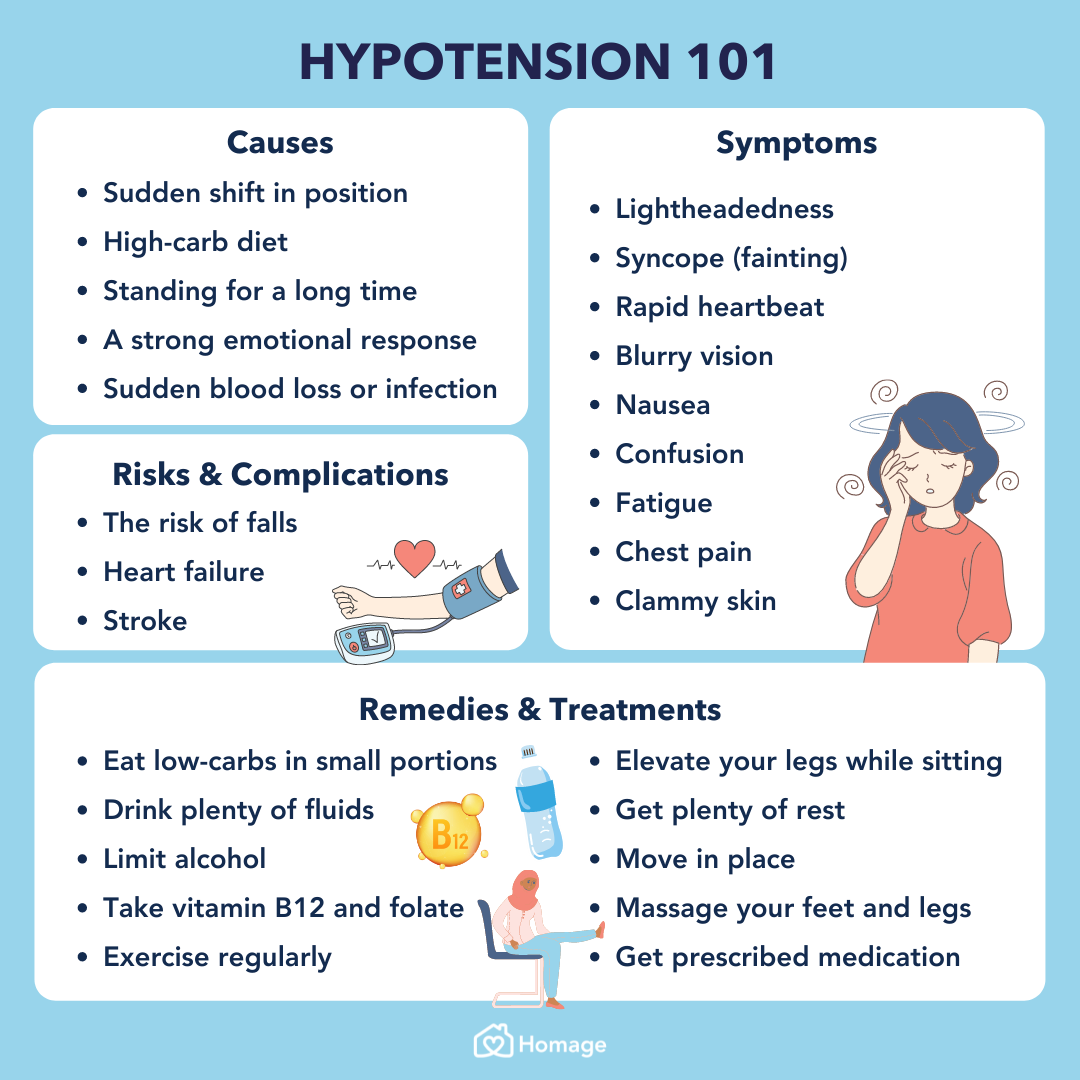
The phrase “what can be done for low blood pressure” is now frequently answered by Digital Therapeutics (DTx)—software-based interventions designed to prevent, manage, or treat medical disorders.
Hydration and Salt Intake Tracking Apps
For many with hypotension, the “prescription” is often lifestyle-based: increase fluid and electrolyte intake. However, compliance is a significant hurdle. Specialized mHealth apps now utilize “smart” water bottles equipped with Bluetooth sensors to track exact fluid intake. These apps send push notifications to the user’s smartphone or watch, ensuring they maintain the high blood volume necessary to prevent blood pressure drops. Furthermore, integrated nutrition logs can track sodium consumption, providing a comprehensive digital diary that can be shared with healthcare providers.
Postural Orthostatic Tachycardia Syndrome (POTS) Management Tools
Low blood pressure is a hallmark of dysautonomia conditions like POTS. The tech community has responded with specialized apps that guide users through “recumbent exercises”—workouts performed lying down to prevent dizziness. These digital platforms often include “symptom checkers” and “flare trackers” that use the smartphone’s accelerometer to detect falls or sudden changes in posture, automatically notifying emergency contacts if the user becomes unresponsive.
Telemedicine and the Virtual Clinic Experience
The integration of technology into the patient-provider relationship has transformed how low blood pressure is managed long-term. Telemedicine is no longer just a video call; it is a comprehensive remote management ecosystem.
Remote Patient Monitoring (RPM) Platforms
RPM technology allows physicians to monitor a patient’s blood pressure in real-time from miles away. When a patient uses a connected blood pressure cuff at home, the data is automatically uploaded to a secure cloud platform accessible by their cardiology team. If the system detects a trend toward chronic hypotension, it flags the patient’s file for immediate review. This tech-driven approach reduces the need for frequent hospital visits and ensures that medication dosages are optimized based on “real-world” data rather than a single clinical snapshot.
Integrating IoT with Electronic Health Records (EHR)
The Internet of Things (IoT) is facilitating a more holistic view of patient health. Modern blood pressure monitors now sync directly with Electronic Health Records (EHR) via APIs (Application Programming Interfaces). This means that every time a patient checks their vitals at home, the information is seamlessly integrated into their medical history. For the physician, this provides a longitudinal view of the patient’s condition, making it easier to determine if the low blood pressure is a side effect of other medications or a primary cardiovascular issue.
The Future Frontier: Non-Invasive Sensors and Bio-Electronics
As we look toward the future of what can be done for low blood pressure, the focus is shifting toward even less intrusive technology. The goal is to move away from anything that feels like a “medical device” and toward “invisible tech.”
Smart Fabrics and E-Textiles
Researchers are currently developing smart clothing embedded with flexible, conductive fibers that act as continuous sensors. A simple t-shirt or compression garment could monitor heart rate, respiratory rate, and blood pressure trends without the need for a wristband or cuff. For patients with hypotension who require compression stockings to improve blood return to the heart, “smart compression” could automatically adjust the pressure of the fabric based on the wearer’s current vitals.
Implantable Microsensors
For severe, refractory cases of hypotension, the tech industry is exploring the use of implantable microsensors. These tiny devices, similar in size to a grain of rice, could be placed in the arterial system to provide the most accurate blood pressure data possible. While still largely in the experimental phase, these sensors represent the pinnacle of personalized health tech, offering a permanent solution for those whose lives are significantly impacted by blood pressure instability.
In conclusion, addressing low blood pressure in the 21st century is a multi-faceted technological endeavor. From the AI that predicts a drop in the ICU to the smartwatch that reminds a user to drink water, technology is providing the tools necessary to stabilize and manage hypotension. By leveraging wearable data, predictive analytics, and remote monitoring, we are moving into an era where “what can be done” is limited only by the speed of innovation. For those living with low blood pressure, this digital revolution offers more than just data—it offers safety, predictability, and a significantly higher quality of life.
aViewFromTheCave is a participant in the Amazon Services LLC Associates Program, an affiliate advertising program designed to provide a means for sites to earn advertising fees by advertising and linking to Amazon.com. Amazon, the Amazon logo, AmazonSupply, and the AmazonSupply logo are trademarks of Amazon.com, Inc. or its affiliates. As an Amazon Associate we earn affiliate commissions from qualifying purchases.