
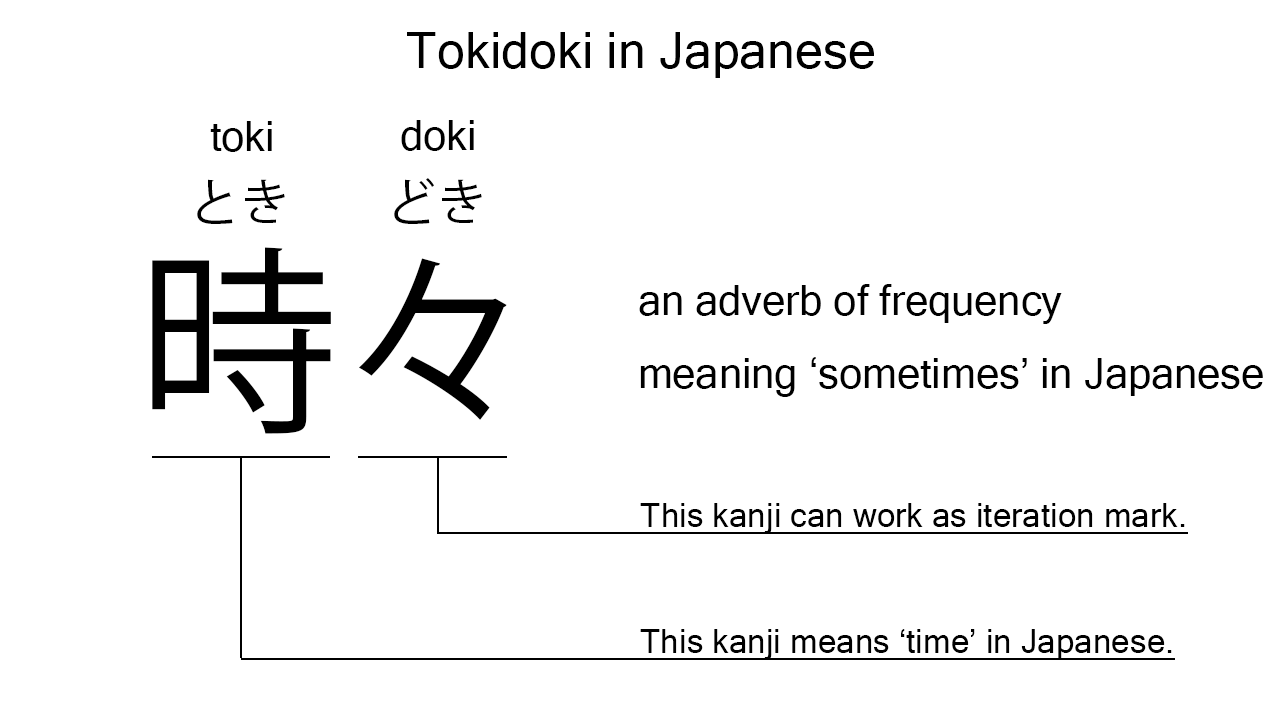
The Japanese language, with its intricate layers of nuance and cultural context, often presents fascinating linguistic discoveries for non-native speakers. Among the myriad of words and expressions, “doki” (ドキ) stands out for its evocative nature and its pervasive presence, particularly within popular culture. While a direct translation might not fully capture its essence, understanding “doki” offers valuable insights into how cultural touchstones can influence and inform brand perception, marketing strategies, and the creation of resonant brand identities, especially for those looking to connect with global audiences familiar with Japanese aesthetics and storytelling. This exploration delves into the meaning of “doki” and its implications within the broader landscape of branding and cultural influence.

The Core Meaning: The Sound and Sensation of “Doki”
At its most fundamental level, “doki” is an onomatopoeic word in Japanese. It aims to replicate a sound or a sensation, and its primary association is with the beating of the heart. However, unlike the straightforward English “thump” or “beat,” “doki” carries a distinct emotional and psychological weight. It’s not just a physiological event; it’s the sound and feeling that accompanies intense emotional states.
The Heartbeat of Emotion
When a Japanese person describes feeling “doki doki” (ドキドキ), they are typically conveying a heightened state of emotion that manifests physically through their heartbeat. This can be triggered by a variety of feelings, making “doki” a versatile descriptor:
- Excitement and Anticipation: The most common association. Waiting for a loved one to arrive, the start of a thrilling movie, or the moment before a significant event can all cause one’s heart to beat “doki doki.” This is the feeling of eager expectation, where the heart races in preparation for something positive.
- Fear and Anxiety: Conversely, “doki doki” can also signify a racing heart due to nervousness, fear, or apprehension. A sudden loud noise, a stressful situation, or the feeling of being watched can all induce this sensation. The physical response is similar, but the underlying emotion is vastly different.
- Love and Infatuation: In romantic contexts, “doki doki” is deeply intertwined with feelings of attraction and burgeoning love. The flutter of a heart when seeing someone you’re smitten with, or the nervous excitement of a first date, is often described as “doki doki.” This is where the word gains a particularly strong and resonant emotional charge.
- Surprise and Shock: An unexpected event, whether pleasant or unpleasant, can cause a momentary jolt of adrenaline, leading to a “doki doki” heartbeat.
This multifaceted nature of “doki” highlights the power of a single word to encapsulate a spectrum of human emotional experience, all rooted in a singular, relatable physical manifestation. For brands, understanding this emotional resonance is key to crafting messages that evoke genuine feelings.
Beyond the Literal: Cultural Connotations
While the literal meaning of “doki” is the beating heart, its cultural prevalence has imbued it with further connotations, especially within the context of Japanese popular culture, which has a significant global reach.
- Anime and Manga: “Doki doki” is a staple in anime and manga, particularly in genres that deal with romance, comedy, and slice-of-life. Characters often express their emotions through exaggerated “doki doki” sound effects and visual cues. This has firmly cemented the word in the global consciousness of fans. The visual representation of a rapidly beating heart, often with visual lines radiating outwards, is instantly recognizable and synonymous with these emotional states.
- J-Pop and Music: The catchy rhythm and emotional intensity of “doki doki” are frequently referenced in Japanese pop music, further embedding it in the cultural lexicon. Songs that evoke feelings of young love, excitement, or even mild apprehension often utilize “doki doki” in their lyrics or as a thematic element.
- Gaming: Video games, especially those with narrative elements, frequently employ “doki doki” to convey character emotions, particularly during moments of romantic progression or suspense.
This widespread cultural dissemination means that “doki” has moved beyond being a simple linguistic descriptor to become a cultural shorthand for a particular kind of emotional intensity, a feeling often associated with youthful exuberance, romantic pursuit, and heightened stakes.
“Doki” as a Branding Element: Tapping into Emotional Resonance
For brands, particularly those aiming to connect with younger demographics or those with an affinity for Japanese culture, understanding and leveraging the connotations of “doki” can be a powerful strategic move. It’s not about directly translating the word, but about capturing the feeling it represents.

Evoking Emotion Through Brand Identity
A brand’s identity is more than just a logo and a tagline; it’s the sum of the emotional responses it elicits from its audience. “Doki” offers a pathway to tap into potent, universal human emotions.
- Creating Excitement and Anticipation: Brands can use messaging that suggests the thrill of the new, the joy of discovery, or the anticipation of an upcoming event. Think of product launch campaigns that build suspense, or event promotions that highlight the unique and exhilarating aspects. The language and imagery used should aim to make the audience’s heart beat a little faster in a positive way.
- Building Relatability through Vulnerability: The “doki doki” of fear or nervousness can be used to build brand authenticity by acknowledging common anxieties or challenges. A brand that offers solutions to common stressors, or that speaks to the courage it takes to overcome them, can resonate deeply. This is about showing that the brand understands the human experience, including its less comfortable moments.
- Championing Romance and Connection: For brands in industries like fashion, beauty, lifestyle, or even food and beverage, the romantic undertones of “doki doki” can be a significant asset. Campaigns that celebrate love, connection, and meaningful relationships can tap into this emotional wellspring. This could manifest in storytelling that highlights the romantic encounters facilitated by the product or service.
- Leveraging Nostalgia and Cultural Affinity: For brands that are intrinsically linked to Japanese culture or its popular subcultures, referencing “doki” can evoke a sense of familiarity and nostalgia for their target audience. This can create a strong emotional bond and a feeling of belonging.
The key is to translate the essence of “doki” – the heightened emotional state – into tangible brand experiences, whether through advertising, product design, customer service, or community building.
Case Studies in “Doki” Branding (Hypothetical and Influenced by Popular Culture)
While direct use of “doki” in Western brand names might be rare, its influence is evident in strategies that mirror its emotional impact.
- The “Anticipation” Launch Campaign: Imagine a tech gadget company launching a new device. Their marketing campaign focuses heavily on teaser trailers, cryptic social media posts, and countdown timers. The narrative is built around the “wait” and the “thrill” of unveiling something revolutionary. The campaign aims to create a collective “doki doki” among potential customers, a shared excitement for what’s to come. This mirrors the “doki doki” of anticipation.
- The “Heart-Fluttering” Lifestyle Brand: Consider a fashion or accessory brand that emphasizes romance and self-expression. Their product photography features models in intimate moments, their marketing copy speaks of “moments that make your heart skip a beat,” and their brand narrative often revolves around finding love or celebrating personal connections. This taps directly into the romantic “doki doki.”
- The “Edgy but Approachable” Entertainment Platform: A streaming service focusing on anime and J-culture might incorporate subtle nods to “doki doki” in its user interface or promotional materials. Perhaps a loading screen animation subtly pulses, or a notification for a new episode of a romantic comedy is accompanied by a small, stylized heart icon that pulses gently. This caters to an audience already familiar with the term and its emotional weight.
- The “Nostalgic Comfort” Food Brand: A snack or beverage brand that plays on childhood memories of anime or manga could use packaging designs that evoke the aesthetic of these mediums. The feeling of comfort and joy derived from these nostalgic experiences can be linked to the positive “doki doki” associated with childhood entertainment.
These examples illustrate how brands can strategically employ the principles behind “doki” – creating excitement, fostering connection, and evoking strong emotional responses – without necessarily using the word itself, or by using it as a subtle cultural nod.
The Global Reach of “Doki”: A Branding Opportunity
The increasing globalization of media and culture means that concepts like “doki” are no longer confined to Japan. The global fandom for anime, manga, and Japanese video games has introduced “doki doki” to a vast international audience, many of whom understand its emotional significance. This presents a significant branding opportunity.
Leveraging Cultural Exchange in Marketing
Brands that are aware of and can authentically incorporate elements of Japanese culture, including linguistic nuances like “doki,” can establish a unique and memorable brand identity.
- Authenticity in Cultural Representation: When brands use elements from other cultures, authenticity is paramount. A superficial or stereotypical use of “doki” or related imagery can backfire. Brands should strive for genuine understanding and respectful integration, ensuring that their use of cultural touchstones adds value and resonates with the intended audience.
- Targeting Niche Audiences: For brands specifically targeting enthusiasts of Japanese pop culture, using terms and concepts like “doki” can be a direct and effective way to connect. This demonstrates an understanding of their interests and creates an immediate point of rapport.
- Building a Global Brand Narrative: As brands expand globally, their narratives need to be adaptable and resonant across different cultures. Concepts that carry broad emotional appeal, like the feeling of “doki,” can serve as unifying themes that transcend linguistic barriers, provided they are communicated thoughtfully.
The “doki” phenomenon is a testament to how language, emotion, and culture intersect. For brands, understanding this intersection is not just about linguistic accuracy; it’s about building deeper connections, evoking genuine feelings, and crafting identities that resonate in an increasingly interconnected world. By appreciating the multifaceted meaning of “doki,” brands can unlock new avenues for engaging their audiences and forging lasting impressions.
aViewFromTheCave is a participant in the Amazon Services LLC Associates Program, an affiliate advertising program designed to provide a means for sites to earn advertising fees by advertising and linking to Amazon.com. Amazon, the Amazon logo, AmazonSupply, and the AmazonSupply logo are trademarks of Amazon.com, Inc. or its affiliates. As an Amazon Associate we earn affiliate commissions from qualifying purchases.