
The Puritans, a prominent religious and social movement in 17th-century England and its American colonies, are often remembered for their austere lifestyle, strict theological doctrines, and foundational role in shaping early American society. But what, in a modern context, truly happened to the Puritan brand? Beyond the historical narrative of their decline as a distinct religious group and political force, their enduring legacy lies in the profound, albeit often subconscious, influence they’ve had on American identity, work ethic, and cultural values. This isn’t a story of simple disappearance, but rather a complex metamorphosis of a powerful brand, its core tenets adapted, diluted, and reinterpreted across centuries, influencing everything from personal finance principles to the very fabric of corporate culture.
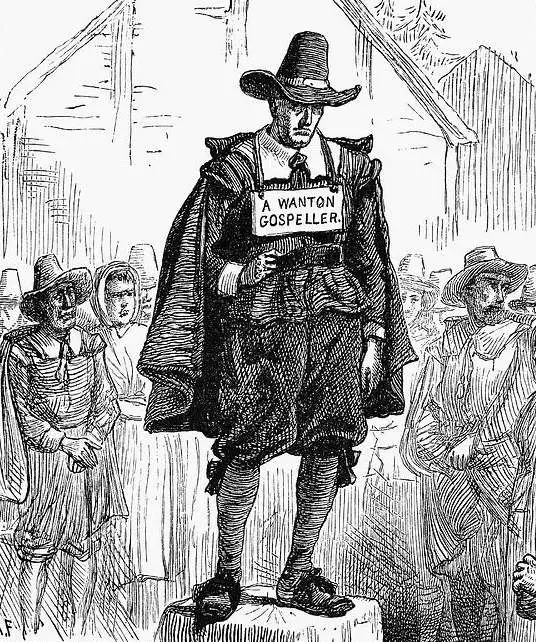
The Original Puritan Brand Identity: Purity, Purpose, and Providence
The Puritan movement emerged from a desire to “purify” the Church of England of perceived Catholic remnants. Their brand, therefore, was built on a foundation of uncompromising purity – not just in religious observance, but in lifestyle, governance, and community. This was a brand that promised purpose, a divinely ordained mission to establish a “city upon a hill,” a model society that would reflect God’s glory. And central to their brand was the concept of providence, the belief that God actively intervened in human affairs, shaping destinies and guiding choices.
Core Brand Pillars: Doctrine, Discipline, and Diligence
At the heart of the Puritan brand were several key pillars that defined their appeal and their societal impact:
Calvinist Theology as the Brand’s Cornerstone
The theological underpinnings of Puritanism, heavily influenced by John Calvin, provided the intellectual and spiritual bedrock of their brand. Concepts like predestination, total depravity, and irresistible grace, while complex, served to imbue their followers with a sense of profound responsibility and a unique worldview. This wasn’t just about faith; it was a comprehensive system that dictated how life should be lived, from the personal to the public sphere. The promise was not necessarily earthly comfort, but eternal salvation and the fulfillment of God’s will, a powerful, albeit challenging, value proposition.
The Articulation of a Covenant Community
A crucial element of the Puritan brand was the emphasis on the covenant. They believed in a relationship with God based on mutual obligations, both individually and collectively. This translated into a strong sense of community responsibility, a commitment to shared governance, and a collective endeavor to build a godly society. This “covenantal” framework offered a powerful sense of belonging and shared purpose, a stark contrast to the more individualistic tendencies that would later emerge. Their towns were not mere settlements; they were expressions of this shared vision, meticulously planned and governed to reflect their brand ideals.
The Ascetic Lifestyle as a Visible Brand Differentiator
The outward manifestation of Puritan beliefs was a distinctive, often austere, lifestyle. This was not born of mere preference but was a deliberate brand differentiator. Diligence in work, frugality, and the eschewing of frivolous entertainments were not just personal virtues but public declarations of their commitment to God and their mission. This visible adherence to their principles created a strong, recognizable brand identity that distinguished them from other groups and solidified their internal cohesion. The stark simplicity of their meetinghouses, their plain clothing, and their emphasis on education and reasoned discourse all contributed to this powerful brand narrative.
The Shifting Brand Landscape: Adaptation, Dilution, and Reinterpretation
As the centuries progressed, the direct influence of the Puritan movement as a unified religious and political entity waned. However, the core elements of their brand proved remarkably resilient, undergoing significant transformations and integrations into the broader cultural tapestry. This wasn’t an extinction, but a strategic brand evolution, where core values were recontextualized and applied to new societal structures.
The “Protestant Work Ethic” as a Secularized Brand Extension
Perhaps the most enduring and widely recognized legacy of the Puritan brand is its contribution to the “Protestant work ethic.” While the theological underpinnings faded for many, the emphasis on hard work, self-discipline, frugality, and a belief in earthly success as a potential sign of divine favor became deeply ingrained in American culture. This secularized version of the Puritan ethos provided a powerful narrative for economic growth and individual achievement, resonating far beyond religious circles. Companies and individuals adopted these principles, often without direct attribution, as foundational to success.
From Divine Calling to Economic Imperative
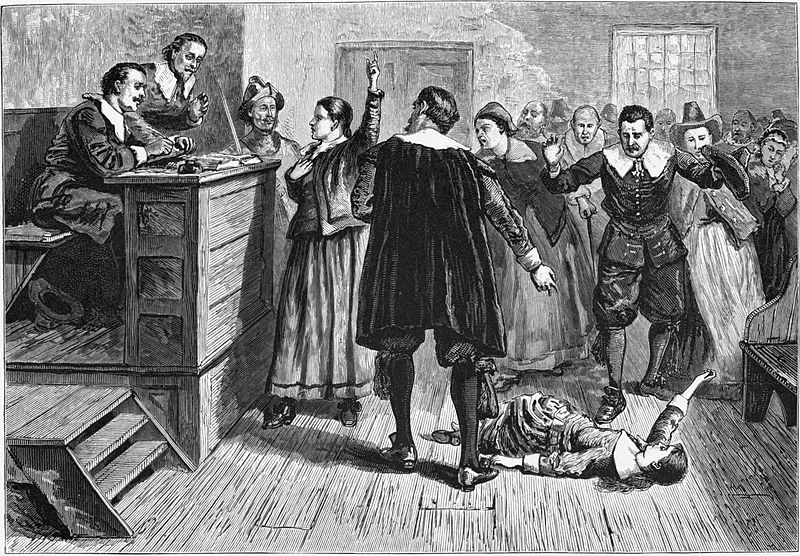
The Puritan concept of viewing one’s work as a calling from God, a way to glorify Him through diligence and skill, was powerfully reinterpreted. As religious fervor subsided, the mechanism of hard work and its observable outcomes became paramount. The pursuit of wealth, once viewed with suspicion by some religious factions, began to be seen not only as acceptable but as a positive indicator of industry and even, in a vestigial sense, divine blessing. This shift from a divine calling to an economic imperative is a prime example of brand adaptation.
The Narrative of Self-Reliance and Individualism
The Puritan emphasis on individual conscience and direct communion with God, while originally situated within a covenantal community, also laid groundwork for later notions of self-reliance and individualism. As society modernized, the focus shifted from the collective covenant to the individual’s capacity to achieve success through their own efforts and God-given talents. This reinterpretation fueled the American dream narrative, where individual initiative and hard work were seen as the primary drivers of prosperity and social mobility.
The Enduring Influence on American Institutions and Values
Beyond individual behavior, the Puritan brand left an indelible mark on the very structures and values of American society. Their early experiments in governance, education, and community organization provided foundational blueprints that continued to shape national identity.
The Seedbed of Democratic Institutions
While not democrats in the modern sense, the Puritans’ commitment to self-governance through town meetings, their emphasis on written laws, and their belief in a structured, reasoned society sowed seeds that would blossom into democratic institutions. The idea that a community could collectively organize itself, debate issues, and arrive at common decisions, even within a religious framework, was a significant departure and a powerful precedent for later political developments.
Education as a Societal Investment
The Puritans recognized the crucial link between an educated populace and a functioning godly society. Their fervent desire for individuals to read the Bible themselves led to a strong emphasis on literacy and the establishment of schools, most notably Harvard University. This prioritization of education as a societal investment, a means to uphold their brand ideals and ensure future generations understood their legacy, has had a cascading effect on American educational philosophy and institutions.
The Legacy of the Puritan Brand: A Persistent Undercurrent
The “Puritans” as a distinct religious group have long since faded from prominence. Their institutions have evolved, their theological nuances are understood by few outside academic circles, and their direct political power is a distant memory. Yet, the brand they created, through its core values and their subsequent adaptation, continues to exert a powerful, often invisible, influence on American identity and behavior.
The Subconscious Adoption of Puritan Values
Many of the values associated with the Puritans – diligence, thrift, self-improvement, a strong sense of moral responsibility – are so deeply embedded in American culture that they are often taken for granted. They are the silent architects of our work ethic, the unstated assumptions underlying our entrepreneurial spirit, and the ingrained habits that drive personal finance advice. This is the ultimate triumph of a brand: when its essence becomes so pervasive that it is no longer consciously recognized, yet continues to shape the landscape.
The Puritan Ethos in Modern Business
The principles of hard work, accountability, and a long-term vision that characterized the Puritan approach are remarkably congruent with successful modern business strategies. While the overt religious motivation may be absent, the outcomes of such principles – innovation, productivity, and sustained growth – are highly sought after. Many corporate cultures, consciously or unconsciously, echo the Puritan emphasis on order, discipline, and a mission-driven approach.
The Continued Resonance of “American Exceptionalism”
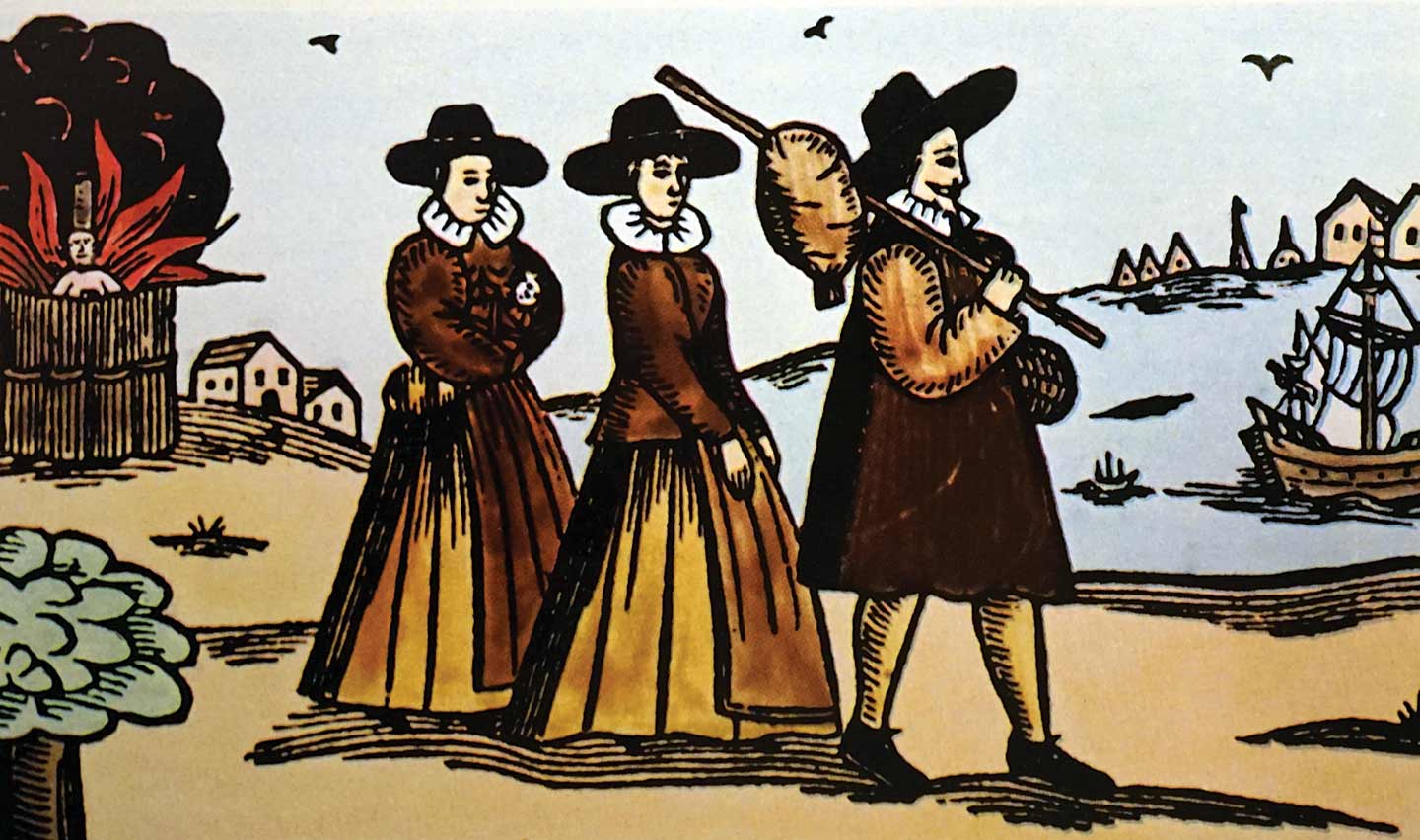
The Puritan dream of establishing a “city upon a hill,” a model society for the world to emulate, has morphed into the enduring concept of American exceptionalism. This idea, that the United States holds a unique and superior position among nations, often draws upon a latent understanding of a divinely sanctioned mission and a destiny shaped by a special set of values – values that can be traced back to the very foundations laid by the Puritans. The narrative of hard work, liberty, and opportunity, while now framed in secular terms, carries the echoes of a profound, original brand promise.
In conclusion, what happened to the Puritans is not a story of obsolescence but one of profound brand metamorphosis. Their powerful initial brand, built on purity, purpose, and providence, was not erased but rather diffused, reinterpreted, and integrated into the very DNA of American culture. The Puritan legacy lives on, not in meetinghouses and theological treatises, but in the enduring work ethic, the aspirational narratives, and the foundational values that continue to shape the American identity, a testament to the potent and adaptable nature of a well-defined brand.
aViewFromTheCave is a participant in the Amazon Services LLC Associates Program, an affiliate advertising program designed to provide a means for sites to earn advertising fees by advertising and linking to Amazon.com. Amazon, the Amazon logo, AmazonSupply, and the AmazonSupply logo are trademarks of Amazon.com, Inc. or its affiliates. As an Amazon Associate we earn affiliate commissions from qualifying purchases.