
The question “what brand is Kirkland?” might seem straightforward, yet it unlocks a fascinating study in corporate identity, marketing strategy, and consumer perception. Kirkland Signature is not merely a brand; it is the highly successful private label of Costco Wholesale Corporation, a name synonymous with value, quality, and often, surprising provenance. Far from being a generic, uninspired store brand, Kirkland Signature has transcended its origins to become a powerhouse in its own right, challenging traditional branding paradigms and reshaping consumer expectations of private labels. Its success is a testament to meticulous brand strategy, a relentless focus on quality, and a profound understanding of its target audience.

The Essence of Kirkland Signature: Beyond a Mere Store Brand
Kirkland Signature’s emergence as a dominant force in retail branding is no accident. It represents a deliberate, sophisticated strategy by Costco to differentiate itself and enhance customer loyalty, demonstrating that a private label can achieve – and often surpass – the esteem of national brands.
Defining Private Label Success
Most consumers associate private labels with cheaper alternatives, often perceived as inferior in quality to established national brands. Kirkland Signature defies this stereotype. Its success is rooted in offering products that consistently meet or exceed the quality benchmarks of leading brands, but at a more accessible price point. This isn’t just about cost-cutting; it’s about delivering exceptional value, where the perceived quality-to-price ratio is outstanding. Costco’s approach signals to its members that Kirkland Signature is not a compromise but a smart choice, a premium offering without the premium markup that often accompanies heavily marketed national brands. This strategy has built a level of trust and loyalty that few private labels ever achieve, transforming it from a “store brand” into a brand with its own distinct identity and equity.
Costco’s Strategic Intent
For Costco, Kirkland Signature is more than a product line; it’s a foundational pillar of its business model and a potent strategic tool. By developing its own brand, Costco gains significant control over its supply chain, product specifications, and pricing. This control allows the company to negotiate more favorable terms, reduce costs, and pass those savings on to members, reinforcing the club’s value proposition. Moreover, Kirkland Signature products serve as powerful differentiators, providing unique offerings that members can only find at Costco. This exclusivity strengthens the membership model, giving consumers a compelling reason to join and renew. The brand acts as a loyalty magnet, fostering a deeper connection between the members and the warehouse club, transforming transactional relationships into enduring brand allegiance.
The Quality Perception Paradox
One of the most remarkable aspects of Kirkland Signature’s journey is its ability to flip the script on private label quality perceptions. Historically, private labels struggled with the stigma of being “generic” or “lesser-than.” Kirkland Signature systematically dismantled this perception by investing heavily in product development, quality control, and strategic partnerships. Consumers have learned to trust that a Kirkland Signature product, whether it’s olive oil, batteries, or athletic wear, will be of high caliber. This trust has created a unique paradox: members often view Kirkland Signature products as being as good as or better than their national brand counterparts, even when blind taste tests or product comparisons confirm parity. This perception is not accidental; it’s the result of consistent performance and clever positioning that emphasizes value without compromising on the promise of quality.
Dissecting the Branding Strategy: Trust, Value, and Exclusivity
Kirkland Signature’s brand strategy is a masterclass in building trust through transparency and consistent delivery, demonstrating how a retail giant can cultivate a private label into a respected and sought-after entity.
The “Hidden” Manufacturer Reveal
A common question surrounding Kirkland Signature products is, “Who actually makes them?” The answer is a critical component of its branding genius. Costco strategically partners with leading national brand manufacturers, often undisclosed, to produce Kirkland Signature items. For example, Duracell has manufactured Kirkland Signature batteries, Starbucks has roasted Kirkland coffee, and Ocean Spray has supplied cranberries for Kirkland juices. This strategy allows Costco to leverage established manufacturing expertise and quality standards, effectively offering premium products without the associated national brand marketing costs. While not always explicitly advertised, the occasional “reveal” of these partnerships through word-of-mouth or investigative consumer reporting further reinforces the perception of high quality and value, adding an intriguing layer to the brand’s mystique and solidifying consumer confidence.
Consistency as a Cornerstone
The breadth of the Kirkland Signature product line is staggering, spanning everything from food and beverages to household goods, apparel, and health products. Maintaining consistent quality across such a diverse portfolio is paramount to the brand’s success. Costco achieves this through rigorous product development cycles, stringent quality control measures, and extensive testing protocols. Each Kirkland Signature product undergoes a meticulous vetting process, often benchmarked against top-selling national brands in its category. This unwavering commitment to consistency ensures that members can trust the Kirkland Signature label regardless of the product type, fostering a powerful sense of reliability that underpins the entire brand. This consistency is the silent promise that builds and reinforces consumer trust with every purchase.
The Value Proposition
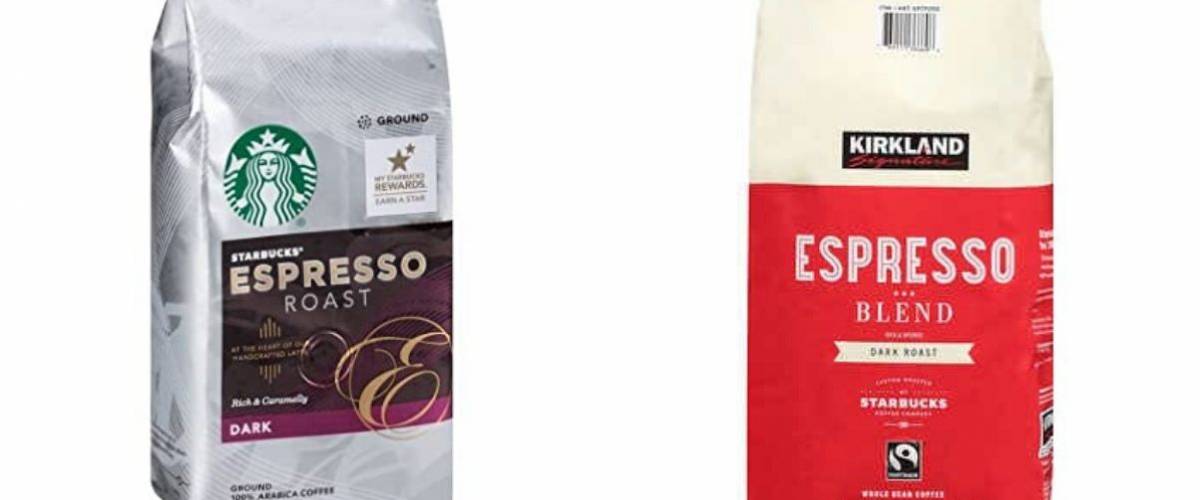
Kirkland Signature’s core value proposition is not just about being “cheap”; it’s about being “smart value.” This distinction is crucial. While prices are competitive, the brand emphasizes the quality for the price ratio. Costco leverages its bulk purchasing power and efficient supply chain to offer products at prices that often undercut national brands, even for items produced by the same manufacturers. This strategy allows members to feel they are making an intelligent, economical choice without sacrificing quality. The value proposition extends beyond mere cost savings; it encompasses the convenience of buying in bulk, the assurance of quality, and the exclusive access that comes with a Costco membership, all bundled under the trusted Kirkland Signature label. This holistic approach to value solidifies its appeal and strengthens its market position.
Brand Extension and Market Impact: A Case Study in Diversification
The reach and influence of Kirkland Signature extend far beyond its individual product lines, demonstrating how a strategically managed private label can become a significant market force.
Broad Portfolio, Singular Identity
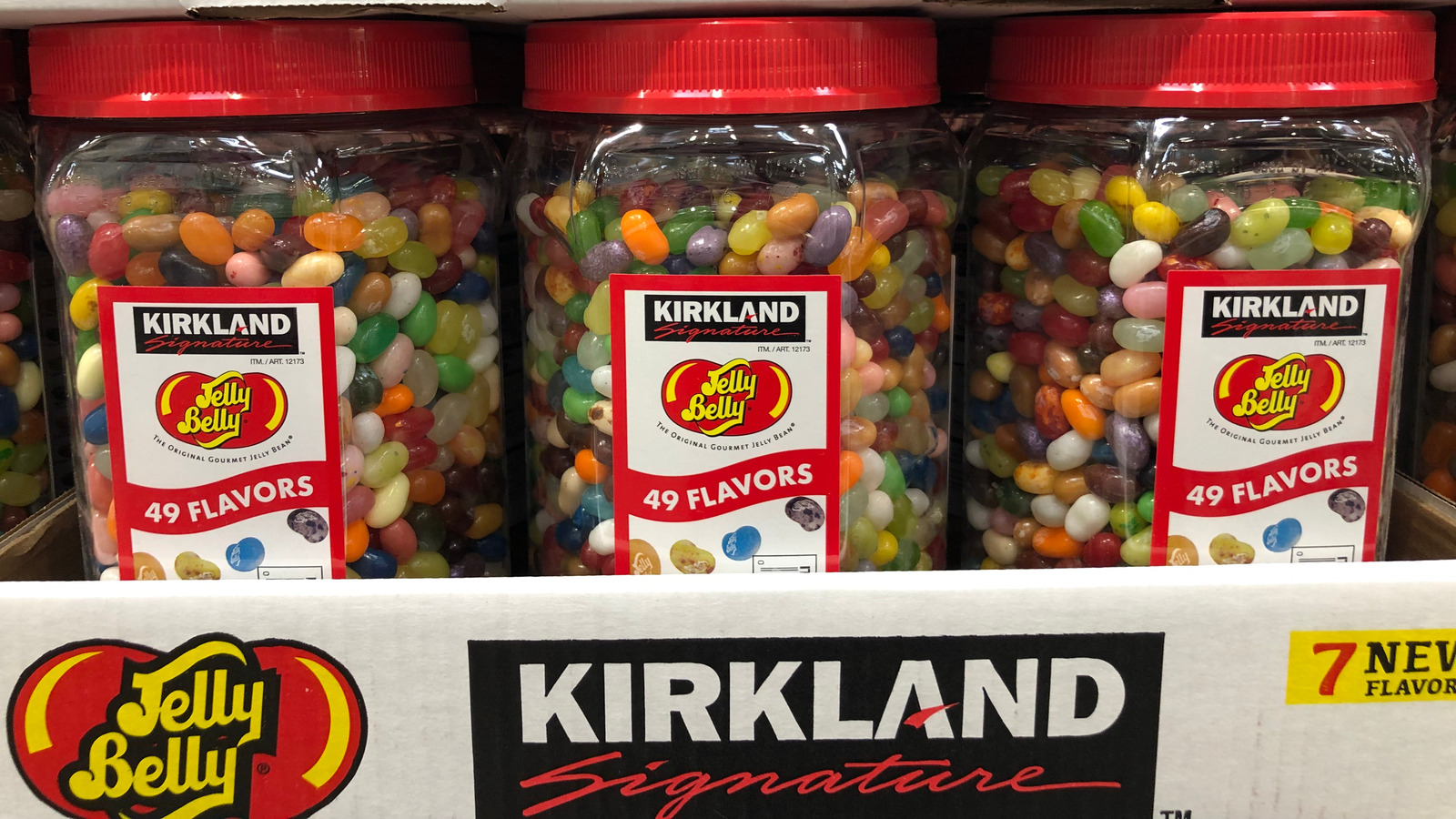
The expansive range of Kirkland Signature products is a testament to its successful brand extension strategy. From Kirkland Signature Organic Milk to Kirkland Signature Golf Balls, the brand has demonstrated an impressive ability to transcend categories while maintaining a cohesive and recognizable identity. This broad diversification, carefully managed under a singular brand promise of quality and value, allows Costco to capture a larger share of its members’ spending across various needs. Each new product introduction under the Kirkland Signature label is met with an existing reservoir of trust, reducing the typical marketing hurdles faced by new brands and solidifying its omnipresence within the Costco ecosystem. This creates a powerful feedback loop: successful diversification reinforces brand strength, which in turn facilitates further diversification.
Influencing Consumer Behavior
The success of Kirkland Signature has undeniably influenced consumer behavior, not just within Costco but across the broader retail landscape. It has elevated expectations for private labels, prompting other retailers to invest more heavily in their own store brands to compete. Consumers, having experienced the quality and value of Kirkland Signature, are now more open to trying private labels, challenging the long-held belief that national brands are inherently superior. This shift in perception empowers consumers to make more informed choices based on actual product merit rather than just brand recognition. Kirkland Signature has thus played a pivotal role in democratizing quality, making premium-level products accessible to a wider audience and forcing competitors to re-evaluate their own private label strategies.
The Competitive Edge
For Costco, Kirkland Signature provides an unassailable competitive advantage. In a highly competitive retail environment, unique offerings are crucial. Kirkland Signature gives Costco exclusive products that cannot be purchased elsewhere, effectively tying a significant portion of a member’s shopping list directly to the warehouse. This reduces Costco’s reliance on national brands, giving it greater leverage in negotiations and insulating it from the pricing pressures often dictated by external brand owners. Moreover, the higher margins typically associated with private labels contribute significantly to Costco’s profitability, allowing the company to invest further in its operations, member services, and continued product development for the Kirkland Signature brand, creating a virtuous cycle of growth and member satisfaction.
Building a Legacy: Kirkland Signature as a Standalone Brand
Kirkland Signature has evolved beyond its functional role as a private label; it has cultivated an identity and equity that allows it to stand as a brand in its own right, a testament to strategic brand building.
From House Brand to Household Name
What began as a utilitarian “house brand” has blossomed into a recognized “household name.” Kirkland Signature has achieved a level of brand equity that is rare for private labels. Consumers don’t just buy “Costco’s brand”; they actively seek out “Kirkland Signature.” This transformation is indicative of a brand that has successfully forged its own reputation for reliability and excellence. It evokes a specific set of expectations – high quality, good value, and trustworthiness – that resonate deeply with its target audience. This evolution highlights a fundamental shift in how private labels are perceived and managed, moving them from mere placeholders to strategic brand assets capable of commanding loyalty and driving purchase decisions independently of the retailer.
The Future of Private Labels
Kirkland Signature serves as a powerful case study and a benchmark for the future of private labels. Its success demonstrates that with a focus on quality, strategic partnerships, effective marketing (even subtle), and consistent delivery, private labels can not only compete with but often outperform national brands. It signals a future where consumer choice is less dictated by external brand marketing and more by intrinsic product value and trusted retailer relationships. This paradigm shift encourages other retailers to invest more deeply in their own private labels, fostering innovation and ultimately benefiting consumers through increased choice and better value. The “Kirkland Signature effect” has paved the way for a more competitive and quality-driven private label landscape.
Maintaining Brand Relevance
To sustain its legacy, Kirkland Signature, like any successful brand, must continuously evolve and adapt. Costco remains committed to maintaining the brand’s relevance through ongoing product innovation, ensuring that Kirkland Signature offerings align with current consumer trends, dietary preferences, and ethical considerations (e.g., organic, sustainable sourcing). The brand’s agility in introducing new products while upholding its core tenets of quality and value is crucial. By consistently listening to member feedback, monitoring market trends, and relentlessly pursuing excellence, Kirkland Signature ensures that it remains not just a trusted choice, but a forward-thinking one, continuing to set the standard for what a private label can achieve in the modern retail era.
aViewFromTheCave is a participant in the Amazon Services LLC Associates Program, an affiliate advertising program designed to provide a means for sites to earn advertising fees by advertising and linking to Amazon.com. Amazon, the Amazon logo, AmazonSupply, and the AmazonSupply logo are trademarks of Amazon.com, Inc. or its affiliates. As an Amazon Associate we earn affiliate commissions from qualifying purchases.