
Defining “old age” in dogs has traditionally been a nuanced endeavor, moving beyond a simple calendar year conversion to human years. In the modern era, technological advancements are revolutionizing how we understand, identify, and manage the aging process in our canine companions. From sophisticated data analytics to wearable health monitors and AI-driven diagnostics, technology provides increasingly precise insights into when a dog transitions into their golden years and how best to support them. This shift allows for more personalized and proactive care, fundamentally altering the conventional wisdom surrounding canine senescence.
The Evolving Definition Through Data and Algorithms
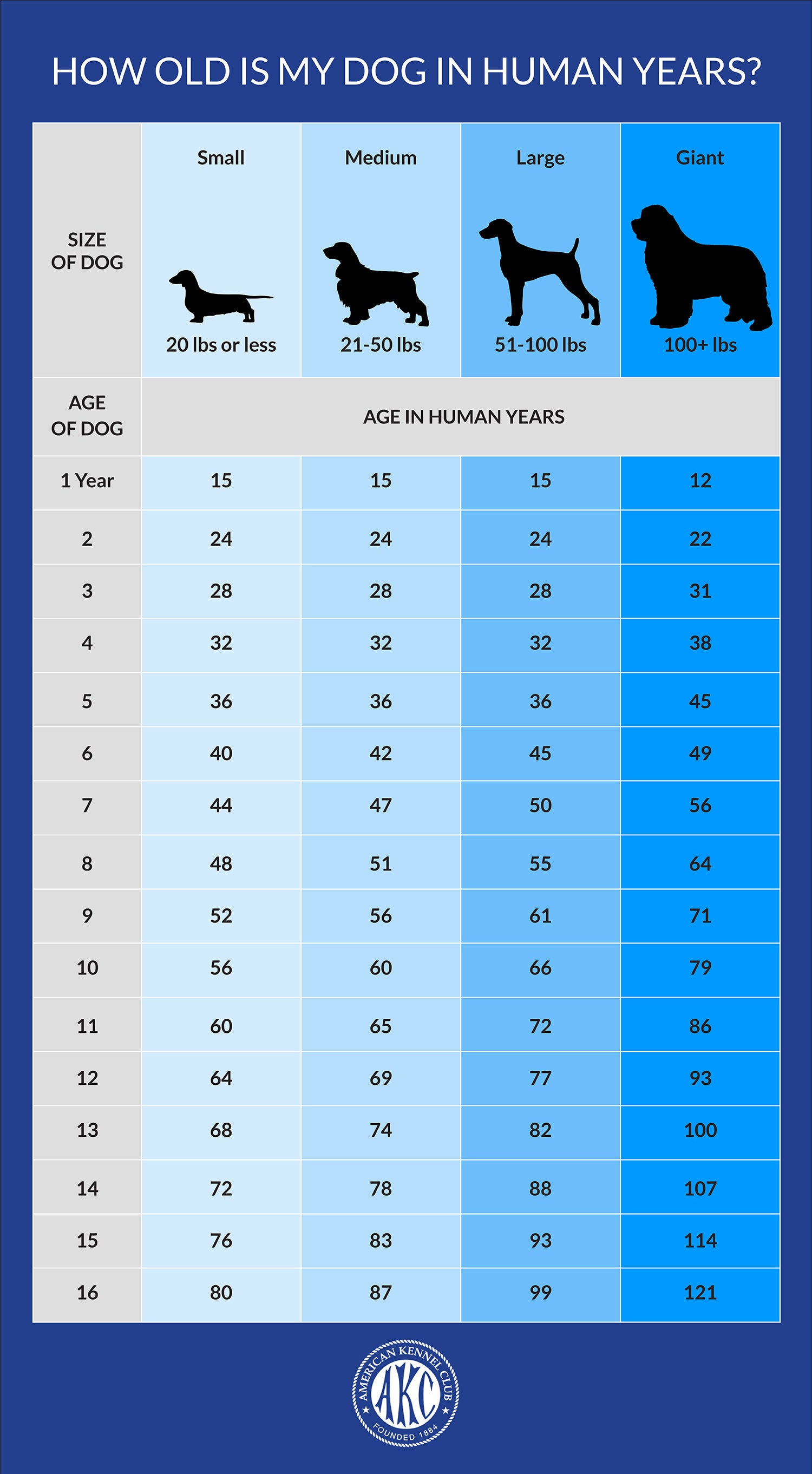
The notion of a “dog year” equating to seven human years is a widely known, yet oversimplified, metric. Modern veterinary science, augmented by advanced technology, now offers a far more granular and accurate understanding of canine aging, taking into account breed, size, genetics, and lifestyle.

Beyond Calendar Years: Breed-Specific AI Models
Artificial intelligence (AI) and machine learning (ML) are at the forefront of redefining canine old age. Veterinary researchers are leveraging vast datasets of canine health records, genetic information, and lifespan statistics to train AI models. These algorithms can identify patterns and markers specific to different breeds and even individual dogs, predicting with greater accuracy when a dog might begin experiencing age-related changes. For instance, a Great Dane might be considered senior at 5-6 years, while a Chihuahua might not reach that stage until 10-12 years. AI helps to process these complex variables, moving beyond broad generalizations to provide breed- and size-specific age guidelines. These models also factor in common breed-specific ailments, allowing for predictive insights into potential health challenges as a dog ages. By analyzing biomarkers and physiological data over time, AI can establish more accurate age equivalence, helping owners and vets to tailor preventative care strategies well before traditional signs of aging become apparent.
Wearable Technology and Real-Time Biomarker Tracking
Wearable devices for dogs, akin to smartwatches for humans, are becoming indispensable tools for monitoring an aging dog’s health in real time. These gadgets track a multitude of biomarkers, including activity levels, sleep patterns, heart rate, respiration rate, temperature, and even subtle changes in gait or posture. Sophisticated algorithms within companion apps analyze this continuous stream of data, identifying deviations from a dog’s baseline normal. A consistent decrease in activity, an increase in restless sleep, or subtle changes in heart rate variability could be early indicators of age-related discomfort, cognitive decline, or the onset of chronic conditions like arthritis or cardiac issues. This real-time, objective data empowers owners and veterinarians to recognize the onset of senior status and age-related issues much earlier than through observation alone, facilitating timely interventions and improvements in quality of life.
Digital Diagnostics and Proactive Senior Care
Technology is not only helping to define old age but also to diagnose and manage the health challenges that accompany it, enabling a proactive approach to senior canine care.
AI-Powered Symptom Analysis and Early Detection
The integration of AI into veterinary diagnostics is transforming early disease detection in aging dogs. Apps and online platforms utilize AI to analyze reported symptoms, cross-referencing them with extensive databases of veterinary knowledge and case studies. While not a replacement for professional veterinary consultation, these tools can assist owners in understanding potential issues and preparing for vet visits. More advanced AI systems are also being used in diagnostic imaging, helping veterinarians to detect subtle abnormalities in X-rays, MRIs, and CT scans that might be missed by the human eye, particularly in the early stages of age-related conditions such as tumors or degenerative joint diseases. This predictive capability allows for earlier treatment, often leading to better outcomes and a higher quality of life for the aging dog.
Telemedicine and Remote Monitoring Solutions
Telemedicine platforms have revolutionized access to veterinary care, particularly beneficial for senior dogs who may find travel to a clinic stressful or physically challenging. Through video consultations, veterinarians can assess a dog’s general condition, observe gait, discuss symptoms, and provide advice or prescriptions remotely. This reduces stress on the animal and makes routine check-ups or follow-ups more convenient for owners. Complementing telemedicine are remote monitoring solutions, where data from wearable devices is automatically transmitted to a vet’s office. Alerts can be triggered if key health parameters fall outside normal ranges, prompting a proactive call from the veterinary team. This continuous oversight is crucial for managing chronic age-related conditions like diabetes, kidney disease, or heart conditions, ensuring adjustments to medication or care plans can be made swiftly.
Smart Home Integration for the Aging Canine
The smart home ecosystem, often associated with human convenience, is increasingly being adapted to enhance the lives of senior dogs, providing comfort, safety, and tailored environmental control.

Automated Feeding and Environmental Control
Smart feeding systems ensure aging dogs receive precise portions at regular intervals, crucial for managing weight and specific dietary needs often associated with senior status. These devices can be programmed to dispense different types of food for multiple pets or to manage specific feeding schedules for dogs with medical conditions requiring strict timing. Beyond feeding, smart home technology extends to environmental control. Automated lighting systems can be programmed to gradually brighten or dim, aiding dogs with vision impairment. Smart thermostats can maintain optimal temperatures, ensuring senior dogs, who may be more sensitive to temperature extremes, remain comfortable. Even smart pet beds with temperature control and orthopedic support are emerging, offering customized comfort to soothe aching joints.
Security and Comfort for Senior Dogs
Digital security tools within the smart home also benefit aging dogs. Indoor cameras with two-way audio allow owners to check on their senior pets, ensuring they are safe, comfortable, and not showing signs of distress while alone. Some advanced systems can even detect falls or unusual behavior patterns, sending alerts to owners. Furthermore, smart locks and automated pet doors can provide secure and monitored access for dogs that still enjoy outdoor time but might need restricted or supervised outings. These technologies collectively create a safer, more comfortable, and stress-reducing environment for senior dogs, giving owners greater peace of mind.
The Role of Software in Personalized Geriatric Veterinary Care
Behind the scenes, sophisticated software solutions are empowering veterinarians to provide highly personalized and efficient care for aging dogs.
Comprehensive Electronic Health Records (EHRs)
Modern veterinary practices rely on comprehensive Electronic Health Records (EHRs) systems. These platforms consolidate a dog’s entire medical history, including vaccination records, past diagnoses, treatment plans, medication history, lab results, and imaging studies. For senior dogs, a detailed EHR is invaluable. It allows veterinarians to quickly review a dog’s health trajectory over its lifetime, identify recurring issues, track the progression of chronic conditions, and make informed decisions about age-appropriate interventions. The ability to access this detailed history at a glance ensures continuity of care, especially as a dog ages and may develop multiple concurrent health issues requiring complex management.
Predictive Analytics for Age-Related Conditions
Beyond simple record-keeping, advanced EHR systems are integrating predictive analytics. By anonymizing and analyzing data from thousands of patient records, these systems can identify dogs at higher risk for certain age-related conditions based on their breed, age, genetics, and historical health data. This predictive capability allows veterinarians to recommend preventative screenings or lifestyle adjustments before the onset of symptoms, thereby delaying or mitigating the impact of diseases like canine dementia, kidney failure, or certain types of cancer. This proactive approach, powered by data-driven insights, is a cornerstone of modern geriatric veterinary medicine.
Educational Apps and Owner Empowerment
Technology is also empowering dog owners with knowledge and resources, enabling them to better understand and care for their aging pets.
Digital Resources for Understanding Canine Aging
A plethora of mobile applications and online platforms are dedicated to educating dog owners about the aging process. These resources offer articles, videos, and interactive guides on topics ranging from nutrition for senior dogs, managing age-related behavioral changes, recognizing signs of discomfort, and understanding common geriatric diseases. Such easily accessible information helps owners anticipate changes, learn best practices for senior care, and feel more confident in providing their aging companions with the best possible support. Many apps also include symptom checkers and guides on when to seek veterinary attention, bridging the gap between owner observation and professional medical advice.
Community Platforms for Senior Pet Owners
Beyond educational content, technology fosters community. Online forums, social media groups, and specialized apps connect owners of senior dogs, creating supportive networks where individuals can share experiences, offer advice, and find emotional support. These digital communities can be invaluable for navigating the unique challenges and joys of caring for an aging pet. From discussing mobility aids to sharing tips on managing cognitive dysfunction, these platforms build collective wisdom and solidarity, ensuring no owner feels alone in their senior dog care journey.
aViewFromTheCave is a participant in the Amazon Services LLC Associates Program, an affiliate advertising program designed to provide a means for sites to earn advertising fees by advertising and linking to Amazon.com. Amazon, the Amazon logo, AmazonSupply, and the AmazonSupply logo are trademarks of Amazon.com, Inc. or its affiliates. As an Amazon Associate we earn affiliate commissions from qualifying purchases.