
In the landscape of modern retail, few brands have achieved the cult-like devotion and strategic market positioning of Lululemon Athletica. Founded in 1998 in Vancouver, Canada, the brand has evolved from a niche yoga wear studio into a global behemoth that defines the “athleisure” category. However, for the consumer asking “Where can I buy Lululemon?” the answer is far more complex than a simple list of retailers. It is a study in controlled distribution, brand equity preservation, and a sophisticated omnichannel strategy designed to maintain a premium identity in a crowded marketplace.
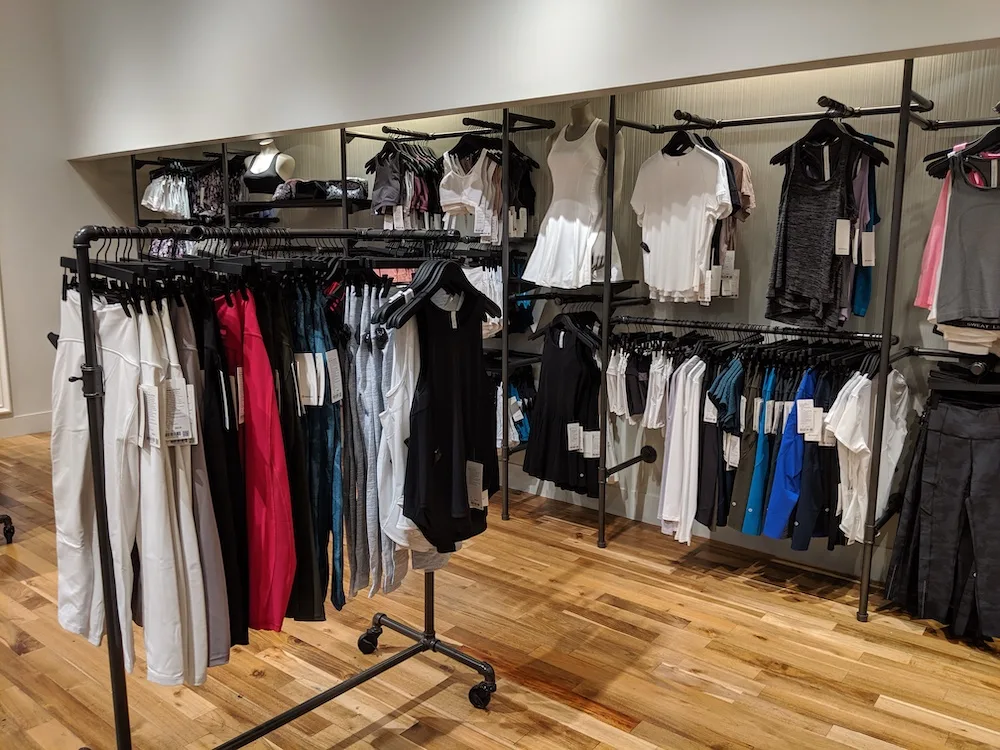
To understand where to purchase Lululemon is to understand the brand’s commitment to vertical integration. Unlike many of its competitors who saturate the market through massive wholesale agreements with big-box retailers, Lululemon exercises rigorous control over its supply chain and sales points. This intentional scarcity and exclusive positioning ensure that the brand remains a symbol of status and quality.
The Primary Ecosystem: Direct-to-Consumer Excellence
The cornerstone of Lululemon’s brand strategy is its Direct-to-Consumer (DTC) model. By selling directly to its community, the company retains higher margins and, more importantly, complete control over the customer experience.
Official Flagship and Community Stores
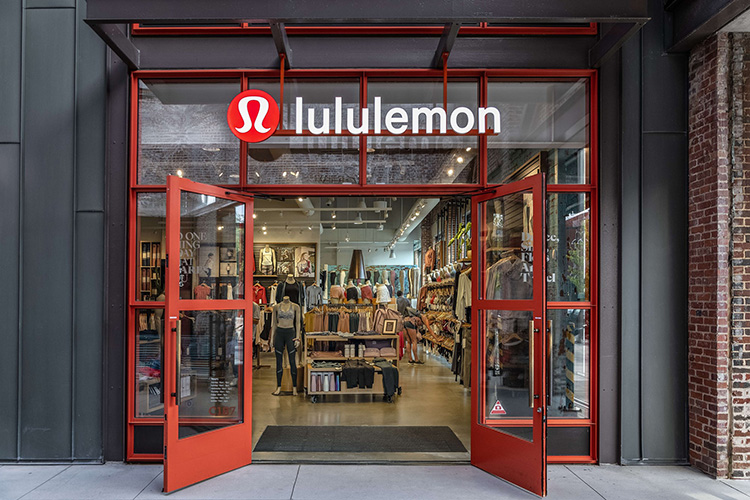
The most authentic way to experience the brand is through its physical storefronts. Lululemon does not refer to these simply as “stores”; they are envisioned as community hubs. Currently, the company operates over 600 stores globally. When you walk into a Lululemon location, you are greeted by “Educators”—staff members trained not just to sell, but to provide technical knowledge about fabric technologies like Luon, Nulu, and Everlux.
These physical locations are strategically placed in high-traffic, affluent urban centers and premium shopping malls. The brand uses these spaces to host yoga classes, run clubs, and community events, reinforcing the brand identity as a lifestyle partner rather than a mere garment provider.
The Digital Storefront: Lululemon.com
The brand’s e-commerce platform is the most comprehensive place to buy Lululemon products. It serves as the central nervous system for the brand’s global inventory. The website offers several strategic advantages for the consumer:
- The Full Catalog: While physical stores have limited floor space, the online store carries every colorway, size (including an expanded range of 0–20), and specialized capsule collection.
- “We Made Too Much”: This is Lululemon’s strategic version of a clearance section. By hosting their own markdowns online, they prevent their premium products from ending up in discount bins at third-party retailers, which would dilute the brand’s perceived value.
- Omnichannel Integration: Features like “Buy Online, Pick Up In-Store” (BOPIS) bridge the gap between digital convenience and physical brand immersion.
Authorized Strategic Partners: The Art of Selective Distribution
One of the most frequent questions regarding Lululemon is why the brand isn’t found in major sporting goods chains or department stores like Nordstrom or Dick’s Sporting Goods. The answer lies in their selective distribution strategy. Lululemon avoids “mass-market” retailers to prevent their products from being cross-shopped or discounted alongside lower-tier brands.
Elite Fitness Studios and Yoga Centers
Lululemon’s wholesale strategy is incredibly niche. They partner with elite fitness studios, such as CorePower Yoga, Barry’s Bootcamp, and high-end boutique gyms. These partnerships are not just about sales; they are about brand alignment. By placing their products in the environments where their “Muse”—the active, health-conscious professional—spends time, they reinforce the brand’s technical authority.
High-End Department Stores and International Markets
In certain international markets or specific luxury contexts, Lululemon has experimented with shop-in-shop concepts. For example, in the UK, they have a presence in Harrods and Selfridges. In these cases, the department store must align with Lululemon’s premium positioning. The brand ensures that even within a third-party environment, the “Lululemon experience” remains intact through dedicated floor space and brand-trained staff.
The Secondary Market and the “Like New” Initiative
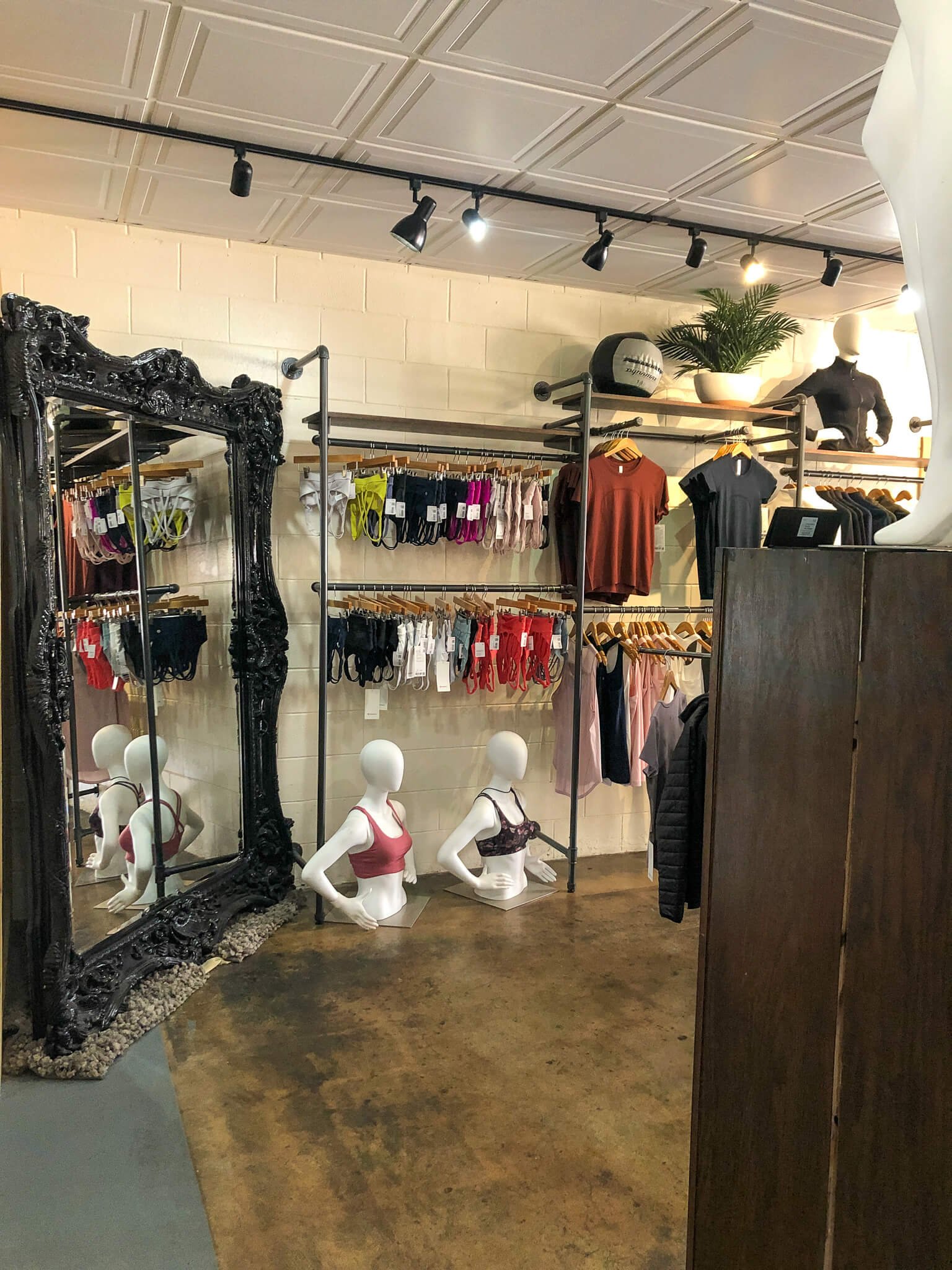
As the brand has grown, a robust secondary market has emerged. Because Lululemon products are known for their durability and high resale value, where one can buy the brand has expanded into the circular economy.
Lululemon Like New: The Official Re-commerce Program
Recognizing the massive volume of Lululemon gear being sold on third-party platforms, the brand launched “Lululemon Like New.” This is a masterstroke of brand strategy. By facilitating the resale of gently used gear themselves, they:
- Recapture Revenue: They profit from the same item twice.
- Control Quality: They ensure that second-hand buyers are still receiving verified, high-quality products.
- Promote Sustainability: This aligns with modern consumer values regarding ESG (Environmental, Social, and Governance) goals.
Verified Resale Platforms
For those looking for discontinued patterns or lower price points, platforms like Poshmark, ThredUp, and Depop are flooded with Lululemon gear. However, the brand warns against the risks of these channels. The high demand for the brand has led to a sophisticated counterfeit market. Authenticators on these platforms look for specific brand markers, such as the “rip tag,” size dots hidden in pockets, and the quality of the heat-stamped logo.
Avoiding the “Gray Market” and Protecting Brand Integrity
A significant challenge for a high-equity brand like Lululemon is the “gray market”—unauthorized retailers who acquire authentic goods and sell them outside the brand’s intended channels. When consumers ask where to buy Lululemon, they must be wary of “too good to be true” deals on unauthorized websites or social media advertisements.
The Risks of Unauthorized Sellers
Buying from non-authorized sources poses several risks to the brand and the consumer:
- Counterfeits: Massive operations produce “dupes” that mimic the aesthetic but lack the technical performance and fabric longevity of authentic gear.
- Warranty Voidance: Lululemon is famous for its “Quality Promise.” If a product fails due to a manufacturing defect, they often replace it. This promise generally only extends to items purchased through official channels.
- Brand Dilution: When the brand appears on discount sites, it loses the “prestige” factor that allows it to command $100+ for a pair of leggings.
The Strategic Future: Where Will You Buy Lululemon Next?
Lululemon is not static. Their “Power of Three ×2” growth strategy outlines where the brand is heading, which directly impacts where consumers will find their products in the future.
International Expansion
The brand is aggressively expanding in China and the Asia-Pacific region. For consumers in these regions, the “where” is shifting from cross-border e-commerce to local flagship stores in Tier 1 and Tier 2 cities. This expansion is carefully managed to ensure the brand maintains its premium Western identity while catering to local cultural nuances.
Product Diversification: Footwear and Men’s Expansion
Where you buy Lululemon is also changing based on what they are selling. With the launch of their footwear line, Lululemon has moved into specialized shoe departments within their stores. Similarly, their aggressive push into the men’s market has led to the creation of men’s-only stores or dedicated men’s floors in larger flagships. This segmentation allows the brand to speak to different demographics without cluttering the brand message.
Digital Integration and the “Studio” Concept
Following the acquisition of Mirror (now rebranded as Lululemon Studio), the brand briefly pivoted toward at-home fitness hardware. While the hardware strategy has shifted toward content partnerships with Peloton, the “place” to buy Lululemon now includes digital apps and subscription services. This move transforms the brand from a clothing retailer into a holistic wellness platform.
Conclusion: A Conscious Choice of Channel
In conclusion, “where can I buy Lululemon” is a question that leads directly to the heart of their corporate strategy. By prioritizing direct-to-consumer channels and highly vetted partnerships, Lululemon has avoided the pitfalls of retail commoditization.
For the consumer, the safest and most brand-aligned purchase points remain the official Lululemon stores and their primary website. These channels offer the “Quality Promise,” the expertise of “Educators,” and the full breadth of the brand’s technical innovation. Whether through the “Like New” resale program or a flagship store in a major global city, the act of purchasing Lululemon is designed to be an entry point into a specific lifestyle—one defined by health, community, and the high-performance intersection of fashion and function. By controlling where their product is sold, Lululemon ensures that their logo remains not just a mark of a garment, but a symbol of a premium, aspirational identity.
aViewFromTheCave is a participant in the Amazon Services LLC Associates Program, an affiliate advertising program designed to provide a means for sites to earn advertising fees by advertising and linking to Amazon.com. Amazon, the Amazon logo, AmazonSupply, and the AmazonSupply logo are trademarks of Amazon.com, Inc. or its affiliates. As an Amazon Associate we earn affiliate commissions from qualifying purchases.