
In the world of luxury marketing and brand strategy, the most powerful symbols are often the most understated. To the uninitiated, a watercress sandwich is a humble tea-time snack consisting of crustless white bread, butter, and peppery greens. However, to a brand strategist, the watercress sandwich is a masterclass in heritage branding, social signaling, and the art of minimalist positioning.
What makes this simple item a staple of the British “Afternoon Tea” brand? How has a vegetable once associated with the working class evolved into a signifier of elite status and corporate elegance? By deconstructing the “Watercress Sandwich” through the lens of brand identity, we can uncover vital lessons for modern businesses looking to cultivate a sense of prestige and timelessness.

The Anatomy of a Symbol: Why the Watercress Sandwich Defines British Elegance
To understand the brand power of the watercress sandwich, one must first look at its historical trajectory. Branding is, at its core, the management of perception. The watercress sandwich manages to perceive itself as both quintessentially British and inherently exclusive.
Historical Roots and the Royal Association
Originally, watercress was a “poor man’s bread,” sold in bunches in Victorian London and eaten as a cheap source of nutrition. However, as the concept of Afternoon Tea was popularized by Anna Maria Russell, the Duchess of Bedford, in the mid-19th century, the watercress sandwich underwent a radical brand pivot.
By being served at the tables of the aristocracy, it moved from a “commodity” to a “lifestyle asset.” Today, its association with the Royal Family and events like the Royal Ascot or Wimbledon has solidified its place in the “Heritage Brand” category. For modern brands, this illustrates the “Halo Effect”: by associating a product with prestigious environments and high-status individuals, even the simplest offering can gain premium equity.
Minimalist Design as a Brand Asset
The visual identity of a watercress sandwich is its most defining characteristic. It is minimalist, uniform, and precise. The removal of the crusts is a deliberate design choice that signals leisure; it suggests that the consumer is not eating for survival or heavy sustenance, but for refined pleasure.
In corporate branding, we see this reflected in the “less is more” philosophy of companies like Apple or Celine. The “negative space” (the white bread) highlights the “logo” (the vibrant green watercress). This teaches us that luxury isn’t about excess; it is about the confidence to be simple.
Lessons in Luxury: What Modern Brands Can Learn from Afternoon Tea Staples
The endurance of the watercress sandwich provides a blueprint for any brand seeking to maintain relevance across centuries. It isn’t just a sandwich; it’s a strategic experience designed to evoke a specific emotional response.
The Power of Exclusivity and Occasion
A watercress sandwich is rarely eaten as a quick desk lunch. It is a “Contextual Brand”—it exists primarily within the ritual of Afternoon Tea. This creates a high barrier to entry based on time and social setting rather than just price.
Modern brands can learn from this by creating “Brand Rituals.” When a product is tied to a specific time, place, or sequence of events, it becomes more than a utility; it becomes a tradition. By limiting the “how” and “when” of product consumption, a brand can actually increase its perceived value, moving from a generic choice to a specialized destination.
Sensory Branding and Emotional Connection
The watercress sandwich appeals to a specific sensory profile: the crunch of the greens against the soft bread, the peppery bite followed by the richness of the butter. In branding, sensory marketing is the most direct route to the consumer’s subconscious.
Luxury brands often invest heavily in “haptic” branding—the feel of the leather, the weight of the packaging, the sound of a car door closing. The watercress sandwich uses its unique flavor profile to anchor the consumer in the “now.” When a brand can own a specific sensory experience, it builds a cognitive moat that competitors find difficult to breach.
Reimagining Tradition: How to Refresh a Heritage Brand Identity
One of the greatest challenges in brand strategy is maintaining a “Heritage” status without appearing “Dated.” The watercress sandwich has successfully navigated this by subtly evolving while keeping its core identity intact.
Balancing Consistency with Modern Relevance
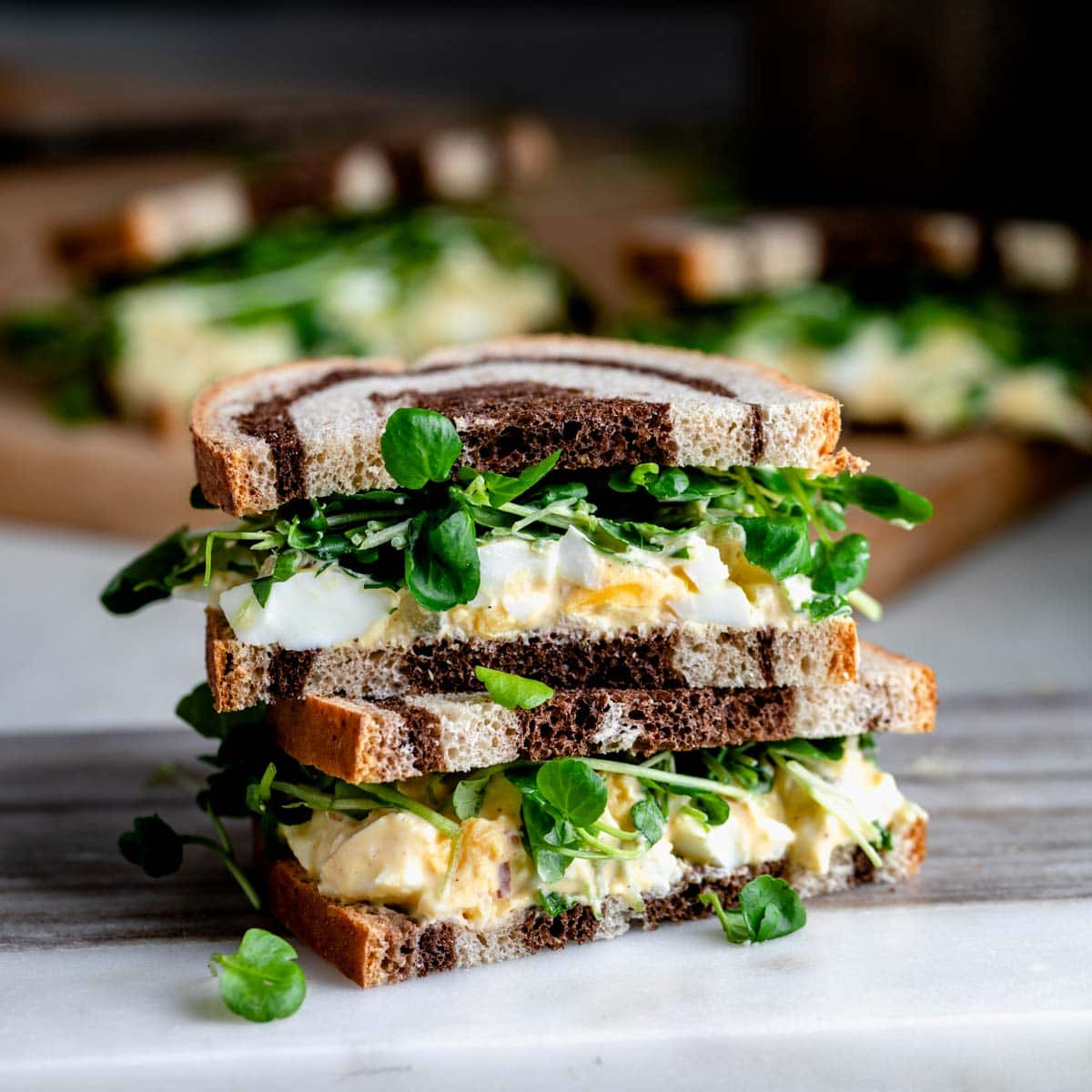
While the core of the watercress sandwich remains unchanged, modern high-end catering brands have updated the “form factor.” We now see the addition of lemon-infused butter, artisanal sourdough variants, or the inclusion of micro-greens to appeal to health-conscious Gen Z and Millennial demographics.
For a legacy brand, the lesson is clear: Consistency is the foundation of trust, but evolution is the key to survival. You must protect the “Brand DNA” (the peppery watercress) while being willing to iterate on the “Delivery System” (the bread and presentation) to meet contemporary tastes.
Storytelling Through Sourcing and Provenance
In the modern market, “Provenance Branding” is a powerful tool. Consumers want to know where their products come from. The watercress industry has leaned into this by highlighting the mineral-rich spring waters of Hampshire and Dorset.
When you tell the story of the source, you transform a commodity into a “Gourmet Story.” This strategy is used by brands like Patagonia (sourcing transparency) or Hermès (craftsmanship origin). By attaching a narrative of origin to the watercress sandwich, it ceases to be just food and becomes a piece of edible geography.
From Plate to Boardroom: Applying the “Watercress Strategy” to Corporate Identity
The principles that sustain the watercress sandwich’s status can be directly applied to corporate branding and personal identity. It is a philosophy of “Refined Substance.”
Simplicity as a Premium Differentiator
In an era of “brand clutter,” where companies try to be everything to everyone, the watercress sandwich stands as a reminder of the power of the niche. It doesn’t try to be a hearty club sandwich or a trendy wrap. It knows its lane and stays in it.
Corporate identities often suffer from “feature creep,” where the brand message becomes diluted by too many value propositions. The “Watercress Strategy” suggests that by stripping away the non-essentials—the “crusts” of your business—you reveal a sharper, more memorable core identity that resonates more deeply with a specific, high-value audience.
The Halo Effect of Cultural Associations
The watercress sandwich benefits from being part of a larger “Cultural Ecosystem.” It is part of the “English Summer” brand, alongside Pimm’s, lawn tennis, and garden parties.
Brands do not exist in a vacuum. To build a powerful identity, a company must identify the cultural ecosystem it wishes to inhabit. By aligning your brand with other symbols of quality, tradition, or innovation, you borrow their equity. This is the logic behind strategic brand partnerships. When a tech brand partners with a high-end fashion house, they are essentially creating the digital equivalent of putting watercress on the Duchess’s tea tray.
Conclusion: The Enduring Brand of the Understated
The watercress sandwich is more than a culinary relic; it is a testament to the longevity of well-positioned brands. It teaches us that luxury is not always loud, and that the most effective marketing is often the kind that feels like tradition.
By focusing on historical legacy, sensory consistency, and the courage to remain simple, the watercress sandwich has maintained its brand authority for over 150 years. For any strategist looking to build a brand that lasts, the lesson is simple: find your “peppery bite,” refine your presentation, and never be afraid to cut off the crusts to reveal the excellence within. In the competitive landscape of the 21st century, sometimes the most “disruptive” thing a brand can do is remain perfectly, elegantly, and consistently itself.
aViewFromTheCave is a participant in the Amazon Services LLC Associates Program, an affiliate advertising program designed to provide a means for sites to earn advertising fees by advertising and linking to Amazon.com. Amazon, the Amazon logo, AmazonSupply, and the AmazonSupply logo are trademarks of Amazon.com, Inc. or its affiliates. As an Amazon Associate we earn affiliate commissions from qualifying purchases.