
In an era of rapid digital expansion and frequent career transitions, it is surprisingly easy for individuals to lose track of their financial footprint. Whether it is a dormant savings account from a childhood move, a forgotten checking account linked to a previous employer, or an escrow account from a long-closed mortgage, billions of dollars currently sit in “lost” accounts across the United States. Finding bank accounts in your name is not just about recovering forgotten cash; it is a vital step in comprehensive financial planning, identity protection, and estate management.
Managing your financial life requires a clear inventory of all assets. When accounts are left unattended, they risk being “escheated”—the process where the state takes custody of unclaimed property. To prevent this and to ensure your net worth is accurately reflected, you must employ a systematic approach to auditing your past and present financial relationships.
Understanding the Landscape of Forgotten Financial Accounts
The primary reason bank accounts fall into obscurity is the sheer complexity of modern life. People change addresses, switch jobs, and open new accounts for specific bonuses or interest rates, often forgetting to properly close the old ones. However, the financial system is highly regulated, and every penny you have deposited remains legally yours, even if the bank has moved it to a different internal classification.
The Phenomenon of Financial Drift
Financial drift occurs when a consumer’s lifestyle outpaces their administrative upkeep. Common scenarios include moving to a different state without updating a secondary bank account, or an employer depositing a final paycheck or reimbursement into a payroll card or account that the employee rarely uses. Over time, the lack of activity triggers “dormancy” status. Banks are legally required to attempt to contact the owner, but if mail is returned or emails go unread, the account enters a legal limbo.
The Role of Escheatment Laws
State laws dictate how long a bank can hold an inactive account before transferring the funds to the state treasury. This period, known as the dormancy period, usually ranges from three to five years depending on the jurisdiction. Once this period expires, the bank is legally obligated to turn the funds over to the state’s unclaimed property division. While this may sound alarming, it is actually a consumer protection measure. It prevents the bank from simply absorbing the funds as profit and provides a centralized database where the rightful owner can eventually claim their money.
Proactive Strategies for Locating Existing Bank Accounts
If you suspect you have open accounts that have not yet been sent to the state as unclaimed property, your search should begin with your own personal records and digital history. Because there is no single “master list” of every bank account in existence due to privacy laws, you must act as a financial detective.
Reviewing Your Digital and Physical Paper Trail
The most effective starting point is your tax history. Any bank account that earned more than $10 in interest during a calendar year is required to issue a Form 1099-INT. By logging into the IRS website and requesting a “Wage and Income Transcript” for the past several years, you can see every institution that reported interest income under your Social Security number. This is a definitive way to identify forgotten accounts that are still active enough to generate tax documents.
Similarly, your email inbox is a goldmine for financial data. Search for keywords such as “statement,” “e-statement,” “online banking,” “confirmation,” or “1099.” Often, a forgotten high-yield savings account or an old fintech app account will have sent automated notifications that remain buried in your archives.
Leveraging Credit Reports and Inquiries
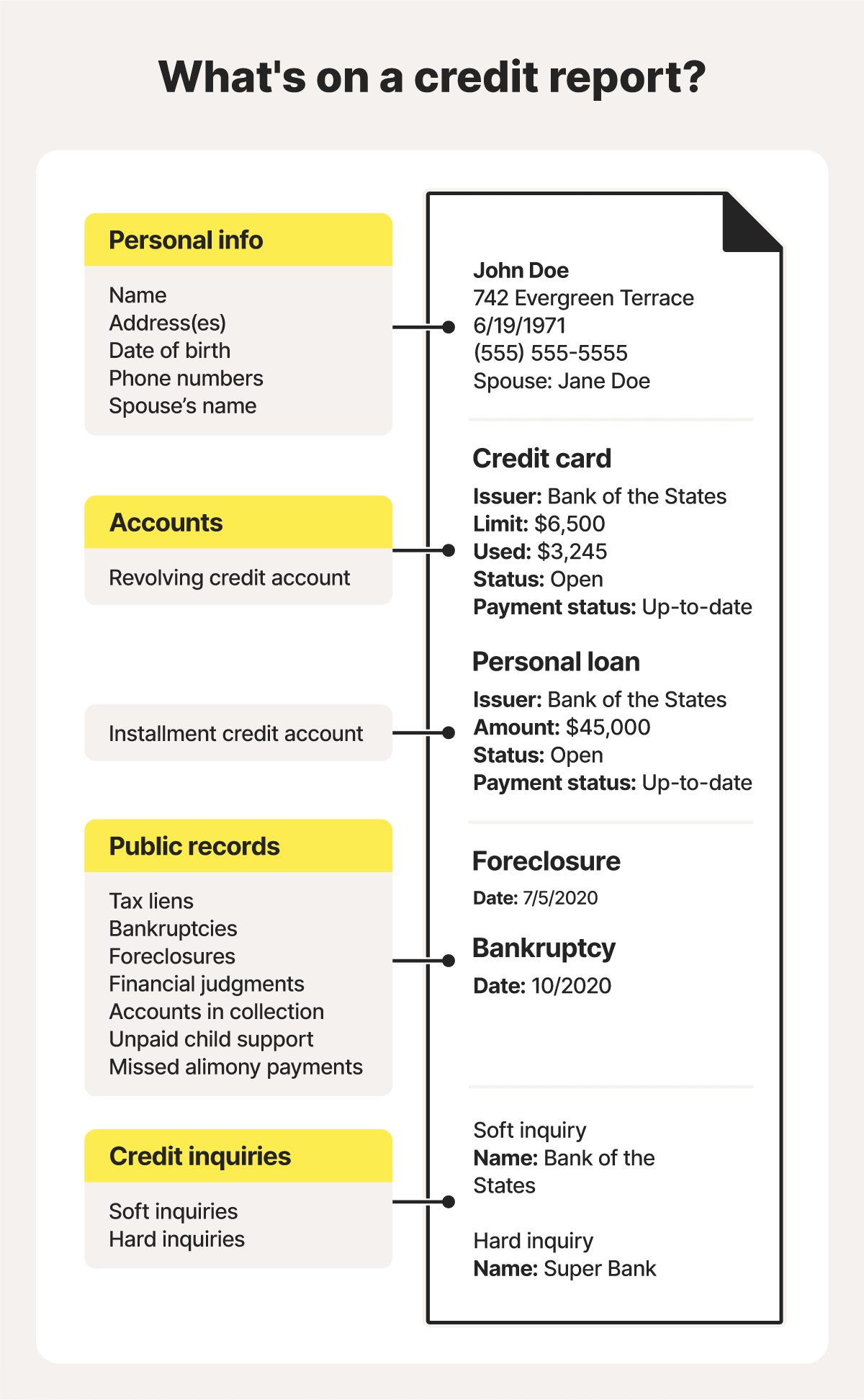
While standard bank accounts (checking and savings) do not typically appear on a traditional credit report from Equifax, Experian, or TransUnion, the inquiries made to open them often do. When you apply for a new account, many banks perform a “soft pull” or a “hard pull” on your credit. By reviewing your detailed credit report history, you can see which financial institutions have requested your data over the last seven years. If you see an inquiry from a bank you do not currently use, it is a strong indicator that you once opened—and may still have—an account there.
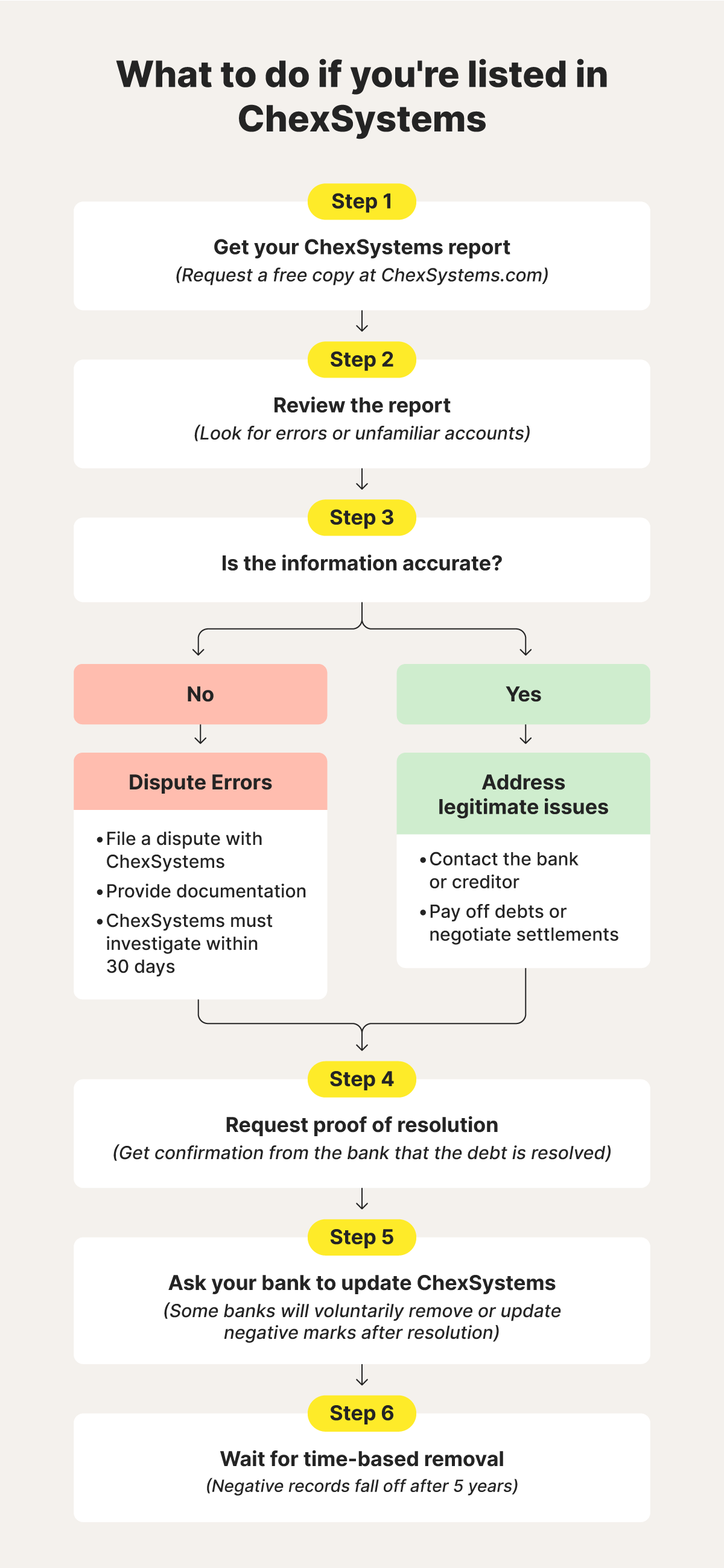
Furthermore, you should check your report from ChexSystems. ChexSystems is a specialty consumer reporting agency that tracks deposit account history. Most banks use this service to screen applicants. Requesting your Consumer Disclosure Report from ChexSystems will show you a history of bank account applications and closures, providing a roadmap of your previous banking relationships.
Navigating the Unclaimed Property System
If your search of active banks yields no results, it is likely that the funds have been turned over to the state. This is a common occurrence, and the process for recovery is standardized and free.
Utilizing National and State Databases
The most efficient way to search for escheated funds is through the National Association of Unclaimed Property Administrators (NAUPA). They endorse the website MissingMoney.com, which is a centralized search engine that aggregates data from nearly every U.S. state and several Canadian provinces. By entering your name and previous residential addresses, you can quickly see if any “unclaimed property” is being held in your name.
It is crucial to search every state where you have lived, worked, or attended school. Furthermore, search for variations of your name, including common misspellings or maiden names. If a match is found, the state will require proof of identity—such as a copy of your driver’s license or social security card—and sometimes proof of connection to the old address to initiate the return of funds.
Specialized Federal Searches
Not all lost money is held at the state level. If a bank or credit union fails and is liquidated, the Federal Deposit Insurance Corporation (FDIC) or the National Credit Union Administration (NCUA) may hold the funds.
-
FDIC Unclaimed Funds: The FDIC maintains a searchable database for unclaimed insured deposits from closed financial institutions. If you had money in a bank that went out of business, this is the first place to look.
-
Treasury Securities: If you ever purchased paper savings bonds or had a TreasuryDirect account that you lost access to, the U.S. Treasury’s “Treasury Hunt” tool allows you to search for matured, uncashed bonds issued since 1974.
Consolidating and Securing Your Financial Future
Once you have successfully located your accounts, the focus should shift to consolidation and organization. Having multiple scattered accounts increases the risk of future loss and makes it difficult to manage a cohesive investment strategy.
The Benefits of Financial Aggregation Tools
To prevent “losing” accounts again, consider using a financial aggregation platform. Tools like Monarch Money, Empower, or specialized spreadsheets allow you to link all your financial institutions into a single dashboard. This provides a real-time view of your total assets. If an account balance remains stagnant for too long, these tools can serve as a visual reminder to either utilize the funds or close the account and move the balance to a more productive vehicle.
Establishing a “Financial Master File”
Every individual should maintain a secure, encrypted digital folder or a physical fireproof safe containing a master list of all financial relationships. This list should include:
-
The name of the financial institution.
-
The type of account (Checking, Savings, CD, Brokerage).
-
Account numbers (stored securely).
-
Beneficiary designations.
Updating this list annually—perhaps during tax season—ensures that you never lose track of your assets again. It also serves as an invaluable resource for your heirs. One of the most common ways bank accounts are “lost” is when an individual passes away and their family members are unaware of the existence of certain accounts.
Maintaining Long-Term Financial Hygiene
Finding lost bank accounts is often a wake-up call regarding one’s overall financial hygiene. The modern financial world rewards those who are organized and punishes those who are negligent with their data.
Periodic Self-Audits
Make it a habit to perform a “financial physical” once a year. Check MissingMoney.com even if you haven’t moved, as new property is turned over to states every day. Review your ChexSystems report and your credit reports to ensure no unauthorized accounts have been opened in your name, which also serves as a check for identity theft.

The Importance of Activity
If you choose to keep an account open for specific reasons—such as maintaining a relationship with a local credit union or holding a long-term CD—ensure there is at least some activity or communication. Even a small transfer of $5 once a year can be enough to keep an account marked as “active,” preventing it from entering the dormancy period that leads to escheatment.
Locating bank accounts in your name requires a blend of digital forensics and administrative persistence. By utilizing tax transcripts, specialized credit reports, and state unclaimed property databases, you can reclaim your forgotten assets and build a more transparent, manageable financial life. Remember, this money is yours by right; taking the time to track it down is an essential act of financial self-stewardship.
aViewFromTheCave is a participant in the Amazon Services LLC Associates Program, an affiliate advertising program designed to provide a means for sites to earn advertising fees by advertising and linking to Amazon.com. Amazon, the Amazon logo, AmazonSupply, and the AmazonSupply logo are trademarks of Amazon.com, Inc. or its affiliates. As an Amazon Associate we earn affiliate commissions from qualifying purchases.