
In today’s dynamic business landscape, the effective management of human capital is no longer a peripheral concern but a strategic imperative. Organizations are increasingly recognizing that their employees are their most valuable asset, and thus, the systems that support their management must be robust, intuitive, and forward-thinking. This is where Human Resource Information Systems (HRIS) come into play. An HRIS is a comprehensive software solution designed to manage and automate core HR functions, from recruitment and onboarding to payroll, performance management, and employee data. The right HRIS can streamline operations, enhance employee experience, ensure compliance, and provide invaluable insights for strategic decision-making.
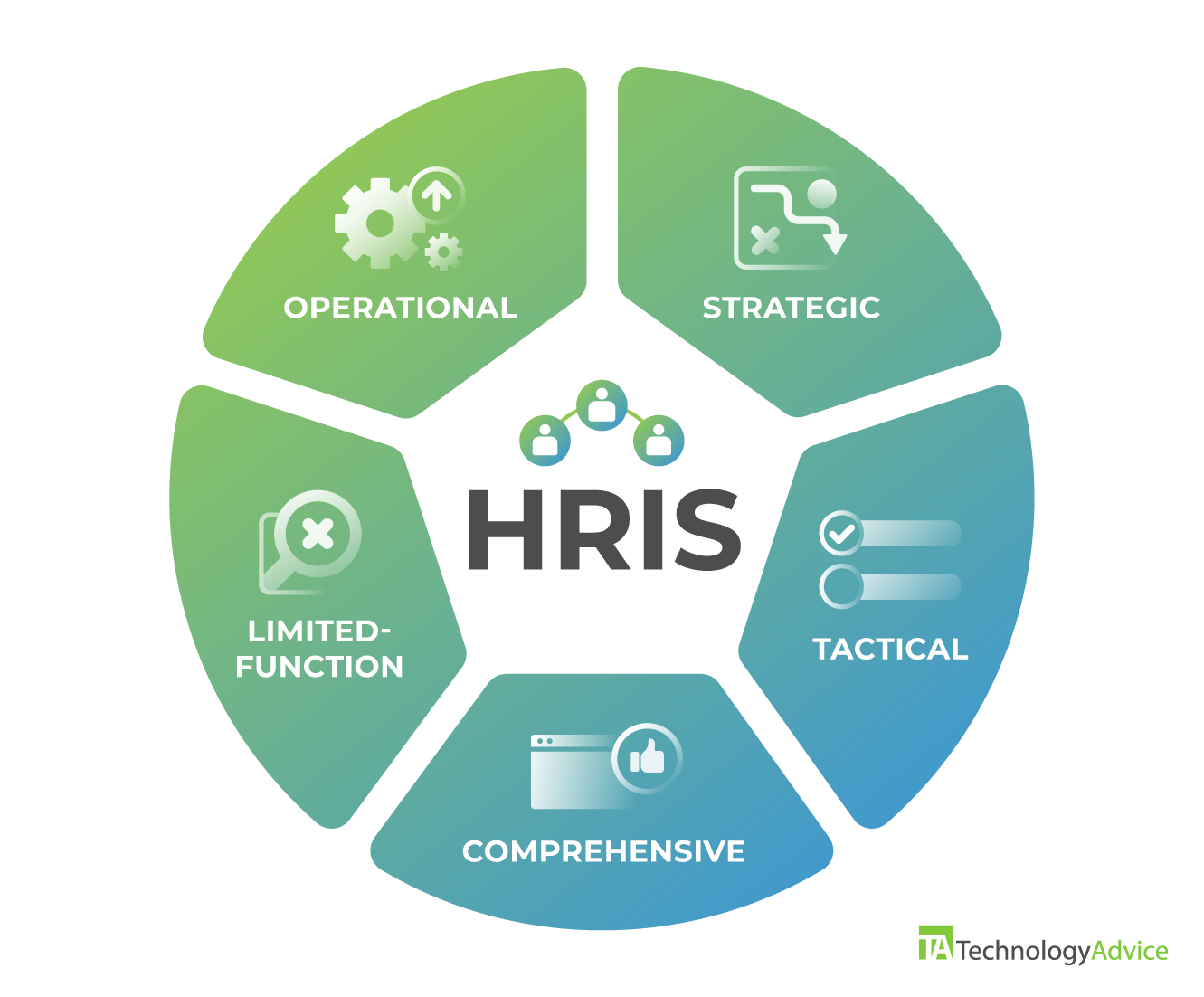
The market for HRIS solutions is vast and varied, with numerous providers offering a wide spectrum of features and functionalities. Choosing the right system can feel like navigating a labyrinth, with each solution boasting unique selling points and catering to different organizational needs. This article aims to cut through the noise and identify the top 5 HRIS systems that consistently stand out for their innovation, user-friendliness, comprehensive capabilities, and overall impact on modern human resource management. We will delve into what makes these systems leaders in their field, considering factors such as scalability, integration capabilities, analytical power, and employee self-service features.
Understanding the Core Pillars of an Effective HRIS
Before we dive into the specifics of the leading HRIS platforms, it’s crucial to understand the fundamental components that make any HRIS system truly effective. The “top” systems are not simply those with the most features, but those that excel in delivering tangible value across key HR operational areas. These pillars represent the bedrock upon which efficient and impactful HR management is built.
Streamlining Core HR Operations
At its heart, an HRIS is designed to automate and simplify the day-to-day tasks that HR departments handle. This includes the meticulous management of employee records, ensuring data accuracy and accessibility. The ability to centralize all employee information – from personal details and employment history to benefits enrollment and training records – is paramount. Efficient onboarding processes are also critical. A good HRIS will guide new hires through paperwork, introductions, and initial training seamlessly, setting them up for success from day one. Similarly, managing employee data through life events, such as promotions, transfers, or departures, needs to be a smooth and compliant process. The system should minimize manual data entry, reduce the risk of errors, and ensure that information is always up-to-date and readily available to authorized personnel. This operational efficiency frees up HR professionals to focus on more strategic initiatives rather than getting bogged down in administrative burdens.
Enhancing Employee Experience and Engagement
In today’s competitive talent market, a positive employee experience is a significant differentiator. Top HRIS systems recognize this and go beyond mere data management to foster employee engagement. This often manifests through intuitive employee self-service portals. These portals empower employees to access and update their personal information, view pay stubs, manage benefits, request time off, and even access training materials independently. This not only reduces the burden on the HR team but also provides employees with a sense of autonomy and control over their HR-related matters. Furthermore, modern HRIS solutions are incorporating features that support ongoing feedback, performance reviews, and career development planning. By facilitating open communication and providing clear pathways for growth, these systems contribute to a more engaged and motivated workforce, ultimately leading to higher retention rates and increased productivity.
Driving Data-Informed Decision Making
One of the most transformative aspects of a powerful HRIS is its ability to harness the wealth of data it collects. The “top” systems are not just repositories of information; they are intelligent platforms that provide actionable insights. Robust reporting and analytics capabilities are therefore non-negotiable. This includes standard reports on headcount, turnover, compensation, and demographics, as well as the ability to create custom reports tailored to specific business needs. Advanced HRIS solutions often incorporate predictive analytics, helping organizations anticipate future workforce needs, identify flight risks, and pinpoint areas for improvement in employee development or engagement strategies. The ability to visualize data through dashboards and charts makes complex information easily digestible, empowering HR leaders and executives to make informed, strategic decisions that align with the overall business objectives.
The Leading HRIS Systems: A Deep Dive
With a clear understanding of what makes an HRIS effective, we can now turn our attention to the systems that consistently rise to the top. These platforms have distinguished themselves through their comprehensive feature sets, user-centric design, and a commitment to innovation. Each offers a unique blend of capabilities, making them suitable for a range of organizational sizes and complexities.
1. Workday Human Capital Management
Workday is a powerhouse in the HRIS space, renowned for its integrated suite of cloud-based applications for finance and human resources. Its strength lies in its unified platform, eliminating the need for disparate systems and providing a single source of truth for all employee data. Workday’s Human Capital Management (HCM) module is particularly comprehensive, covering everything from core HR and payroll to talent management, recruiting, learning, and workforce planning.
Key Strengths:
- Unified Platform: As mentioned, Workday’s strength is its single, integrated system. This means that data flows seamlessly between different HR functions, ensuring consistency and accuracy. For example, a promotion event can automatically trigger updates in payroll, performance management, and succession planning modules.
- Advanced Analytics and Reporting: Workday offers robust analytics capabilities, allowing organizations to gain deep insights into their workforce. Its “Workday Prism Analytics” enables advanced data analysis, predictive modeling, and the creation of custom reports and dashboards. This empowers HR to move beyond reactive reporting to proactive strategic planning.
- Talent Management Suite: Workday’s talent management features are exceptionally strong. This includes robust tools for performance management, goal setting, compensation planning, succession planning, and career development. The system is designed to foster employee growth and identify high-potential employees.
- Intuitive User Experience: Despite its vast functionality, Workday is praised for its user-friendly interface. It is designed with the end-user in mind, offering personalized dashboards and easy navigation for both HR administrators and employees. The mobile app further enhances accessibility and engagement.
- Global Capabilities: For multinational corporations, Workday offers extensive global capabilities, supporting multiple languages, currencies, and local compliance requirements, making it a leading choice for businesses with a significant international presence.
Considerations:
Workday is typically positioned for mid-to-large enterprises due to its comprehensive nature and associated investment. Its implementation can be complex and requires dedicated resources.
2. SAP SuccessFactors
SAP SuccessFactors is another top-tier HRIS solution that has established itself as a leader in cloud-based HCM. It offers a modular approach, allowing organizations to select the functionalities that best fit their needs, while still benefiting from the power of an integrated suite. SuccessFactors covers a broad spectrum of HR processes, from foundational core HR to advanced talent management and employee engagement.
Key Strengths:
- Comprehensive Module Selection: SuccessFactors offers a modular design, allowing businesses to pick and choose specific solutions. This includes Core HR, Payroll, Recruiting, Onboarding, Performance & Goals, Compensation, Succession & Development, and Employee Central. This flexibility is a significant advantage for organizations with evolving HR needs.
- Strong Talent Management Focus: Similar to Workday, SuccessFactors excels in talent management. Its performance and goal management tools are highly regarded, facilitating continuous feedback and performance reviews. The succession and development capabilities help organizations identify and nurture future leaders.
- Employee Central (Core HR): The Employee Central module serves as the central hub for all employee data, offering robust features for managing employee information, organizational structures, and global HR processes. It provides a solid foundation for all other SuccessFactors modules.
- User-Friendly Interface and Mobile Access: SuccessFactors has made significant strides in improving its user interface, offering a modern and intuitive experience. The availability of a mobile app ensures that employees and managers can access HR functions on the go, fostering engagement and efficiency.
- Integration with SAP Ecosystem: For organizations already invested in SAP’s broader enterprise resource planning (ERP) solutions, SuccessFactors offers seamless integration, creating a connected business environment.
Considerations:
While modular, the cost can add up as more modules are adopted. Implementation can require careful planning to ensure all chosen modules integrate effectively.
3. Oracle HCM Cloud

Oracle has long been a significant player in enterprise software, and its Oracle Human Capital Management (HCM) Cloud suite is a testament to its commitment to modern HR technology. Oracle HCM Cloud is a comprehensive, integrated suite that aims to manage the entire employee lifecycle, from attracting talent to managing payroll and fostering development.
Key Strengths:
- End-to-End Employee Lifecycle Management: Oracle HCM Cloud covers the full spectrum of HR functions, including Core HR, recruiting, talent management, payroll, benefits, compensation, and workforce management. This holistic approach ensures a consistent and integrated experience across all HR processes.
- AI and Machine Learning Capabilities: A significant differentiator for Oracle HCM Cloud is its deep integration of AI and machine learning. This powers features such as personalized career path recommendations, intelligent candidate screening, and proactive identification of potential workforce issues.
- Advanced Workforce Management: The suite includes robust tools for workforce scheduling, time and labor management, and absence management, which are crucial for organizations with complex staffing needs and operational requirements.
- Global Reach and Compliance: Oracle HCM Cloud offers extensive global capabilities, designed to support a diverse workforce across multiple countries with varying legal and regulatory requirements. This makes it a strong contender for large, international organizations.
- Continuous Innovation: Oracle consistently invests in R&D, regularly updating its HCM Cloud suite with new features and enhancements driven by emerging trends in HR technology, such as continuous performance management and employee wellbeing initiatives.
Considerations:
Similar to other enterprise-grade solutions, Oracle HCM Cloud can be a significant investment and requires a substantial implementation effort. Understanding which specific modules best suit an organization’s needs is key to optimizing value.
4. UKG Pro (Ultimate Kronos Group)
UKG Pro, a product of the merger between Ultimate Software and Kronos, stands out for its powerful combination of HR, payroll, and workforce management capabilities. It is particularly recognized for its strengths in payroll processing and its sophisticated approach to time and attendance tracking, making it a strong choice for organizations that prioritize these critical functions.
Key Strengths:
- Exceptional Payroll and HR Capabilities: UKG Pro is renowned for its highly accurate and robust payroll processing. It handles complex payroll calculations, tax filings, and compliance with ease. The HR module complements this by offering comprehensive employee record management, benefits administration, and onboarding.
- Leading Workforce Management: Leveraging Kronos’s legacy, UKG Pro offers some of the most advanced workforce management tools in the market. This includes sophisticated time and attendance tracking, scheduling, labor forecasting, and absence management, crucial for industries with hourly workers and complex shift patterns.
- Employee Experience Focus: UKG Pro places a strong emphasis on employee experience. Its intuitive user interface, employee self-service portals, and mobile app empower employees to manage their information, request time off, and access pay details easily, leading to increased engagement and satisfaction.
- Talent Management Features: While payroll and workforce management are core strengths, UKG Pro also offers solid talent management features, including performance management, recruiting, and learning. This provides a more holistic approach to HR.
- Scalability and Support: UKG Pro is designed to scale with businesses of all sizes, from mid-market companies to large enterprises. They are known for their strong customer support and focus on building long-term partnerships with their clients.
Considerations:
While the integration of Ultimate Software and Kronos has created a powerful offering, organizations should carefully evaluate how all modules align with their specific operational workflows.
5. ADP Workforce Now
ADP (Automatic Data Processing) is a long-standing leader in payroll and HR services, and ADP Workforce Now represents its comprehensive, integrated cloud-based solution for mid-sized businesses. It combines payroll, HR, benefits, talent, and time management into a single platform, offering a convenient and powerful solution for businesses seeking to streamline their operations.
Key Strengths:
- Payroll and Compliance Expertise: ADP’s heritage is in payroll, and ADP Workforce Now leverages this deep expertise. It offers highly accurate payroll processing, robust tax filing services, and comprehensive compliance management, significantly reducing risk for businesses.
- Integrated HR and Benefits Administration: The platform seamlessly integrates HR functions with benefits administration, making it easier for employees to enroll and manage their benefits and for HR to track and report on them. This unified approach simplifies complex processes.
- User-Friendly Interface and Employee Self-Service: ADP Workforce Now features an intuitive interface and a user-friendly employee self-service portal. Employees can access pay stubs, manage personal information, enroll in benefits, and request time off, empowering them and reducing HR workload.
- Talent Management Capabilities: The suite includes essential talent management features such as performance management, recruiting, onboarding, and learning management, providing a more holistic approach to employee development and engagement.
- Strong Support and Consulting Services: ADP is known for its excellent customer support and consulting services. This is particularly beneficial for mid-sized businesses that may have limited internal HR expertise and require guidance on best practices and compliance.
Considerations:
While designed for mid-sized businesses, very large enterprises might find some of the more advanced enterprise-level functionalities in systems like Workday or SAP SuccessFactors to be more robust. However, for its target market, ADP Workforce Now offers exceptional value and ease of use.
The Future of HRIS: Innovation and Integration
The landscape of HRIS is constantly evolving, driven by technological advancements and changing workforce dynamics. The top systems are not only providing comprehensive solutions for today’s needs but are also proactively embracing the innovations that will shape the future of human resource management.
Embracing Artificial Intelligence and Automation
Artificial intelligence (AI) and automation are no longer buzzwords but integral components of leading HRIS platforms. AI is transforming how HR functions are performed, from intelligent recruiting that automates resume screening and candidate matching to personalized learning paths and predictive analytics for employee retention. Automation, powered by AI and Robotic Process Automation (RPA), is taking over repetitive, administrative tasks, freeing up HR professionals to focus on more strategic and value-added activities. This includes automated onboarding workflows, intelligent case management for employee queries, and AI-driven insights into employee sentiment and engagement. The top HRIS systems are investing heavily in these areas, ensuring that their platforms are not just efficient but also intelligent and proactive.
The Rise of Employee Experience Platforms (EXPs)
The focus on employee experience is a defining trend in modern HR, and HRIS platforms are evolving to become comprehensive Employee Experience Platforms (EXPs). This means moving beyond traditional HR functionalities to encompass broader aspects of the employee journey. This includes tools for continuous feedback, internal communication, employee recognition, and well-being programs. The aim is to create a more connected, supportive, and engaging work environment. Top HRIS systems are integrating these elements, offering a unified experience that supports employees from their first day to their last, fostering loyalty, productivity, and a positive company culture. This holistic approach recognizes that employee satisfaction and engagement are directly linked to business success.
Enhanced Data Analytics and Predictive Insights
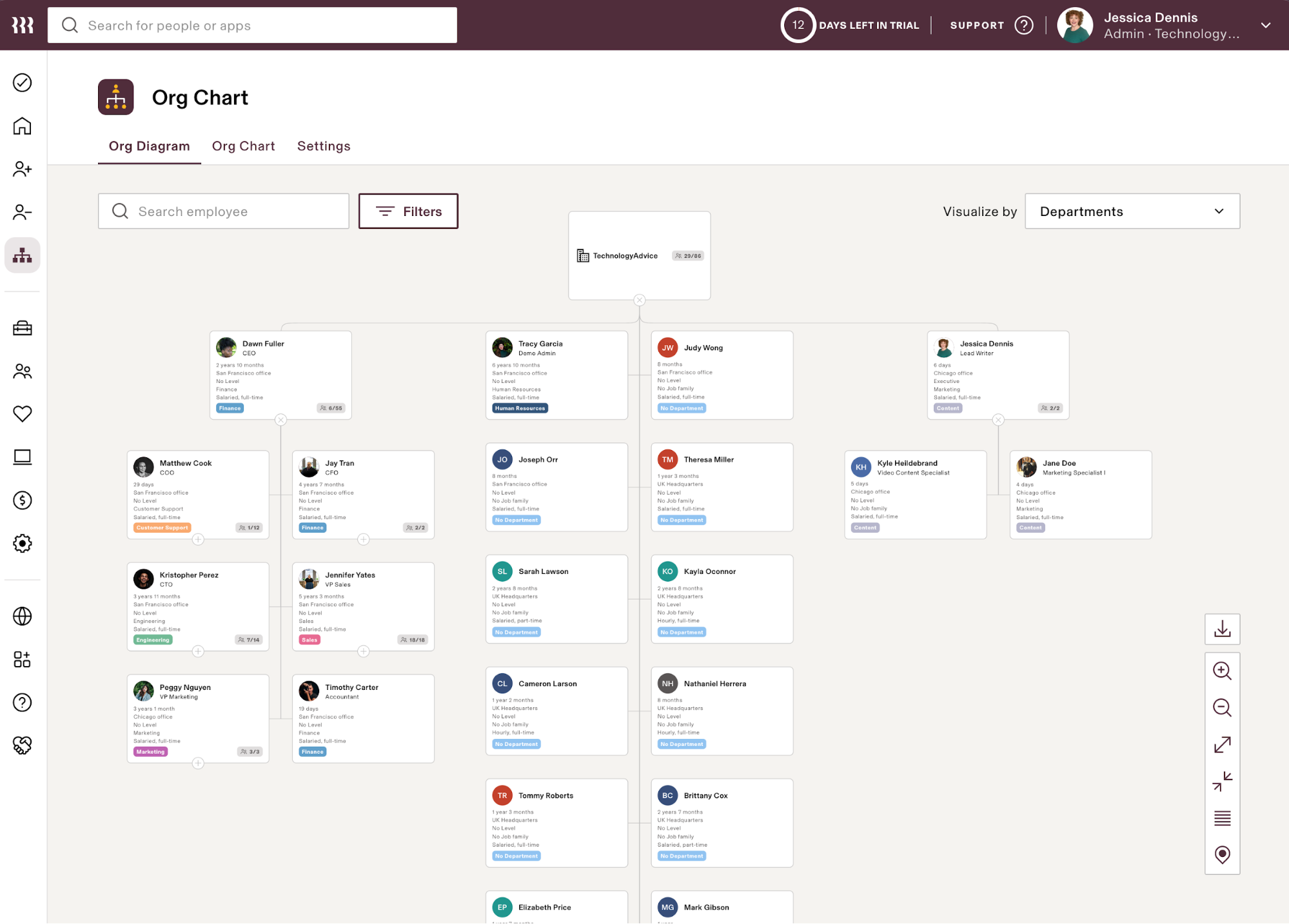
The sheer volume of data generated by HRIS platforms is immense. The leading systems are transforming this data into actionable intelligence through advanced analytics and predictive capabilities. This goes beyond basic reporting to provide deep insights into workforce trends, talent gaps, and potential risks. Predictive analytics can help organizations forecast future hiring needs, identify employees at risk of leaving, and understand the drivers of employee performance and engagement. This data-driven approach empowers HR leaders and executives to make more informed strategic decisions, optimize workforce planning, and mitigate potential challenges before they arise. The ability to visualize this data through intuitive dashboards and custom reports makes complex information accessible and drives greater understanding and buy-in from stakeholders across the organization.
In conclusion, the selection of the right HRIS system is a critical decision that can profoundly impact an organization’s efficiency, employee satisfaction, and overall strategic success. The top 5 HRIS systems discussed – Workday, SAP SuccessFactors, Oracle HCM Cloud, UKG Pro, and ADP Workforce Now – represent the pinnacle of current HR technology, each offering unique strengths that cater to diverse organizational needs. As the HR landscape continues to evolve with advancements in AI, automation, and a heightened focus on employee experience, these leading platforms are poised to remain at the forefront, empowering businesses to navigate the complexities of human capital management with intelligence and agility.
aViewFromTheCave is a participant in the Amazon Services LLC Associates Program, an affiliate advertising program designed to provide a means for sites to earn advertising fees by advertising and linking to Amazon.com. Amazon, the Amazon logo, AmazonSupply, and the AmazonSupply logo are trademarks of Amazon.com, Inc. or its affiliates. As an Amazon Associate we earn affiliate commissions from qualifying purchases.