
Investing in Apple Inc. is often considered a rite of passage for many retail and institutional investors. As one of the most valuable companies in the world, Apple has transformed from a niche computer manufacturer into a global powerhouse that dominates the technology, services, and consumer electronics landscapes. When people ask “what are the stocks for Apple,” they are generally referring to the company’s primary equity listing—AAPL—but the answer also extends to how this stock fits into broader financial instruments like Exchange-Traded Funds (ETFs), index funds, and the wider market ecosystem.
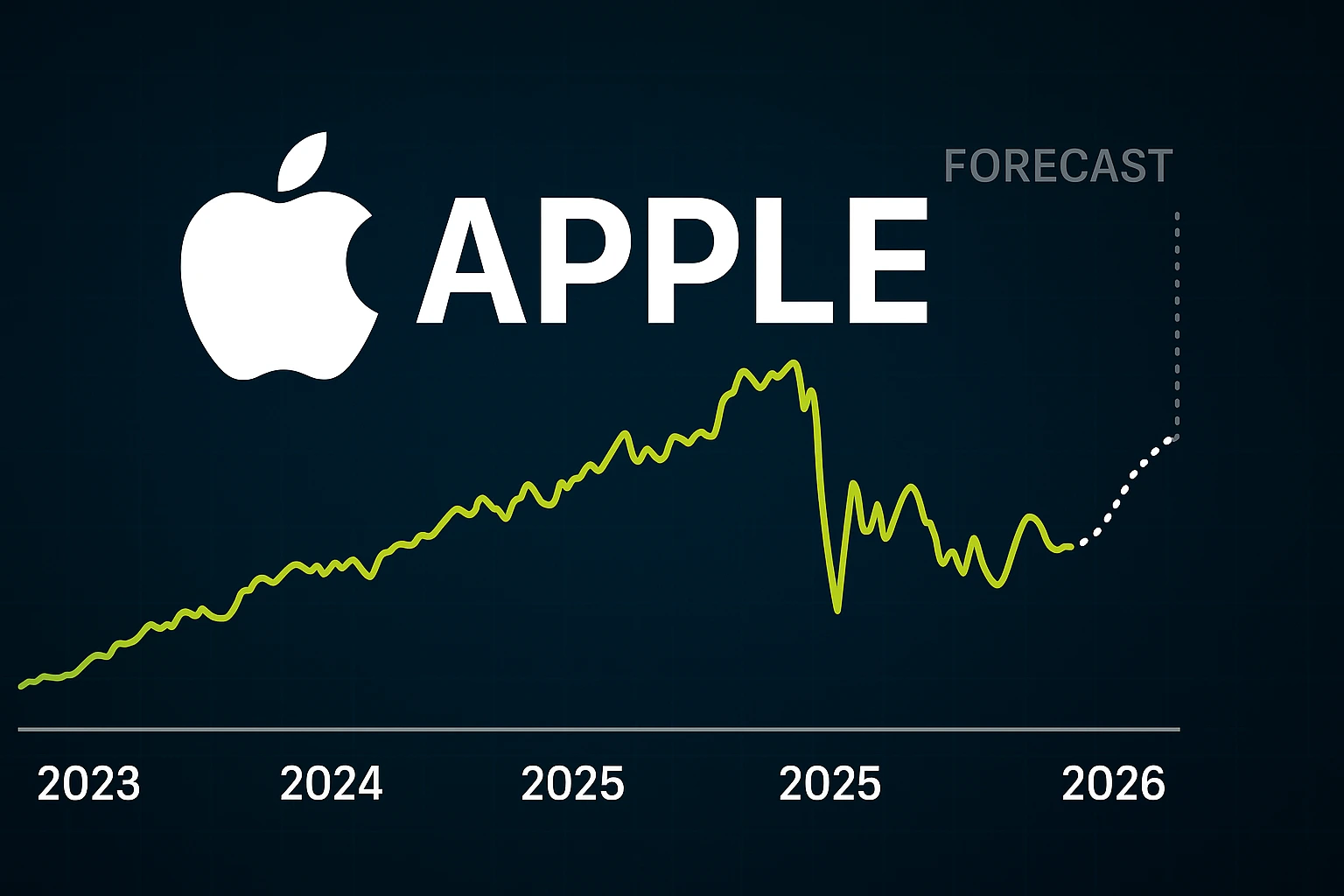
Understanding Apple’s stock requires more than just knowing its ticker symbol. It involves a deep dive into the company’s financial health, its revenue segments, and the strategic role it plays in a diversified investment portfolio. For those looking to build wealth through the stock market, Apple represents a unique blend of growth and stability.
The Anatomy of AAPL: Understanding the Primary Ticker
The primary way to own a piece of Apple is through its common stock, traded on the NASDAQ Global Select Market under the ticker symbol AAPL. Apple went public on December 12, 1980, at $22 per share. Since then, the stock has undergone multiple splits—most notably a 7-for-1 split in 2014 and a 4-for-1 split in 2020—to keep the share price accessible to a broader range of investors.
Market Capitalization and Index Significance
Apple is a “mega-cap” stock, consistently hovering at or above a $3 trillion market capitalization. This scale makes it a cornerstone of the global financial markets. Because most major indices are market-cap weighted, Apple holds a massive influence over the direction of the S&P 500 and the Nasdaq-100. If you own an S&P 500 index fund, you already own a significant portion of Apple stock. For every dollar invested in a standard S&P 500 fund, several cents go directly toward Apple, making it one of the most widely held assets in the world.
Shareholder Structure and Dividends
While Apple was once a pure growth play, it has matured into a hybrid of growth and value. The company began paying a quarterly dividend again in 2012, appealing to income-seeking investors. Furthermore, Apple is famous for its aggressive share repurchase programs. By buying back its own stock, the company reduces the total number of shares outstanding, which theoretically increases the value of the remaining shares. For the “Money” oriented investor, this buyback strategy is a crucial component of total shareholder return, often regarded as a more tax-efficient way to return capital to investors than dividends alone.
Analyzing Apple’s Financial Health and Revenue Drivers
To understand if AAPL is the right stock for your portfolio, you must look at where the money comes from. Apple’s financial strength is built on a “moat”—a competitive advantage that protects its market share and profit margins.
The iPhone: The Perpetual Engine
Despite the company’s diversification, the iPhone remains the primary revenue driver. It accounts for roughly half of Apple’s total net sales. From an investment perspective, the iPhone isn’t just a phone; it is the gateway to the Apple ecosystem. The recurring nature of hardware upgrades provides a predictable cash flow that few other companies can match. Investors track “iPhone cycles” closely, as the success of each new iteration directly impacts the stock’s quarterly performance.
The Services Pivot
In recent years, the “Money” story for Apple has shifted toward its Services segment. This includes the App Store, iCloud, Apple Music, Apple Pay, and Apple TV+. The beauty of the Services segment lies in its high margins. While hardware manufacturing involves significant costs and supply chain risks, services offer recurring revenue with much lower overhead. For investors, this shift represents a move toward a software-as-a-service (SaaS) model, which typically commands higher price-to-earnings (P/E) multiples in the stock market.
Wearables and Home Accessories
Apple’s “Wearables, Home, and Accessories” category—including the Apple Watch and AirPods—has grown into a business the size of a Fortune 500 company on its own. This segment demonstrates Apple’s ability to move into new categories and achieve instant market leadership, providing further layers of revenue that insulate the stock from a downturn in any single product line.
Indirect Exposure: ETFs and Mutual Funds Containing Apple
For many investors, buying individual shares of AAPL might feel like putting too many eggs in one basket. Fortunately, because Apple is a market leader, there are numerous “stocks for Apple” in the form of diversified funds.
Technology-Focused ETFs
If you want to invest in Apple while also gaining exposure to the broader tech sector, ETFs like the Invesco QQQ Trust (QQQ) or the Technology Select Sector SPDR Fund (XLK) are popular choices. In the XLK, for instance, Apple often comprises over 20% of the total fund weight. This allows investors to benefit from Apple’s growth while also holding stakes in competitors and complementary companies like Microsoft and NVIDIA.
Broad Market Index Funds
As mentioned previously, Apple is a dominant force in the S&P 500 (VOO or SPY). For the conservative investor who prioritizes long-term wealth over short-term speculation, an S&P 500 index fund provides “Apple exposure” with the safety net of 499 other companies. This is often the recommended path for retirement accounts like 401(k)s or IRAs, where the goal is steady, compounded growth.
Growth vs. Value Funds
Apple sits in a unique position where it is included in both growth and value-oriented funds. Because of its massive cash reserves and consistent earnings, it is seen as a “safe haven” during market volatility. Conversely, because of its continuous innovation in AI and spatial computing, it remains a staple in growth-focused portfolios.
Strategic Considerations for the Modern Investor
Deciding to buy Apple stock is only the first step; the second is determining how and when to integrate it into your financial plan.
Valuation Metrics: P/E and Free Cash Flow
Investors should look at the Price-to-Earnings (P/E) ratio to determine if the stock is overvalued or undervalued relative to its history. Historically, Apple traded at a lower multiple than its tech peers, but that has changed as the market began to value its service revenue more highly. Another critical metric is Free Cash Flow (FCF). Apple generates tens of billions of dollars in FCF every year, giving it the “dry powder” needed to acquire smaller companies, invest in research and development, or weather economic downturns.
Dollar-Cost Averaging (DCA)
Given the volatility of the tech sector, many financial advisors recommend Dollar-Cost Averaging for Apple stock. Instead of buying a large lump sum, an investor might buy a set dollar amount of AAPL every month. This strategy mitigates the risk of buying at a “market top” and lowers the average cost per share over time.
The Role of Artificial Intelligence (AI)
The future of Apple’s stock price is increasingly tied to its ability to monetize AI. As the company integrates “Apple Intelligence” across its device lineup, investors are watching to see if this will trigger a massive “super-cycle” of device upgrades. From a business finance perspective, the integration of proprietary AI models into the hardware-software ecosystem could create a new tier of high-margin subscription services.
Navigating Risks and the Future Value Proposition
No investment is without risk, and Apple is no exception. To maintain a professional and balanced financial outlook, one must consider the headwinds that could impact the stock.
Regulatory and Antitrust Pressures
Apple faces ongoing scrutiny from regulators in the United States and the European Union. Issues surrounding App Store fees, “walled garden” ecosystems, and competitive practices pose a threat to the company’s profit margins. Any legal ruling that forces Apple to open its ecosystem could dilute the “moat” that investors value so highly.
Supply Chain and Geopolitical Risks
A significant portion of Apple’s manufacturing is concentrated in Asia. Geopolitical tensions or supply chain disruptions can have an immediate and adverse effect on stock performance. Savvy investors keep a close eye on the company’s efforts to diversify its manufacturing base to countries like India and Vietnam as a way to de-risk the investment.
Market Saturation
The smartphone market in developed nations is largely saturated. For Apple to continue its upward trajectory, it must find new avenues for growth—whether that is through the Vision Pro and spatial computing, expansion into fintech with Apple Card, or breaking further into health-tech. If the company fails to innovate, the stock could transition from a “growth” darling to a “stagnant” legacy giant.
In conclusion, when searching for “what are the stocks for Apple,” the answer lies in the ticker AAPL, but the strategy lies in understanding the company’s multifaceted revenue streams and its dominant position in the global economy. Whether you choose to hold Apple directly or through a diversified ETF, it remains one of the most critical assets in the modern financial landscape. By focusing on fundamental metrics, understanding the shift toward high-margin services, and staying mindful of regulatory risks, investors can make informed decisions about how Apple fits into their journey toward financial independence.
aViewFromTheCave is a participant in the Amazon Services LLC Associates Program, an affiliate advertising program designed to provide a means for sites to earn advertising fees by advertising and linking to Amazon.com. Amazon, the Amazon logo, AmazonSupply, and the AmazonSupply logo are trademarks of Amazon.com, Inc. or its affiliates. As an Amazon Associate we earn affiliate commissions from qualifying purchases.