
In an era increasingly defined by digital transformation, the role of a security officer has evolved dramatically from that of a mere gatekeeper to a vital component of an organization’s holistic security posture. While the image of a security guard might still conjure visions of patrolling premises and monitoring physical access, the reality is far more complex and deeply intertwined with technology and digital security. Today’s security officers are at the forefront of protecting not only physical assets but also the critical infrastructure that underpins digital operations, data integrity, and the very technological backbone of modern enterprises. They are the human interface with sophisticated security systems, the first line of defense against both physical and cyber threats, and essential contributors to maintaining a secure, resilient technological environment.

The Evolving Landscape of Security: Beyond Physical Presence
The rapid advancement of technology has fundamentally reshaped the security landscape. Organizations now face a blended threat environment where physical breaches can directly impact digital assets, and cyberattacks can have tangible physical consequences. Security officers operate within this dynamic ecosystem, requiring a sophisticated understanding of how their physical presence and actions contribute to an overarching digital security strategy.
Integrating Physical and Digital Security Layers
The traditional divide between physical and digital security is increasingly blurred. Modern security officers are often tasked with protecting access points to servers, data centers, critical network infrastructure, and other technology-sensitive areas. A physical intrusion into a server room, for instance, can be just as catastrophic as a sophisticated cyberattack, leading to data breaches, system outages, or intellectual property theft. Therefore, a primary responsibility of security officers is to act as a crucial link in the chain of command that integrates physical security measures with digital defense strategies. They ensure that physical vulnerabilities are not exploited to compromise digital assets, thereby acting as a critical safeguard for an organization’s technological resilience.
Technology as an Enabler and a Challenge
Technology serves as both a powerful enabler for security officers and a source of new challenges they must address. Modern security personnel extensively utilize advanced technology such as high-definition CCTV systems, integrated access control platforms (including biometrics and smart card readers), drone surveillance, and sophisticated communication systems. Proficiency in operating and interpreting data from these tools is paramount. Simultaneously, security officers must be aware of and prepared to counter technologically advanced threats. This includes recognizing sophisticated intrusion tools, countering drone surveillance, identifying signs of electronic eavesdropping, and understanding how physical security weaknesses could be exploited through technological means. This necessitates a foundational level of digital literacy and an understanding of evolving tech-driven threats.
Core Operational Responsibilities in a Tech-Driven Environment
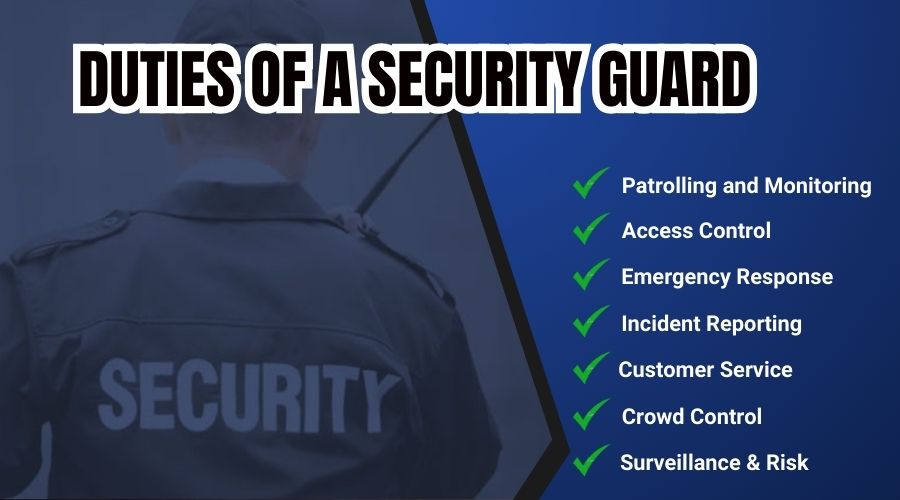
The day-to-day responsibilities of a security officer are heavily influenced by the technological environment they operate within. These duties are designed to protect both the physical and digital facets of an organization, ensuring operational continuity and data integrity.
Access Control and Surveillance System Management
One of the most visible and critical responsibilities is the management of access control and surveillance systems. Security officers are no longer just checking IDs; they are interacting with sophisticated electronic access control systems that might involve biometric scanners, facial recognition, RFID technology, and smart card readers. They must be proficient in programming, monitoring, and troubleshooting these systems, ensuring that only authorized personnel gain entry to restricted areas, especially those housing critical technological infrastructure. Furthermore, monitoring CCTV feeds, often enhanced with AI for anomaly detection and suspicious activity flagging, requires keen observational skills combined with an understanding of how to operate and react to alerts generated by these advanced platforms. Their ability to quickly analyze and respond to these system outputs is vital for preventing physical and, by extension, digital compromises.
Incident Response and Threat Mitigation
Security officers are often the first responders to any security breach, whether it’s a physical intrusion or an incident that impacts critical tech infrastructure. Their responsibilities include immediate assessment, containment, and reporting of such incidents. This might involve responding to alarms in data centers, investigating unauthorized access attempts to server rooms, or addressing equipment sabotage. In such scenarios, they follow established protocols, which often include notifying IT and cybersecurity teams, securing the scene, gathering initial evidence, and documenting the incident meticulously using digital reporting tools. Their swift and coordinated action can be crucial in mitigating potential damage, whether it be data loss, service disruption, or intellectual property theft.
Patrols, Reporting, and Risk Assessment
While patrols might seem a traditional duty, in a tech-driven environment, their focus broadens considerably. Security officers conduct patrols with an acute awareness of protecting technological assets. This involves identifying physical vulnerabilities that could be exploited digitally, such as exposed network cables, unsecured servers, unauthorized devices connected to the network, or improperly stored sensitive equipment. Detailed and accurate reporting is paramount, and this is increasingly done through digital security management software, enabling real-time incident logging, trend analysis, and seamless communication with other departments. Beyond reactive duties, security officers contribute to proactive risk assessment by identifying physical weaknesses that could be exploited to compromise digital security, providing valuable insights to enhance the overall security posture.

Enhancing Enterprise Security Posture through Vigilance and Collaboration
The effectiveness of security officers in a modern organization is greatly amplified by their ability to collaborate and integrate their efforts with other departments, particularly those responsible for IT and cybersecurity.
Protecting Critical Infrastructure and Data Centers
The protection of critical infrastructure, especially data centers and network hubs, represents a specialized and paramount responsibility for security officers. These facilities are the nerve centers of digital operations, and their compromise can have widespread and devastating consequences. Security officers assigned to these areas have unique duties, including stringent access control, constant surveillance of internal and external perimeters, and ensuring the physical integrity of hardware. They might also monitor environmental controls for server rooms (temperature, humidity, power supply) and report anomalies that could affect equipment performance or data integrity. Preventing the theft of hardware, intellectual property, or the physical insertion of malicious devices into critical systems is a core duty that directly impacts an organization’s digital security.
Collaboration with IT and Cybersecurity Teams
A modern security officer acts as a crucial bridge between physical and cybersecurity teams. Effective collaboration is essential for a truly comprehensive security strategy. This involves sharing intelligence on suspicious activities observed on premises that could indicate an impending cyber threat, or physical vulnerabilities that could be exploited for digital access. They participate in joint security drills, incident response exercises, and security audits, ensuring that physical security protocols align with and support cybersecurity objectives. This interdepartmental synergy allows for a more unified and robust defense against the multifaceted threats facing organizations today.
Enforcing Digital Security Policies Physically
Security officers often have the responsibility of physically enforcing digital security policies. This might include ensuring employees adhere to “clean desk” policies to prevent unauthorized access to sensitive information or devices, proper disposal of classified documents and digital media, and preventing tailgating into secure areas where sensitive data or tech equipment is stored. They serve as a constant reminder to staff about the importance of security protocols relevant to both physical and digital assets, reinforcing a culture of vigilance and responsibility across the organization.
The Future of Security Officers: Adapting to Advanced Technology
The role of security officers will continue to evolve rapidly, driven by advancements in artificial intelligence, automation, and integrated security platforms.
AI, Automation, and Augmented Intelligence
The future security officer will increasingly work alongside and manage AI-powered surveillance systems, predictive analytics, and potentially even autonomous patrol robots or drones. AI will augment their intelligence by processing vast amounts of data, identifying patterns, and flagging anomalies more efficiently, allowing officers to focus on critical decision-making and response. The shift will be from purely reactive security to a more proactive and predictive approach, where potential threats are identified and mitigated before they fully materialize. This will necessitate continuous training in interacting with and managing these advanced automated security systems, transitioning their role to more of a security systems operator and analyst.
Continuous Learning and Specialization
Given the rapid pace of technological change, continuous learning and specialization will be imperative. Security officers will need ongoing training in new security technologies, a foundational understanding of cybersecurity principles, and evolving threat intelligence. Specialization will become more common, with officers focusing on areas such as critical infrastructure protection, data center security, corporate espionage prevention, or incident response coordination with IT teams. Developing strong analytical skills to interpret complex data from various security systems and make informed decisions will be a cornerstone of their professional development.
Conclusion
The primary responsibilities of security officers have expanded exponentially, reflecting the complexities of a world dominated by technology. Far from being mere guardians of the physical realm, they are indispensable components of an organization’s broader security ecosystem, deeply engaged in safeguarding technological infrastructure and contributing significantly to digital security. Their role demands not only vigilance and physical prowess but also technological literacy, analytical acumen, and the ability to collaborate seamlessly with IT and cybersecurity teams. As technology continues to advance, the strategic importance of security officers as the first line of defense, blending human intelligence with cutting-edge technology, will only grow, underscoring their critical contribution to the resilience and security of modern enterprises.
aViewFromTheCave is a participant in the Amazon Services LLC Associates Program, an affiliate advertising program designed to provide a means for sites to earn advertising fees by advertising and linking to Amazon.com. Amazon, the Amazon logo, AmazonSupply, and the AmazonSupply logo are trademarks of Amazon.com, Inc. or its affiliates. As an Amazon Associate we earn affiliate commissions from qualifying purchases.