
The numbers. Four, eight, fifteen, sixteen, twenty-three, forty-two. For fans of the groundbreaking television series LOST, this seemingly random sequence is far more than just a set of digits. It’s a potent symbol, a narrative linchpin, and a persistent enigma that fueled countless theories, discussions, and even a lasting legacy within the digital realm. While the show itself concluded years ago, the enduring fascination with these numbers speaks volumes about our collective engagement with complex narratives, the power of digital communication, and the technological infrastructure that has allowed these stories and their mysteries to permeate our lives. This exploration delves into the technological echoes of these numbers, from their initial digital dissemination to their continued presence in online discourse and fan communities.

The Digital Genesis of a Cryptic Sequence
The introduction of the numbers in LOST wasn’t merely a plot device; it was a catalyst for early digital engagement and theory-crafting. In the pre-social media dominance era, the internet was a burgeoning landscape for fans to connect and dissect complex narratives. The numbers provided a tangible, recurring element that fans could latch onto, analyze, and share across nascent online forums and message boards.
The Humble Beginnings of Online Fandom
Before the ubiquitous nature of platforms like Twitter and Reddit, fans congregated on Usenet groups, dedicated fan forums (like Lost-Ratings.com, which also served as a fan hub), and early blogging platforms. The numbers in LOST became a prime topic of discussion. Every mention, every context, was meticulously logged and debated. This was one of the earliest examples of large-scale, digitally mediated collaborative deduction. Fans weren’t just watching a show; they were actively participating in its unfolding mystery through the nascent digital tools available to them.
Early Data Aggregation and Theory Crafting
The raw data of the numbers themselves – their appearances, their associations with characters and events, their statistical anomalies – were meticulously gathered and shared. This pre-dated sophisticated data visualization tools, but the principle was the same: collect information, identify patterns, and formulate hypotheses. Fans created spreadsheets, wikis, and intricate web pages dedicated to tracking every instance of “4, 8, 15, 16, 23, 42.” This digital archiving and sharing of information laid the groundwork for how complex fandoms would later leverage technology to organize and analyze narrative elements.
The Power of the Unexplained in the Digital Age
In an era where information is often instant and readily available, the sustained mystery of the numbers in LOST represented a powerful counterpoint. The internet provided the perfect breeding ground for this sustained mystery. Unlike traditional media, where information could be controlled and disseminated at will, the internet allowed for a decentralization of knowledge and a rapid proliferation of ideas. The numbers, unexplained by the show’s creators for a significant period, became a fertile ground for fan-generated content, driving traffic to fan sites, fueling discussion threads, and demonstrating the power of a well-placed enigma in a digitally connected world.
The Numbers as Algorithmic Whispers and Digital Easter Eggs
The narrative arc of the numbers extended beyond their in-universe significance, becoming embedded within the very fabric of the show’s digital afterlife. They transcended being mere plot points to become motifs that were intentionally and unintentionally woven into the technological landscape surrounding LOST.
Deciphering the Sequence: From Show to Screen Capture

As the show progressed, the “discovery” of the numbers’ significance (their appearance as a lottery win, as a sequence to enter into a computer terminal, etc.) was itself a narrative beat that resonated with a tech-savvy audience. The act of viewers themselves needing to recall, track, and analyze these numbers mirrored the problem-solving often encountered in digital environments. Screen captures, fan-made wikis detailing their appearances, and even early attempts to create “number finders” became common digital artifacts.
The Numbers in Online Puzzles and Games
The mystique of the numbers was so potent that they transcended the show itself, appearing in various forms within the broader digital landscape. Online puzzles, ARG (Alternate Reality Game) elements that sometimes sprung up around the show, and even simple Easter eggs in other digital content began to incorporate the sequence. This demonstrated how a powerful narrative element, amplified by digital distribution, could become a form of cultural currency, recognizable and deployable in new, interactive contexts. The numbers became a shorthand for mystery, a nod to dedicated fans, and a testament to the show’s pervasive cultural impact.
Fan-Created Digital Content and Lore Expansion
The internet empowered fans to become creators, not just consumers. The numbers became a recurring theme in fan fiction, fan art, fan-made videos, and even original music inspired by the show. These digital creations, disseminated through platforms like YouTube, Tumblr, and DeviantArt, further cemented the numbers’ place in the LOST mythology. They served as a recognizable element that allowed fans to signal their belonging to the community and to contribute to the ever-expanding digital lore of the series. This iterative process of creation and dissemination, facilitated by technology, allowed the narrative to continue evolving long after the show’s finale.
The Persistent Echo: Numbers in the Digital Consciousness
Even years after LOST concluded, the numbers continue to resonate, not just as a cherished memory for fans, but as an example of how narrative can embed itself into our digital consciousness and influence how we interact with information and technology.
The Numbers as a Memetic Digital Artifact
The sequence “4, 8, 15, 16, 23, 42” has evolved into a powerful meme within internet culture. It’s often used humorously or as an inside joke among those who understand its origin. This memetic quality is intrinsically tied to its digital dissemination. Memes thrive on rapid sharing, replication, and adaptation across digital platforms, and the LOST numbers have proven remarkably resilient in this regard. Their appearance in unrelated contexts often serves as a digital wink, a shared understanding forged through years of online discussion and content creation.
The Legacy of Collaborative Online Investigation
LOST and its numbers can be seen as a precursor to more modern forms of collaborative online investigation, seen in everything from solving cybersecurity challenges to crowdsourcing scientific data. The show’s fandom demonstrated the power of collective intelligence, facilitated by digital tools, to tackle complex, open-ended problems. This collaborative spirit, fueled by the mystery of the numbers, foreshadowed the rise of platforms like Reddit, where vast communities now work together to unravel mysteries, share information, and generate insights on a daily basis.
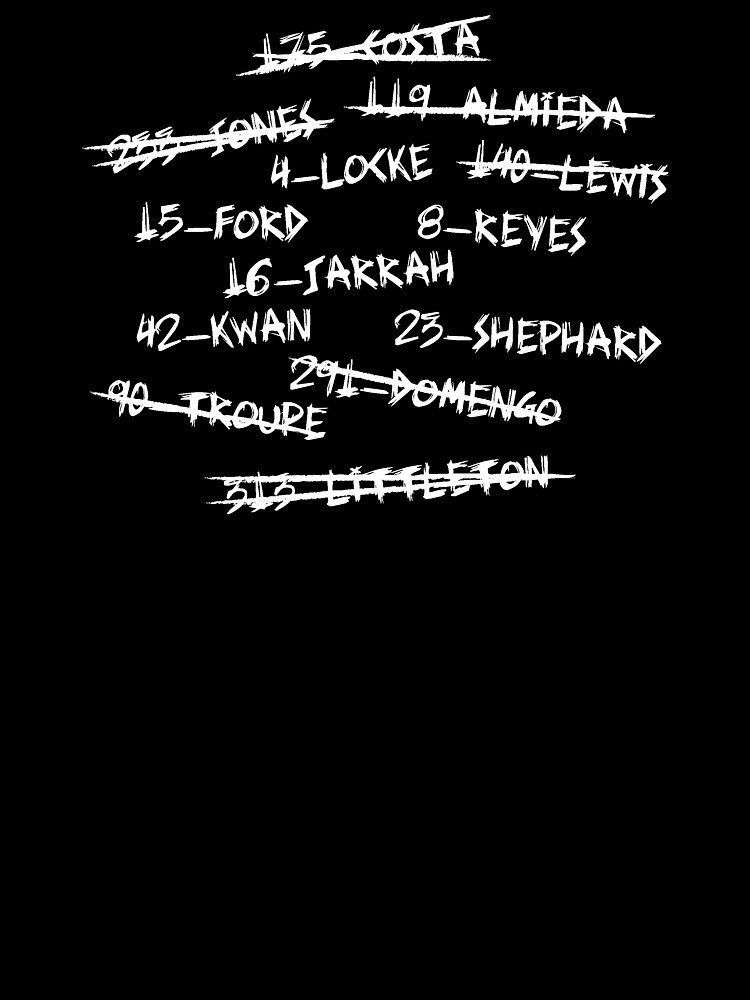
The Interplay of Narrative and Technology in Modern Storytelling
The enduring impact of the numbers in LOST highlights a fundamental shift in how narratives are consumed and experienced in the digital age. The show wasn’t just broadcast; it was dissected, debated, and reinterpreted through a multitude of digital channels. The numbers became a tangible touchstone for this ongoing engagement. As technology continues to evolve, so too will the ways in which stories are told, experienced, and remembered. The numbers from LOST serve as a potent reminder of the profound and lasting connection between compelling narratives and the technological infrastructure that allows them to thrive, adapt, and echo through our connected lives. They are more than just numbers; they are a testament to the digital age’s capacity to amplify mystery, foster community, and embed enduring symbols within our collective consciousness.
aViewFromTheCave is a participant in the Amazon Services LLC Associates Program, an affiliate advertising program designed to provide a means for sites to earn advertising fees by advertising and linking to Amazon.com. Amazon, the Amazon logo, AmazonSupply, and the AmazonSupply logo are trademarks of Amazon.com, Inc. or its affiliates. As an Amazon Associate we earn affiliate commissions from qualifying purchases.