
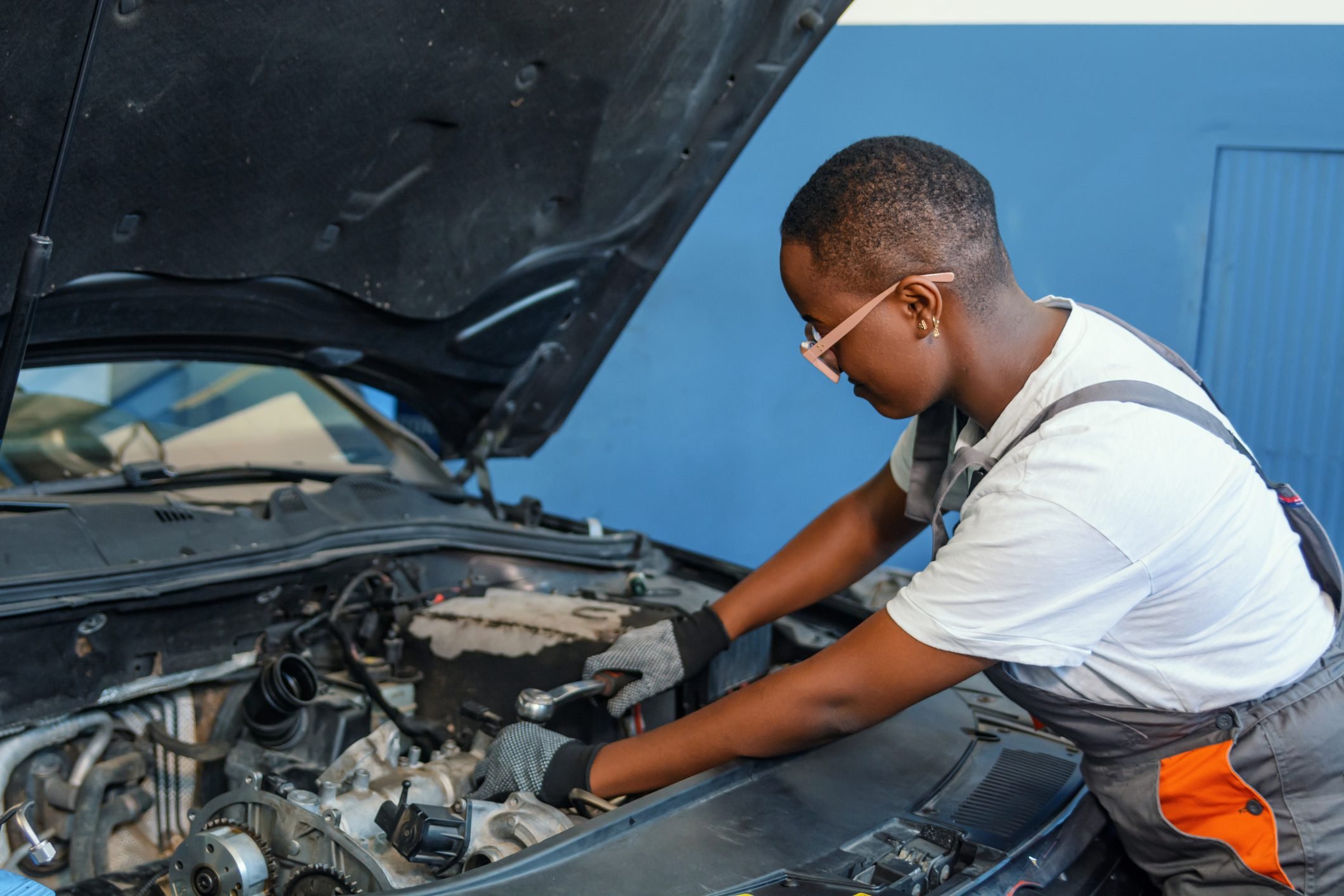
The automotive industry is currently undergoing its most significant transformation since the introduction of the assembly line. While “fixing a car” once implied greasy hands, heavy wrenches, and purely mechanical troubleshooting, the modern vehicle has evolved into a sophisticated mobile data center. Today’s automobiles are essentially high-performance computers on wheels, housing millions of lines of code and intricate networks of sensors. Consequently, the methodology for repairing these machines has shifted from the physical to the digital. To fix a car in the 21st century is to navigate a complex landscape of software diagnostics, Artificial Intelligence (AI), and advanced circuitry.
From Wrenches to Code: The Digitalization of the Modern Vehicle
The transition from mechanical systems to electronic control has fundamentally altered the DNA of automotive repair. In the past, a mechanic might listen to the rhythm of an engine to diagnose a misfire. Today, the first step is almost always plugging into the vehicle’s “brain.”
The Rise of On-Board Diagnostics (OBD-II) and Telematics
The cornerstone of modern automotive tech repair is the On-Board Diagnostics system, specifically the OBD-II standard. This interface allows technicians to access the vehicle’s internal communication network. However, we have moved far beyond simple “Check Engine” light codes. Modern telematics systems now transmit real-time data to the cloud, allowing manufacturers and tech-savvy owners to monitor vehicle health remotely. Fixing a car now begins with data interpretation—analyzing “freeze frame” data that captures the exact millisecond a sensor failed.
Software as a Service (SaaS) in the Garage
The tools of the trade have shifted from hardware to software subscriptions. Repair shops now rely on sophisticated SaaS platforms that provide wiring diagrams, component locations, and step-by-step calibration procedures. These platforms are updated in real-time, ensuring that a technician has the latest “patch” or technical service bulletin (TSB) from the manufacturer. Without these digital assets, physical repair is virtually impossible, as many mechanical components are now locked behind software gateways that require digital authorization to reset.
Leveraging Artificial Intelligence and Big Data for Predictive Maintenance
The most significant “tech” leap in fixing cars is the move from reactive repair to predictive maintenance. Through the application of AI and machine learning, we are entering an era where the car tells you it is broken before it actually fails.
AI-Powered Diagnostic Tools
Artificial Intelligence is now being integrated into diagnostic hardware to assist technicians in identifying rare or complex faults. By comparing a car’s sensor data against a global database of millions of similar vehicles, AI algorithms can identify patterns that a human eye might miss. For instance, if an oxygen sensor is reporting values within a “normal” range but is showing a specific micro-oscillation, AI can predict an impending catalytic converter failure weeks before it occurs. This level of precision minimizes “parts swapping” and ensures that the root cause of an issue is addressed immediately.
Digital Twins: Simulating Repairs Before They Happen
In the high-tech tier of automotive repair, the concept of the “Digital Twin” is gaining traction. A Digital Twin is a virtual replica of a physical vehicle, updated in real-time with data from its sensors. When a complex issue arises, technicians can run simulations on the digital twin to see how different repair strategies might affect the overall system. This prevents trial-and-error on the physical vehicle, which is particularly crucial for expensive, high-tech components like LIDAR sensors used in autonomous driving suites.
The Electric Revolution: Repairing High-Voltage Systems and Software-Defined Vehicles
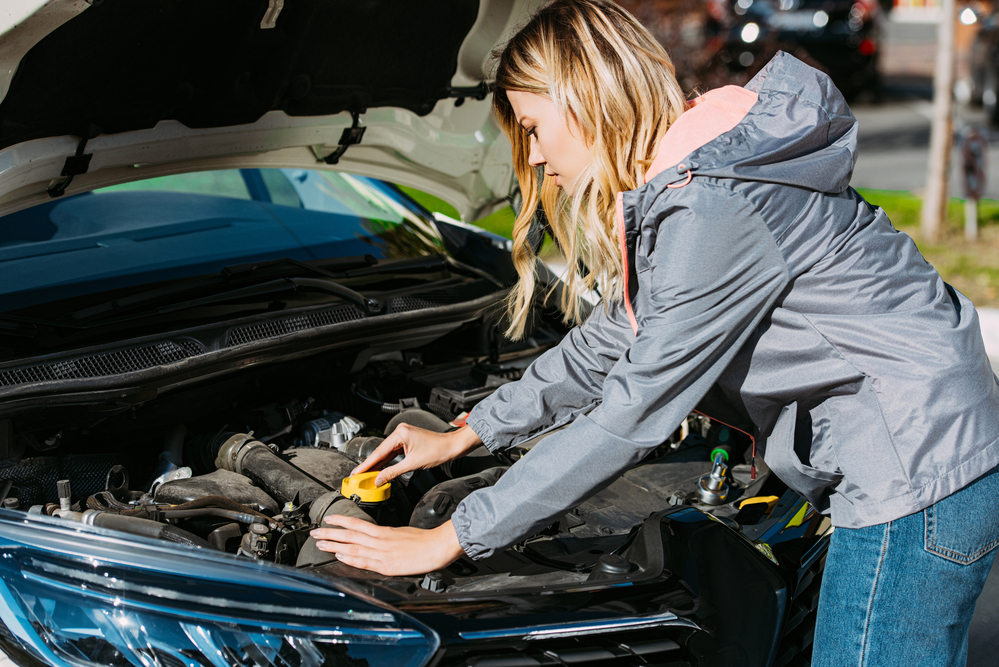
As internal combustion engines give way to Electric Vehicles (EVs), the skill set required to fix a car has pivoted toward high-voltage electronics and battery chemistry management.
The Battery Management System (BMS) Architecture
In an EV, the “engine” is replaced by a massive battery pack and an electric motor. Fixing an EV rarely involves replacing mechanical gears; instead, it involves diagnosing the Battery Management System (BMS). The BMS is a sophisticated array of hardware and software that monitors the voltage, temperature, and state of charge of every individual cell. Repairing these systems requires deep knowledge of thermal management software and the ability to interpret complex logic gates. Tech-focused repair now involves balancing cell voltages via software overrides rather than turning a bolt.
Thermal Management and Solid-State Sensors
Modern cars utilize advanced cooling systems not just for the engine, but for the batteries and onboard computers. These systems are managed by solid-state sensors and variable-speed electronic pumps. When a modern car “overheats,” the fix often lies in recalibrating the software that controls the thermal loops or replacing a faulty digital sensor. The integration of these systems means that a failure in the infotainment screen could, in some architectures, actually be a symptom of a cooling system software glitch, highlighting the interconnectedness of modern automotive tech.
Over-the-Air (OTA) Updates: The Ultimate “Fix”
Perhaps the most revolutionary change in the world of automotive technology is the ability to fix a car without ever touching it. This is made possible through Over-the-Air (OTA) updates, a technology borrowed from the smartphone industry.
Software Patches for Mechanical Performance
In many modern vehicles, particularly those from brands like Tesla, Rivian, and now legacy automakers like Ford and GM, mechanical performance can be altered via software. If a vehicle has a braking issue caused by a specific ABS (Anti-lock Braking System) calibration, the manufacturer can push a software patch to thousands of vehicles simultaneously. This “fix” happens while the owner is asleep in their bed. Understanding how these updates interact with the vehicle’s hardware is a critical component of modern automotive literacy.
Cybersecurity: Fixing Vulnerabilities
As cars become more connected, the definition of “fixing” a car now includes digital security. A modern car can be “broken” by a software bug or a cybersecurity vulnerability. Automotive technicians are increasingly dealing with “fixes” that involve updating firewalls or re-securing the vehicle’s Gateway Module to prevent unauthorized access. In this context, the mechanic’s role overlaps significantly with that of a cybersecurity analyst, ensuring that the vehicle’s “Digital Shield” is intact.
Augmented Reality and Remote Assistance: The Future of Hands-On Repair
Even when a repair requires physical intervention, technology is changing how that work is performed. Augmented Reality (AR) is bridging the gap between digital theory and physical practice.
AR Overlays for Precision Maintenance
Imagine wearing a pair of smart glasses while looking at a complex engine bay or a high-voltage battery array. Through AR, the “fix” is projected directly onto the technician’s field of vision. High-voltage wires might be highlighted in red, and the specific sequence for disassembly can be animated in real-time over the physical components. This technology reduces human error and allows technicians to work on highly specialized systems they may not have encountered before, guided by digital overlays that pull data from the manufacturer’s technical cloud.
Remote Expertise and Collaborative Repair
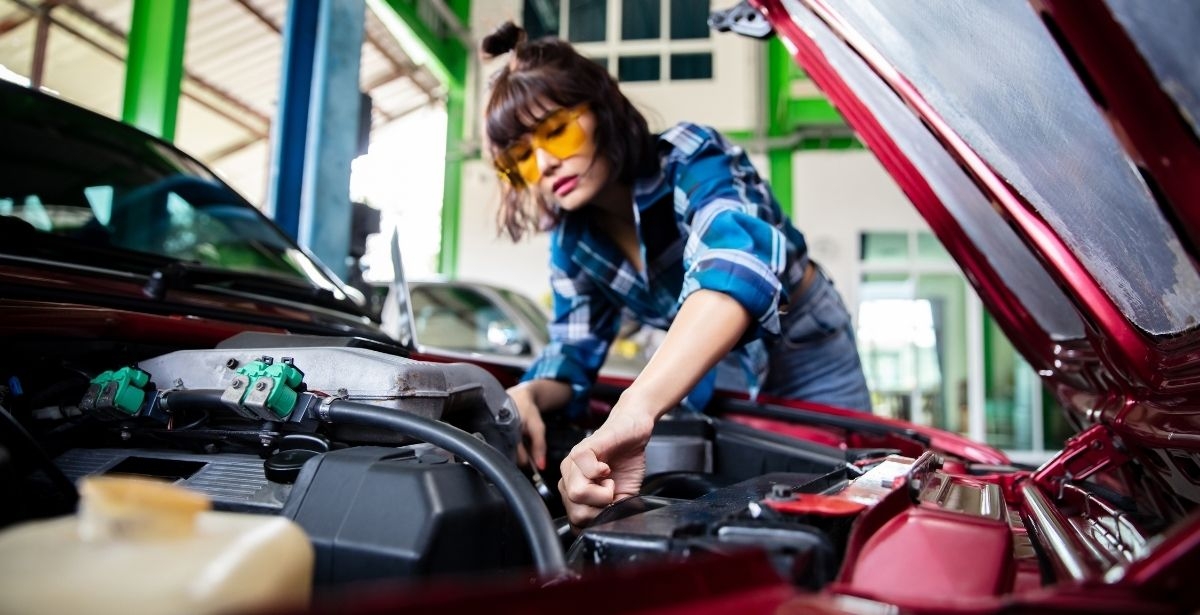
Digital connectivity allows a local technician to collaborate with a master engineer located thousands of miles away. Through high-definition cameras and real-time data streaming, the remote expert can “see” what the local tech sees and provide instant guidance. This “Tele-repair” model is becoming essential as vehicle technology becomes too specialized for any single individual to master. Fixing a car has become a collaborative effort powered by high-speed internet and cloud computing.
In conclusion, “how to fix a car” is no longer a question of mechanical aptitude alone. It is a discipline that requires a deep understanding of software architecture, data analysis, and electronic systems. As we move toward a future of autonomous, electric, and fully connected vehicles, the toolbox of the future will be filled not with iron and steel, but with algorithms, sensors, and code. For the modern consumer and technician alike, staying ahead of these technological trends is the only way to keep the wheels of the future turning.
aViewFromTheCave is a participant in the Amazon Services LLC Associates Program, an affiliate advertising program designed to provide a means for sites to earn advertising fees by advertising and linking to Amazon.com. Amazon, the Amazon logo, AmazonSupply, and the AmazonSupply logo are trademarks of Amazon.com, Inc. or its affiliates. As an Amazon Associate we earn affiliate commissions from qualifying purchases.