
The landscape of purchasing a used car has undergone a profound digital transformation over the past two decades. What was once a process dominated by physical dealerships and newspaper classifieds has evolved into a sophisticated online experience, driven by technological innovation. Today, the “best websites for used cars” are not just simple listing platforms; they are advanced digital ecosystems leveraging algorithms, data analytics, user experience design, and robust infrastructure to connect buyers with sellers efficiently and transparently. For the tech-savvy consumer, understanding the technological underpinnings and feature sets of these platforms is crucial to navigating the market and securing an ideal vehicle.
The Digital Revolution of Used Car Marketplaces
The internet has fundamentally reshaped nearly every industry, and automotive retail is no exception. The shift from brick-and-mortar reliance to digital-first engagement has been particularly impactful in the used car sector, where inventory variability and information asymmetry once created significant hurdles for buyers.
Shifting Consumer Behaviors and Online Reliance
Modern consumers are accustomed to instant access to information, personalized experiences, and streamlined transactions across all facets of their lives. This expectation has naturally extended to major purchases like automobiles. Instead of driving from lot to lot, buyers now begin their journey online, researching models, comparing prices, and scrutinizing vehicle histories from the comfort of their homes. This reliance on digital channels has spurred intense competition among online platforms, driving them to innovate constantly in areas such as search functionality, data presentation, and digital transaction capabilities. The websites that have risen to prominence are those that best anticipate and fulfill these evolving digital demands, offering not just listings, but comprehensive digital tools.
The Core Value Proposition of Digital Platforms
At its heart, the value of a top-tier used car website lies in its ability to aggregate vast amounts of data and present it in an accessible, actionable format. These platforms serve as sophisticated digital intermediaries, drastically reducing geographical barriers and expanding selection. They provide a standardized interface for highly fragmented information—everything from vehicle specifications and mileage to pricing comparisons and dealer reviews. This aggregation and standardization, powered by complex backend systems, empower buyers with unprecedented transparency and control, turning what was once an opaque process into a data-rich, user-centric journey.
Essential Technological Features for a Superior User Experience
The true differentiator among used car websites lies in the sophistication and utility of their technological features. Beyond mere listings, the best platforms leverage cutting-edge tech to enhance every stage of the buying process.
Advanced Search and Filtering Algorithms
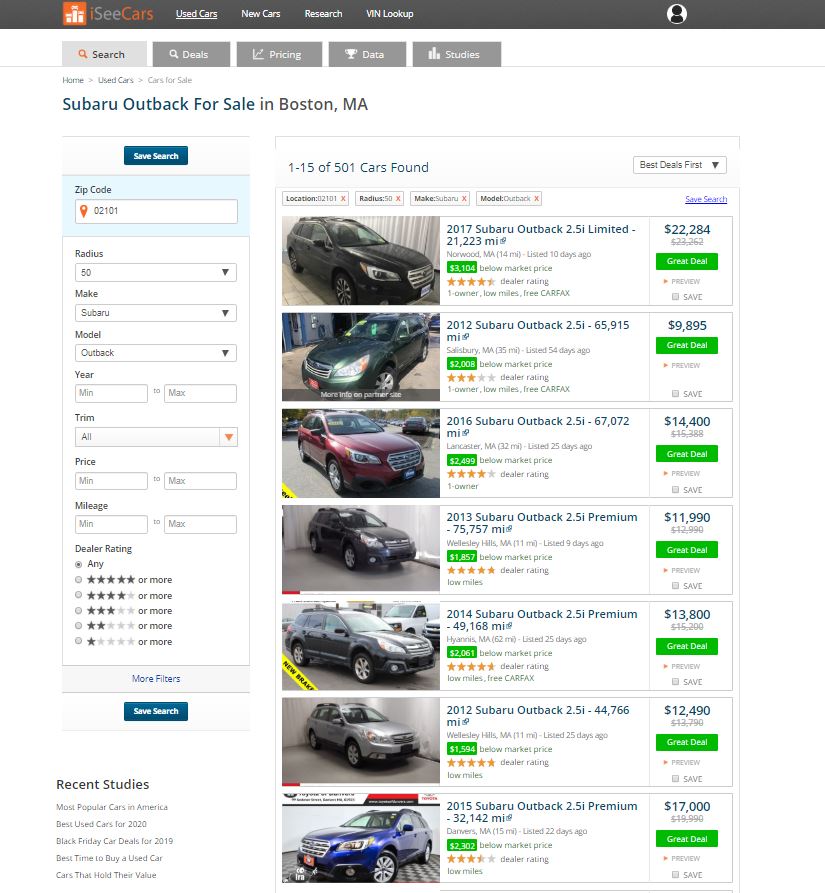
A sprawling database of used cars is only useful if a buyer can efficiently navigate it to find what they need. Top websites employ highly advanced search and filtering algorithms that go far beyond basic make and model. Users can refine searches by an extensive array of criteria, including specific trim levels, optional features (e.g., heated seats, panoramic sunroof), transmission types, fuel efficiency, safety ratings, and even specific color preferences. These algorithms dynamically adjust results and provide relevant suggestions, often utilizing machine learning to predict user intent based on past searches and browsing behavior, thus significantly streamlining the discovery phase.
High-Quality Visuals and Interactive 360-Degree Views
In a digital environment, visual representation is paramount. Leading platforms invest heavily in technology to provide high-resolution images, often with detailed close-ups of interiors and exteriors. More impressively, many now offer interactive 360-degree interior and exterior views, powered by sophisticated imaging software and webgl technology. Some even integrate video walkarounds. This technology allows potential buyers to virtually inspect a vehicle from every angle, identifying potential flaws or appreciating unique features, thereby bridging the gap between online browsing and physical inspection.
Data-Driven Pricing Tools and Market Insights
One of the most valuable tech features for buyers is access to data-driven pricing tools. Websites like CarGurus have pioneered algorithms that analyze millions of listings, market trends, and historical sales data to determine whether a car is priced fairly, categorized as a “good deal” or “great deal.” This involves complex econometric models and real-time data feeds. Other platforms provide detailed market value reports, depreciation calculators, and comparisons against similar vehicles, all generated by sophisticated data analytics engines. These tools empower buyers with objective financial insights, moving beyond subjective pricing and enabling more informed negotiation.
Seamless Mobile Experience and App Integration
Given the ubiquity of smartphones, a seamless mobile experience is no longer a luxury but a necessity. The best used car websites offer highly optimized mobile sites and dedicated native applications for iOS and Android. These apps typically leverage device-specific features such as GPS for location-based searches, push notifications for new listings, and biometric authentication for secure account access. The user interface (UI) and user experience (UX) design are critical, ensuring intuitive navigation, fast loading times, and full functionality on smaller screens, reflecting a deep understanding of mobile-first design principles.
Top Contenders: A Tech-Focused Review of Leading Platforms
Different platforms excel in various technological aspects, catering to diverse buyer preferences. Here’s a tech-centric look at some of the leaders.
AutoTrader: The Veteran’s Digital Evolution
As one of the longest-standing names in automotive classifieds, AutoTrader has successfully transitioned from print to a comprehensive digital platform. Its strength lies in its vast, highly structured database of listings, bolstered by robust search algorithms capable of handling millions of unique data points. Its technological evolution includes integrating dealer review systems, advanced lead generation tools for sellers, and a continuously refined mobile app that mirrors its desktop functionality. The platform’s tech infrastructure handles immense traffic, offering reliable performance even during peak demand, a testament to its scalable architecture.
CarGurus: Leveraging Data for Transparent Deals
CarGurus carved its niche by prioritizing pricing transparency through data analytics. Its proprietary “Instant Market Value” (IMV) algorithm is its technological cornerstone, analyzing millions of data points hourly to rate deals from “Great” to “Overpriced.” This algorithm factors in vehicle attributes, historical sales data, and dealer reputation to provide an objective assessment. Their platform’s success is a direct result of superior data science and intuitive presentation of complex market data, effectively democratizing pricing insights for the average consumer.

CarMax: Streamlined E-commerce and Integrated Logistics
CarMax stands out for its integrated online-to-offline retail model. Technologically, their website supports a sophisticated e-commerce platform allowing users to browse, finance, and even purchase vehicles entirely online, then arrange for pickup or home delivery. This requires complex inventory management systems, secure payment gateways, and logistics optimization software to manage vehicle transfers across their extensive network of physical stores. Their tech focuses on reducing friction in the end-to-end purchasing journey, offering a streamlined, almost Amazon-like experience for car buying.
Vroom/Carvana: The End-to-End Online Retail Model
Vroom and Carvana represent the pinnacle of fully digital used car retail. Their platforms are built from the ground up for online transactions, featuring virtual vehicle tours, automated financing applications, and direct-to-consumer delivery services. Carvana’s “car vending machines” are a physical manifestation of their advanced logistics and inventory automation technology. Their core innovation lies in completely digitizing every touchpoint, from vehicle acquisition and reconditioning processes (often tracked via internal proprietary software) to secure electronic document signing and last-mile delivery coordination, all managed through interconnected digital systems.
Facebook Marketplace/Craigslist: P2P Tech in Action
While not purpose-built for car sales, these platforms represent the power of peer-to-peer (P2P) technology for used car transactions. Facebook Marketplace leverages the social network’s robust user profiles and integrated messaging system, providing a familiar and accessible interface for local listings. Craigslist, though visually basic, pioneered simple listing technology and direct communication. Their tech is less about advanced features and more about facilitating direct connection with minimal intermediaries, relying on the inherent network effects of their user base. While they lack the sophisticated filtering and data analysis of specialized sites, their simplicity and reach make them powerful tools for direct buyer-seller interaction.
Innovating Beyond the Listing: Emerging Tech in Used Car Buying
The evolution of used car websites isn’t static. New technologies are continuously being integrated to further enhance the buying experience, promising even more convenience and transparency.
AI-Powered Recommendations and Personalization
Artificial intelligence (AI) is increasingly being leveraged to offer highly personalized recommendations. Beyond basic filtering, AI algorithms can analyze a user’s browsing history, saved vehicles, and even demographic data to suggest vehicles they haven’t explicitly searched for but are likely to be interested in. This personalization extends to finance offers, warranty suggestions, and even maintenance schedules, creating a truly bespoke shopping experience.
Virtual Reality (VR) and Augmented Reality (AR) Showrooms
Imagine “test driving” a car without leaving your home. VR and AR technologies are on the horizon, promising immersive virtual showrooms. VR could allow a buyer to sit inside a 3D model of a car, exploring every detail as if they were physically there. AR, accessible via smartphones, could project a chosen car into your driveway, allowing you to visualize its size and appearance in a real-world context before committing to a physical viewing. These technologies aim to overcome the limitations of 2D images and videos, offering a richer, more engaging pre-purchase experience.
Blockchain for Transparent Vehicle Histories
Blockchain technology offers a revolutionary solution for ensuring tamper-proof vehicle histories. By recording every significant event—such as ownership transfers, maintenance records, and accident reports—on a distributed, immutable ledger, blockchain can provide unparalleled transparency and trust regarding a car’s past. This eliminates concerns about odometer fraud or undisclosed damage, offering buyers verifiable provenance data directly from the vehicle’s digital footprint.
Enhanced Digital Security and Fraud Prevention
As transactions become fully digital, robust cybersecurity measures are paramount. Leading platforms are investing in advanced encryption protocols, multi-factor authentication, and AI-driven fraud detection systems to protect user data and financial transactions. This includes secure messaging systems to prevent phishing, robust identity verification processes, and secure payment gateways, all designed to build and maintain trust in the online buying environment.
Maximizing Your Digital Journey: Tips for Tech-Savvy Buyers
Navigating the vast digital landscape of used car websites requires a strategic approach to fully leverage the available technology.
Utilizing Multi-Platform Search Strategies
No single website holds every listing or offers every feature. A tech-savvy buyer understands the value of a multi-platform approach. Begin with a broad search on a comprehensive aggregator like AutoTrader or CarGurus to get a market overview. Then, delve into specialized platforms like CarMax, Vroom, or Carvana for specific types of vehicles or if you prioritize an entirely online transaction. Don’t forget P2P sites like Facebook Marketplace for local deals, though with added caution. Comparing listings across multiple sites provides the most complete picture and helps validate pricing and availability.
Interpreting Data-Driven Insights Effectively
The “best deal” isn’t always the cheapest price. Learn to interpret the data presented by platforms. Understand what CarGurus’ “Good Deal” rating truly means in terms of market comparison. Use pricing guides from Edmunds or Kelley Blue Book to cross-reference platform-specific valuations. Leverage historical data where available to understand depreciation trends. By critically analyzing the data, you move beyond surface-level prices to make truly informed decisions based on comprehensive market intelligence.

Prioritizing Mobile and App-Based Functionality
Given that much of the car buying journey is conducted on the go, prioritize websites with excellent mobile optimization and feature-rich native apps. These provide convenience for quick checks, instant notifications on price drops or new listings, and often offer unique in-app features like VIN scanners or integrated communication tools. A smooth mobile experience ensures you can react quickly in a fast-moving market and conduct research anytime, anywhere.
In conclusion, the best websites for used cars are those that expertly harness technology to simplify a complex purchase. They move beyond mere listings to become intelligent tools, offering advanced search, data-driven insights, immersive visuals, and seamless digital transactions. For any buyer venturing into the used car market today, understanding and utilizing these technological advancements is not just an advantage—it’s an essential skill for making a truly informed and confident purchase.
aViewFromTheCave is a participant in the Amazon Services LLC Associates Program, an affiliate advertising program designed to provide a means for sites to earn advertising fees by advertising and linking to Amazon.com. Amazon, the Amazon logo, AmazonSupply, and the AmazonSupply logo are trademarks of Amazon.com, Inc. or its affiliates. As an Amazon Associate we earn affiliate commissions from qualifying purchases.