
Navigating the complexities of the Internal Revenue Service (IRS) can often feel like a daunting financial hurdle. Whether you are looking to download a copy of a return you have already filed, checking the status of a pending refund, or realizing you still need to submit your 2023 documentation, understanding the digital and procedural landscape of the tax system is essential. The 2023 tax year encompasses specific regulations, credits, and filing windows that require precise attention to detail. Managing your tax records is not merely a matter of compliance; it is a foundational aspect of personal financial management, impacting everything from mortgage applications to student loan verifications.
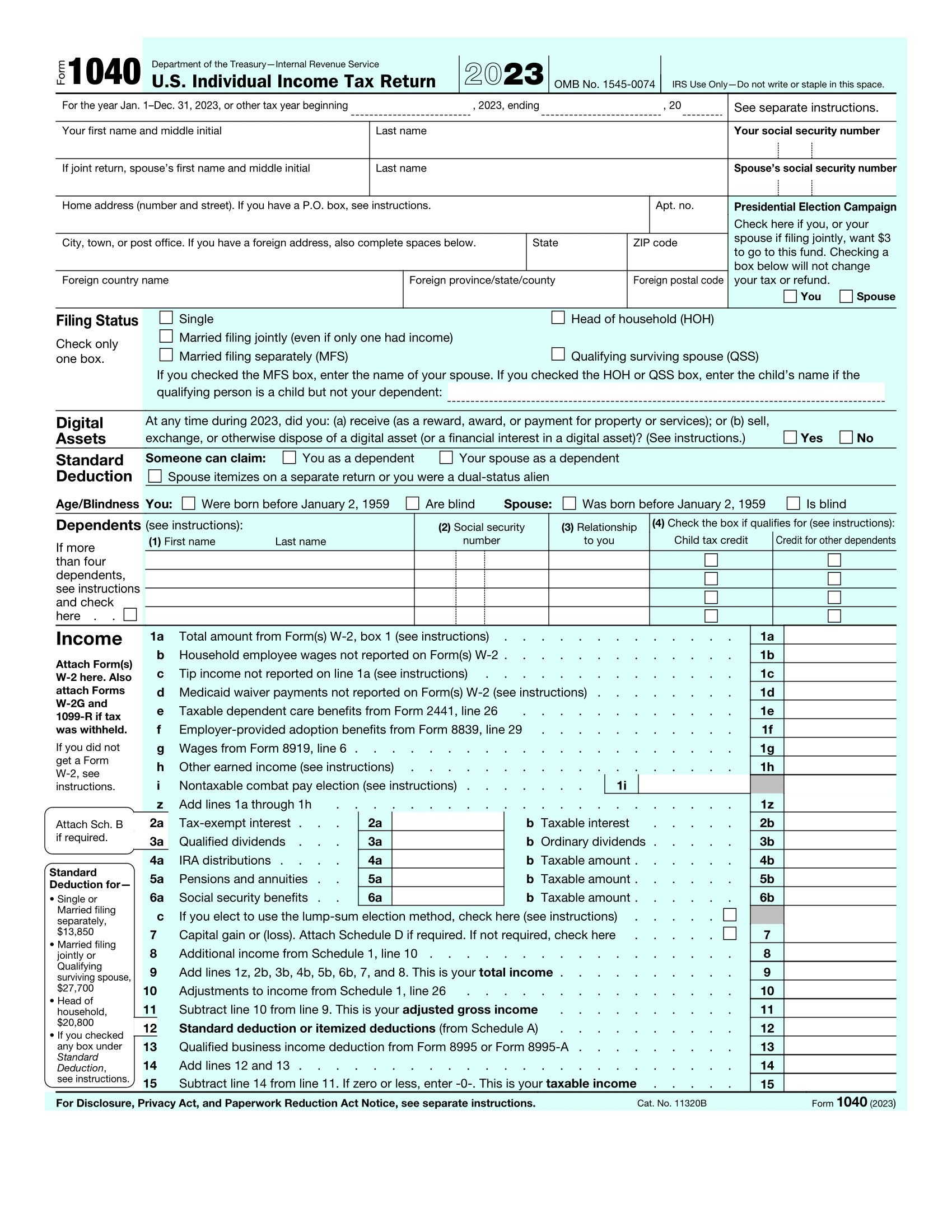
Primary Methods for Accessing Your 2023 Tax Records
If you have already filed your 2023 tax return and need to retrieve a copy for your records, there are several professional avenues available. In the modern financial era, digital retrieval is the gold standard for speed and security.
Utilizing the IRS Online Account Portal
The most efficient way to access your 2023 tax information is through the IRS Online Account. This secure platform provides a comprehensive overview of your federal tax status. Once logged in, you can view the “Record of Account” which includes key data from your 1040 form.
To use this service, you must verify your identity through ID.me, a third-party identity verification provider. This process usually requires a government-issued photo ID and a “selfie” to ensure digital security. Once authenticated, you can view your tax transcripts, which are summaries of your return. While a transcript is not a literal photocopy of your 1040, it is accepted by most financial institutions and government agencies as official proof of income.
Understanding the Different Types of Transcripts
When requesting your 2023 records, you will encounter several transcript types. Choosing the right one is critical for your specific financial needs:
-
Tax Return Transcript: This shows most line items from your original return. It is typically what is needed for mortgage or college loan applications.
-
Tax Account Transcript: This provides basic data such as marital status, type of return filed, adjusted gross income, and taxable income. It also reflects any changes made after you filed the return.
-
Record of Account Transcript: This is the most comprehensive option, combining the return and account transcripts into one complete document.
-
Wage and Income Transcript: This shows data from information returns the IRS receives, such as W-2s, 1099s, and 1098s.
Retrieving Copies from Tax Preparation Software
If you used a commercial software provider like TurboTax, H&R Block, or TaxSlayer to file your 2023 return, your first stop should be their respective archives. These platforms typically store your completed returns in PDF format for several years. Log into the account you used to file, navigate to the “Tax Home” or “My Documents” section, and look for the 2023 filing year. This is often the easiest way to get an actual copy of the signed Form 1040 rather than just a data transcript.
Tracking the Status of Your 2023 Refund
For many taxpayers, the question “How can I get my return?” actually means “Where is my refund?” Tracking the movement of your money through the federal system requires using specific IRS tools designed for transparency.
The “Where’s My Refund?” Digital Tool
The IRS provides a dedicated tracking tool available on their website and via the IRS2Go mobile app. To use this tool, you must have three pieces of information ready: your Social Security Number (or ITIN), your filing status (Single, Married Filing Jointly, etc.), and the exact whole-dollar amount of your expected refund.
The tracker updates once every 24 hours, usually overnight. It moves through three distinct phases:
-
Return Received: The IRS has your return and is processing it.
-
Refund Approved: The IRS has finished processing and has confirmed the amount.
-
Refund Sent: The money has been issued via direct deposit to your bank or a paper check has been mailed.
Timelines for Different Filing Methods
The speed at which you receive your 2023 refund depends heavily on how you filed. E-filed returns with direct deposit are typically processed within 21 days. However, paper returns can take six to eight weeks, or even longer if the manual data entry process faces backlogs. If you are checking on a 2023 return months after the April deadline, and the status has not moved past “Received,” there may be an underlying issue requiring manual intervention.
The Impact of the PATH Act on Refunds
It is important to note that if you claimed the Earned Income Tax Credit (EITC) or the Additional Child Tax Credit (ACTC) on your 2023 return, the IRS is legally required to hold those refunds until mid-February. This is a fraud-prevention measure. If you filed early and are wondering why your refund is delayed, this statutory hold is the most likely cause.
What to Do If You Haven’t Filed Your 2023 Return Yet

If you missed the initial filing deadline, getting your 2023 return processed becomes a matter of damage control and prompt action. The IRS allows taxpayers to file returns for up to three years to claim a refund, but if you owe money, the penalties and interest accrue daily.
Filing Electronically for Prior Years
While many “Free File” programs close after the October extension deadline, you can still file your 2023 return electronically through professional tax preparers or high-end software versions. E-filing is always recommended over paper filing because it reduces the margin for error. The software performs the necessary calculations, ensuring that credits like the Child Tax Credit or the Premium Tax Credit are calculated accurately based on 2023 tax brackets.
The Risks of Paper Filing
If you choose to mail a paper return for 2023, you must ensure you are using the correct 1040 forms for that specific tax year. Using a 2022 or 2024 form for a 2023 filing will result in an immediate rejection or significant delays. Always send paper returns via certified mail with a return receipt. This provides legal proof that you submitted the documentation, which is vital if the IRS later claims they never received it.
Addressing Late-Filing Penalties
If you owe taxes for 2023 and are filing late, you will likely face a failure-to-file penalty and a failure-to-pay penalty. The failure-to-file penalty is generally 5% of the unpaid taxes for each month or part of a month that a tax return is late. To minimize these costs, file as soon as possible, even if you cannot pay the full balance immediately. The IRS offers payment plans and “Offers in Compromise” for those in financial hardship, but these options are only available once the return is officially in the system.
Troubleshooting Common Delays and Obstacles
Sometimes, the process of getting your 2023 tax return or refund stalls. Understanding the common “red flags” can help you take the necessary steps to resolve the issue.
Identity Verification Requests
A common reason for a “frozen” 2023 return is the IRS’s Identity Verification program. If the IRS suspects a return may be fraudulent, they will send a Letter 5071C or 4883C. This letter instructs you to verify your identity online or via phone. Your return will not be processed, and your refund will not be issued, until this step is completed.
Errors and Math Corrections
If there is a discrepancy between the income you reported and the W-2s/1099s the IRS has on file, your return will be pulled for manual review. Common errors include transposed Social Security numbers, incorrect filing statuses, or mistakes in calculating the taxable portion of Social Security benefits. If the IRS makes a correction, they will send a notice (CP11, CP12, etc.) explaining the changes. You do not need to file an amended return if the IRS corrected a math error for you, but you should review their changes to ensure they are accurate.
The Amended Return Process (Form 1040-X)
If you realize you made a significant mistake on your 2023 return—such as forgetting to report income or missing a major deduction—you must file Form 1040-X. Amended returns are processed separately from original returns. You can track the status of an amendment using the “Where’s My Amended Return?” tool on the IRS website. Note that processing an amended return can take up to 20 weeks, significantly longer than a standard filing.
Financial Best Practices for Managing Tax Documentation
Securing your 2023 tax return is just one part of a broader financial strategy. Maintaining organized records is essential for long-term financial health and readiness for future tax seasons.
Digital Archiving and Security
In an era of increasing identity theft, how you store your 2023 tax return is just as important as how you file it. Store digital copies of your 1040 and all supporting schedules in an encrypted cloud drive or on a password-protected external hard drive. Avoid keeping unencrypted tax documents in your email inbox. If you keep physical copies, they should be in a fireproof safe. The IRS recommends keeping tax records for at least three years, though seven years is safer if you have complex investments or business deductions.
Leveraging the 2023 Data for 2024 Planning
Your 2023 return serves as a blueprint for your current financial year. By reviewing your Adjusted Gross Income (AGI) and total tax liability from 2023, you can determine if your current withholding is accurate. If you received a massive refund, you are essentially giving the government an interest-free loan; you might consider adjusting your W-4 to increase your take-home pay. Conversely, if you owed a significant amount, increasing your withholding now can prevent a repeat of that financial strain next year.

Professional Consultation
For those with complex financial portfolios—including cryptocurrency transactions, foreign assets, or small business income—retrieving and filing a 2023 return might require professional oversight. A Certified Public Accountant (CPA) or Enrolled Agent (EA) can not only help you obtain your prior-year records but also represent you in front of the IRS if there are disputes regarding your 2023 filing.
By understanding the tools provided by the IRS, maintaining rigorous documentation, and acting promptly on filing requirements, you can successfully navigate the process of obtaining your 2023 tax return. Whether it is for a refund, a loan application, or general financial record-keeping, staying informed is your best defense against the stress of tax season.
aViewFromTheCave is a participant in the Amazon Services LLC Associates Program, an affiliate advertising program designed to provide a means for sites to earn advertising fees by advertising and linking to Amazon.com. Amazon, the Amazon logo, AmazonSupply, and the AmazonSupply logo are trademarks of Amazon.com, Inc. or its affiliates. As an Amazon Associate we earn affiliate commissions from qualifying purchases.