
Drilling through stainless steel is a task that frequently vexes even experienced professionals and hobbyists alike. Unlike softer metals or wood, stainless steel presents a formidable challenge, demanding not only a specialized approach but also the right technological hardware in the form of superior drill bits. The wrong bit will quickly dull, overheat, and fail, leading to frustration, wasted material, and potential project delays. Understanding the metallurgical properties of stainless steel and the advanced engineering behind modern drill bits is paramount to achieving clean, precise holes efficiently and safely.
Understanding the Demands of Stainless Steel Drilling
Stainless steel is an alloy renowned for its corrosion resistance, strength, and aesthetic appeal. These very qualities, however, make it particularly difficult to machine. Its unique properties necessitate specific drill bit technologies and operational techniques.
The Material’s Intransigence
The primary challenge stems from stainless steel’s high tensile strength and work-hardening characteristics. When subjected to stress, such as that imposed by a drill bit, stainless steel has a tendency to become harder, especially if insufficient pressure or an incorrect cutting speed is applied. This work-hardening phenomenon rapidly dulls conventional drill bits, creating a vicious cycle where a dull bit generates more heat and stress, further hardening the material, until the bit can no longer cut effectively.
Another factor is its relatively low thermal conductivity. Heat generated during drilling, which would dissipate more readily in other metals, tends to concentrate at the cutting edge and within the workpiece. This localized heat build-up contributes to bit wear, material distortion, and can even compromise the stainless steel’s metallurgical structure if not properly managed.
Why Standard Bits Fail
Standard high-speed steel (HSS) drill bits, while versatile for many materials, are simply not up to the task of drilling stainless steel repeatedly or cleanly. Their composition lacks the necessary hardness and heat resistance to withstand the abrasive and work-hardening properties of stainless.
- Rapid Dullness: HSS bits quickly lose their sharp edge when confronted with stainless steel’s toughness, leading to inefficient cutting, increased friction, and excessive heat.
- Overheating: The inability to shed heat combined with high friction causes the bit to overheat, losing its temper and further accelerating dullness and even catastrophic failure.
- Work-Hardening: A dull or improperly used HSS bit will essentially “polish” the stainless steel surface rather than cut it, leading to the work-hardening effect that makes subsequent drilling attempts even harder.
- Breakage: Weakened by heat and stress, standard bits are more prone to snapping, particularly when pushing through thicker gauges of stainless steel.
Recognizing these inherent challenges is the first step toward selecting and utilizing the advanced drill bit technologies designed specifically for this demanding material.
Key Technologies and Materials for Optimal Performance
The best drill bits for stainless steel are engineered with superior materials and coatings that provide the necessary hardness, heat resistance, and wear protection. Three primary categories stand out for their effectiveness.
The Power of Cobalt (M35 & M42)
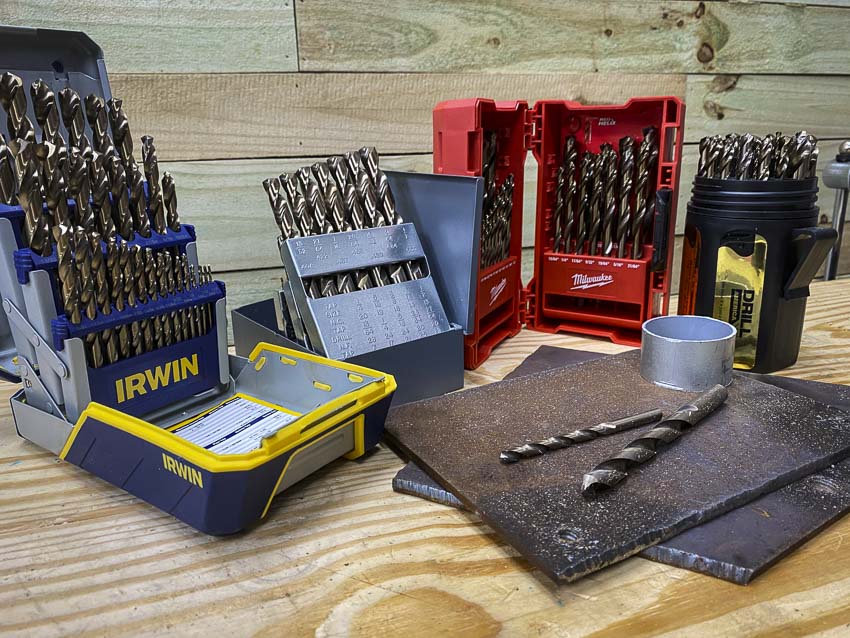
Cobalt drill bits are widely regarded as the gold standard for drilling stainless steel. These bits are not merely coated; they are manufactured from a specialized alloy of high-speed steel that incorporates a percentage of cobalt, typically 5% (M35) or 8% (M42). The addition of cobalt significantly enhances the bit’s hot hardness and abrasion resistance.
- M35 Cobalt: Containing 5% cobalt, these bits offer a substantial upgrade over standard HSS. They can withstand higher drilling temperatures without losing their cutting edge and are considerably more durable for general stainless steel applications.
- M42 Cobalt: With an 8% cobalt content, M42 bits are even harder and more heat resistant than M35. They are ideal for more rigorous industrial applications, thicker stainless steel sections, or when maximum tool life is desired. M42 bits are also more resistant to breakage from lateral forces due to their increased toughness.
The cobalt is uniformly distributed throughout the bit material, meaning that even as the bit wears down through sharpening, its superior cutting properties remain consistent. This inherent hardness allows them to cut through work-hardened stainless steel effectively, reducing friction and heat build-up.
Titanium Nitride (TiN) Coatings: Enhanced Durability
Titanium Nitride (TiN) is a ceramic material applied as a thin, hard coating to high-speed steel (HSS) drill bits. This coating dramatically increases the surface hardness of the bit, reduces friction, and improves heat resistance.
- Increased Hardness: The TiN layer provides a significant boost in surface hardness, making the bit much more resistant to wear and abrasion from tough materials like stainless steel.
- Reduced Friction: The slick, golden surface of a TiN-coated bit minimizes friction between the bit and the workpiece. This reduction in friction leads to less heat generation, allowing the bit to stay cooler and sharper for longer.
- Improved Chip Flow: The reduced friction also aids in chip evacuation, preventing material from welding to the cutting edges, which is a common problem when drilling stainless steel.
- Cost-Effective Option: While not as inherently durable as solid cobalt bits over their entire lifespan (as the coating can eventually wear off), TiN-coated HSS bits offer a more budget-friendly upgrade for drilling stainless steel compared to standard HSS, providing a notable improvement in performance.
It’s important to note that once the TiN coating wears through, the underlying HSS material will perform as a standard HSS bit, diminishing its effectiveness on stainless steel.
Carbide-Tipped Bits: Extreme Hardness
For the most demanding applications, where extreme hardness and wear resistance are paramount, carbide-tipped drill bits are the ultimate technological solution. These bits typically feature a high-speed steel body with brazed-on carbide inserts at the cutting tip. Carbide (tungsten carbide) is significantly harder than cobalt steel or TiN-coated HSS.
- Exceptional Hardness: Carbide tips can withstand incredibly high temperatures and abrasive forces, making them ideal for cutting through the toughest grades of stainless steel, including superalloys, and even hardened steels.
- Superior Rigidity: The extreme rigidity of carbide minimizes deflection, leading to highly accurate holes, especially in challenging materials.
- Longevity: Under correct usage conditions, carbide-tipped bits offer an exceptionally long lifespan, making them a wise investment for heavy-duty or production environments.
However, carbide is also brittle. It requires very stable drilling conditions, precise speed and feed rates, and excellent rigidity from the drilling machine itself to prevent chipping or breakage. They are generally more expensive and are often overkill for lighter-duty or occasional use.
Advanced Bit Design: Geometry Matters
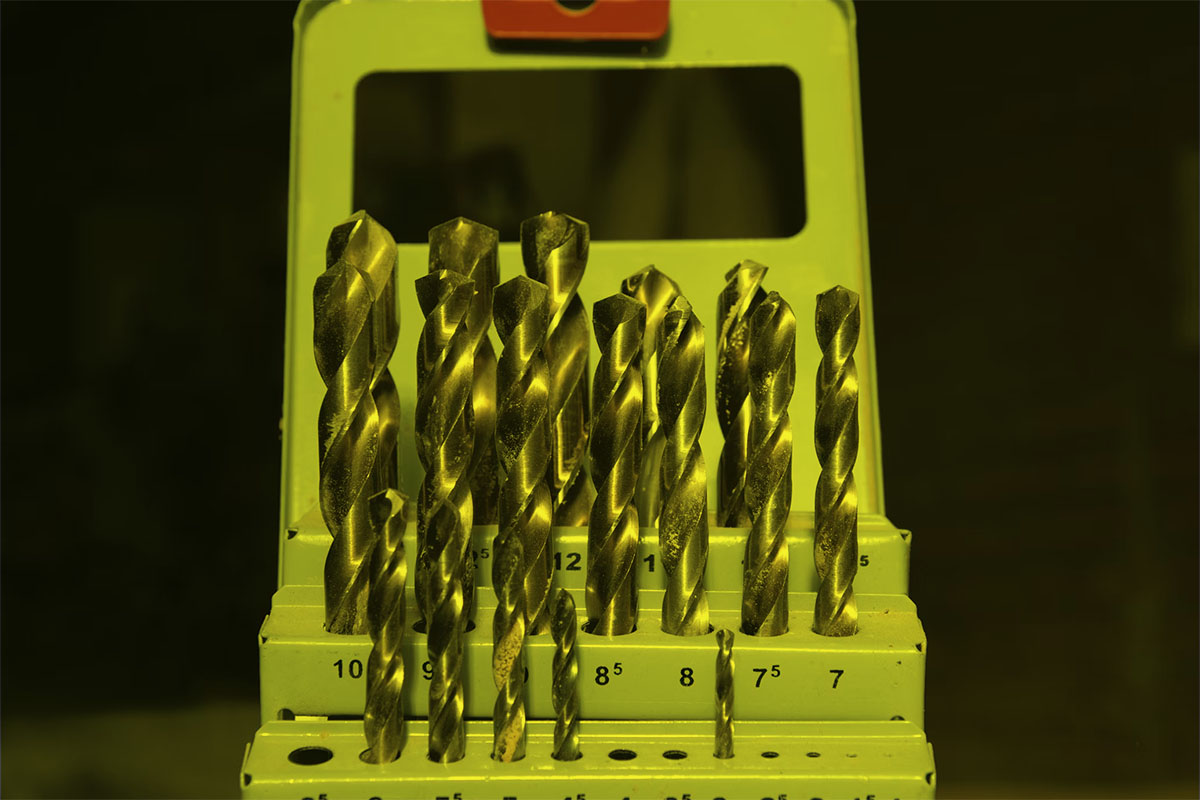
Beyond material composition, the geometric design of a drill bit plays a critical role in its effectiveness when cutting stainless steel. Subtle differences in tip angle, flute design, and point configuration can dramatically impact cutting efficiency, heat generation, and chip evacuation.
Split-Point Tips for Precision
A split-point (or self-centering) tip is a crucial feature for drill bits intended for stainless steel. Unlike conventional chisel points that tend to “walk” or wander on a flat surface, a split-point tip effectively creates two cutting edges at the very center of the bit.
- Self-Centering: This design allows the bit to start drilling precisely where intended without the need for a pilot hole or center punch, reducing setup time and improving accuracy.
- Reduced Thrust Force: The split-point design requires less downward pressure (thrust force) to initiate a cut, which is beneficial for both the drill motor and the operator, especially when drilling tough materials.
- Cleaner Entry: It minimizes material deformation on entry, creating a cleaner, more controlled start to the hole.
For drilling stainless steel, a 135-degree split-point angle is generally preferred, as it provides an aggressive cutting edge that can effectively penetrate the material without excessive heat build-up.
Optimal Flute Design for Chip Evacuation
The flutes are the helical grooves that spiral up the body of the drill bit. Their design is critical for removing chips (swarf) from the cutting zone and allowing coolant to reach the tip. When drilling stainless steel, efficient chip evacuation is paramount.
- Wider Flutes: Bits designed for stainless steel often feature wider, more open flutes. This design prevents chips from packing and clogging, which can lead to increased friction, heat, and potential bit breakage.
- Helix Angle: A higher helix angle (more aggressive spiral) can be beneficial for lifting chips out of deeper holes, but for stainless steel, a moderate helix angle is often preferred to maintain strength at the cutting edge.
- Polished Flutes: Some premium bits feature polished flutes to further reduce friction and improve chip flow, preventing stainless steel chips from welding to the bit.
Proper chip evacuation is essential to maintain consistent cutting performance and prevent heat from accumulating at the cutting edge.
Lip Angle and Relief for Clean Cuts
The lip angle (or point angle) of a drill bit refers to the angle formed by the cutting edges relative to the axis of the bit. The relief angle (or clearance angle) is the angle behind the cutting edge that prevents the heel of the bit from rubbing against the workpiece.
- 135-Degree Lip Angle: For stainless steel, a wider lip angle, typically 135 degrees, is generally recommended. This creates a stronger cutting edge less prone to chipping and provides a more aggressive shearing action suitable for hard materials. It also helps to distribute the cutting force over a larger area, reducing stress on the bit.
- Appropriate Relief Angle: An adequate relief angle ensures that only the cutting edge is in contact with the material. Too little relief causes rubbing and excessive heat; too much can weaken the cutting edge. Bits specifically designed for stainless steel will have a carefully calibrated relief angle to optimize cutting action and tool life.
These precise geometric features, combined with advanced material compositions, are what differentiate a truly effective stainless steel drill bit from a conventional one.
Maximizing Performance: Techniques and Tools
Even the best drill bits require proper technique and complementary tools to perform optimally when drilling stainless steel. Neglecting these aspects can quickly diminish the benefits of even the most advanced bit technology.
Precision Speed and Feed Control
One of the most common mistakes when drilling stainless steel is using too high a speed. Stainless steel must be drilled at slower speeds than softer metals, but with firm, consistent pressure (feed rate).
- Lower RPM: Slower rotational speeds reduce friction and heat generation at the cutting edge, which is crucial for preventing work-hardening and preserving the bit’s temper. The exact speed will vary depending on the bit diameter and stainless steel grade, but generally, it’s significantly lower than for mild steel.
- Consistent Feed Rate: Maintain steady, firm pressure. A light touch allows the bit to rub and work-harden the material, leading to dullness. The goal is to generate a continuous, curled chip, indicating effective cutting rather than grinding. Too much pressure, however, can lead to excessive heat or bit breakage. This balance is key.
Modern drills with variable speed control are invaluable here, allowing for precise adjustment to the optimal cutting speed.
Crucial Cooling and Lubrication
Applying a high-quality cutting fluid is non-negotiable when drilling stainless steel. It serves multiple critical functions:
- Heat Dissipation: Coolant rapidly carries heat away from the cutting edge and the workpiece, preventing overheating and work-hardening.
- Lubrication: It reduces friction between the bit and the material, further minimizing heat generation and extending bit life.
- Chip Evacuation: Lubricants aid in flushing chips out of the hole, preventing clogging.
- Improved Surface Finish: A well-lubricated cut generally results in a smoother, cleaner hole.
Specialized cutting oils designed for stainless steel or general-purpose metalworking fluids are recommended. Apply generously and continuously during the drilling process, especially for deeper holes. For through-holes, applying coolant from both sides when possible is ideal.
The Right Drill: Power and Stability
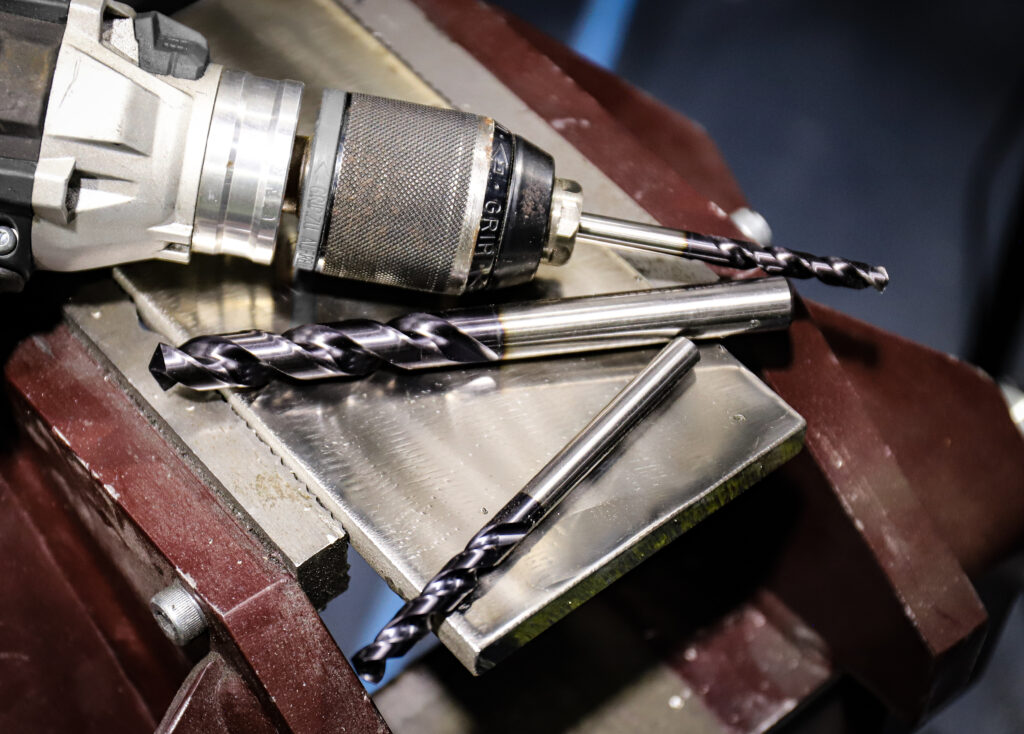
The drill itself plays an important supporting role. While a powerful drill is beneficial, stability and control are equally important.
- Drill Press Preference: Whenever possible, use a drill press. A drill press provides the necessary rigidity, precise control over feed rate, and consistent downward pressure that is difficult to achieve with a handheld drill. This stability minimizes bit deflection and the risk of breakage.
- Stable Workholding: Securely clamp the stainless steel workpiece. Any movement can cause the bit to bind, break, or create an uneven hole. Vises, clamps, or specialized jigs are essential.
- Powerful Motor: Ensure the drill has sufficient torque to maintain a consistent speed under load, especially at lower RPMs. A drill that bogs down will lead to inconsistent cuts and increased heat.
By combining the right drill bit technology with meticulous technique and appropriate supporting tools, drilling through stainless steel transforms from a frustrating ordeal into a manageable and successful operation, yielding clean, precise results every time.
aViewFromTheCave is a participant in the Amazon Services LLC Associates Program, an affiliate advertising program designed to provide a means for sites to earn advertising fees by advertising and linking to Amazon.com. Amazon, the Amazon logo, AmazonSupply, and the AmazonSupply logo are trademarks of Amazon.com, Inc. or its affiliates. As an Amazon Associate we earn affiliate commissions from qualifying purchases.