
An Individual Retirement Arrangement (IRA) is one of the most powerful tools available to individuals for building wealth and securing their financial future. However, there’s often a misconception about how an IRA actually “makes” money. It’s not the IRA itself that magically generates returns; rather, it’s the investment vehicles held within the IRA wrapper that perform this function, amplified by significant tax advantages. Understanding this distinction is crucial for anyone looking to maximize their retirement savings. This article will delve into the core mechanics, primary engines of growth, and strategic considerations that enable an IRA to become a formidable wealth-building machine.
Understanding the Core Mechanics of an IRA
Before we explore the avenues of profit, it’s essential to clarify what an IRA is and how it functions. This foundational understanding will illuminate why it’s such a valuable component of a retirement strategy.
What is an IRA and Why is it Important?
At its heart, an IRA is a tax-advantaged investment account designed to encourage individuals to save for retirement. It’s a specific type of brokerage account or custodial account where you can hold a variety of investments. The “tax-advantaged” aspect is key, offering benefits such as tax-deductible contributions, tax-deferred growth, or tax-free withdrawals, depending on the type of IRA.
The importance of an IRA cannot be overstated. With the increasing uncertainty surrounding traditional pension plans and the limitations of Social Security, personal savings vehicles like IRAs have become indispensable. They empower individuals to take control of their retirement destiny, providing a framework to accumulate substantial assets over decades through disciplined saving and smart investing.
The Fundamental Difference: IRAs are Accounts, Not Investments
Perhaps the most common misunderstanding about IRAs is confusing the account itself with the investments held inside it. An IRA is merely a type of account that shelters your investments from immediate taxes, allowing them to grow more efficiently. Think of it as a special kind of box or container. What you put into that box — whether it’s stocks, bonds, mutual funds, or exchange-traded funds (ETFs) — is what actually earns money.
If you open an IRA and don’t invest the cash inside it, it won’t make money. The cash will simply sit there, perhaps earning minimal interest in a money market fund, but it won’t experience the significant growth potential associated with market investments. Therefore, the phrase “how does an IRA make money” is more accurately interpreted as “how do the investments within an IRA make money, and how do the IRA’s tax benefits amplify those earnings?”
The Primary Engines of Growth within an IRA
Once you understand that an IRA is an account, the next step is to explore the actual investment vehicles that drive returns and the powerful financial principles that accelerate wealth accumulation.
Investment Growth: Stocks, Bonds, Mutual Funds, and ETFs
The direct way money is made within an IRA is through the appreciation of its underlying investments.
- Stocks: When you invest in stocks, you buy shares of ownership in a company. If the company performs well, its value increases, and so does the value of your shares. This capital appreciation is a primary driver of returns.
- Bonds: Bonds are essentially loans made to governments or corporations. In return for your loan, the issuer pays you regular interest payments (income) and repays the principal amount at maturity. While bonds typically offer lower growth than stocks, they provide stability and income.
- Mutual Funds and ETFs: These are professionally managed collections of stocks, bonds, or other securities. They offer diversification and convenience. Mutual funds are bought and sold at the end of the day based on their Net Asset Value (NAV), while ETFs trade throughout the day like individual stocks. Both aim to generate returns through capital appreciation of their holdings and income from dividends and interest.
A well-diversified portfolio combining these assets is typically recommended to balance risk and return, allowing your IRA to grow through a combination of capital gains and income generation.
Compounding Returns: The Eighth Wonder of the World
Albert Einstein is often (perhaps apocryphally) credited with calling compound interest “the eighth wonder of the world.” This principle is fundamental to how an IRA truly builds wealth. Compounding occurs when the earnings from your investments are reinvested, and those reinvested earnings then generate their own earnings. It’s an exponential growth engine.
Imagine you invest $1,000 and earn 10% interest, giving you $100. In the next period, you don’t just earn 10% on your original $1,000; you earn 10% on $1,100 ($1,000 original + $100 earnings), leading to $110 in earnings. This seemingly small difference snowballs over time, especially over the long investment horizons typical of retirement planning. The tax-advantaged nature of an IRA allows this compounding to occur without annual taxation on gains, making it significantly more powerful than in a taxable account.
Reinvested Dividends and Capital Gains
Many stocks and mutual funds pay out dividends, which are portions of a company’s profits distributed to shareholders. Similarly, actively managed mutual funds may distribute capital gains realized from selling profitable securities within the fund. Instead of taking these payments as cash, you can choose to automatically reinvest them back into the IRA.
When dividends and capital gains are reinvested, they purchase additional shares or units of the investment. This increases your ownership stake, which in turn generates even more dividends and capital gains in the future. This continuous cycle significantly boosts the power of compounding, as your investment base grows not just from new contributions but also from the earnings of your existing assets.
The Role of Tax Advantages in Amplifying Returns
The primary differentiator of an IRA, and a major reason it makes money so effectively, lies in its inherent tax advantages. These benefits don’t generate returns directly but allow your investments to grow significantly faster than they would in a standard taxable brokerage account.
Traditional IRA: Tax-Deductible Contributions and Tax-Deferred Growth
A Traditional IRA offers two main tax benefits:
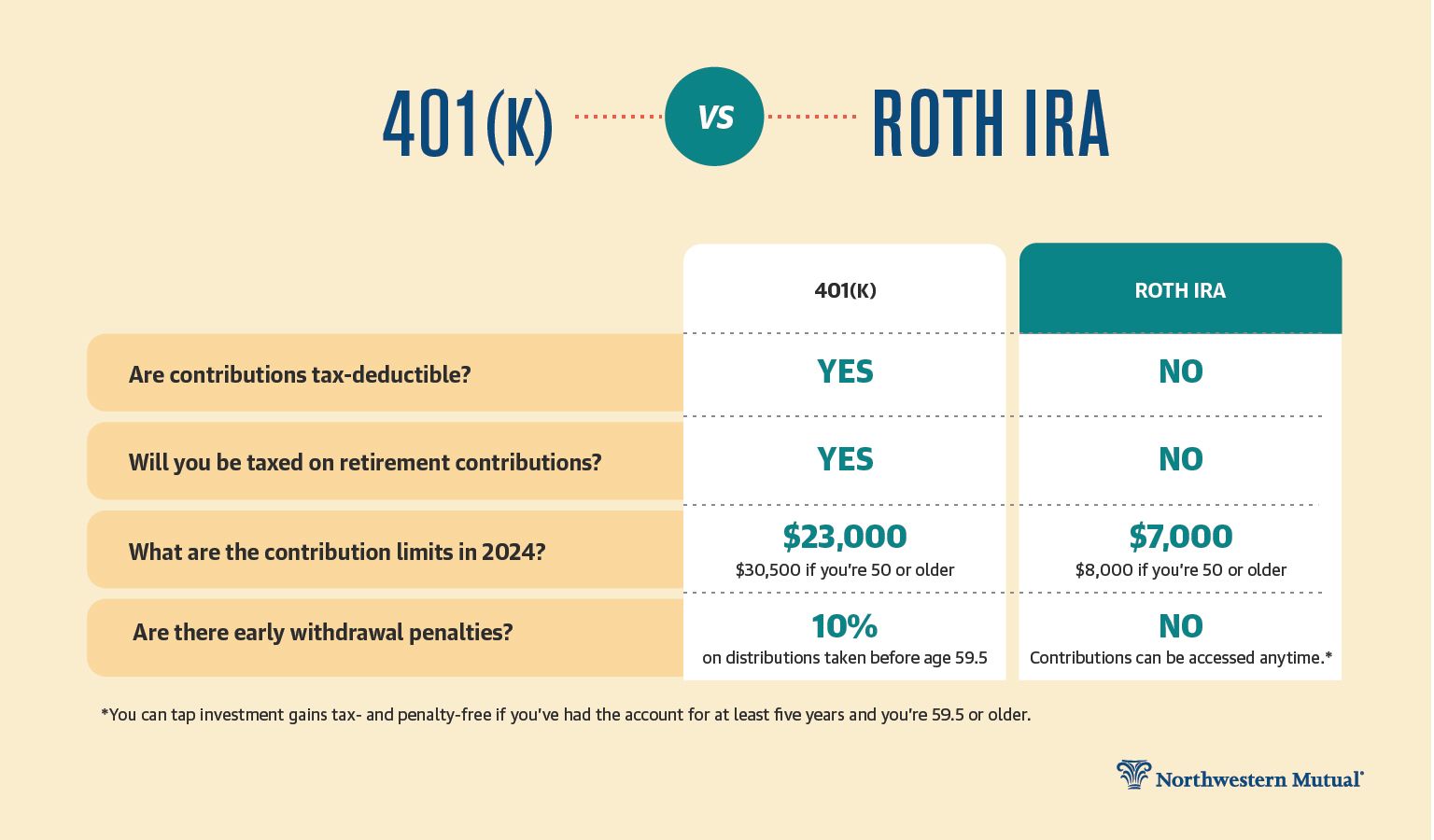
- Tax-Deductible Contributions: Depending on your income and whether you’re covered by a retirement plan at work, contributions to a Traditional IRA may be tax-deductible in the year they are made. This means you can reduce your current taxable income, potentially lowering your tax bill in the present.
- Tax-Deferred Growth: This is a crucial benefit. All investment earnings (capital gains, dividends, interest) within a Traditional IRA are not taxed until you withdraw them in retirement. This deferral allows your money to grow uninterrupted for decades, compounding at a much faster rate because Uncle Sam isn’t taking a slice out of your gains each year. You pay taxes on both your contributions (if they were deductible) and your earnings when you take distributions in retirement, presumably when you are in a lower tax bracket.
Roth IRA: Tax-Free Withdrawals in Retirement
The Roth IRA operates on a different, yet equally powerful, tax principle:
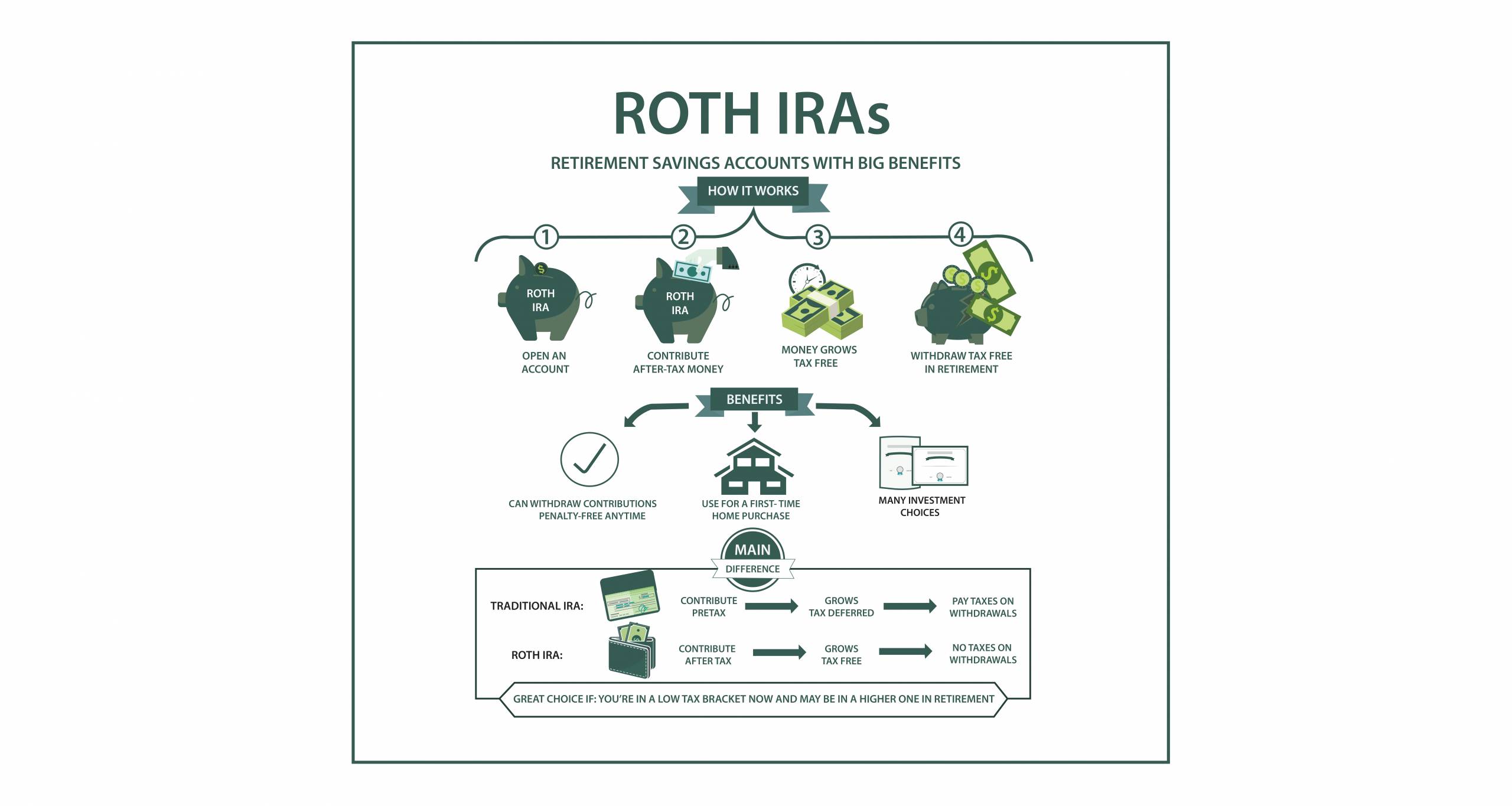
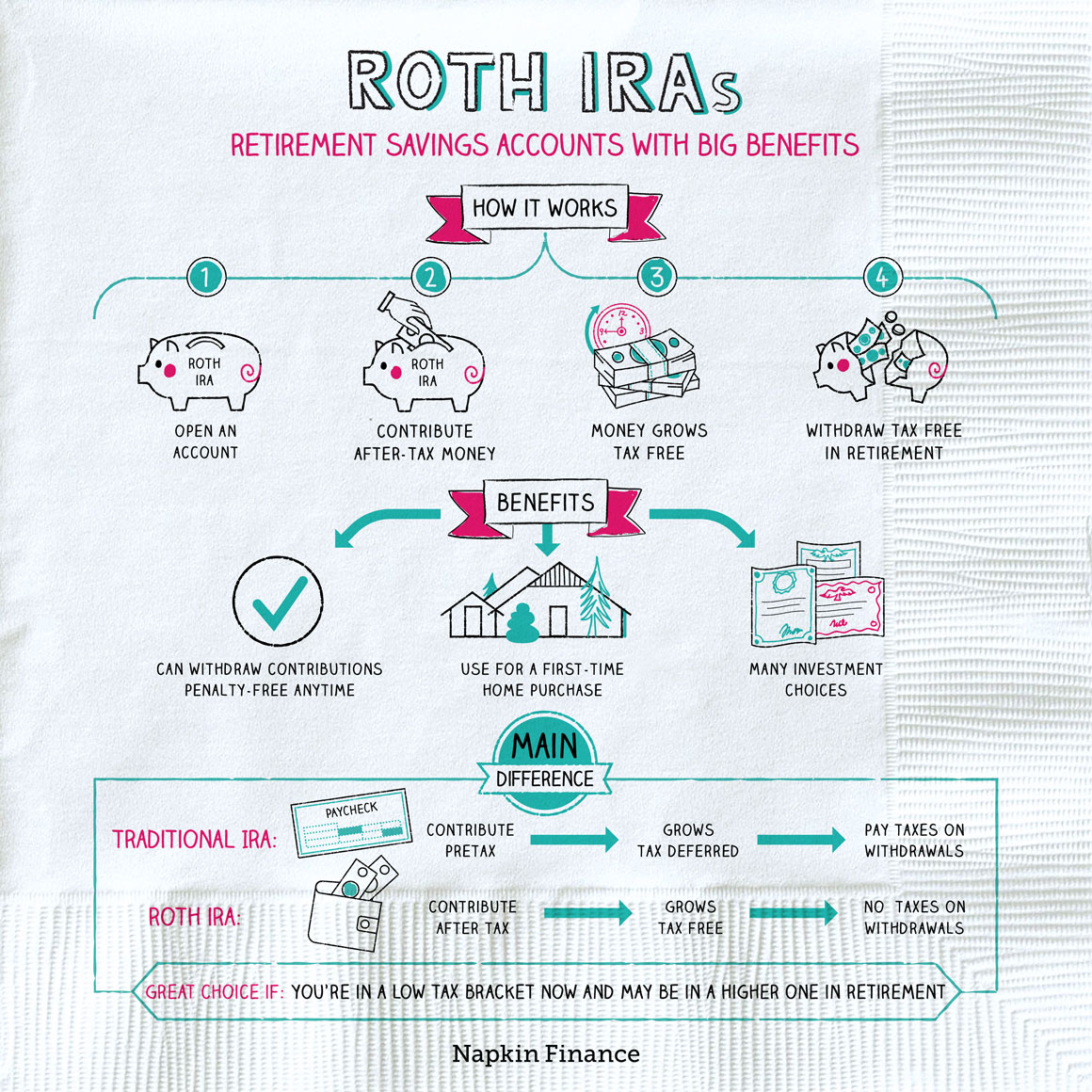
- After-Tax Contributions: Contributions to a Roth IRA are made with money you’ve already paid taxes on (they are not tax-deductible).
- Tax-Free Withdrawals: The immense benefit of a Roth IRA is that all qualified withdrawals in retirement are completely tax-free. This includes both your original contributions and all the accumulated earnings. This is particularly attractive for those who anticipate being in a higher tax bracket in retirement than they are today, or for those who simply value the certainty of knowing their retirement income won’t be subject to future tax rates.
Both Traditional and Roth IRAs offer immense value, and the choice often depends on your current income, expected future tax bracket, and financial planning goals.
SEP and SIMPLE IRAs: Business Owner Benefits
For self-employed individuals and small business owners, there are specialized IRAs that offer even higher contribution limits and unique tax advantages:
- Simplified Employee Pension (SEP) IRA: This allows employers (including self-employed individuals) to contribute to their own and their employees’ retirement plans. Contributions are tax-deductible for the business and grow tax-deferred for the individual. Contribution limits are significantly higher than for Traditional or Roth IRAs, making it a powerful tool for substantial savings.
- Savings Incentive Match Plan for Employees (SIMPLE) IRA: Designed for small businesses (100 or fewer employees), SIMPLE IRAs offer a straightforward, low-cost way to provide retirement benefits. They involve both employee contributions and mandatory employer contributions (either a matching contribution or a non-elective contribution). Like SEP IRAs, contributions are tax-deductible for the employer, and money grows tax-deferred for the employee.
These specialized IRAs leverage the same investment growth and compounding principles but offer enhanced contribution capacities, allowing business owners to accumulate wealth at an accelerated pace.
Strategic Considerations for Maximizing IRA Earnings
To truly make your IRA work hard for you, it’s not enough to simply open an account and contribute. Strategic planning and ongoing management are essential.
Asset Allocation and Diversification
The types of investments you choose and how you spread your money across different asset classes (stocks, bonds, cash, real estate) significantly impact your returns and risk level.
- Asset Allocation: This refers to the strategic mix of investments in your portfolio. For instance, younger investors with a long time horizon might opt for a higher percentage of stocks (growth-oriented) while those closer to retirement might shift towards a more conservative mix with a higher percentage of bonds (income and stability).
- Diversification: Spreading your investments across various companies, industries, and geographies reduces risk. The goal is that if one investment performs poorly, others may perform well, cushioning the overall impact on your portfolio. A well-diversified portfolio within your IRA can help mitigate market volatility and foster more consistent long-term growth.
Regular Contributions and Dollar-Cost Averaging
Consistency is key to IRA success.
- Regular Contributions: Making consistent contributions, even if they are small, ensures you’re continually adding to your principal, giving more money the chance to grow. Maxing out your IRA contributions each year is ideal, but any regular saving habit is beneficial.
- Dollar-Cost Averaging (DCA): This strategy involves investing a fixed amount of money at regular intervals (e.g., $100 every month) regardless of market fluctuations. When prices are high, your fixed amount buys fewer shares; when prices are low, it buys more shares. Over time, this averages out your purchase price, reduces the risk of investing a large sum at a market peak, and promotes disciplined investing.
Minimizing Fees and Expenses
Fees, even seemingly small ones, can significantly erode your returns over decades. Within your IRA, be mindful of:
- Account Maintenance Fees: Some custodians charge an annual fee for holding your IRA. Look for providers with no or low fees.
- Expense Ratios of Funds: Mutual funds and ETFs charge an annual percentage fee (expense ratio) for their management. Lower expense ratios mean more of your money stays invested and continues to compound. Opt for low-cost index funds or ETFs when appropriate.
- Trading Fees: If you’re frequently buying and selling individual stocks, trading commissions can add up. Many brokers now offer commission-free trading, which can be advantageous.
The Power of Long-Term Horizon
The most profound way an IRA makes money is by leveraging time. The longer your money is invested, the more time compounding has to work its magic. Even small annual returns, when compounded over 20, 30, or 40 years, can transform into substantial wealth. Starting early is arguably the single most important factor in maximizing the earnings within your IRA, allowing even modest contributions to blossom into a significant retirement nest egg.
Common Misconceptions and Best Practices
To ensure your IRA is a successful wealth-building tool, it’s also important to address common pitfalls and adopt smart strategies.
Avoiding Premature Withdrawals and Penalties
IRAs are designed for retirement. Withdrawing funds before age 59½ can trigger significant penalties (typically a 10% additional tax) on top of ordinary income taxes (for Traditional IRAs) or taxes on earnings (for Roth IRAs if not a qualified distribution). While there are some exceptions (e.g., first-time home purchase, qualified education expenses), the general rule is to keep your money invested until retirement to maximize its growth potential and avoid financial setbacks.
Reviewing and Rebalancing Your Portfolio
Your financial goals, risk tolerance, and market conditions change over time. It’s crucial to periodically review your IRA portfolio (annually or biannually) to ensure it still aligns with your objectives.
- Rebalancing: This involves adjusting your asset allocation back to your target percentages. For example, if stocks have performed exceptionally well, they might now constitute a larger portion of your portfolio than you initially intended. Rebalancing would involve selling some appreciated stocks and buying more bonds or other underperforming assets to return to your desired risk profile. This disciplined approach helps manage risk and ensures your portfolio remains aligned with your long-term strategy.
Seeking Professional Guidance
While self-managing an IRA is entirely possible, especially with the proliferation of online tools and resources, some individuals may benefit from professional financial advice. A qualified financial advisor can help you:
- Determine the right type of IRA for your situation.
- Develop an appropriate asset allocation strategy.
- Select suitable investments within your IRA.
- Integrate your IRA into your broader financial plan.
- Navigate complex tax rules and withdrawal strategies in retirement.
Their expertise can be invaluable in optimizing your IRA’s performance and ensuring it plays a robust role in your overall financial security.
Conclusion
An IRA doesn’t inherently “make money” in the same way a business generates revenue. Instead, it serves as a powerful, tax-advantaged vessel that shelters investments, allowing them to grow through market appreciation, income generation, and the phenomenal power of compounding. By understanding that the investments within the IRA are the true engines of growth, and by strategically leveraging the unique tax benefits of Traditional, Roth, SEP, or SIMPLE IRAs, individuals can transform these accounts into formidable wealth-building machines. Consistent contributions, smart asset allocation, minimal fees, and a long-term perspective are the cornerstones of maximizing your IRA’s potential, paving the way for a more secure and comfortable retirement.
aViewFromTheCave is a participant in the Amazon Services LLC Associates Program, an affiliate advertising program designed to provide a means for sites to earn advertising fees by advertising and linking to Amazon.com. Amazon, the Amazon logo, AmazonSupply, and the AmazonSupply logo are trademarks of Amazon.com, Inc. or its affiliates. As an Amazon Associate we earn affiliate commissions from qualifying purchases.