
Understanding the Federal Reserve Discount Rate
The Federal Reserve discount rate is a foundational concept in the architecture of the U.S. financial system, representing the interest rate at which eligible commercial banks and other depository institutions can borrow money directly from the Federal Reserve through its “discount window.” Unlike the more widely discussed federal funds rate, which is an interbank lending rate targeted by the Federal Open Market Committee (FOMC) through open market operations, the discount rate is a direct lending rate set by the Board of Governors of the Federal Reserve System.
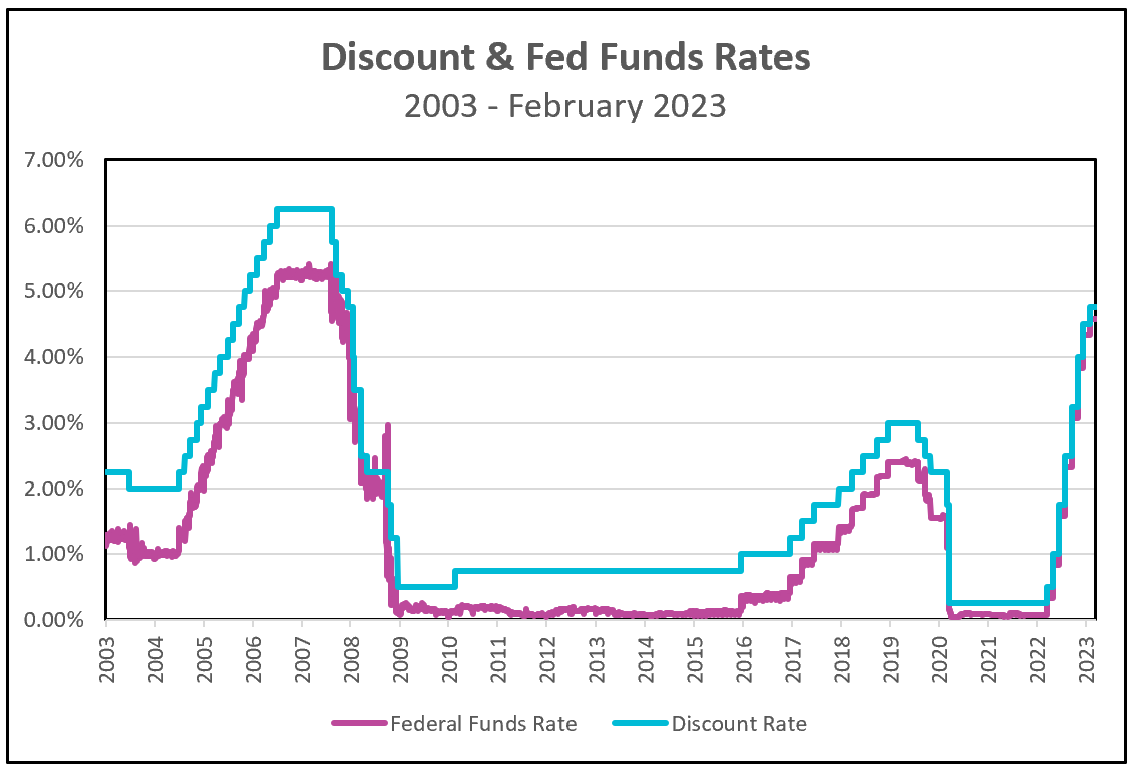
Defining the Discount Rate
At its core, the discount rate is the cost banks pay for very short-term loans from the Fed. It serves multiple crucial functions, primarily acting as a backstop for liquidity in the banking system and a critical tool for maintaining financial stability. When a bank needs to meet reserve requirements, manage unexpected withdrawals, or simply cover short-term funding gaps, it can turn to the discount window. The rate charged for this borrowing is the discount rate.
The “Lender of Last Resort” Function
A key aspect of the discount window, and thus the discount rate, is the Federal Reserve’s role as the “lender of last resort.” This means that in times of financial stress or crisis, when banks may be unable to secure funding from other sources (such as the interbank market), the Fed stands ready to provide liquidity. This capability is vital for preventing systemic financial crises, ensuring that temporary liquidity shortages at individual institutions do not cascade into broader banking panics or collapses. By providing a reliable source of funding, the discount window helps to bolster confidence in the financial system.
Who Borrows and Why
Only depository institutions, such as commercial banks, savings banks, and credit unions, are eligible to borrow at the discount window. Banks typically access this facility for two main reasons: to address unexpected short-term liquidity needs or to adjust their reserve positions to meet regulatory requirements. While borrowing from the discount window is often seen as a sign of stress by market participants, especially for secondary credit borrowers, the Fed actively encourages its use when necessary to ensure the smooth functioning of the financial system. The existence of the discount window itself acts as a deterrent to runs on banks, knowing there is a reliable funding source.
The Mechanics of Discount Window Lending
The Federal Reserve’s discount window operates through twelve Federal Reserve Banks, each serving a specific district. It offers three distinct credit programs, each with different eligibility criteria, terms, and interest rates, reflecting the varying needs and financial health of borrowing institutions. All lending through the discount window must be fully collateralized, meaning banks must pledge high-quality assets to secure the loans.
Types of Discount Window Credit
The Fed categorizes its discount window lending into three primary types: primary credit, secondary credit, and seasonal credit.
Primary Credit
This is the most common form of discount window borrowing and is extended to financially sound depository institutions. Banks eligible for primary credit are generally in good standing, as determined by their supervisory ratings. Loans are typically very short-term, often overnight, and carry an interest rate that is usually set above the prevailing target federal funds rate. The idea behind this “penalty” rate is to discourage routine borrowing and encourage banks to first seek funds from the interbank market. The key feature of primary credit is its “no questions asked” approach to the use of funds; banks are not restricted in how they deploy the borrowed money, reflecting the Fed’s confidence in their stability.
Secondary Credit
Secondary credit is available to depository institutions that do not qualify for primary credit, typically those experiencing financial difficulties or liquidity problems. These loans are also typically very short-term, often overnight, but come with a higher interest rate than primary credit. Furthermore, secondary credit is subject to greater scrutiny and more restrictive conditions imposed by the Federal Reserve, reflecting the increased risk involved. This type of borrowing is generally viewed as a last resort for banks facing significant challenges and often carries a stigma in the market, as it signals underlying financial weakness.
Seasonal Credit
Seasonal credit is designed to meet the specific needs of smaller depository institutions that experience regular, predictable fluctuations in their funding requirements due to seasonal patterns in their local economies. Banks serving agricultural communities, tourist areas, or other industries with distinct seasonal cycles often face periods of high loan demand or deposit outflows, followed by periods of reverse activity. Seasonal credit is available for longer periods than primary or secondary credit and helps these institutions manage their liquidity needs without disrupting local economic activity. The eligibility criteria and terms for seasonal credit are tailored to account for these specific circumstances.
Collateral Requirements
A fundamental principle of discount window lending is that all loans must be fully collateralized. This means that borrowing institutions must pledge high-quality assets to the Federal Reserve to secure the loan. Acceptable collateral typically includes U.S. Treasury securities, agency securities, municipal bonds, and sound commercial and industrial loans. The value of the pledged collateral must exceed the amount of the loan, providing a margin of safety for the Fed and reducing the risk to taxpayers. This collateralization requirement is crucial for ensuring the integrity of the lending process and the stability of the financial system.
The Application Process
While the discount window exists as a standing facility, banks do not routinely borrow from it in normal market conditions due to the “penalty” rate and potential market stigma, particularly for secondary credit. However, when a bank determines it needs to access funds, it contacts its local Federal Reserve Bank. The process involves submitting a request, pledging eligible collateral, and ensuring compliance with the Fed’s regulatory requirements. The Fed actively encourages banks to be prepared to use the discount window by pre-positioning collateral and understanding the procedures, ensuring that the facility can be used efficiently when liquidity needs arise.
Discount Rate vs. Federal Funds Rate: A Critical Distinction
While both the discount rate and the federal funds rate are pivotal interest rates managed or influenced by the Federal Reserve, they serve distinct purposes and operate through different mechanisms. Understanding their differences is crucial for grasping the nuances of U.S. monetary policy.
The Federal Funds Rate
The federal funds rate is the target interest rate at which commercial banks lend their excess reserves to other banks overnight. Banks are required to hold a certain percentage of their deposits as reserves, either in their vaults or at the Federal Reserve. When a bank has excess reserves, it can lend them to another bank that needs to meet its reserve requirements or simply needs short-term liquidity. This interbank lending market is where the federal funds rate is determined by supply and demand. The Federal Open Market Committee (FOMC) sets a target range for the federal funds rate and influences it primarily through open market operations—buying or selling government securities to increase or decrease the supply of reserves in the banking system. The federal funds rate is often considered the primary benchmark for short-term interest rates in the U.S. economy and has a broad impact on consumer and business borrowing costs.
Key Differences
The contrast between the discount rate and the federal funds rate highlights their unique roles within monetary policy.
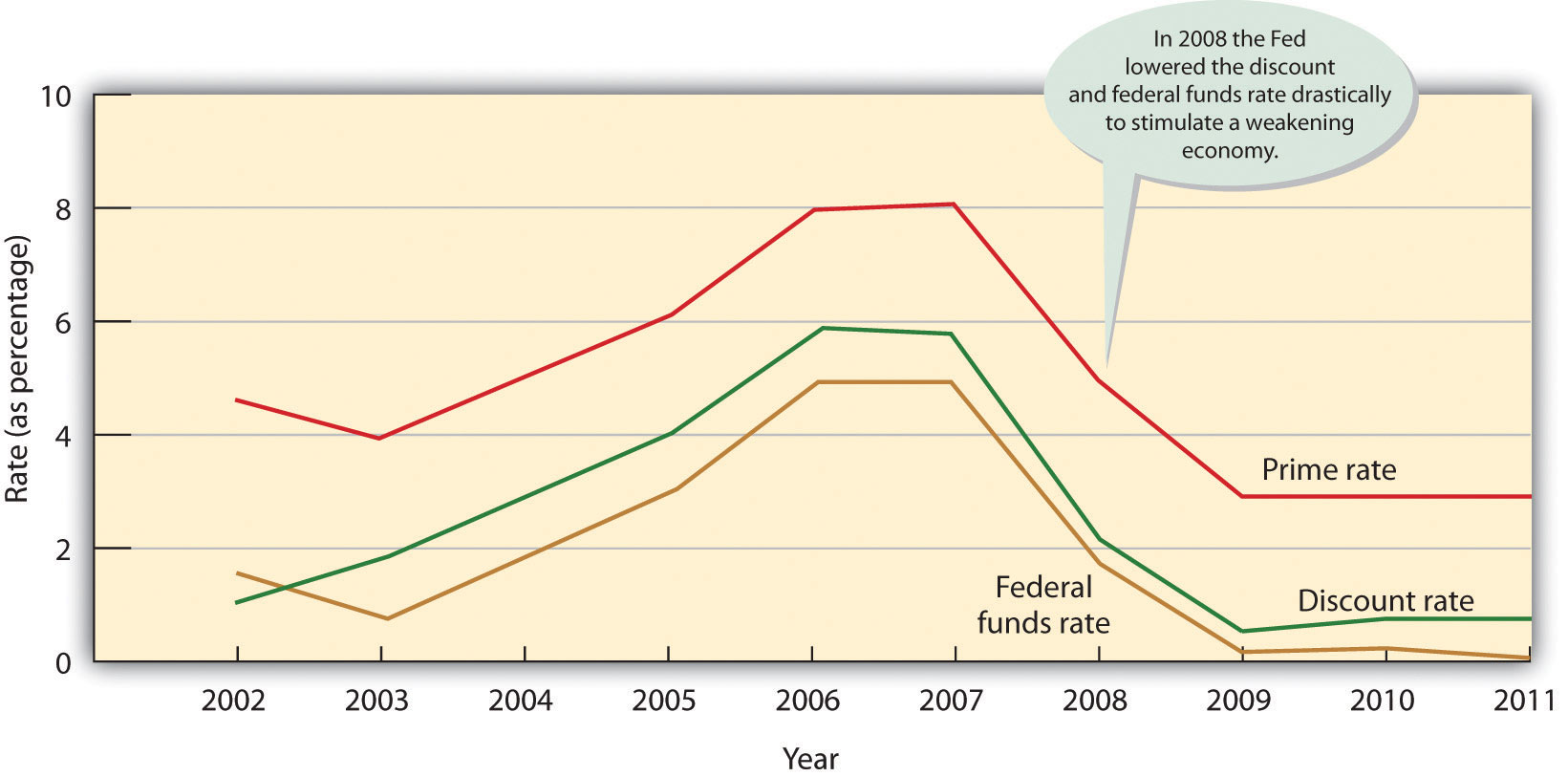
Direct vs. Indirect Influence
The discount rate is a direct lending rate; it’s the specific rate the Fed charges eligible banks for direct loans. In contrast, the federal funds rate is an interbank market rate that the Fed influences indirectly by adjusting the supply of reserves in the banking system. The FOMC sets a target range for the federal funds rate, and its operations aim to keep the actual market rate within that range.
Purpose
The primary purpose of the discount window and its associated rate is to serve as a liquidity backstop for individual banks and to maintain overall financial stability, particularly during times of stress. It ensures that banks can always access funding, thereby preventing a liquidity crisis from spiraling. The federal funds rate, however, is the central policy rate used to implement broad monetary policy objectives, such as controlling inflation, fostering maximum employment, and promoting stable economic growth.
Market Dynamics
The discount rate is a policy rate unilaterally set by the Federal Reserve’s Board of Governors. The federal funds rate, while heavily influenced by the Fed’s open market operations, is ultimately determined by the supply and demand for reserves in the interbank market. Banks choose whether to lend or borrow reserves based on their needs and the prevailing market rate, within the Fed’s targeted range.
Their Interplay
Despite their differences, the discount rate and the federal funds rate are interconnected. The discount rate often acts as an upper bound for the federal funds rate in normal times. If the federal funds rate were to rise significantly above the discount rate, banks would have an incentive to borrow from the Fed at the cheaper discount window rate rather than from other banks, thereby increasing the supply of reserves and pushing the federal funds rate back down. Conversely, changes in the discount rate can signal the Fed’s overall monetary policy stance, influencing market expectations and, indirectly, the federal funds rate. However, due to its stigma and the “penalty” rate, the discount window is not intended for routine management of reserves but rather as a safety valve.
The Discount Rate’s Significance and Impact on the Economy
While the discount rate has evolved from a primary tool of monetary policy to more of a backstop, its significance to the financial system and broader economy remains profound. It plays a critical role in maintaining stability, signaling economic conditions, and indirectly influencing various financial markets.
Monetary Policy Tool (Limited Use)
In the early history of the Federal Reserve, changes in the discount rate were a more prominent instrument for steering monetary policy. Today, open market operations, targeting the federal funds rate, are the primary means by which the Fed implements its monetary policy. However, the discount rate retains its importance as a vital component of the Fed’s toolkit, especially in its capacity as the lender of last resort. It ensures liquidity and stability, which are preconditions for effective monetary policy. Without a robust discount window, the Fed’s ability to influence market rates and guide the economy would be severely hampered by the risk of financial instability.
Signaling Market Conditions and Policy Stance
Changes in the discount rate, even if not directly driving economic activity, are closely watched by financial markets. An increase in the discount rate can signal that the Fed is concerned about inflation or believes the economy is strong enough to withstand tighter credit conditions, hinting at future monetary policy tightening. Conversely, a decrease might suggest the Fed is worried about economic weakness or financial market stress and is adopting an accommodative stance. This signaling function provides transparency about the Fed’s assessment of the economy and its future intentions, helping market participants adjust their expectations and strategies.
Influence on Other Interest Rates
Although the discount rate is typically a “penalty” rate and not the direct driver of market rates, its relationship with the federal funds rate and other short-term rates means it still exerts an indirect influence. For instance, the prime rate—the interest rate banks charge their most creditworthy customers—is often directly tied to the federal funds rate target, but the discount rate provides an upper boundary for short-term interbank lending. In times of crisis, the availability of discount window funds at a set rate can indirectly help stabilize other interbank lending rates by providing an alternative source of liquidity. This can have a ripple effect, impacting the rates for various loans, including mortgages, auto loans, and business lines of credit.
Maintaining Financial Stability
The most critical role of the discount window and its rate is its function in maintaining financial stability. During periods of severe market stress, such as the 2008 financial crisis or the COVID-19 pandemic, the discount window becomes a vital conduit for injecting liquidity into the banking system. When interbank lending freezes or markets become highly illiquid, banks can reliably turn to the discount window to meet their funding needs. This prevents widespread bank failures, stabilizes financial markets, and protects the broader economy from systemic shocks. The existence of this safety net provides confidence to both financial institutions and the public.
Implications for Businesses and Consumers
The indirect influence of the discount rate, through its impact on the general interest rate environment and financial stability, ultimately touches both businesses and consumers.
Business Lending
For businesses, changes in the overall interest rate landscape—influenced in part by the Fed’s stance signaled by the discount rate—affect the cost and availability of credit. Lower rates can encourage businesses to borrow for investment in new equipment, expansion, or hiring, fostering economic growth. Higher rates can slow down such activities. A stable financial system, underpinned by the discount window, ensures that credit remains available even during challenging times, which is crucial for business continuity and investment.
Consumer Borrowing
Consumers are also affected through changes in interest rates on mortgages, auto loans, and credit card debt. A financially stable environment, ensured by the Fed’s lender of last resort function, helps keep these rates predictable and accessible. When the financial system is under stress, the cost of borrowing for consumers can surge, or credit can become unavailable, severely impacting personal finance decisions and overall consumer spending.
Economic Growth and Inflation
By contributing to financial stability and influencing the broader interest rate environment, the discount rate indirectly impacts aggregate demand, economic growth, and inflation. When financial markets are stable and credit is available at reasonable rates, it supports spending and investment, which drives economic expansion. Conversely, financial instability can lead to credit tightening, reduced spending, and economic contraction.
Historical Evolution and Modern Relevance
The role and perception of the Federal Reserve discount rate have undergone significant transformations since the Fed’s inception in 1913, reflecting changes in economic theory, financial markets, and monetary policy practices.
From Prominent Tool to Backstop
In its early decades, the discount rate was considered a primary instrument of monetary policy. The Federal Reserve would raise or lower the rate to directly influence banks’ borrowing costs, thereby controlling the money supply and credit conditions. However, over time, the effectiveness of the discount rate as a direct policy tool waned, partly due to the development of robust interbank lending markets and the increasing sophistication of open market operations. By the latter half of the 20th century, the federal funds rate target, managed through open market operations, emerged as the dominant monetary policy tool, pushing the discount rate into a secondary role.
Post-Crisis Re-evaluation
The global financial crisis of 2008-2009 dramatically underscored the enduring importance of the discount window. During that period of severe market illiquidity and systemic risk, the discount window proved invaluable in providing crucial funding to struggling financial institutions when other sources dried up. Its function as a reliable “lender of last resort” prevented a more catastrophic collapse of the banking system. This experience led to a renewed appreciation for the discount window’s role as a vital safety net and a critical component of financial stability architecture.

Current Role
Today, the discount rate primarily serves as a liquidity backstop for the banking system and an important signaling mechanism for the Federal Reserve’s policy stance. While it is not actively used for routine monetary policy implementation, its availability ensures that depository institutions can always access funding, thereby preventing liquidity shortages from escalating into systemic crises. The Fed aims to remove the stigma associated with discount window borrowing, encouraging banks to use it when genuinely needed, thus reinforcing its role as a robust and reliable source of emergency funding. Its continued existence is a testament to its fundamental importance in maintaining confidence and stability in the U.S. financial system.
aViewFromTheCave is a participant in the Amazon Services LLC Associates Program, an affiliate advertising program designed to provide a means for sites to earn advertising fees by advertising and linking to Amazon.com. Amazon, the Amazon logo, AmazonSupply, and the AmazonSupply logo are trademarks of Amazon.com, Inc. or its affiliates. As an Amazon Associate we earn affiliate commissions from qualifying purchases.